
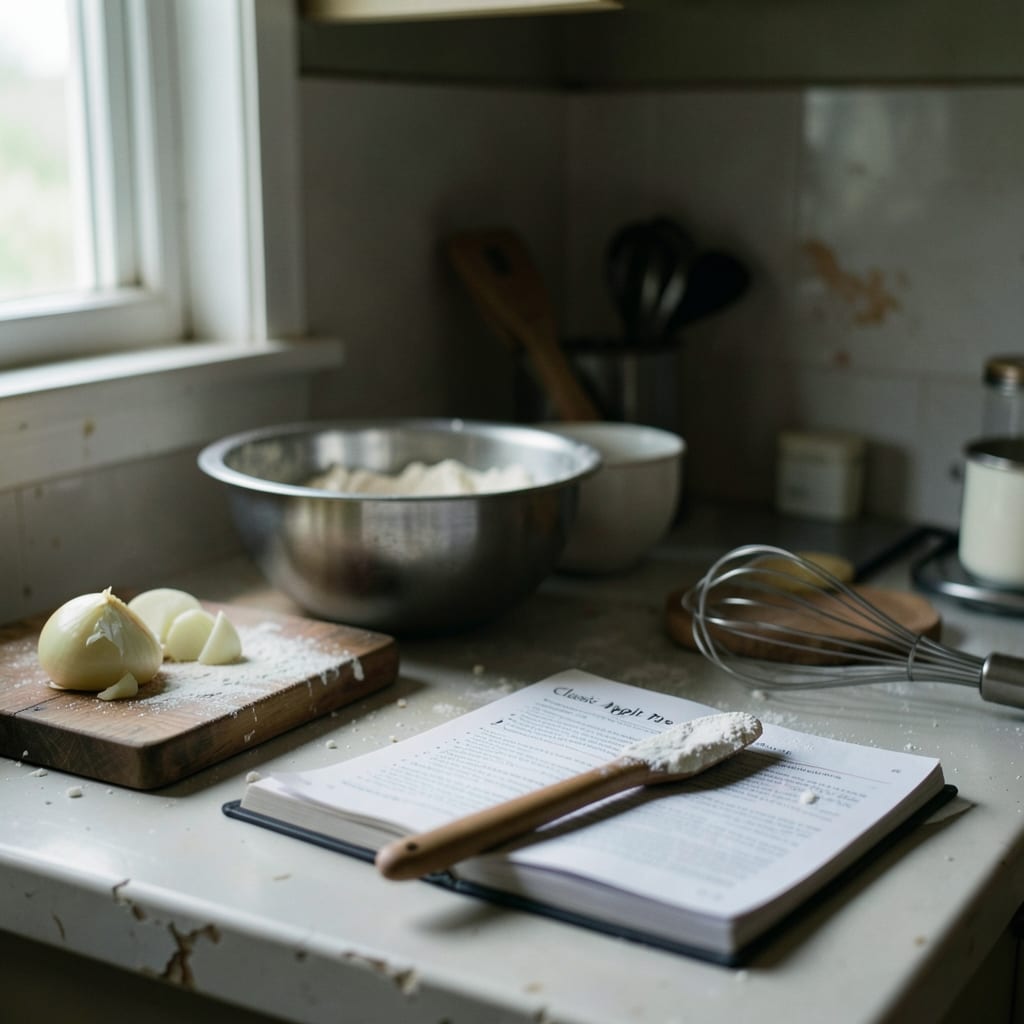
You have read a hundred of these
Because this one doesn’t pretend you’ll love everything you try.
You’re right—most recipe sites promise ‘foolproof’ dishes or ‘perfect’ techniques, then act surprised when real kitchens don’t cooperate. We don’t. If a recipe here doesn’t work the first time, it’s because we haven’t tested it enough yet.
Or because we messed up. (We’ve burned more than a few batches of salad dressing trying to get the ratios just right.)
The difference is in the details: salt levels adjusted in three batches, dressings emulsified by hand until they hold, and ingredients swapped out when a staple runs out at 8 PM on a Tuesday.
We don’t just *say* we test—we test until the results are reliable, even when that means tossing a whole bowl of wilted greens because the sun hit the cutting board wrong.
Anyone can write that they test things
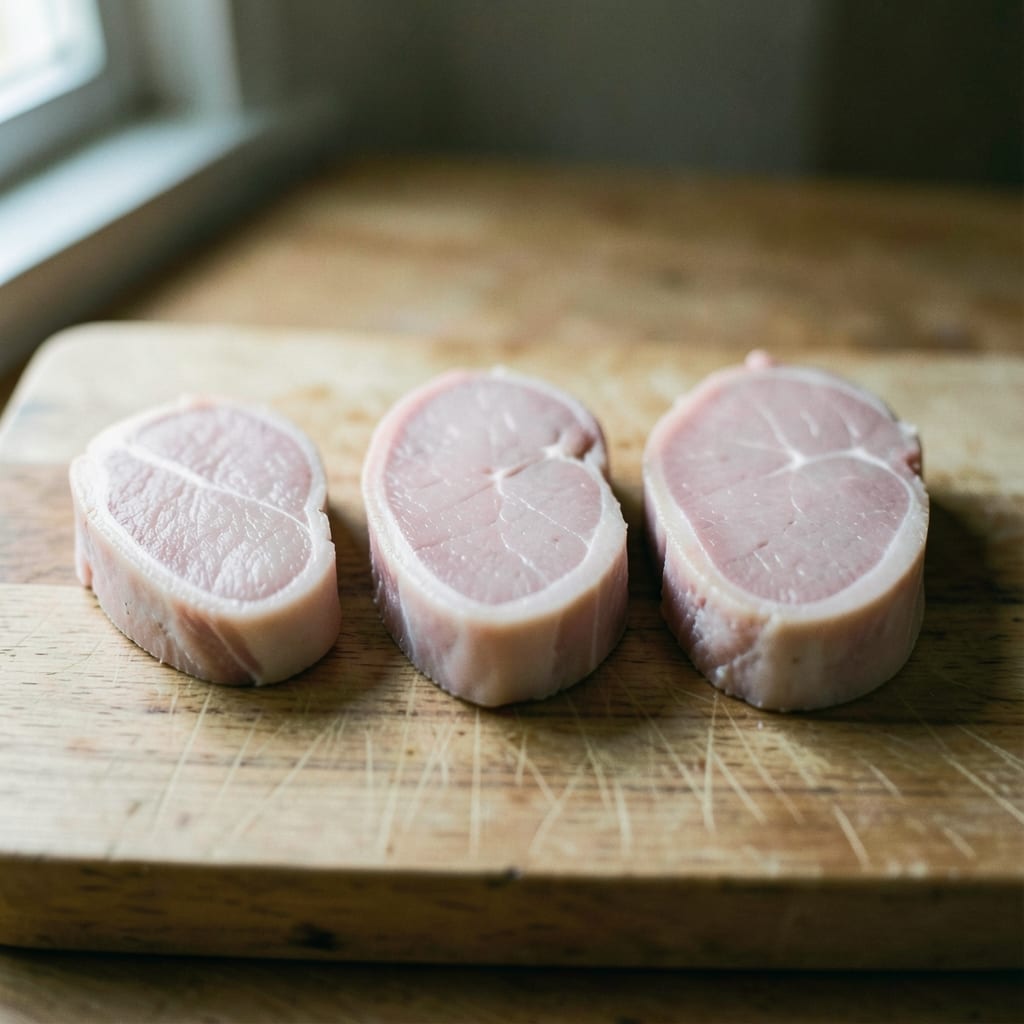
Because the proof is in the scraps—and the second attempts.
Here’s what ‘testing’ looks like: A vinaigrette recipe might take six tries before the oil and vinegar stop separating. A grain salad needs four adjustments to the liquid ratio before it’s not soggy or dry.
And if a recipe calls for ‘fresh herbs,’ we’ll test it with both store-bought and homegrown, then note which one makes a difference. Some recipes get discarded entirely—like that one ‘no-cook’ quinoa salad that fell apart by lunch.
Others get rewritten three times because the first version was too fussy for a weeknight.
We keep a log of every failure. Not for drama, but because the mistakes are the ones that teach us what actually works in a home kitchen—not a food lab. And if a recipe doesn’t hold up after three real-world tests, it doesn’t get published.
About the author

Curtis Hollis is the founder and editor of *Salad Recipes Daily*, where he turns kitchen chaos into recipes you can actually use.
How we work
- 1Test in batches
Every recipe is made three times before it’s posted. The first batch is for figuring out what’s possible; the second for fixing what’s broken; the third for confirming it works when you’re tired or in a hurry. That’s why some recipes have notes like ‘use cold water for the pasta’—we learned that the hard way.
- 2Assume you’ll mess up
If a recipe doesn’t account for ‘what if I forgot the lemon juice?’ or ‘what if my oven runs hot?’, it’s not ready. We include workarounds because real kitchens don’t follow scripts. This costs time—rewriting instructions after the fifth reader flags a confusing step—but it saves you from throwing out dinner.
- 3No shortcuts for basics
You won’t find ‘5-minute’ salads that skimp on dressing or use sad, wilted greens. A good salad takes effort, and we’d rather you spend 10 minutes chopping properly than 20 minutes fixing something that fell apart. This means longer prep times sometimes, but also recipes that last more than an hour in the fridge.
- 4Prioritize flavor over trends
We don’t chase viral ingredients or ‘Instagram-worthy’ plates. If a recipe relies on a $15 superfood or a technique that requires a gadget you don’t own, it’s not here. Flavor comes first, and it should work with what you already have. This means saying no to fads—even when they’re ‘everywhere’ right now.
- 5Admit when we’re wrong
If a recipe doesn’t work after three tests, we either rewrite it or take it down. No excuses, no ‘blame the reader.’ This costs credibility sometimes, but it keeps the site honest. And if you tell us a recipe failed for you, we’ll update it—or scrap it if it’s not fixable.
When we break our own rules, it’s usually because we got overconfident. Like the time we swore off ‘fancy’ dressings, then published a recipe that required emulsifying oil and vinegar by hand—only to realize half our readers didn’t own a whisk strong enough. The fix?
Adding a blender step and a warning. Or the quinoa salad that ‘only needed 10 minutes to rest’—until we tested it again and found out it needed 20. The corrections go in immediately, because the goal isn’t perfection; it’s making sure the recipe works the first time *you* try it.
This will not be right for everyone
If you’re looking for quick-fix meals, ‘hack’ recipes, or dishes that rely on expensive ingredients you’ll never use again, this isn’t the place. We don’t do ‘5-ingredient’ salads that taste like sad office lunches, or ‘no-cook’ meals that fall apart by noon.
And if you’re the kind of cook who skips measuring and ‘eyeballs’ everything, you might find our precision annoying. That’s fine—there are plenty of other sites for that.
This site is for people who want food that tastes good, lasts more than one meal, and doesn’t require a degree in culinary science to pull off. If you’d rather scroll past a recipe that says ‘use a scale’ or ‘let this sit overnight,’ close this page now.
But if you’d rather have a salad that doesn’t make your guests ask ‘what’s in this?’, stick around.
You could just be told what you want to hear
We could say we’re ‘passionate about fresh ingredients’ or that our recipes are ‘inspired by global flavors,’ but those are empty phrases. What we *actually* care about is whether a recipe works when you’re tired, when the weather’s hot, or when you forgot to buy half the ingredients.
That’s why we include notes like ‘this tastes better the next day’ or ‘skip the optional ingredient if you’re in a rush’—because those are the moments real cooking fails.
Worth telling us
- What *really* went wrong when you tried a recipe—and whether it was the instructions or just bad luck.
- If a recipe saved you time, money, or a last-minute dinner disaster (we love those stories).
- What’s missing from a recipe that would make it *your* go-to dish (we’ll add it if enough people ask).
If you’ve got feedback—or just want to say a recipe changed how you eat—tell us on the contact page. No fluff, no sales pitch, just real talk about what works and what doesn’t.
The recipes are grouped by category: Appetizers, Beverages, Breakfast & Brunch, Desserts, Main Courses and Reviews.