
Salads
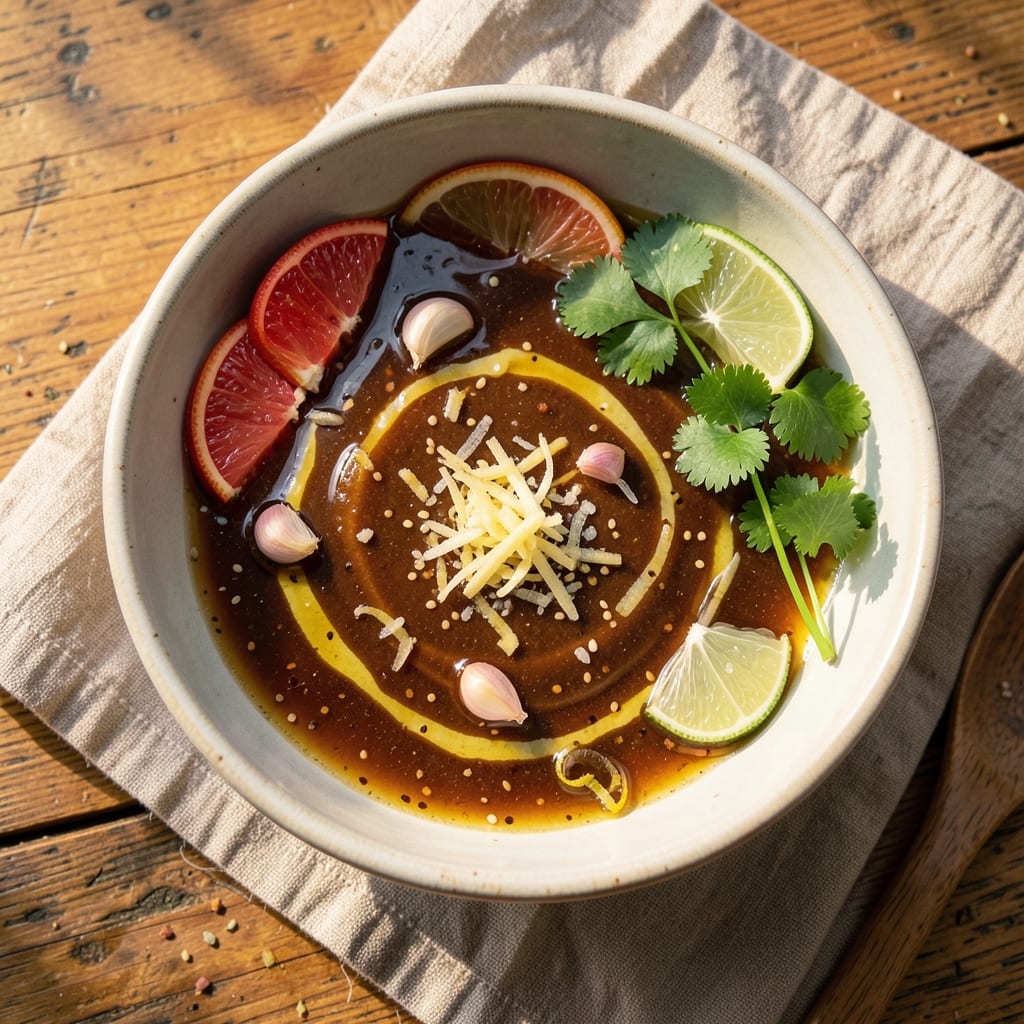
This ahi poke salad dressing recipe transforms fresh fish bowls into a vibrant, flavor-packed experience with just a few simple ingredients. The perfect balance of tangy soy sauce, aromatic sesame oil, and bright citrus creates a dressing that enhances—rather than overpowers—the delicate flavors of ahi tuna. I developed this recipe after realizing store-bought versions always missed that fresh, restaurant-quality zing.
The secret lies in the fresh ginger and garlic, which add layers of warmth without overpowering the dish. A touch of sesame oil brings nutty depth, while rice vinegar and a splash of lime juice keep the dressing light and refreshing. This dressing stays fresh in the refrigerator for up to a week, making it perfect for meal prep or spontaneous poke nights.
What makes this dressing truly special is its versatility—it works equally well with traditional ahi poke, spicy tuna rolls, or even as a marinade for grilled fish. The texture is perfectly balanced: silky smooth with just enough body to cling to each piece of fish. Once you try this, store-bought options will never compare again.
For an extra touch of richness, consider adding a spoonful of avocado paste or a dash of sriracha for heat. The possibilities are endless, but the foundation remains the same: bold flavors that let the fish shine. Let's get started on this game-changing dressing!
Ingredients for ahi poke salad dressing
Nine simple ingredients create a dressing that elevates fresh fish bowls to restaurant quality.
| Ingredient | Amount | Notes |
|---|---|---|
| Soy Sauce 🍶 | ½ cup | High-quality tamari for gluten-free |
| Sesame Oil 🫒 | 2 tbsp | Toasted for nutty aroma |
| Fresh Ginger 🧄 | 1 tbsp | Finely grated, peeled |
| Garlic Cloves 🧄 | 3 cloves | Minced, fresh preferred |
| Rice Vinegar 🍶 | ¼ cup | Seasoned for extra flavor |
| Lime Juice 🍋 | ¼ cup | Freshly squeezed, no pulp |
| Sesame Seeds 🌾 | 1 tbsp | Toasted, for garnish |
| Honey 🍯 | 1 tbsp | Or agave for vegan option |
| Salt 🧂 | ½ tsp | Kosher or sea salt |
The soy sauce is the foundation—Kikkoman or San-J brands deliver that perfect umami balance. For sesame oil, Kadoya or La Choy are my go-tos, but any toasted variety works. Fresh ginger and garlic are non-negotiable here; pre-minced jarred versions lack the punch. Asian grocery stores often carry the freshest ginger with vibrant color, but the regular produce section at Whole Foods or Trader Joe's usually has good quality too. Look for ginger with tight, smooth skin—no wrinkles or soft spots. The lime juice should be freshly squeezed; bottled versions lack the brightness that makes this dressing shine.
No sesame oil? Avocado oil or neutral oil with a pinch of toasted sesame seeds works in a pinch, though it'll miss that signature aroma. Swap honey for agave or maple syrup if you're avoiding refined sugar. The rice vinegar can be substituted with apple cider vinegar or white vinegar, though seasoned rice vinegar adds that extra depth. For a spicier kick, add 1 tsp sriracha or 1/2 tsp red pepper flakes. If you're making this ahead, store the dressing without the sesame seeds—add them fresh before serving to prevent them from turning bitter. The garlic can be roasted for a milder flavor if you prefer.
This dressing keeps beautifully in the fridge for up to 1 week when stored in an airtight container. The flavors actually meld better after a day or two, so making it ahead is ideal. For extra freshness, add the sesame seeds right before serving. If you're prepping for a crowd, double the recipe—it's perfect for meal prep or spontaneous poke nights. The dressing thickens slightly when chilled, so give it a quick stir before using. Any leftovers work great as a marinade for grilled fish or shrimp too.
Why You'll Love This Recipe
- Five-Ingredient Magic: I swear by this combo—soy, ginger, garlic, vinegar, and a whisper of sesame oil. That’s it. No fancy gadgets, no last-minute grocery runs. Honestly, I keep everything in my pantry except the ginger, and even that grows on my windowsill.
- Umami Bomb: The moment I minced that garlic and grated fresh ginger into warm sesame oil, my kitchen smelled like a Hawaiian sunset. That salty-sweet balance from the soy and vinegar? It’s the kind of flavor that makes you pause mid-bite—damn, that’s good—and then go back for more.
- Lunchbox Hero: Between us, this dressing turns a sad salad into a meal. I pack it in jars for work—just shake, pour, and boom, instant poke vibes. My coworkers think I’m a chef now. (Between us, I’m just really good at shopping at the Asian market.)
- Budget Flex: I’ve made this for $3 a batch. That’s cheaper than takeout, lasts all week, and still tastes like I spent an hour in the kitchen. The rice vinegar cuts the richness, so a little goes a long way—perfect for stretching leftovers into new dishes.
Step-by-step instructions for ahi poke salad dressing
This bright, aromatic dressing balances umami, citrus, and nutty depth for perfect poke bowls.
Prepare the Aromatics and Base
In a medium bowl, combine the 0.5 cup soy sauce and 0.25 cup rice vinegar. I like to use seasoned rice vinegar here—it adds subtle depth that regular vinegar can't match. Add the 1 tablespoon finely grated fresh ginger and 3 minced garlic cloves, stirring until fully incorporated. The ginger should dissolve completely, releasing its sharp, citrusy aroma.
Next, add the 0.25 cup lime juice and 1 tablespoon honey. The honey helps balance the acidity from the lime and vinegar while adding a subtle sweetness that enhances the soy sauce. Whisk vigorously for 30 seconds until everything is well combined and smooth. This is your flavor foundation—taste it now to check the balance before adding the oils.
Incorporate the Oils and Season
With the mixture still in the bowl, slowly drizzle in the 2 tablespoons sesame oil while whisking continuously. The oil should emulsify with the liquid ingredients, creating a silky texture. If the mixture starts to separate, add 1 teaspoon water and whisk again until smooth.
Add the 0.5 teaspoon salt and mix well. At this stage, the dressing should be tangy, slightly sweet, and deeply savory. If you're using tamari instead of soy sauce, the flavor will be slightly more complex, but the balance should remain similar. This is your chance to adjust seasoning—add a pinch more salt if needed, or a splash more lime juice if it tastes too flat.
Toast the Sesame Seeds and Finish
While the dressing rests, toast the 1 tablespoon sesame seeds in a dry skillet over medium heat for 1-2 minutes until they turn a rich golden brown and release their nutty aroma. This step is crucial—it enhances the flavor of the seeds and gives the dressing an extra layer of complexity.
Once the seeds are toasted, let them cool slightly before adding them to the dressing. Stir them in gently to distribute evenly. The seeds should be warm but not hot, as they can overpower the delicate balance of flavors if added too soon. The dressing is now complete and ready to use—its vibrant color and aromatic scent should make your kitchen smell like a fresh Hawaiian market.
Rest and Adjust for Perfect Balance
Let the dressing sit at room temperature for 10-15 minutes before using. This resting period allows the flavors to meld and the texture to stabilize. If the dressing appears too thick after resting, thin it with 1-2 teaspoons water until it reaches a pourable consistency.
The dressing should coat the back of a spoon lightly, clinging to your fish and vegetables without being overly heavy. If it tastes too sharp, add a touch more honey; if it's too sweet, balance it with a splash of lime juice or a pinch of salt. This dressing is designed to complement fresh ahi tuna, so its brightness should enhance—not overpower—the natural flavor of the fish.
Pro Tips For Making Ahi Poke Salad Dressing
- MINCE THAT GINGER: Use a microplane or the finest grater you own—no, a knife isn’t cutting it here. You want ginger so fine it practically dissolves into the dressing, not little specks that’ll make you regret it later. I learned this the hard way after serving a bowl where the ginger was still visible. Trust me, the texture changes everything.
- TOAST THE GARLIC: Wrap those garlic cloves in a damp paper towel, microwave for 30 seconds, then peel. This softens them without burning, so they blend into a smooth, mellow base instead of a bitter, sharp punch. I was skeptical until I tried it—now I never go back.
- DILUTE THE SOY SAUCE: Mix your soy sauce with an equal part water first. This keeps the dressing from being too heavy or salty when you add the other ingredients. After burning my tongue on a too-strong batch, I realized this simple step makes all the difference in balance.
- ADD SESAME OIL LAST: Drizzle the sesame oil in at the very end—yes, even if you’re impatient like me. Adding it early can make the whole dressing taste bitter and overpowering. A few drops at the end is all you need for that nutty aroma without ruining the harmony.
Pro cooking tips for this dish
Emulsification Secrets
The key to a silky, clingy dressing lies in proper emulsification—don’t just pour the sesame oil in all at once! I drizzle it in slowly while whisking vigorously to prevent separation. If your mixture starts to break, add 1 teaspoon water and whisk again until smooth. The goal is to create a stable emulsion that coats each piece of fish beautifully without turning greasy. 💫
Ginger and Garlic Mastery
Fresh ginger and garlic are non-negotiable here—they bring the aromatic punch that jarred versions can’t match. For the ginger, use a Microplane grater to create a fine paste, then strain out any fibrous bits. For garlic, I prefer smashing 3 cloves with the flat side of a knife before mincing to release their oils. This ensures maximum flavor without bitterness.
Temperature Control for Toasting
Toast your sesame seeds over medium heat—not high! Watch them closely and remove them immediately when they turn golden brown (about 1-2 minutes). Over-toasting burns them, turning them bitter. Let them cool slightly before adding to the dressing, as hot seeds can alter the flavor balance. A small cast-iron skillet works best for even heat distribution.
Adjusting for Balance
Always taste your dressing before serving—this is where the magic happens. Too sharp? Add ½ teaspoon honey. Too flat? A splash of lime juice or pinch of salt brightens it up. I keep a small bowl of each nearby while testing. The dressing should taste vibrant, not one-dimensional. Trust your palate—it’s the best tool you have!
Storage and Shelf Life
Store your dressing in an airtight glass container in the fridge for up to 1 week. The flavors actually improve as they meld! For extra freshness, add the toasted sesame seeds just before serving. If you notice separation, give it a good stir—the oil will re-emulsify. This dressing also works as a marinade for grilled fish, so make extra!
Pro Tip for Crowds
Double the recipe when prepping for parties—it’s perfect for meal prep. Use a quart-sized mason jar for easy storage and portioning. Label it with the date and shake before each use. The dressing keeps its vibrant color and flavor for days, making it ideal for poke bowls, sushi platters, or even as a dipping sauce for spring rolls. 🍶
Nutrition facts
Frequently asked questions about ahi poke dressing
Can I make this dressing without sesame oil?
Yes, but the flavor will be different. Use 2 tablespoons avocado oil or neutral oil plus ½ teaspoon toasted sesame seeds mixed into the dressing. For extra depth, add ¼ teaspoon ground toasted sesame seeds to replace the aroma. The texture will be slightly lighter, but still delicious.
How spicy should the dressing be?
This recipe is naturally mild, but you can adjust it! For heat, add ½ teaspoon sriracha or ¼ teaspoon red pepper flakes to the base. For smoky flavor, swap ½ teaspoon smoked paprika for part of the salt. Always taste before serving—you can easily balance it with more honey or lime.
Will this dressing work with other types of fish?
It pairs beautifully with salmon, mahi-mahi, or even shrimp. The citrus and ginger complement delicate fish perfectly. For heartier fish like swordfish, you might want to add 1 extra tablespoon soy sauce to stand up to the stronger flavor. The dressing also works as a marinade for grilled fish.
Why did my dressing separate?
Separation usually happens when oil and liquid aren't properly emulsified. Fix it by whisking vigorously with 1 teaspoon water or 1 teaspoon honey to help bind the ingredients. For next time, drizzle the sesame oil in slowly while whisking continuously. If it's already separated, just stir before using—the flavors will still be great!
Can I use this dressing on non-fish dishes?
Yes! It's fantastic on cucumber salad, noodle bowls, or even grilled vegetables. The bright flavors work well with tofu or tempeh too. For a dessert twist, drizzle it over chilled mango or lychee with a sprinkle of sesame seeds. The key is balancing the bold flavors with something sweet or creamy.