
Salads
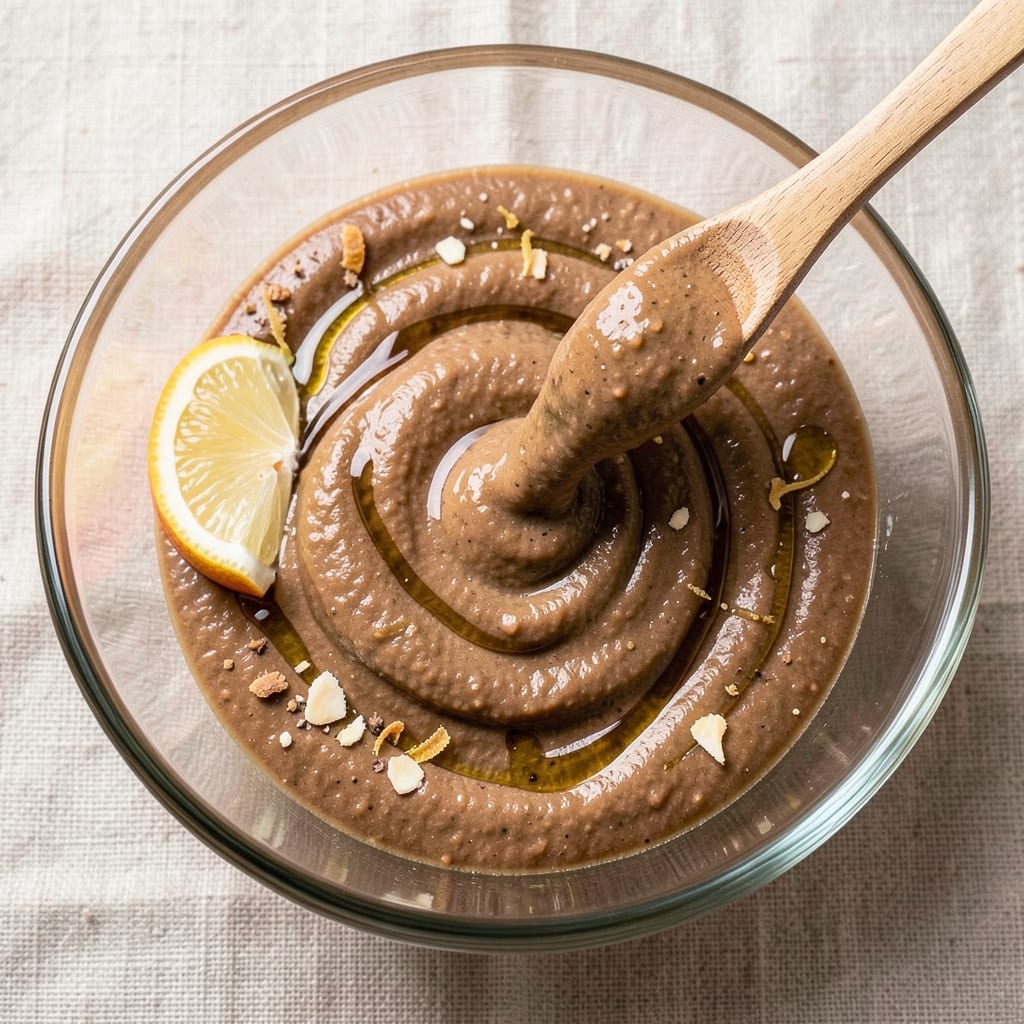
This almond salad dressing recipe transforms simple greens into a gourmet meal with rich, nutty depth—no mayo required. The secret lies in blending toasted almond butter with tangy lemon juice and fresh herbs, creating a velvety texture that clings perfectly to every leaf. I developed this after craving a creamy dressing without dairy or refined oils, and the result is a versatile sauce that elevates salads, wraps, or even grilled chicken.
The base is built on toasted almond butter, which adds natural sweetness and a satisfying crunch when drizzled. A splash of apple cider vinegar brightens the flavor, while Dijon mustard adds subtle depth without overpowering. Fresh dill and parsley contribute herbal freshness, and a touch of maple syrup balances the tang. Unlike store-bought dressings, this one stays fresh for up to a week in the fridge, making it a pantry staple.
What sets this dressing apart is its creamy yet light texture—ideal for hearty kale salads or delicate arugula bowls. The almond butter provides healthy fats, while the citrus keeps it from feeling heavy. It’s also naturally vegan, gluten-free, and packed with plant-based protein. Perfect for meal prep, this dressing transforms basic greens into a restaurant-worthy dish with minimal effort.
Drizzle generously over mixed greens, grain bowls, or even roasted vegetables for an instant flavor upgrade. The nutty richness pairs beautifully with bold flavors like roasted squash or spicy chickpeas. Store in an airtight container for up to 7 days, or freeze for longer shelf life. Let’s make dressing that tastes as good as it is for you.
Ingredients for almond salad dressing
Eight simple ingredients blend into a velvety, nutty dressing that’s lighter than mayo but richer than store-bought.
| Ingredient | Amount | Notes |
|---|---|---|
| Toasted Almond Butter 🥜 | ½ cup | Natural, no added sugar |
| Extra-Virgin Olive Oil 🫒 | ½ cup | Light or fruity variety |
| Fresh Lemon Juice 🍋 | 3 tbsp | Freshly squeezed |
| Apple Cider Vinegar 🍏 | 1 tbsp | Raw, unfiltered preferred |
| Dijon Mustard 🌶️ | 1 tbsp | Mild or strong variety |
| Pure Maple Syrup 🍁 | 1 tbsp | Grade A for best flavor |
| Fresh Dill 🌿 | ¼ cup | Chopped, stems removed |
| Fresh Parsley 🌿 | ¼ cup | Chopped, flat-leaf preferred |
| Water 💧 | ¼ cup | Room temperature |
| Sea Salt 🧂 | ½ tsp | Fine grain preferred |
The almond butter is the star here—store-bought or homemade, just make sure it’s natural with no added sugar. Trader Joe’s and Whole Foods carry great options, or toast your own almonds for extra depth. The olive oil should be fruity but not overpowering—California brands like Corto are my go-to. Fresh herbs make all the difference, so grab a bunch of dill and parsley from the grocery store’s produce section—they’re usually the freshest there. If you’re short on time, dried herbs work at half the amount, but fresh is ideal.
No almond butter? Sunflower seed butter works in a pinch, though the flavor will be milder. Swap maple syrup for agave if you prefer, but maple adds that perfect caramel note. The Dijon mustard can be omitted if you dislike tang, but it’s what keeps this dressing from tasting flat. For extra creaminess, add 1 tbsp of unsweetened almond milk instead of water. If you’re making this ahead, store the dressing without the herbs—toss them in right before serving to keep their freshness. The lemon juice should be freshly squeezed; bottled just won’t cut it.
This dressing keeps for up to 7 days in the fridge, but it’s best used within 3-4 days for peak freshness. To store, transfer to a clean glass jar and seal tightly. If it separates, just give it a good shake before using. For longer storage, freeze in ice cube trays—thaw and shake to recombine. It’s perfect for meal prep, so I always make a double batch. The herbs stay vibrant if you add them just before serving, so keep them separate until the last minute.
Why You'll Love This Recipe
- No Fuss, Big Payoff: I swear by this dressing because it’s three ingredients plus a whisk—no blender, no straining, no stress. Just toss toasted almond butter, lemon juice, and olive oil together, then tweak the mustard and vinegar to your taste. Five minutes max, and it’s ready to transform whatever’s in your fridge.
- Rich but Bright: Here’s what sold me—the almond butter brings this creamy, nutty depth, but the lemon juice and vinegar cut through it like a cool breeze. It’s not heavy like ranch or overly tangy like vinaigrette; it’s that perfect balance where every bite feels intentionally good, not just "fine."
- Weeknight Workhorse: Between us, this is my go-to for lunch salads, grain bowls, or even drizzled over roasted veggies. Honestly, I’ve used it on everything from kale chips to grilled chicken, and it never lets me down. The mustard adds a little kick, so it’s great for when you want flavor without fuss.
- Makes Leftovers Feel Smart: I always double the batch because it keeps for ages in the fridge—no weird separation, no weird textures. And if you’re pinching pennies, almond butter is cheaper than fancy dressings, plus you control the quality. Twenty minutes of prep means no more sad, wilted salads later.
Step-by-step instructions for almond salad dressing
This creamy, nutty dressing comes together in minutes with no mayo needed.
Whisk Almond Butter and Olive Oil
In a medium bowl, combine the 0.5 cup toasted almond butter and 0.5 cup extra-virgin olive oil. Use a whisk or fork to break up any lumps in the almond butter until it's completely smooth. You're looking for a creamy, paste-like consistency—this is your base, so take your time here.
The reason we start with these two ingredients is that they'll emulsify the rest of the dressing. The almond butter provides natural fat that helps bind everything together, while the olive oil adds richness and depth. If you notice the mixture is too thick, you can add a splash of the 0.25 cup water later, but usually, this combination works perfectly as-is.
Add Acid and Sweetness
Next, stir in the 3 tbsp fresh lemon juice, 1 tbsp apple cider vinegar, and 1 tbsp pure maple syrup. The lemon juice and vinegar add brightness and tang, while the maple syrup balances the acidity with just a touch of sweetness. Mix well until everything is fully incorporated and the dressing begins to take on a lighter, more fluid texture.
Here's where the magic happens—the acidity from the lemon and vinegar helps break down the almond butter's fat, creating that signature creamy consistency without mayo. If you taste it now, you'll notice it's still quite thick, but that's okay—we're building layers of flavor. The herbs and mustard will come next to round out the dressing.
Incorporate Herbs and Mustard
Add the 0.25 cup fresh dill, 0.25 cup fresh parsley, and 1 tbsp Dijon mustard to the bowl. Use a fork or small whisk to gently fold everything together. The herbs add freshness and a pop of color, while the Dijon mustard ties all the flavors together with its subtle tang. You want to chop the herbs finely if they're not already—this ensures they distribute evenly and don't clump.
At this stage, the dressing should be thick but still pourable. If it's too thick, gradually add the 0.25 cup water a few drops at a time while whisking until you reach your desired consistency. The goal is a smooth, velvety texture that clings beautifully to greens or grains. Don't worry if it looks a little separated—we'll fix that next.
Emulsify and Season
Transfer the dressing to a blender or food processor and blend for 10-15 seconds until completely smooth. This step ensures everything is evenly distributed and creates that silky, restaurant-quality texture. If you don't have a blender, you can whisk vigorously in the bowl for about 1 minute, but blending is easier.
Once smooth, return the dressing to the bowl and stir in the 0.5 tsp sea salt. Taste and adjust the seasoning if needed—you might want to add a little more lemon juice for brightness or maple syrup for sweetness. The dressing should be tangy, slightly sweet, and herby with a rich, nutty depth. If it's too thick, thin it with a little more water; if it's too thin, let it sit for 5 minutes to thicken naturally.
Rest and Serve
Let the dressing rest for 10 minutes at room temperature. This allows the flavors to meld and the texture to thicken slightly. The longer it sits, the better it tastes—so if you're prepping ahead, store it in an airtight container in the fridge for up to 5 days. Before using, give it a good stir or shake, as it may separate slightly when refrigerated.
This dressing is incredibly versatile—drizzle it over mixed greens, toss it with roasted vegetables, or use it as a dip for crudités. The nutty almond butter gives it a unique richness that pairs perfectly with almost anything. Enjoy it immediately, or store it in the fridge for later—just remember to stir well before each use!
Pro Tips For Making Almond Salad Dressing
- Whisk in Stages: Start with the almond butter and olive oil—mix those two first until smooth, then slowly drizzle in the lemon juice and vinegar. This prevents a greasy, clumpy mess that’s hard to fix once the citrus hits. ---
- Toast the Butter: Use freshly toasted almond butter, not store-bought. If you’re short on time, spread regular almond butter on a baking sheet and toast at 300°F for 8–10 minutes until it smells nutty and deepens in color. The flavor difference is night and day. ---
- Measure the Mustard: Don’t eyeball the Dijon—start with 1 teaspoon and adjust. Too much makes it taste bitter; too little leaves it flat. If you’re unsure, taste the mustard straight from the jar first. ---
- Let It Rest: After whisking, let the dressing sit for 5 minutes before using. The flavors meld, and the almond butter’s richness softens instead of overpowering. (Yes, even if you’re impatient like me.)
Dietary considerations for this almond salad dressing
Vegan-Friendly Base
This dressing is naturally vegan thanks to the almond butter foundation, which replaces dairy-based ingredients like mayo or yogurt. The toasted almond butter provides healthy fats and protein, while the olive oil adds richness without animal products. Even the sweetener—pure maple syrup—is plant-based, making this a perfect choice for vegan diets. 🌱
Gluten-Free Guaranteed
All ingredients in this recipe are inherently gluten-free, including the almond butter, olive oil, and fresh herbs. The only potential concern is cross-contamination if you use shared kitchen tools with gluten-containing products. I always clean my blender and utensils thoroughly before making this dressing to ensure it stays safe for gluten-sensitive eaters.
Nut-Free Adaptation
If you or someone in your household has a tree nut allergy, simply swap the almond butter for sunflower seed butter or tahini (sesame paste). The texture will be slightly different—sunflower seed butter is smoother, while tahini adds a distinct earthy flavor—but it still delivers that creamy, tangy profile. Just reduce the water slightly since seed butters tend to be thinner.
Low-Sugar Option
For a lower-sugar version, omit the maple syrup entirely or replace it with stevia or monk fruit sweetener (about ½ tsp liquid stevia). You’ll need to adjust the acid balance with an extra ½ tbsp lemon juice to compensate for the missing sweetness. The dressing will still taste bright and herby—just slightly less rounded in flavor.
Allergen-Free Notes
This dressing avoids the top 9 allergens (milk, eggs, fish, shellfish, tree nuts, peanuts, wheat, soy, sesame) unless you choose the tahini adaptation. Always check labels on your almond butter and Dijon mustard for hidden allergens—some brands add soy lecithin or other additives. I prefer Whole Foods 365 almond butter because it’s consistently free from cross-contamination warnings.
Meal Prep Safety
When storing leftovers, keep the dressing in an airtight glass container in the fridge for up to 7 days. To prevent separation, shake vigorously before each use. If you’re prepping for someone with latex allergies, note that almond butter contains trace amounts of latex proteins—though the risk is minimal compared to fresh almonds. For extra caution, use a dedicated latex-free kitchen tool.
Nutrition facts
Frequently asked questions
Can I make this almond dressing without a blender?
Skip the blending step by whisking all ingredients vigorously in a bowl for about 1-2 minutes until completely smooth. The key is to work quickly and keep moving—this creates tiny air bubbles that help emulsify the dressing. For best results, use a fork to break up any remaining lumps, then let it sit for 5 minutes before tasting. You might need to add a splash more water to reach your desired consistency.
How do I store leftovers to keep them fresh?
Transfer the dressing to an airtight glass container and refrigerate for up to 7 days. Before using, shake or whisk vigorously—it may separate slightly when cold. For longer storage, freeze in ice cube trays; thaw and shake to recombine. Keep the herbs separate until serving to maintain their freshness and vibrant color.
What can I use if I don't have fresh herbs?
Dried herbs work in a pinch—use 1 teaspoon dried dill and 1 teaspoon dried parsley instead of the fresh amounts. For best flavor, toast the dried herbs in a dry pan for 30 seconds to wake up their aroma before adding. If you're missing one herb, try substituting with ½ teaspoon dried tarragon or ½ teaspoon dried basil for a similar fresh, aromatic note.
Why did my dressing turn out too thick?
This usually happens when the almond butter wasn't fully emulsified with the olive oil. Thin it gradually with 1 teaspoon water at a time while whisking. If it's still too thick after adding all the water, try blending for 10-15 seconds to break up any remaining lumps. The dressing should coat the back of a spoon but still pour smoothly. For next time, start with slightly less almond butter (¼ cup) if you prefer a lighter texture.
Can I use this dressing on non-salad dishes?
This versatile dressing works beautifully as a marinade for grilled chicken or tofu, a dip for veggie sticks, or a sauce for roasted vegetables. For marinades, add 1 tablespoon soy sauce and 1 clove minced garlic to enhance the flavor. It also pairs wonderfully with grain bowls—try drizzling it over quinoa with roasted sweet potatoes and chickpeas for a nutty, herby twist.