
Salads
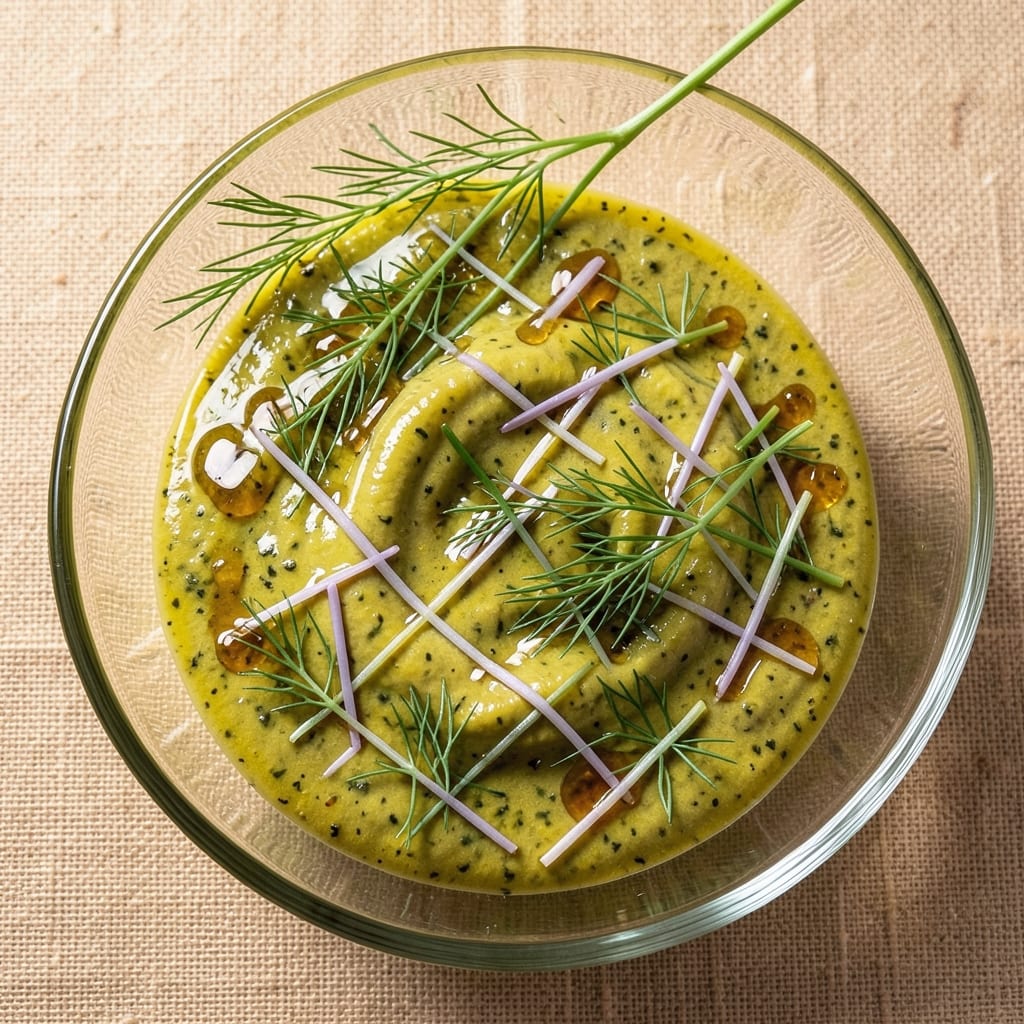
This American salad dressing recipe transforms simple pantry staples into a bright, tangy vinaigrette that elevates every salad from basic to bold. The secret lies in balancing sharp vinegar with smooth olive oil and a touch of Dijon mustard to create a stable emulsion that won't separate. I developed this version after years of testing—it's the one that finally made store-bought dressings obsolete in my kitchen.
The beauty of this recipe is its versatility and simplicity. With just five ingredients—olive oil, red wine vinegar, Dijon mustard, honey, and fresh herbs—you can create a dressing that's restaurant-quality yet takes less than five minutes to make. The Dijon mustard acts as a natural emulsifier, binding the oil and vinegar for a silky texture that coats greens perfectly without overwhelming their natural flavors.
What makes this dressing truly special is how it enhances any dish beyond salads. Drizzle it over grilled chicken or roasted vegetables for instant flavor, use it as a marinade for meats, or even toss it with pasta for a quick, flavorful meal. The honey adds just enough sweetness to balance the acidity, while the fresh herbs contribute a bright, aromatic finish that keeps the dressing vibrant for days.
Store it in an airtight container in the refrigerator for up to one week, shaking gently before each use to maintain its smooth consistency. This dressing is the foundation of countless meals—once you master it, you'll never buy bottled again. Let's get started!
Ingredients for american salad dressing
Five simple ingredients that transform into a restaurant-quality vinaigrette in minutes.
| Ingredient | Amount | Notes |
|---|---|---|
| Extra-Virgin Olive Oil 🫒 | ¾ cup | High-quality, fruity variety preferred |
| Red Wine Vinegar 🍷 | ½ cup | Dry, not sweetened |
| Dijon Mustard 🍯 | 1 tbsp | For natural emulsification |
| Raw Honey 🍯 | 2 tbsp | Mild floral preferred |
| Fresh Dill 🌿 | ¼ cup | Chopped, stems removed |
| Fresh Chives 🌱 | 2 tbsp | Finely chopped |
| Sea Salt 🧂 | ½ tsp | Diamond Crystal preferred |
| Freshly Ground Black Pepper 🌶️ | ¼ tsp | Freshly cracked |
The olive oil is where you shouldn't cut corners. Trader Joe's or Whole Foods carry excellent extra-virgin options that won't taste bitter. Look for bottles labeled 'fruity' or 'peppery'—those are the ones that'll add depth. Red wine vinegar should be dry, not sweetened—Bragg is my go-to, but any good balsamic vinegar producer will have a dry version. The Dijon mustard? Maille is the gold standard, but any quality brand works. Fresh herbs make all the difference—farmers markets have the brightest dill and chives, but grocery store bunches work too if they're not wilted.
No Dijon mustard? Whole-grain mustard thinned with water works in a pinch. Out of fresh herbs? Dried dill at one-third the amount gets you close, but it lacks brightness. Honey too expensive? Maple syrup works perfectly. The salt and pepper are non-negotiable—Diamond Crystal kosher salt dissolves cleanly, and freshly cracked pepper adds that restaurant-quality bite. Want extra tang? Add another tablespoon of vinegar. Need more sweetness? Add another teaspoon of honey—it's that flexible.
This dressing keeps beautifully for 1 week in the fridge, but it's best used within 3-4 days for maximum flavor. Store it in a clean, airtight jar—glass is best—and give it a good shake before each use. The emulsion will separate slightly, but that's normal. If it fully breaks, just whisk it vigorously for 30 seconds. I always make double batches—one for salads, one for marinades. The extra never lasts long.
Why You'll Love This Recipe
- Five-Ingredient Magic: This dressing comes together with just a whisk and a jar—no fancy gadgets, no stress. I swear, I’ve made it while waiting for the coffee to brew, and it still tastes like I spent an hour in the kitchen.
- Bright & Balanced Bite: That honey cuts through the tangy vinegar while the Dijon mustard adds a little kick, and the dill? It’s the fresh finish that makes it taste like summer in a bottle. Honestly, it’s the kind of dressing that makes even store-bought look dull.
- Works Everywhere: Slather it on a crisp green salad, drizzle it over grilled chicken, or toss it with roasted veggies—it’s my secret weapon for weeknight dinners. Between us, I’ve even used it as a marinade (yes, it’s that good).
- Make-Ahead Money-Saver: A batch keeps for weeks in the fridge, and it costs next to nothing to double the recipe. I make a big jar on Sundays, and suddenly, every salad feels special without breaking the bank. Plus, no last-minute store runs.
Step-by-step instructions for homemade vinaigrette
This simple method delivers a perfectly balanced dressing every time—no fancy tools required.
Whisk Vinegar and Mustard Together
In a medium bowl, combine the 0.5 cup red wine vinegar and 1 tablespoon Dijon mustard. Use a whisk to blend them thoroughly for about 30 seconds until completely smooth. The mustard helps emulsify the oil later, so don't skip this step—it's what makes the dressing creamy rather than separated.
Here's the thing—if you see any lumps, keep whisking. The mustard needs to fully dissolve into the vinegar to create that perfect base. I like to give it a quick taste at this stage to make sure the acidity is balanced with the mustard's tang.
Gradually Add Olive Oil While Whisking
With the whisk still in the bowl, begin adding the 0.75 cup extra-virgin olive oil very slowly—about 1 tablespoon at a time. Whisk constantly as you pour, creating a steady stream. This gradual addition is crucial because it allows the mustard to properly emulsify the oil rather than creating a greasy separation.
You'll notice the mixture will look cloudy at first, then gradually clear as the emulsion forms. If it starts to look too thick, that's normal—the honey and herbs will help balance it out in the next step. Don't rush this process; patience here makes all the difference in the final texture.
Sweeten and Season the Dressing
Add the 2 tablespoons raw honey and whisk until fully incorporated. Then stir in the 0.25 cup chopped fresh dill and 2 tablespoons finely chopped fresh chives. The herbs should be evenly distributed throughout the dressing. I like to use my fingers to gently break up any large herb clumps at this stage.
Finally, add the 0.5 teaspoon sea salt and 0.25 teaspoon freshly ground black pepper. Give everything one final whisk to combine. The dressing should now have a balanced sweet-tangy flavor with bright herb notes. If you want to check the seasoning, dip a spoon in and taste—adjust with more salt or pepper if needed.
Rest Before Using (This Makes All the Difference)
Cover the bowl with plastic wrap and let the dressing rest at room temperature for at least 15 minutes. This resting period allows all the flavors to meld together and the emulsion to fully stabilize. I know it's tempting to use it immediately, but trust me—waiting ensures a smoother, more cohesive dressing.
After resting, give it one final stir before using. The dressing should be thick but still pourable. If it's too thick, whisk in 1-2 teaspoons of water to reach your desired consistency. This homemade vinaigrette will keep in the refrigerator for up to 1 week, making it perfect for meal prep.
Pro Tips For Making American Salad Dressing
- Whisk in Stages: Start with the mustard and honey—this keeps the mixture from splitting when you add the oil. I used to dump everything in at once and ended up with a greasy, unemulsified mess.
- Use Cold Oil: Pour the olive oil in slowly while whisking vigorously, but keep it refrigerated until the last step. Cold oil blends better and prevents the dressing from separating faster.
- Chop Dill Fine: No one wants a mouthful of dill stems. Pulse it in a food processor or chop it aggressively with a knife—this way, it distributes evenly without clumping.
- Balance Vinegar Last: Taste before adding the full amount of vinegar. It’s easy to overdo it, and you’ll end up with a dressing that’s harsh instead of tangy. Start with half and adjust.
Troubleshooting perfect results
Oil Separation Fix
If your dressing separates after refrigeration, don’t panic—this happens to even the best emulsions. Simply whisk vigorously for 30-60 seconds until smooth again. For stubborn separation, add 1 teaspoon of Dijon mustard or 1 tablespoon of warm water and whisk again. The key is to re-emulsify by reintroducing the mustard’s binding properties. 💫
Too Thin or Too Thick?
If your dressing is too thin, reduce it by simmering in a small saucepan over low heat for 3-5 minutes—just until slightly thickened. For a thicker consistency, whisk in 1-2 teaspoons of cornstarch mixed with 1 tablespoon water until fully incorporated. If it’s too thick after resting, thin with 1-2 teaspoons of water or vinegar.
Herbs Settling at Bottom
Fresh herbs naturally sink, but this doesn’t ruin the dressing. Before using, shake the jar vigorously or stir with a fork to redistribute them. For a smoother texture, strain through a fine-mesh sieve before serving. If you prefer chunky herbs, give it a quick whisk instead. Always taste first—sometimes the herbs need a little more chopping for even distribution.
Flavor Too Sharp?
If the vinegar or mustard overpowers, balance it with 1-2 extra teaspoons of honey or 1 teaspoon of maple syrup. For a smoother finish, stir in ½ teaspoon of lemon juice to soften the acidity. If the dressing tastes bland, add a pinch more sea salt or a crack of fresh black pepper. Adjust gradually—you can always add more, but you can’t take it out!
Dressing Too Oily?
If your dressing tastes greasy, the oil-to-vinegar ratio was off. Next time, reduce the olive oil by 1 tablespoon or increase the vinegar by ½ tablespoon. For an immediate fix, whisk in 1 teaspoon of Dijon mustard or 1 tablespoon of Greek yogurt to help stabilize the emulsion. The mustard acts as a natural emulsifier, while the yogurt adds body without altering flavor.
Storage Gone Wrong
If your dressing develops mold or an off smell after 1 week, it’s time to toss it. To prevent spoilage, always store in a clean, airtight glass jar in the fridge. Leave ½ inch of headspace to minimize oxidation. For longer shelf life, add 1 extra tablespoon of vinegar (its acidity preserves better). Freezing isn’t recommended—it can alter the texture.
Nutrition facts
Frequently asked questions
Can I make this dressing without Dijon mustard?
Yes! Use 1 tablespoon of whole-grain mustard thinned with 1 teaspoon of water as a substitute. For a smoother texture, blend it briefly with the vinegar first. If you're completely without mustard, whisk in 1 teaspoon of honey or maple syrup first—it helps bind the oil slightly better than nothing. The dressing will still separate more easily, so shake well before using.
How do I adjust this recipe for a creamy dressing instead?
Swap the olive oil for ½ cup mayonnaise or Greek yogurt and reduce the vinegar to ¼ cup. Add 1 teaspoon of lemon juice for brightness and ½ teaspoon of garlic powder for depth. Whisk everything together until smooth. This version works perfectly for potato salads or creamy pasta dishes. Store it in the fridge for up to 5 days—it won't keep as long as the vinaigrette.
What's the best way to store leftover dressing?
Transfer to a clean, airtight glass jar and refrigerate immediately. Leave about ½ inch of headspace to prevent oxidation. The dressing will last 1 week at its best, but you can extend this to 2 weeks by adding 1 extra tablespoon of vinegar (the acidity helps preserve it). Always give it a good shake before using—separation is normal, but whisking restores the emulsion.
Can I use this dressing on non-salad dishes?
This versatile dressing elevates grilled chicken, roasted vegetables, sandwiches, and even wraps. For meats, use it as a marinade (let sit for 30 minutes before cooking). On sandwiches, drizzle it over avocado toast or pulled pork for instant flavor. Just avoid using it on delicate proteins like fish—it's too acidic for 15+ minutes of marinating.
Why does my dressing sometimes separate after refrigeration?
This happens because cold temperatures cause oils and vinegars to naturally separate. It's completely normal and not a sign of spoilage! Simply whisk vigorously for 30-60 seconds to re-emulsify. For future batches, add ½ teaspoon of xanthan gum (a natural thickener) or whisk in 1 teaspoon of warm water to help stabilize it. The Dijon mustard in this recipe already helps prevent separation, but some separation will always occur in the fridge.