
Salads
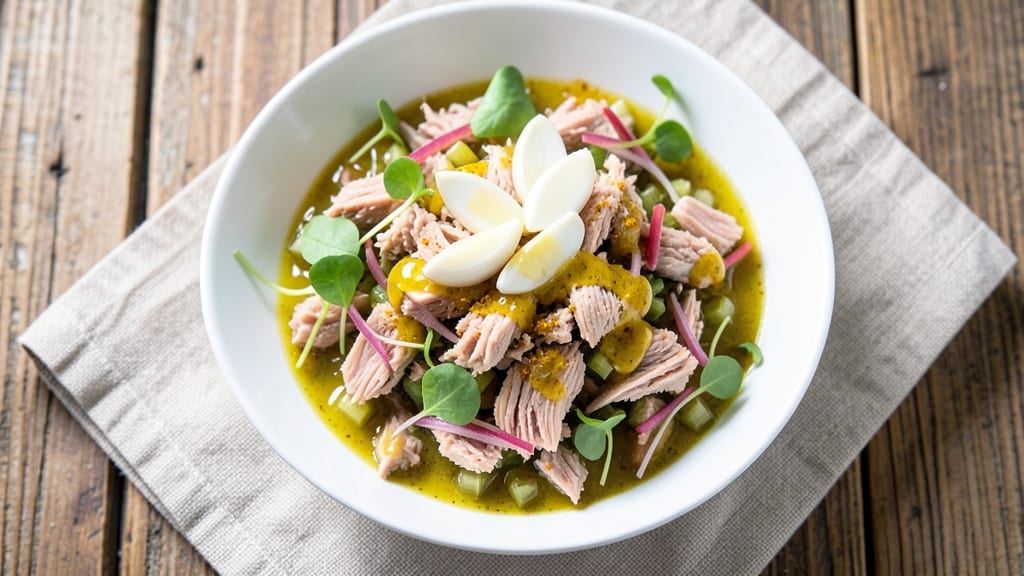
This anti-inflammatory tuna salad recipe transforms a classic dish into a nutrient-packed powerhouse packed with omega-3s and natural compounds that fight inflammation.
The secret lies in swapping mayo for olive oil and incorporating turmeric, garlic, and leafy greens—each ingredient carefully chosen for its health benefits while maintaining that signature tuna salad crunch.
What makes this recipe stand out is how it delivers restaurant-quality flavor without processed ingredients, making it perfect for meal prep or light lunches.
The foundation of this dish is canned tuna packed in olive oil (not water), which preserves the natural omega-3 content while adding healthy fats. Turmeric and black pepper create an anti-inflammatory boost, while red onion and celery add crunch and fiber.
Unlike traditional tuna salad, this version relies on a bright olive oil-lemon dressing instead of mayo, keeping it light yet satisfying. The result is a salad that's as nourishing as it is delicious.
What you'll end up with is a vibrant, protein-rich salad with a perfect balance of textures—creamy from the olive oil, crisp from the vegetables, and tender from the flaked tuna.
This dish is ideal for those looking to reduce inflammation, support heart health, or simply enjoy a lighter take on a classic. It pairs beautifully with whole-grain bread, mixed greens, or as a filling for lettuce wraps.
Best of all, this recipe takes just 10 minutes to prepare and keeps well in the fridge for up to 3 days, making it an excellent option for busy weekdays.
The health benefits don't compromise flavor—every bite delivers a satisfying combination of savory, tangy, and slightly spicy notes that make this salad a standout for any meal.
Ingredients for anti inflammatory tuna salad
Healthy fats, vibrant veggies, and anti-inflammatory spices—everything you need for a nutrient-packed tuna salad.
| Ingredient | Amount | Notes |
|---|---|---|
| Canned Tuna in Olive Oil 🐟 | 2 cans | High-quality, not water-packed |
| Extra-Virgin Olive Oil 🫒 | ½ cup | Cold-pressed, fruity variety |
| Fresh Lemon Juice 🍋 | 2 tbsp | Freshly squeezed preferred |
| Ground Turmeric 🌿 | 1 tsp | Freshly ground for potency |
| Garlic Cloves 🧄 | 2 cloves | Fresh, minced or finely chopped |
| Red Onion 🧅 | ¼ cup | Finely diced, small pieces |
| Celery Stalks 🥬 | 2 whole | Finely diced, crisp texture |
| Fresh Baby Spinach 🌱 | 1 cup | Chopped, for freshness |
| Ground Black Pepper 🌶️ | ½ tsp | Freshly ground enhances flavor |
| Sea Salt 🧂 | ½ tsp | Fine grain preferred |
| Fresh Parsley 🌿 | ¼ cup | Chopped, for garnish |
| Avocado Oil Mayonnaise 🫒 | 1 tbsp | Optional, for creaminess |
The tuna is the star, so grab high-quality canned tuna in olive oil—it's richer and more flavorful than water-packed. Wild Planet or Vital Choice are my go-tos, but any reputable brand works. Fresh turmeric is ideal, but ground works too (just use a little extra for potency). The red onion and celery should be crisp—if they're rubbery, slice them right before mixing. Baby spinach adds that fresh, vibrant touch without overpowering the tuna flavor. For the olive oil, California Avocado Ranch or Bertolli are my favorites—they've got that fruity kick that makes this salad shine.
No fresh garlic? Garlic powder at half the amount works in a pinch, but fresh is worth it. Swapping the spinach for kale? Massage it with lemon juice first to soften it. The optional avocado oil mayo adds creaminess without mayo—Primal Kitchen makes a great vegan version. Want more crunch? Add diced cucumber or jicama. The lemon juice should be freshly squeezed—bottled stuff just doesn't cut it here. And if you're sensitive to turmeric's earthiness, start with half the amount and adjust to taste.
This salad keeps beautifully for 3 days in the fridge, but the flavor actually improves after a night in the fridge as everything melds together. Store it in an airtight container with a layer of olive oil on top to keep the spinach fresh. For meal prep, portion it into small containers with a side of whole-grain crackers or a slice of sourdough. The leftovers reheat well too—just microwave for 20 seconds with a splash of water to revive the texture. Freezing isn't recommended, but you can freeze the dressing separately if you want to prep ahead.
Why You'll Love This Recipe
- Pantry Powerhouse: I swear by this recipe when my fridge is bare—just open a can of tuna, grab the olive oil and turmeric, and you’re halfway there. No chopping, no fuss, just a bright, zesty salad that feels like a hug for your taste buds.
- Bright & Earthy: That turmeric-garlic-lemon combo? It’s like sunshine in a bowl. The olive oil keeps it rich without heaviness, and the lemon cuts through the richness so every bite feels fresh and alive.
- Lunchbox Legend: Pack it in wraps for a no-stress workday or slap it on whole-grain toast for a quick dinner. Honestly, I’ve eaten this cold, warm, and even stuffed into lettuce cups—it’s that adaptable.
- Budget-Friendly Boost: A single can of tuna and a few pantry staples stretch into multiple meals. Leftovers? They’re even better the next day—just toss with a little extra lemon if it’s sitting too long. My wallet and my body thank me.
Step-by-step instructions for anti-inflammatory tuna salad
This vibrant, omega-rich tuna salad delivers bold Mediterranean flavors without heavy mayo.
Prepare the Base Ingredients
Start by finely dicing the 2 whole celery stalks and 0.25 cup red onion into small, even pieces. I like to use a sharp chef's knife and cut them into matchstick-sized strips—this ensures even distribution throughout the salad. Place them in a medium bowl and set aside.
Next, mince the 2 cloves garlic into a paste using the flat side of your knife. This helps distribute the flavor more evenly than chopped pieces. Add the minced garlic to the celery and onion mixture. The raw garlic will mellow as it sits, but it's essential for that bright, aromatic foundation.
Mix in Anti-Inflammatory Powerhouses
Open the 2 cans tuna in olive oil and drain them directly into the bowl with the celery, onion, and garlic. The olive oil from the tuna serves as our binder—no mayo needed here! Add the 1 tsp ground turmeric, 0.5 tsp sea salt, and 0.5 tsp ground black pepper to the bowl. Stir gently to combine, being careful not to break up the tuna too much.
Here's where the magic happens: the turmeric isn't just for color—it's packed with anti-inflammatory compounds called curcuminoids. The black pepper you added boosts its absorption, making this salad a true inflammation fighter.
Incorporate Fresh Herbs and Acid
Chop the 1 cup fresh baby spinach into small pieces—no need to be precise, just rough chop. Add it to the bowl along with the 0.25 cup fresh parsley (also chopped). The parsley adds freshness and a pop of color, while the spinach contributes nutrients without overpowering the tuna flavor.
Drizzle in the 0.5 cup extra-virgin olive oil and 2 tbsp fresh lemon juice. This is where the salad comes together—stir everything gently with a fork until fully combined. The olive oil provides healthy fats, while the lemon juice brightens everything up and helps balance the richness of the tuna.
Add Creaminess (Optional)
For a slightly creamier texture, add the 1 tbsp avocado oil mayonnaise to the bowl. Stir well to distribute evenly. This step is optional but adds a nice mouthfeel if you prefer something closer to traditional tuna salad. If you're avoiding all mayo, skip this and enjoy the lighter texture.
Taste and adjust seasoning if needed. You might want a bit more lemon juice for brightness or additional salt to balance the flavors. Remember, this salad should be vibrant and fresh-tasting, not heavy or greasy.
Chill and Serve
Cover the bowl and refrigerate for at least 30 minutes before serving. This chilling time allows all the flavors to meld together beautifully. When ready to serve, give it one final stir to redistribute any settled ingredients.
Serve this anti-inflammatory tuna salad on whole-grain crackers, with sliced cucumbers, or wrapped in lettuce leaves for a low-carb option. The vibrant colors and fresh flavors make it perfect for meal prep—it keeps well in the fridge for up to 3 days. Enjoy the benefits of omega-3s and antioxidants in every bite!
Pro Tips For Making Anti Inflammatory Tuna Salad
- Drain the Tuna Dry: Skip the paper towel—pat the tuna with a clean kitchen cloth instead. Olive oil in canned tuna is good for flavor, but too much liquid makes the salad soggy. I learned this the hard way after a batch turned into a wet mess.
- Toast the Turmeric First: Warm the ground turmeric in a dry pan for 30 seconds before mixing it in. This deepens its earthy flavor and prevents that chalky aftertaste. Sounds odd, but it makes a real difference—especially if you’re using the cheap stuff.
- Mince the Garlic Fine: Use a microplane or knife to mince the garlic into a paste, not just tiny chunks. It blends smoother and releases flavor faster. I used to chop it roughly, and the texture was always uneven—this change fixed it.
- Let the Salad Rest: Mix everything together, then let it sit for 10 minutes before serving. The turmeric and lemon juice need time to mingle with the tuna’s oils, and the flavors come together better. I know, I know—you want to eat it now—but trust the process.
Wine and beer pairings for these flavors
White Wine Pairings
For this bright, citrus-forward salad, I recommend a crisp Sauvignon Blanc from New Zealand or Loire Valley—its zesty acidity and herbal notes complement the turmeric and lemon beautifully. Look for bottles with 12-13% ABV like Cloudy Bay or Oyster Bay to balance the salad's richness without overpowering it.
The slight minerality in these wines enhances the celery and spinach flavors, creating a refreshing contrast. 🍷
Light Beer Options
A Belgian witbier like Hoegaarden or Stella Artois works wonderfully with this salad—its coriander and citrus notes mirror the lemon and parsley while adding effervescence. For a local favorite, try a crisp American lager such as Miller Lite or Coors Light to cut through the healthy fats without adding heaviness.
The carbonation also helps cleanse your palate between bites.
Sparkling Wine
If you're celebrating, a dry Prosecco or Cava adds a luxurious touch while maintaining the salad's fresh profile. The bubbles and slight sweetness in Prosecco enhance the turmeric's earthiness, while Cava's acidity brightens the lemon.
I love pairing this with a glass of La Marca Prosecco—it's affordable yet elegant for a midday treat.
Red Wine Caution
While red wine lovers might reach for a Pinot Noir, I'd advise against it here—the tannins can clash with the delicate spinach and olive oil. If you must, opt for a light-bodied, low-tannin red like Pinot Noir from Oregon (e.g., Domaine Serene) with 12% ABV or less.
Its bright acidity won’t overpower the salad’s freshness.
Non-Alcoholic Options
For a refreshing non-alcoholic match, try sparkling water with a splash of lemon juice or a ginger beer like Feather's. The ginger’s spiciness complements the turmeric, while the effervescence mimics wine’s cleansing effect.
For something more substantial, a cucumber-mint infused water with 1 tsp honey adds subtle sweetness to balance the salad’s tang.
Nutrition facts
Frequently asked questions
Why does this tuna salad use olive oil instead of mayo?
Olive oil replaces mayo to eliminate processed ingredients while adding healthy fats and anti-inflammatory benefits. The extra-virgin olive oil provides monounsaturated fats that support heart health, while the lemon juice brightens the flavor without heaviness. This swap keeps the salad light yet satisfying, perfect for reducing inflammation.
Can I make this salad without tuna?
Swap the tuna for chickpeas (for plant-based protein), white beans, or smoked salmon to keep the anti-inflammatory benefits. Chickpeas add fiber, while smoked salmon boosts omega-3s. Adjust the lemon and salt to taste—these alternatives work beautifully in the same recipe.
How do I make this salad extra protein-packed?
Add 1/2 cup cooked quinoa or 1/4 cup chopped walnuts for extra protein and crunch. Quinoa adds plant-based protein and fiber, while walnuts boost omega-3s. For a meat option, stir in 1/4 cup diced hard-boiled eggs or 2 tbsp crumbled feta cheese. These additions keep the salad hearty and nutrient-dense.
Will this salad taste too fishy?
Not at all! The lemon juice, fresh parsley, and garlic mask any fishiness while enhancing flavor. Using high-quality canned tuna in olive oil (not water) also reduces the fishy taste. If you're still concerned, opt for lightly canned albacore tuna or add 1 tsp capers to balance the flavors.
How can I serve this salad for a crowd?
Double the recipe and serve it in a large bowl with whole-grain crackers, lettuce wraps, or as a filling for whole-wheat pita pockets. For a buffet-style setup, arrange toppings like avocado slices, cherry tomatoes, and toasted almonds on the side. This salad keeps well for 3 days, making it ideal for meal prep or gatherings.