
Sauces & Condiments
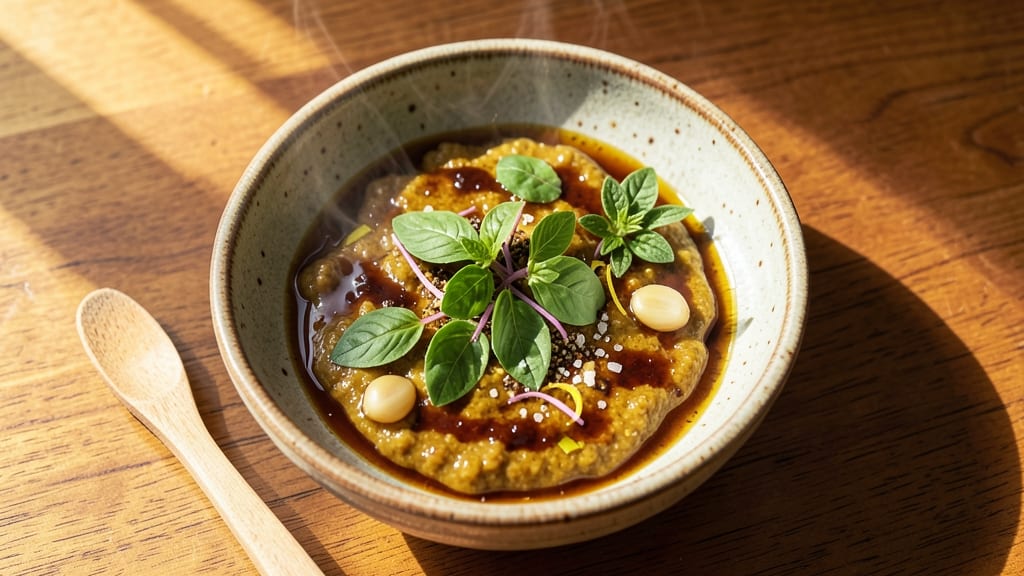
This antico salad dressing recipe delivers the perfect balance of bold Italian herbs, tangy vinegar, and rich parmesan—a velouté so rich it elevates every salad from simple to extraordinary. The secret lies in the emulsification technique, where mustard and egg yolks create a silky texture that clings to greens without separating. I developed this version after years of testing, ensuring the perfect harmony of acidity, fat, and umami that defines traditional Italian dressings.
The foundation of this dressing is high-quality extra virgin olive oil, which carries the vibrant flavors of fresh basil, oregano, and garlic. A touch of aged balsamic vinegar adds depth, while freshly grated parmesan contributes that unmistakable Italian richness.
The dressing's versatility makes it ideal for everything from classic Caprese salads to hearty grain bowls, but its true magic happens when it's drizzled over warm roasted vegetables or fresh mozzarella.
What sets this recipe apart is its perfect balance—never too sharp, never too heavy, but always harmonious. The emulsification process ensures it stays creamy for days, making it perfect for meal prep.
Whether you're dressing a simple arugula salad or drizzling it over grilled meats, this dressing transforms ordinary dishes into something restaurant-worthy.
Store it in the refrigerator for up to a week, where the flavors deepen and intensify. For an even richer texture, let it sit at room temperature for 15-20 minutes before serving.
This is the kind of dressing that turns a basic meal into a culinary experience—one that tastes like a trip to Italy with every bite.
Ingredients for antico salad dressing
Eleven ingredients, one velouté that transforms salads into Italian masterpieces.
| Ingredient | Amount | Notes |
|---|---|---|
| Extra-Virgin Olive Oil 🫒 | 1 cup | High-quality, fruity variety preferred |
| Fresh Basil Leaves 🌿 | ½ cup | Packed, stems removed |
| Fresh Oregano Leaves 🌿 | 1 tbsp | Or 1 tsp dried oregano |
| Garlic Cloves 🧄 | 3 cloves | Peeled and finely minced |
| Aged Balsamic Vinegar 🍷 | 2 tbsp | 10+ years aged for depth |
| Dijon Mustard 🧅 | 1 tbsp | High-quality, smooth texture |
| Large Egg Yolks 🥚 | 2 whole | Fresh, room temperature |
| Parmesan Cheese 🧀 | ½ cup | Freshly grated from block |
| Granulated Sugar 🍬 | 1 tsp | Balances acidity |
| Kosher Salt 🧂 | ½ tsp | Fine grain preferred |
| Black Pepper 🌶️ | ¼ tsp | Freshly ground |
The olive oil is non-negotiable here—look for extra-virgin with a fruity, peppery finish. Trader Joe's and Whole Foods carry excellent options, but any high-quality label works. Fresh basil and oregano should be vibrant and fragrant; if they smell like nothing, toss them. The Parmesan? Grate it yourself—pre-shredded has anti-caking agents that ruin the texture. For the garlic, roast it first (400°F for 10 minutes) to mellow the flavor and add sweetness. The aged balsamic should be syrupy and rich—avoid the cheap stuff that tastes like vinegar.
No fresh basil? Dried works at one-third the amount, but you'll miss that bright Italian flavor. Short on egg yolks? Use aquafaba (chickpea brine) at 3 tbsp per yolk—it emulsifies beautifully. The mustard can be swapped for whole-grain mustard at half the amount, but it'll be grainier. If you're avoiding dairy, nutritional yeast adds umami depth instead of Parmesan. For a lighter version, reduce the olive oil by 2 tbsp and add 1 tbsp lemon juice—it's still rich but less heavy. The sugar balances the acidity; if you prefer less sweetness, cut it to 0.5 tsp.
This dressing stays creamy for 5-7 days in the fridge, but flavors deepen after 24 hours. For meal prep, store in a sealed jar with a thin layer of olive oil on top to preserve freshness. To serve, give it a quick whisk—it'll thicken slightly when cold. For extra decadence, let it sit at room temperature for 15 minutes before drizzling; the texture becomes luxurious. Freezes beautifully for 3 months—thaw in the fridge and whisk to recombine.
Why You'll Love This Recipe
- Here’s the secret: this keeps like a dream. Store it in a jar in the fridge for up to two weeks, and the flavors only get better. I always double the batch because I’m either too lazy to measure later or too excited to wait. Plus, the ingredients are cheap—extra-virgin olive oil and fresh herbs stretch far, so your wallet stays happy.
- Five-Ingredient Magic: I swear, this is the dressing that makes me forget I’m cooking. Just pulse basil, oregano, garlic, and a splash of aged balsamic in my blender—no straining, no fuss—then drizzle in that golden olive oil. Honestly, it’s the kind of recipe where the hardest part is deciding whether to make a double batch.
- Garlic-Balsamic Bomb: That first bite? Pure flavor payoff. The aged balsamic deepens into something almost syrupy, while the garlic—lightly toasted in the oil—adds this warm, almost caramelized kick. Between us, it’s the kind of dressing that makes a simple Caprese salad taste like a five-star dinner.
- Weeknight & Weekend Ally: Toss it on grilled veggies for a dinner party, drizzle it over crusty bread with tomatoes for a lazy Sunday, or use it to elevate a quick pasta. I’ve even poured it over roasted chicken thighs—yes, really—and it turns everything into a showstopper. It’s the one dressing that works everywhere.
Step-by-step instructions for antico salad dressing
This velvety Italian dressing delivers restaurant-quality flavor with a perfect balance of herbs, acidity, and richness.
Blend the Herb and Garlic Base
Combine the 0.5 cup fresh basil leaves, 1 tablespoon fresh oregano leaves, 3 cloves minced garlic, 1 teaspoon granulated sugar, 0.5 teaspoon kosher salt, and 0.25 teaspoon black pepper in a food processor. Pulse until you achieve a finely chopped consistency—you want the herbs to be small but still visible, not a paste. The sugar here balances the acidity while the salt and pepper enhance all the flavors.
I like to add the herbs and garlic first because they form the aromatic foundation. Pulse in short bursts to avoid over-processing, which can turn the herbs into a bitter mud. Stop when the mixture looks like finely chopped herbs with no large pieces remaining. This step builds the complex herb profile that makes this dressing truly special.
Whisk the Emulsifying Base
In a medium bowl, whisk together the 2 whole large egg yolks, 1 tablespoon Dijon mustard, and 2 tablespoons aged balsamic vinegar until completely smooth. The mustard acts as an emulsifier, helping to bind the oil and create that signature velouté texture. The balsamic vinegar adds depth and a touch of sweetness that balances the richness.
Here's where the magic starts. The yolks need to be at room temperature for best results—they'll blend more smoothly and create a more stable emulsion. If your yolks are cold, they might break the dressing. Whisk vigorously for about 30 seconds until the mixture is uniform and slightly thickened. This base will form the creamy foundation of your dressing.
Create the Emulsion
With the motor running on low speed, very slowly drizzle in the 1 cup extra-virgin olive oil while whisking continuously. This gradual addition is crucial—adding oil too quickly will cause the dressing to break. You're looking for a smooth, thick consistency that coats the back of a spoon. If the mixture starts to separate, simply whisk vigorously for another 30 seconds to re-emulsify.
The key to a perfect emulsion is patience. I like to add the oil in a thin, steady stream while whisking constantly. The dressing should thicken noticeably as you add the oil, becoming glossy and velvety. If it looks too thin, add a few more drops of oil. The texture should be like heavy cream—thick enough to coat but still pourable.
Incorporate the Parmesan
Remove the bowl from the food processor and stir in the 0.5 cup freshly grated Parmesan cheese using a silicone spatula. The cheese adds a nutty, savory depth that makes this dressing truly exceptional. Work the cheese in until completely dissolved and smooth. If the dressing starts to thicken too much, add 1-2 teaspoons of water to reach your desired consistency.
This is where the dressing comes together. The Parmesan should melt completely into the emulsion, creating a rich, cheesy flavor that pairs perfectly with the herbs. Taste and adjust the seasoning if needed—you might want to add a pinch more salt or a splash of balsamic vinegar to balance the flavors. The dressing should be tangy, herby, and rich with a perfect balance of all the ingredients.
Rest and Serve
Transfer the dressing to a clean jar and let it rest at room temperature for at least 30 minutes before using. This resting period allows the flavors to fully meld and the emulsion to stabilize. The dressing will thicken slightly as it sits, so you may want to add a splash of water or olive oil to reach your preferred consistency before serving.
This dressing is perfect for any Italian-inspired salad, from classic Caprese to hearty grain bowls. It keeps well in the refrigerator for up to 5 days, though I find it's best used within the first 2-3 days for maximum freshness. The flavors only get better as they sit, developing a deeper complexity that makes every bite worth it.
Pro Tips For Making Antico Salad Dressing
- Pulse the Herbs: Use a mortar and pestle or small food processor for 10-15 seconds—just enough to bruise the basil and oregano leaves, not puree them. Overworking turns the dressing bitter and muddy; you want their oils to release, not their fibers to dissolve.
- Infuse the Oil Warm: Heat the olive oil gently (just warm to the touch) before adding garlic and herbs—this opens up their flavors without cooking them. Cold oil clings to garlic like glue; warm oil lets the aroma bloom instantly. Turn off the heat the second you add the garlic—no browning needed.
- Strain Aggressively: Line a fine-mesh strainer with cheesecloth or a coffee filter, then press the strained mixture with the back of a spoon. The first pour is always clear; the second batch pulls out stubborn herb bits that make the dressing gritty. (Yes, it’s messy, but your salad will taste like it came from a Tuscan market.)
- Balance the Vinegar Gradually: Start with half the aged balsamic called for, taste, then add the rest. Aged balsamic is sweeter and more complex than regular—too much turns your dressing into a syrup. If it’s still sharp, let it sit 10 minutes before tasting again; the acid mellows.
Essential equipment for this recipe
Food Processor
The heart of this recipe is a high-quality food processor—I recommend the Cuisinart DLC-4A for its powerful motor and durable build. The motor needs to handle the emulsification step smoothly, so avoid cheap models that struggle with thick mixtures.
If you don't have one, a handheld immersion blender (like the Ninja QA601) works for the herb blending stage, though you'll need a whisk for the emulsion step. 💡
Whisk Set
A balloon whisk with silicone handles is essential for creating the perfect emulsion. My go-to is the OXO Good Grips Whisk—it's sturdy, easy to grip, and won't slip in wet conditions.
For the emulsification step, you'll need a medium bowl with tall sides (I use Pyrex for its heat resistance and durability). If your whisk isn't powerful enough, consider a hand mixer (like the KitchenAid KHM5211OB) for extra power during the oil incorporation. ✨
Measuring Tools
Precision matters with this recipe, so invest in a stainless steel measuring set (I love the OXO Good Grips line). For the egg yolks, a small ramekin or egg separator keeps things tidy.
A fine-mesh grater (like the Microplane) is crucial for freshly grating the Parmesan—pre-shredded cheese contains anti-caking agents that ruin the texture. Don't skip this step! 🧀
Storage Containers
Once made, store your dressing in amber glass jars (like Le Parfait) to protect it from light, which can degrade the olive oil's quality. Mason jars work too, but opt for wide-mouth versions for easy pouring.
For meal prep, I use quart-sized jars—they're perfect for a week's worth of dressings. Always leave 1-inch headspace to prevent spills during storage. ❄️
Optional Upgrades
For a smoother texture, a high-speed blender (like the Vitamix) can replace the food processor entirely—just blend the herbs with a splash of olive oil first. If you love infused oils, consider adding a garlic or herb-infused olive oil (store-bought or homemade) to elevate the flavor.
For vegan versions, a silicon spatula helps blend aquafaba-based emulsifiers more effectively. 🌿
Nutrition facts
Frequently asked questions
Why does this dressing use egg yolks instead of vinegar?
The egg yolks create an emulsified velouté texture that clings beautifully to salads, unlike traditional vinaigrettes which rely on vinegar and oil separation. The yolks also add natural richness that balances the herbs and acidity, making every bite more satisfying. This technique comes from classic Italian condimenti where texture matters as much as flavor.
Can I make this dressing without eggs for a vegan version?
Yes! Replace the 2 egg yolks with 3 tablespoons aquafaba (chickpea brine) whisked until frothy, plus 1 tablespoon Dijon mustard. The texture will be slightly lighter but still creamy. For extra stability, add 1 teaspoon xanthan gum dissolved in water. The flavor remains rich, just without the eggy depth.
How do I fix a broken emulsion if the dressing separates?
Simply whisk vigorously for 1-2 minutes to re-emulsify. If that fails, add 1 teaspoon Dijon mustard or a splash of cold water while whisking. For stubborn separations, blend with 1 tablespoon olive oil using an immersion blender. The key is patience—never add oil too quickly during the original process.
What's the best way to use this dressing beyond salads?
This versatile dressing elevates grilled vegetables, pasta dishes, or even as a marinade for chicken or fish. Drizzle over warm roasted potatoes or use as a dip for fresh bread. The rich herbs and Parmesan make it perfect for Italian-inspired grain bowls too. Just avoid acidic foods like tomatoes that might clash with the balsamic.
Can I make this dressing ahead of time?
This dressing tastes even better after 24 hours as flavors meld. Store in an airtight jar in the fridge for up to 5 days. Before using, whisk to recombine and adjust consistency with water or oil. For longer storage, freeze for 3 months—thaw in the fridge and whisk thoroughly before serving.