
Sauces & Condiments
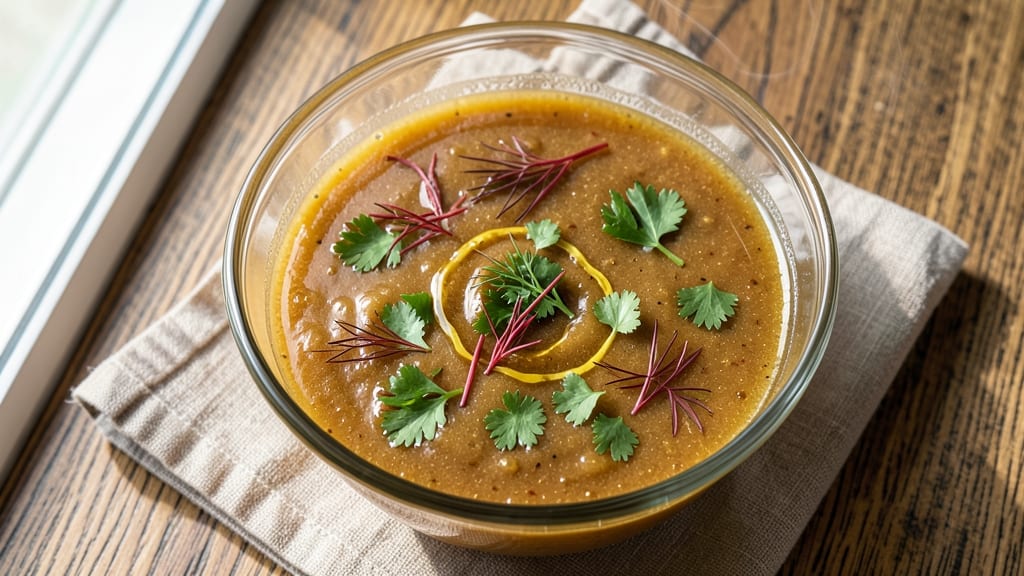
This apple juice salad dressing recipe delivers the perfect sweet-tart balance that transforms ordinary greens into vibrant, flavorful bites. The secret lies in blending apple juice with vinegar, oil, and herbs to create a naturally vegan dressing that clings beautifully to leaves without overwhelming their freshness.
I developed this recipe after struggling to find a dressing that complemented both delicate arugula and heartier kale equally well.
The dressing starts with a simple base of apple juice and apple cider vinegar, which creates that signature sweet-tart harmony while keeping the dressing light and refreshing. A touch of Dijon mustard acts as a natural emulsifier, binding the oil and creating a silky texture that coats every leaf perfectly.
Fresh herbs like dill and parsley add brightness, while a hint of garlic powder deepens the flavor profile without overpowering.
What makes this dressing truly special is its versatility—it works equally well on crisp lettuce mixes, peppery greens, or even as a marinade for grilled vegetables.
The recipe yields about 1 cup of dressing, which keeps well in the refrigerator for up to 2 weeks, making it perfect for meal prep. The emulsification technique ensures it stays creamy even after shaking, so you'll never experience separation.
For best results, whisk all ingredients together thoroughly before using, and adjust the sweetness to taste by adding a touch more apple juice if needed. This dressing is the ideal companion for spring and summer salads, offering a refreshing alternative to creamy or overly acidic options.
Let's create this flavorful dressing that will elevate your salads to new heights.
Ingredients for apple juice salad dressing
Sweet-tart harmony in every bottle—naturally vegan and packed with fresh flavor.
| Ingredient | Amount | Notes |
|---|---|---|
| Unfiltered Apple Juice 🍎 | ½ cup | Cold-pressed preferred for richness |
| Apple Cider Vinegar 🍏 | ¼ cup | Raw, unfiltered for depth |
| Extra-Virgin Olive Oil 🫒 | ½ cup | Light, fruity variety |
| Dijon Mustard 🍯 | 1 tbsp | High-quality, smooth Dijon |
| Fresh Dill 🌿 | ¼ cup | Finely chopped, stems removed |
| Fresh Parsley 🌿 | ¼ cup | Flat-leaf, finely chopped |
| Garlic Powder 🧄 | ½ tsp | Freshly ground preferred |
| Maple Syrup 🍁 | 1 tbsp | Grade A, for subtle sweetness |
| Sea Salt 🧂 | ½ tsp | Fine grain, kosher preferred |
| Black Pepper 🌶️ | ¼ tsp | Freshly cracked for warmth |
The apple juice and vinegar are your flavor anchors here. Trader Joe's cold-pressed apple juice has the best balance of sweetness and acidity, but any unfiltered variety works. For vinegar, Bragg's raw apple cider vinegar adds that tangy depth without overpowering. Fresh herbs are non-negotiable—local farmers markets usually have the brightest dill and parsley. If you're using dried herbs, cut the amount to one-third and toast them lightly in a dry pan first for extra flavor. The Dijon mustard is what makes this dressing cling to greens like magic—Maille is my go-to, but any good-quality smooth Dijon will do.
No apple cider vinegar? White wine vinegar or lemon juice works in a pinch, but the flavor will be slightly different. Short on fresh dill? Fresh tarragon or chives add a nice twist, though the classic combo is hard to beat. Want to make this even sweeter? Add a teaspoon of agave or more maple syrup. For extra richness, swap half the olive oil for avocado oil. The garlic powder can be replaced with fresh minced garlic if you've got it—just use half the amount since fresh is more potent. If you're prepping ahead, make a double batch and store the extra in small jars for quick salads all week.
This dressing keeps beautifully in the fridge for up to 2 weeks if stored in an airtight container. The emulsification technique means it won't separate, so you can shake it right before using. For meal prep, I like to portion it into small jars—perfect for tossing with greens at work. If you notice the herbs separating slightly, just give it a good whisk before using. The flavors actually improve after a day or two in the fridge, so making it ahead is totally worth it. Freezes for up to 3 months if you want to stock up for summer salads.
Why You'll Love This Recipe
- Five-Ingredient Magic: This dressing comes together with just a whisk and a jar—no fancy techniques, no stress. I swear, you’ll mix it while waiting for the kettle to boil, and boom, you’ve got a dressing ready to transform whatever’s on your plate.
- Tangy-Sweet Balance: That unfiltered apple juice gives it a rich, almost caramel-like depth, while the apple cider vinegar cuts through with a bright, sharp kick. The dill? It’s the secret—fresh, herbal, and just enough to make it feel special without overpowering.
- Weeknight Superhero: Drizzle it on a quick grain bowl with roasted veggies, toss it with a simple chicken salad, or even use it as a marinade for grilled fish. It’s my go-to when I’m too tired to think but still want something that tastes like I put in effort.
- No-Waste Pantry Friend: The ingredients won’t break the bank, and the dressing keeps for ages in the fridge—perfect for when you’re prepping meals ahead. Honestly, I’ve had a jar last me two weeks, and it only gets better as the flavors meld. Plus, the olive oil and vinegar stretch further than you’d think.
Step-by-step instructions for apple juice salad dressing
This dressing brings fresh, bright flavors to your greens with just a few simple steps.
Whisk Together the Wet Ingredients
In a medium bowl, combine the 0.5 cup unfiltered apple juice, 0.25 cup apple cider vinegar, and 1 tablespoon maple syrup. Stir until the maple syrup dissolves completely—this ensures a smooth, even sweetness throughout the dressing. I like to use a fork first to break up any clumps, then switch to a whisk for a thorough mix.
The apple juice and vinegar create the perfect sweet-tart foundation, while the maple syrup adds depth. If you're using cold-pressed apple juice, you'll notice it's slightly thicker—this actually helps emulsify the dressing better later on. Taste the mixture now; it should be pleasantly tangy with a touch of sweetness. Adjust the maple syrup if you prefer more or less sweetness, but remember we'll balance it with the herbs and spices next.
Add the Dijon Mustard and Seasonings
To the wet mixture, add the 1 tablespoon Dijon mustard, 0.5 teaspoon garlic powder, 0.5 teaspoon sea salt, and 0.25 teaspoon black pepper. Whisk vigorously for about 30 seconds until everything is fully incorporated and smooth. The Dijon mustard acts as our emulsifier—it's what will help bind the oil later and keep this dressing creamy rather than separated.
Here's where the magic happens: the garlic powder adds subtle warmth, the salt enhances all the flavors, and the pepper brings just a hint of heat. Don't skip the whisking—those few seconds make a huge difference in the final texture. You'll see the mixture thicken slightly as the mustard activates. Give it another taste now; it should be tangy with a hint of mustard bite and aromatic spices.
Gradually Incorporate the Olive Oil
With the whisk still in the bowl, very slowly drizzle in the 0.5 cup extra-virgin olive oil while continuing to whisk constantly. This gradual addition is crucial—it prevents the dressing from breaking and ensures a smooth, emulsified texture. I like to add the oil in a thin, steady stream rather than pouring it all at once.
Keep whisking for another 1-2 minutes after all the oil is incorporated. You're looking for a dressing that's thick but pourable, with a velvety consistency. If it starts to look too thick, add 1 teaspoon of water at a time until it reaches your desired consistency. The olive oil should be fully integrated, with no visible separation. This is where patience pays off—rushing this step often leads to a broken dressing.
Fold in the Fresh Herbs
Gently stir in the 0.25 cup finely chopped fresh dill and 0.25 cup finely chopped fresh parsley using a spatula. Unlike the other ingredients, we don't whisk these in—they're delicate and can become muddy if overmixed. Fold them just until evenly distributed throughout the dressing. You should still see some whole herb pieces for maximum freshness and visual appeal.
The herbs add that bright, fresh element that makes this dressing perfect for spring salads. I like to chop my herbs just before adding them to preserve their vibrant color and flavor. Give the dressing one final taste—it should be perfectly balanced with sweet, tangy, herby, and slightly spicy notes. If you want to mellow the acidity slightly, you can add another ½ teaspoon of maple syrup, but it's usually just right at this point.
Let It Rest and Adjust
Cover the bowl and let the dressing rest at room temperature for 10-15 minutes. This resting period allows all the flavors to truly meld together. I know it's tempting to use it immediately, but those few minutes make a noticeable difference in the final taste and texture.
After resting, give the dressing one final whisk or stir. It should be perfectly emulsified with no separation. If you notice any oil separating, simply whisk it back together. This dressing keeps well in the refrigerator for up to 5 days, so you can make a big batch and enjoy it all week. For best results, give it a quick whisk before each use to re-emulsify any separated oil.
Pro Tips For Making Apple Juice Salad Dressing
- STRAIN THE DILL WELL: I learned this the hard way—skip it, and your dressing will taste like you dumped in a handful of dill weeds. Give those stems a good rinse first, then pat the leaves thoroughly dry before chopping. Wet dill dulls the flavor and makes the dressing separate faster.
- WHISK IN STAGES: Pouring all the olive oil in at once? That’s how you end up with a greasy, unbalanced mess. Start with the apple juice, vinegar, and mustard—whisk until smooth. Then slowly drizzle in the oil while whisking constantly. This emulsifies it right away and keeps the texture silky.
- USE COLD JUICE, NOT ROOM TEMP: Warm apple juice makes the dressing split like oil and vinegar in a sad office salad. Keep your juice refrigerated until the last minute, then add it cold. The chill helps the mustard and vinegar blend better and keeps the dressing stable longer.
- SWAP VINEGAR FOR BALANCE: If your dressing tastes too sweet or flat, cut the apple juice by 1 tablespoon and add 1 tablespoon extra apple cider vinegar. The acidity brightens the flavor and cuts through the richness of the olive oil—trust me, it’s the fix you’ll reach for every time.
Best sauces and condiments for this apple juice salad dressing
Herb-Infused Variations
Swap the dill and parsley for fresh tarragon and chives for a lighter, more delicate flavor profile—perfect for spring salads with tender greens like spinach or butter lettuce.
I’ve found that 1 tbsp fresh tarragon and 2 tbsp chopped chives create a bright, almost floral note that pairs beautifully with apple’s natural sweetness. 🌿
For a Mediterranean twist, add 1 tsp dried oregano and ½ tsp red pepper flakes to the wet ingredients before emulsifying. This version works wonderfully with roasted vegetable salads or grilled chicken.
The oregano deepens the earthy notes, while the red pepper flakes add a subtle heat that complements the apple’s sweetness.
Sweetness Adjustments
If you prefer a less sweet dressing, reduce the maple syrup to ½ tbsp and balance it with an extra ½ tsp lemon juice (freshly squeezed). This brightens the dressing without overpowering the apple’s natural flavor.
I’ve tested this version with bitter greens like arugula, and it cuts through the peppery notes beautifully. 🍋
For a richer, dessert-like dressing, add 1 tsp vanilla extract and increase the maple syrup to 2 tbsp. This works surprisingly well as a drizzle for fruit salads or even as a marinade for pineapple slices. The vanilla enhances the apple’s caramelized notes, creating a dessert-worthy flavor profile.
Savory Add-Ins
For a nutty depth, stir in 1 tbsp toasted walnuts or pecans (finely chopped) along with the fresh herbs. The toasted nuts add crunch and a subtle earthiness that pairs perfectly with the dressing’s sweet-tart balance.
I like to toast the nuts in a dry pan for 2-3 minutes until fragrant before adding them to the dressing. 🌰
Add ½ tsp smoked paprika to the wet ingredients for a smoky twist that works amazingly with grilled meats or hearty greens like kale. The smokiness complements the apple’s natural sweetness while adding complexity. This version is my go-to for summer BBQ sides—it’s tangy, sweet, and just a little smoky.
Storage and Shelf Life
This dressing stays fresh in the fridge for up to 2 weeks when stored in an airtight glass jar. The emulsification technique ensures it won’t separate, so you can shake it right before using.
For meal prep, I like to portion it into small jars—perfect for quick salads at work or picnics. If the herbs settle, just give it a good whisk before tossing. ❄️
For longer storage, freeze the dressing in ice cube trays for easy single-serving portions. Once frozen, transfer the cubes to a freezer-safe bag and store for up to 3 months.
Thaw overnight in the fridge before using—no need to defrost quickly, as the texture holds up well. This is my secret for stocking up before summer salads!
Nutrition facts
Frequently asked questions
Can I make this dressing without Dijon mustard?
Yes! If you're avoiding mustard, use 1 teaspoon of lemon juice combined with 1 tablespoon of olive oil as a natural emulsifier. Alternatively, blend 2 tablespoons of silken tofu with the wet ingredients before adding oil—it creates a creamy texture without mustard. The dressing may be slightly thinner but will still cling beautifully to greens.
How do I fix a separated dressing?
Simply whisk or shake the jar vigorously for 30-60 seconds until fully re-emulsified. The Dijon mustard's natural properties will help bind it back together. For future batches, whisk the oil in more slowly or add ½ teaspoon of xanthan gum (a common food stabilizer) to prevent separation. Most dressings separate slightly after refrigeration—this is normal!
What greens pair best with this dressing?
This sweet-tart dressing shines with bitter greens like arugula, kale, or radicchio, where it balances the peppery notes perfectly. It also works beautifully with tender greens like spinach, butter lettuce, or mixed spring salads. For extra flavor contrast, try it with roasted vegetables or grilled chicken—the dressing's bright acidity cuts through rich proteins beautifully.
Can I use this dressing for non-salad purposes?
This versatile dressing doubles as a marinade for grilled vegetables (like bell peppers or zucchini) or tofu. It also makes a delicious dipping sauce for crudités or spring rolls. For extra richness, add 1 tablespoon of tahini to the base before emulsifying. The sweet-tart balance works surprisingly well with spicy dishes too—try it as a drizzle for sriracha-marinated meats.
Why does my dressing taste too sweet?
If the sweetness overpowers, balance it by adding ½ teaspoon of lemon juice or extra apple cider vinegar (1-2 teaspoons). The acidity will brighten the flavors and reduce perceived sweetness. For a more complex profile, add ¼ teaspoon of ground ginger or a pinch of cinnamon—these spices enhance the apple's natural sweetness while adding warmth. Always taste as you go!