
Sauces & Condiments
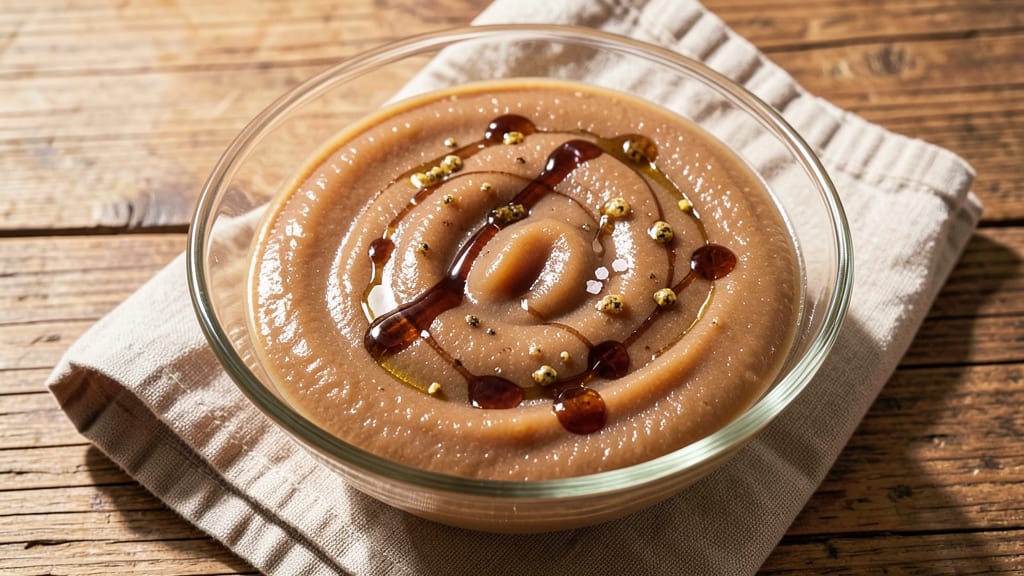
This applesauce salad dressing recipe transforms simple ingredients into a velvety, sweet-tart dressing that elevates every green salad. The secret lies in balancing applesauce’s natural sweetness with tangy vinegar and a touch of mustard for depth—no cooking required.
I developed this recipe after craving a dressing that paired perfectly with crisp greens without overpowering their freshness.
The beauty of this dressing is its simplicity: just blend applesauce, apple cider vinegar, olive oil, Dijon mustard, and a pinch of salt. The result is a creamy, slightly sweet dressing with a bright tang that clings beautifully to lettuce, kale, or even roasted vegetables.
It’s vegan, naturally gluten-free, and ready in just 5 minutes—no emulsifiers or fancy techniques needed.
What makes this dressing truly special is its versatility. Drizzle it over hearty salads like kale and quinoa, use it as a dip for crudités, or even toss it with grilled chicken for a sweet-savory twist.
The applesauce keeps it luscious, while the vinegar and mustard ensure it’s never cloying. Store it in the fridge for up to a week, where the flavors deepen over time.
For extra richness, stir in a spoonful of tahini or add fresh herbs like dill or parsley before serving. This dressing is proof that plant-based doesn’t mean bland—it’s a game-changer for anyone looking to brighten up their meals with natural sweetness and zesty contrast.
Ingredients for applesauce salad dressing
Five core ingredients blend into this velvety dressing, where applesauce’s sweetness meets vinegar’s tang.
| Ingredient | Amount | Notes |
|---|---|---|
| Unsweetened Applesauce 🍎 | ½ cup | Smooth, unsweetened variety preferred |
| Apple Cider Vinegar 🍏 | ¼ cup | Raw, unfiltered for best flavor |
| Extra-Virgin Olive Oil 🫒 | ½ cup | High-quality, fruity variety |
| Dijon Mustard 🌶️ | 1 tbsp | Mellow, not spicy |
| Pure Maple Syrup 🍁 | 1 tbsp | Grade B for depth of flavor |
| Diamond Crystal Kosher Salt 🧂 | ¼ tsp | Fine grain preferred |
| Fresh Lemon Juice 🍋 | 1 tbsp | Freshly squeezed preferred |
| Tahini 🥜 | 1 tbsp | Optional for extra richness |
| Fresh Dill 🌿 | 1 tbsp | Chopped, optional garnish |
The applesauce sets the foundation—opt for unsweetened varieties like Mott’s or Whole Foods 365 for consistent sweetness without added sugars. Apple cider vinegar should be raw and unfiltered; Bragg’s or Texas Caveman brands deliver robust flavor. For the olive oil, California Olive Ranch or Colavita provide the fruity notes that elevate this dressing. Dijon mustard matters here: Maille is ideal, but French’s works in a pinch. The maple syrup should be Grade B for its caramel undertones—New England Maple or Log Cabin are reliable choices. Fresh lemon juice brightens the dressing, so avoid bottled versions unless absolutely necessary.
No applesauce? Unsweetened applesauce pouches (like those from Trader Joe’s) work in a pinch. Substitute apple cider vinegar with white wine vinegar at the same ratio, though the flavor profile will differ slightly. For those avoiding mustard, 1 tsp honey (or maple syrup) can replace it, though the texture will be slightly less emulsified. Swap tahini for almond butter if needed, though the flavor will be nuttier. Fresh herbs like dill or parsley can be omitted entirely if unavailable, but they add a lovely aromatic finish. The dressing’s balance relies on these core ingredients—adjust sweetness or tang to taste, but maintain the 1:1 ratio between applesauce and vinegar for optimal texture.
Store this dressing in an airtight container in the refrigerator for up to 7 days, where flavors meld beautifully. For longer storage, transfer to a sterile jar and freeze for up to 3 months—thaw overnight in the fridge before use. The dressing thickens slightly when chilled, so stir vigorously before each use. For extra richness, whisk in 1 tbsp tahini just before serving. This dressing pairs exceptionally well with kale salads, roasted Brussels sprouts, or grilled chicken—its versatility makes it a pantry staple worth repeating.
Why You'll Love This Recipe
- Five-Ingredient Magic: I swear by this—just whisk together applesauce, vinegar, olive oil, mustard, and a drizzle of maple syrup. No blending, no straining, no stress. The applesauce thickens it naturally, so it clings to greens like a dream without turning watery.
- Sweet-Tart Bite: That maple syrup and apple cider vinegar combo? It’s like autumn in a jar—bright, tangy, and just enough sweetness to make every bite sing. The Dijon mustard adds a little kick, so it’s never boring.
- Salad’s New Best Friend: Drizzle it over kale salads, toss it with roasted sweet potatoes, or even use it as a dip for crudités. Honestly, I’ve used it in place of vinaigrette for everything—it’s that versatile. Even my picky-eater husband asks for seconds.
- No-Waste Pantry Hero: I keep a jar of this in my fridge at all times. The applesauce and maple syrup last forever, and the vinegar and oil are staples. It’s cheap to make, lasts for weeks, and I never have to buy dressing again—just stir and go.
Step-by-step instructions for applesauce salad dressing
This dressing balances sweet and tart with a velvety texture perfect for crisp greens.
Whisk Together the Sweet Components
In a medium bowl, combine the 0.5 cup unsweetened applesauce, 1 tablespoon pure maple syrup, and 1 tablespoon fresh lemon juice. Use a whisk to blend until smooth and fully integrated. The applesauce should create a thick, slightly syrupy base—this is the foundation of your dressing's sweet-tart balance.
I like to press the applesauce through a fine-mesh sieve if it has any lumps, ensuring a silky texture. This step prevents graininess in the final dressing. The maple syrup and lemon juice should dissolve completely, creating a cohesive mixture with a vibrant, golden hue.
Incorporate the Acidic and Emulsifying Agents
Add the 0.25 cup apple cider vinegar and 1 tablespoon Dijon mustard to the bowl. Whisk vigorously for 30 seconds until the vinegar is fully incorporated and the mustard is completely dissolved. The vinegar will brighten the flavor profile, while the mustard adds depth and helps emulsify the oil later.
This is where the dressing starts to develop its signature tang. The mustard also acts as a natural emulsifier, preventing the oil from separating. If you notice any streaks of mustard, whisk a bit longer—it should blend seamlessly into the mixture.
Gradually Add the Olive Oil for Emulsion
With the whisk still in the bowl, slowly drizzle in the 0.5 cup extra-virgin olive oil while whisking continuously. Start with a few drops, then gradually increase the flow as the dressing begins to thicken. This slow addition is critical—it allows the oil to bind with the other ingredients, creating a stable emulsion.
The dressing will transform from a thick paste to a creamy, pourable consistency. Keep whisking for another 1-2 minutes after all the oil is added to ensure a smooth, velvety texture. If the dressing starts to look too thick, add 1 teaspoon water at a time until it reaches your desired consistency.
Season and Finish with Tahini and Dill
Add the 0.25 teaspoon Diamond Crystal kosher salt, 1 tablespoon tahini, and 1 tablespoon fresh dill. Whisk until the tahini is fully incorporated and the dill is evenly distributed. The tahini adds a nutty richness, while the dill introduces a fresh herbal note that complements the sweetness.
Taste the dressing and adjust the seasoning if needed. If it tastes too sweet, add a splash more apple cider vinegar. If it needs more depth, a pinch of salt or another drizzle of tahini can elevate the flavor. The dressing should be balanced—sweet, tangy, and slightly nutty with a bright finish.
Rest and Adjust Consistency
Let the dressing sit at room temperature for 10-15 minutes before using. This resting period allows the flavors to meld and the emulsion to stabilize. After resting, give it one final stir and check the consistency. If it has thickened too much, thin it with 1-2 teaspoons of water or additional apple cider vinegar.
The dressing is now ready to use. It pairs beautifully with crisp greens like arugula or romaine, adding a refreshing sweet-tart contrast. Store any leftovers in an airtight container in the refrigerator for up to 1 week, shaking well before each use.
Pro Tips For Making Applesauce Salad Dressing
- STIR WELL AFTER EACH ADDITION: I learned this the hard way—adding Dijon mustard to applesauce without stirring first makes a lumpy mess. Whisk in the mustard first, then slowly drizzle in the olive oil while stirring constantly. The applesauce’s natural pectin thickens when disturbed, so don’t rush this step.
- USE COLD APPLESAUCE: Straight from the fridge, unsweetened applesauce blends smoother and keeps the dressing from separating later. Warm applesauce thins the mixture and can make the dressing taste dull—skip the fridge-to-counter wait and go straight to the bowl.
- MEASURE THE VINEGAR LAST: Apple cider vinegar’s acidity cuts through the sweetness, but adding it too early can break down the Dijon’s texture. Hold off until you’ve mixed everything else, then taste and adjust—this keeps the mustard’s grain intact and the dressing balanced.
- SWAP MAPLE FOR HONEY (IF NEEDED): Pure maple syrup adds depth, but if you’re in a pinch, high-quality honey works just as well. Use a 1:1 ratio, but warm the honey slightly first—it pours smoother and blends faster into the applesauce base. (Yes, even if you’re impatient like me.)
Flavor customization for these flavors
Sweet-Tart Balance
Adjust the sweetness by swapping maple syrup for agave nectar or honey—each adds a distinct depth. For extra tang, increase apple cider vinegar by 1 tbsp or add 1 tsp lemon juice.
I often tweak the ratio to 1:1.25 (applesauce to vinegar) for a sharper finish when pairing with bitter greens like radicchio. 🍏
Spiced Variations
Infuse warmth by adding ½ tsp cinnamon or ¼ tsp smoked paprika directly to the applesauce before blending. For a ginger kick, mix in ½ tsp fresh grated ginger—it brightens the dressing and pairs wonderfully with roasted carrots or beets.
Always whisk spices into the applesauce first to ensure even distribution. 🌶️
Herbal Twists
Swap dill for chives or tarragon for a more delicate herbal note. For a Mediterranean touch, add 1 tbsp finely chopped fresh basil or mint—both work beautifully with summer salads.
I recommend using 2 tbsp herbs total to avoid overpowering the sweet-tart base. Fresh herbs should be added just before serving to preserve their aroma. 🌿
Creamy Enhancements
For a richer texture, replace tahini with 1 tbsp Greek yogurt (if not vegan) or silken tofu purée. The yogurt adds tangy creaminess, while tofu keeps it plant-based. Stir in ½ tsp vanilla extract for a dessert-like dressing that works surprisingly well with fruit salads or grilled peaches. 🥛
Global Flavors
Transform this dressing into a Middle Eastern-inspired version by adding 1 tsp ground cumin and ½ tsp sumac. For an Asian twist, replace maple syrup with 1 tbsp rice vinegar and add 1 tsp sesame oil—this pairs perfectly with cucumber or edamame salads.
Always balance global spices with the original sweet-tart foundation. 🌍
Seasonal Adjustments
In fall, boost sweetness with 1 tsp pumpkin puree and a pinch of nutmeg. For spring, lighten it with 1 tbsp orange juice and zest—this brightens the dressing and complements citrusy salads.
Winter calls for extra warmth: add ½ tsp allspice or clove to complement hearty winter greens. 🍂
Nutrition facts
Frequently asked questions
Can I make this dressing without applesauce?
Yes! For a similar texture, substitute applesauce with ½ cup unsweetened coconut yogurt or ¼ cup mashed ripe banana. Both add natural sweetness and creaminess, though the flavor will shift slightly. If you prefer a tangier base, try ¼ cup plain Greek yogurt mixed with 1 tbsp lemon juice for a dairy version.
Why does my dressing separate after sitting?
This happens when oil and liquid ingredients aren't properly emulsified. To fix it, whisk vigorously for 2-3 minutes or use an immersion blender to recombine. For prevention, add ingredients slowly while whisking continuously, especially the oil. A splash of apple cider vinegar can also help stabilize the emulsion.
How long will this dressing keep in the fridge?
This dressing stays fresh for up to 7 days when stored in an airtight container. The flavors actually improve over time as the ingredients meld. For longer storage, transfer to a sterile jar and freeze for up to 3 months. Thaw overnight in the fridge before use to preserve texture.
What's the best way to use this dressing beyond salads?
This versatile dressing works beautifully as a dip for veggie sticks, a marinade for grilled chicken or tofu, or even a glaze for roasted vegetables. Try drizzling it over warm oatmeal or pancakes for a sweet-savory breakfast twist. The sweet-tart balance makes it surprisingly adaptable!
Can I make this dressing spicier?
Add ½ tsp cayenne pepper or 1 tsp hot sauce for heat. For a smoky kick, stir in ¼ tsp smoked paprika along with the spices.