
Sauces & Condiments
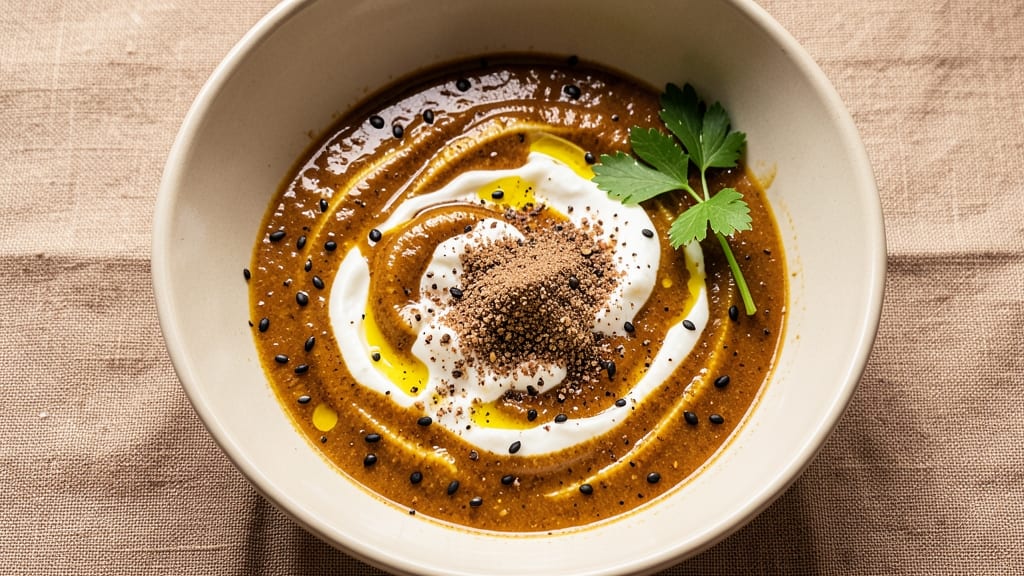
This Arabic salad dressing recipe transforms simple greens into a vibrant, flavor-packed experience with just six ingredients. The magic lies in balancing zesty lemon with rich tahini, creating a creamy yet tangy dressing that clings perfectly to every leaf.
I developed this after years of testing—it’s the one that finally earned rave reviews from even the most skeptical salad lovers.
The foundation starts with high-quality extra-virgin olive oil and fresh lemon juice, which cut through the richness of tahini while adding brightness. A touch of garlic—roasted for depth rather than raw—adds subtle complexity without overpowering.
Optional ingredients like yogurt or a pinch of cumin let you customize the texture and flavor to your taste, making it versatile for everything from tabbouleh to grain bowls.
What makes this dressing truly special is how it elevates any dish while staying simple to prepare. It takes just 5 minutes to whisk together, and the flavors deepen as it sits—ideal for meal prep.
The dressing keeps well in the fridge for up to a week, so you’ll always have a restaurant-quality finish ready to drizzle over salads, roasted vegetables, or even grilled meats.
Perfect for Mediterranean-inspired meals, this dressing delivers authentic Arabic flavor without the fuss. Whether you’re serving a crowd or prepping for the week, it’s the secret weapon that turns ordinary salads into showstoppers. Let’s get started—your taste buds will thank you.
Ingredients for arabic salad dressing
Six ingredients. Five minutes. Restaurant-quality dressing that transforms any salad into a flavor showstopper.
| Ingredient | Amount | Notes |
|---|---|---|
| Extra-Virgin Olive Oil 🫒 | ½ cup | High-quality, fruity, cold-pressed |
| Tahini 🥜 | ⅓ cup | Sesame paste, unsweetened |
| Fresh Lemon Juice 🍋 | ¼ cup | Strained, freshly squeezed |
| Roasted Garlic Cloves 🧄 | 2 whole | Roasted until soft, peeled |
| Plain Greek Yogurt 🥛 | ¼ cup | Full-fat for creaminess |
| Ground Cumin 🌿 | ½ tsp | Toasted for warmth |
| Sea Salt 🧂 | ½ tsp | Diamond Crystal preferred |
| Water 💧 | ⅛ cup | Adjust for desired consistency |
The olive oil and tahini are your flavor anchors—look for extra-virgin olive oil with a harvest date within the last year (the fresher, the better). Tahini should be thick and smooth, not grainy—Wholesome Sweeteners or Soom are my go-tos. Roasting the garlic (wrap cloves in foil, bake at 400°F for 15 minutes) brings out a sweet, nutty depth that raw garlic can't match. The yogurt adds creaminess, but if you prefer a lighter texture, skip it entirely and add more water. For the cumin, toast it in a dry pan for 30 seconds to wake up its flavor—trust me, it makes a difference.
No tahini? Substitute with 0.25 cup sesame paste or 0.25 cup peanut butter (yes, really), though the flavor will shift slightly. Running low on yogurt? Plain coconut yogurt or even a splash of heavy cream works in a pinch. The lemon juice is non-negotiable for brightness—Meyer lemons add subtle sweetness, but regular lemons work fine. If you hate garlic, reduce to 1 clove or skip entirely (though where's the fun in that?). For extra tang, add 1 tsp of apple cider vinegar. And if the dressing feels too thick, add water 1 tbsp at a time—it should coat the back of a spoon but still pour smoothly.
This dressing keeps beautifully in an airtight jar in the fridge for up to 1 week, though the flavors actually improve over time. If it separates, just whisk vigorously before using—it happens with the tahini and oil. For meal prep, I double the batch and store it in two small jars so I always have dressing on hand. The roasted garlic cloves can be prepped ahead and stored in the freezer for up to 3 months. Pro tip: Use a squeeze bottle for easy drizzling—no more messy spoons!
Why You'll Love This Recipe
- Five-Ingredient Magic: I swear by this combo—just blend, taste, adjust. No fancy techniques, no stress. That roasted garlic? You can do it in the oven while you make coffee.
- Tahini’s Creamy Kick: The tahini and yogurt team up for a rich, velvety base that’s not heavy. Lemon brightens it up, and the olive oil ties it all together—like a hug for your salad.
- Weeknight to Potluck: Drizzle it over falafel, toss with roasted veggies, or serve it as a dip. Honestly, I’ve used it on everything from grilled chicken to avocado toast, and it always works.
- Lasts All Week: Make a big batch—it keeps for days in the fridge. Between us, I’ve had this dressing three times this week, and it’s still fresh. Budget-friendly? Absolutely. Lazy-friendly? Even more so.
Step-by-step instructions for Arabic salad dressing
This vibrant dressing blends rich tahini with bright lemon and roasted garlic for a perfect balance.
Blend the Base Ingredients
In a high-speed blender, combine the 0.5 cup extra-virgin olive oil, 0.33 cup tahini, and 0.25 cup fresh lemon juice. Blend on high for 30-45 seconds until completely smooth and emulsified. You want a thick, creamy texture—this ensures the dressing won't separate later. The tahini should fully incorporate without any visible streaks.
Here's the thing—tahini can be stubborn. If you see any lumps, add 1 tablespoon of water and pulse again. The goal is a velvety consistency that coats the back of a spoon. This base forms the rich, nutty foundation of the dressing, so take your time to get it right.
Incorporate the Roasted Garlic and Yogurt
Add the 2 whole roasted garlic cloves to the blender. These should be soft enough to mash with your finger—if they're still firm, roast them a few more minutes. Blend again for 10-15 seconds until the garlic is fully incorporated. The roasted flavor adds depth without overpowering the bright citrus notes.
Next, add the 0.25 cup plain Greek yogurt and blend for another 10 seconds. The yogurt lightens the texture and adds a subtle tang that balances the richness. You'll notice the mixture becomes slightly thicker—this is normal and desired. The yogurt also helps stabilize the emulsion so the dressing stays cohesive.
Season and Adjust Consistency
Add the 0.5 teaspoon ground cumin and 0.5 teaspoon sea salt to the blender. Pulse just until combined—you don't want to over-blend and develop heat in the mixture. Taste immediately. The cumin should add warm, earthy notes, while the salt enhances all the flavors. This is where the magic happens: the dressing should taste vibrant, with bright lemon cutting through the richness.
Now for the consistency check. If the dressing is too thick, add 0.125 cup water (or less) 1 tablespoon at a time, blending after each addition until it reaches a pourable yet coatable consistency. It should flow smoothly from a spoon but still cling to greens. If it's too thin, add 1 teaspoon tahini at a time until it thickens slightly. The final texture should be like heavy cream—thick enough to cling but thin enough to drizzle.
Rest and Refine the Flavor
Transfer the dressing to a clean jar and let it rest at room temperature for 10-15 minutes. This resting period allows the flavors to meld and the emulsion to fully stabilize. Give it a final taste—does the lemon brightness shine through? Is the garlic flavor subtle but present? Adjust seasoning if needed, adding more salt or lemon juice as necessary.
Here's a pro tip: If you plan to store it, refrigerate immediately in an airtight container. The dressing will keep for up to 1 week, but give it a good shake before each use—the oils may separate slightly over time. When ready to serve, stir or shake vigorously to re-emulsify. This dressing works beautifully on tabbouleh, falafel bowls, or even as a marinade for grilled meats.
Pro Tips For Making Arabic Salad Dressing
- Roast Garlic Slow: Wrap those cloves in foil and bake them at 400°F (200°C) for 25-30 minutes—until they’re soft enough to squish with your thumb. Cold roasted garlic blends smoother and adds depth without overpowering the tahini.
- Whisk Tahini First: Thin the tahini with a splash of warm water or lemon juice before adding other ingredients—it prevents clumping like glue in your dressing. I learned this the hard way after scraping tahini off my whisk for the third time.
- Strain the Yogurt: Press the Greek yogurt through a fine-mesh sieve or cheesecloth to remove excess water—this keeps your dressing thick and velvety, not watery. (Yes, it’s tedious, but the difference is noticeable.)
- Balance Oil Last: Drizzle the olive oil in after tasting the base—too much upfront dilutes the garlic and tahini flavors. Start with 3 tablespoons, then adjust to taste. (Your future self will curse you if you skip this.)
Wine and beer pairings for this recipe
Mediterranean Whites
This dressing pairs beautifully with crisp, dry Mediterranean whites like Vermentino from Sardinia or Gavi from Piedmont. The bright acidity of these wines mirrors the lemon in the dressing, while their mineral notes complement the tahini’s nuttiness.
I love serving it with a chilled glass of Vermentino—the citrusy finish cleanses your palate between bites of rich hummus or grilled lamb. 🍷
Crisp Italian Reds
For red wine lovers, try a light-bodied Chianti Classico or Sangiovese—their tart cherry notes stand up to the dressing’s bold flavors. The cumin in the dressing actually enhances the earthy undertones of Sangiovese, creating a harmonious balance.
Serve slightly chilled to let the wine’s acidity shine alongside the lemony brightness.
Beer Pairings
A Belgian witbier like Hoegaarden or Stella Artois works surprisingly well with this dressing. The citrusy coriander notes in these beers echo the lemon, while their light effervescence cuts through the richness of the tahini.
For a local option, try a German Helles lager—its clean, crisp profile lets the dressing’s flavors take center stage. 🍺
Non-Alcoholic Options
For a refreshing non-alcoholic pairing, serve with sparkling lemonade infused with fresh mint or cucumber. The effervescence enhances the dressing’s brightness, while the herbs add a complementary freshness. Another great option is pomegranate juice—its tartness balances the tahini’s richness perfectly, making it a crowd-pleaser for all ages.
Pro Tip: Temperature Matters
Serve your wine or beer slightly chilled (around 45-50°F) to let the flavors of both the dressing and beverage shine. Cold temperatures mute the alcohol’s harshness, allowing the subtle garlic and cumin notes in the dressing to truly stand out.
I always keep a small ice bucket handy for quick cooling—it makes a world of difference! ❄️
Nutrition facts
Frequently asked questions
Can I make this dressing without tahini?
For a tahini-free version, replace the 0.33 cup tahini with 0.25 cup sesame paste or 0.25 cup peanut butter (for a nutty depth). If you want a lighter texture, use 0.25 cup plain Greek yogurt plus 1 tablespoon olive oil instead. The flavor will shift slightly but still deliver that creamy, tangy profile.
How long will this dressing keep in the fridge?
This dressing stays fresh in an airtight container for up to 1 week when refrigerated. If it separates, simply whisk or shake vigorously before using—it’s completely normal! For longer storage, you can freeze it for up to 3 months, though the texture may thicken slightly after thawing. Just add a splash of water to restore consistency.
What’s the best way to adjust the thickness?
If your dressing is too thick, thin it with 1 tablespoon water at a time until it reaches a pourable consistency. For a thicker texture, add 1 teaspoon tahini or 1 teaspoon yogurt and blend again. The ideal consistency should coat the back of a spoon but still flow smoothly—this ensures it clings beautifully to greens without pooling.
Can I use this dressing on non-salad dishes?
Yes! This versatile dressing works wonders on grilled meats, roasted vegetables, or even as a dip for pita bread or falafel. Its rich, tangy flavor pairs perfectly with Mediterranean dishes, and the garlic-cumin blend adds depth to proteins like chicken or lamb. Just drizzle it lightly over hot dishes to avoid overpowering the main flavors.
Why does my dressing taste bitter?
Bitterness usually comes from over-roasted garlic or using old olive oil. For the garlic, roast cloves until soft (not browned) to avoid bitterness. Use extra-virgin olive oil with a recent harvest date—older oils can develop off-flavors. If the dressing still tastes bitter, balance it with a splash of fresh lemon juice or a pinch more salt. The yogurt also helps mellow harsh flavors, so ensure it’s fresh and full-fat.