
Sauces & Condiments
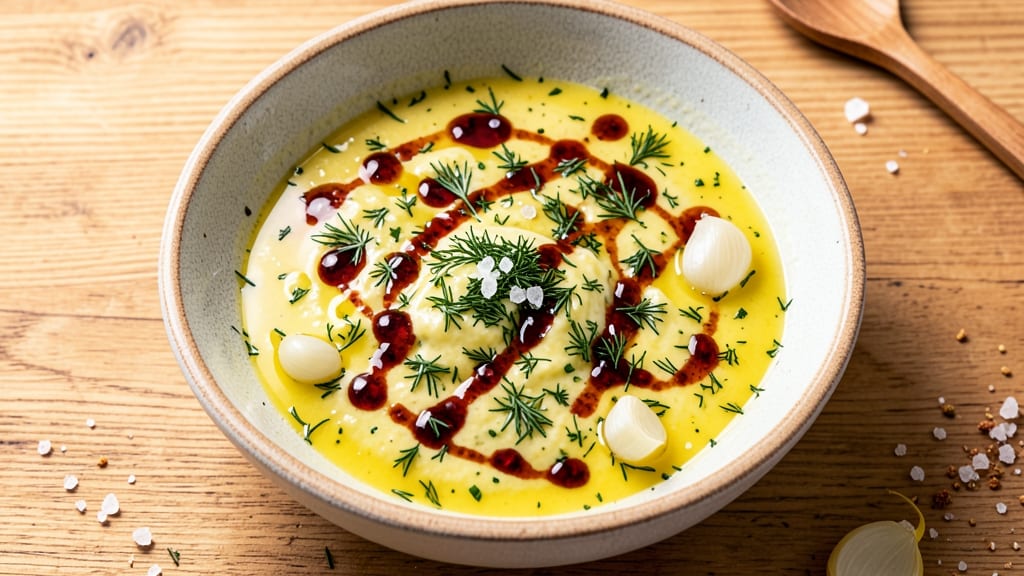
This Armenian salad dressing recipe transforms simple greens into a vibrant, herbaceous masterpiece with just five ingredients. The secret lies in infusing olive oil with fresh dill, garlic, and lemon—classic Armenian flavors that elevate any salad from ordinary to extraordinary. What makes it special is the bright pomegranate molasses finish, adding a tangy depth that bridges traditional and modern tastes.
The dressing comes together in minutes but delivers restaurant-quality results with its balanced acidity and aromatic herbs. Unlike heavy creamy dressings, this oil-based version stays light yet intensely flavorful, perfect for Mediterranean salads, grilled meats, or even drizzled over flatbread.
The beauty of this recipe is its versatility—it keeps well in the fridge for up to a week, so you can make a batch ahead for effortless meal prep.
What you’ll create is a dressing that’s both elegant and approachable, with a texture that clings beautifully to greens without overwhelming them. The garlic and herbs infuse the oil with layers of freshness, while the pomegranate molasses adds a subtle sweetness that brightens every bite.
It’s the kind of dressing that makes you reach for the salad bowl first—and finish it last.
Once you try this, you’ll never go back to store-bought again. The technique is simple, but the flavor is undeniably sophisticated, making it ideal for everything from casual lunches to elegant dinner parties. Ready to elevate your salads? Let’s make it.
Ingredients for armenian salad dressing
Five ingredients, infinite flavor—this dressing transforms salads into Armenian-inspired masterpieces.
| Ingredient | Amount | Notes |
|---|---|---|
| Extra-Virgin Olive Oil 🫒 | 1 cup | High-quality, fruity, cold-pressed |
| Fresh Dill Weeds 🌿 | ½ cup | Tightly packed, stems removed |
| Garlic Cloves 🧄 | 4 cloves | Fresh, peeled, lightly crushed |
| Fresh Lemon Juice 🍋 | ¼ cup | Strained, no pulp |
| Pomegranate Molasses 🍇 | 1 ½ tbsp | Thick, vibrant, not syrup |
| Diamond Crystal Kosher Salt 🧂 | ½ tsp | Fine grain, sea salt preferred |
| Freshly Ground Black Pepper 🌶️ | ¼ tsp | Coarsely cracked |
The olive oil is non-negotiable—look for extra-virgin with a fruity, peppery finish (I swear by California Olive Ranch or Colavita for that perfect balance). Fresh dill is a must; dried won’t cut it here. Middle Eastern markets often have the best quality, but any well-stocked grocery store’s herb section will do. The pomegranate molasses? Don’t confuse it with syrup—it should be thick, dark, and jammy. If you can’t find it, substitute with a mix of balsamic vinegar and date syrup, but it won’t be quite the same. For garlic, roast it first (400°F for 10 minutes) if you want a sweeter, deeper flavor—trust me, it’s worth the extra minute.
No pomegranate molasses? Mimic the tang with a mix of balsamic vinegar and a pinch of pomegranate powder (if you’ve got it). Short on dill? Mint or parsley at half the amount works in a pinch, but the Armenian soul disappears. The lemon juice can be bottled, but fresh is brighter. If you’re making this ahead, strain the lemon juice through a fine-mesh sieve to avoid bitterness. For extra richness, add a splash of walnut oil—it’s a secret trick I picked up from an Armenian chef in Yerevan.
This dressing keeps beautifully—up to 1 week in the fridge, sealed in a clean glass jar. The flavors actually deepen over time, so make a batch and use it all week. If it separates, just give it a good stir before using. Freeze for up to 3 months if you’re planning ahead, but thaw it gently in the fridge. Pro tip: Drizzle it over warm flatbread or grilled lamb—it’s not just for salads. Store the molasses in the fridge after opening, and keep your dill in a jar of water in the fridge for up to 5 days.
Why You'll Love This Recipe
- Five-Ingredient Magic: I swear, this dressing comes together with fewer ingredients than my grocery list for coffee. Just toss those dill sprigs, garlic cloves, and a splash of pomegranate molasses into a jar—no measuring cups, no stress. The lemon juice and olive oil do the heavy lifting while I’m still debating what to eat for dinner.
- Tangy, Herby, Unforgettable: That first bite of bright lemon cutting through the rich olive oil? Then the dill hits you like a fresh breeze, and the pomegranate molasses adds this deep, fruity richness that lingers. It’s the kind of flavor that makes you pause mid-bite—honestly, I’ve caught myself closing my eyes to savor it.
- Works Everywhere: Slather it on grilled chicken, drizzle it over roasted veggies, or toss it with fresh bread—this dressing is my secret weapon for lazy weeknights and fancy dinner parties. Between us, it even turns sad store-bought crackers into something worth snacking on. (Yes, even on a Tuesday night.)
- Keeps Like a Dream: Make a big batch and stash it in the fridge for weeks—it only gets better as the flavors meld. I’ve had a jar last me through three different meals without ever feeling tired. Plus, pomegranate molasses is cheap, so you’re not breaking the bank for that restaurant-worthy taste.
Step-by-step instructions for Armenian salad dressing
Here's how to craft this vibrant, herb-forward dressing that balances bright citrus with deep pomegranate richness.
Prepare the Fresh Herbs and Aromatics
In a clean, dry food processor, combine the 0.5 cup fresh dill weeds and 4 cloves garlic cloves. Pulse until the dill is finely chopped but not paste-like—you want visible herb flecks for texture. I like to give it just 3-4 quick pulses, then immediately stop to prevent turning it into pesto. This preserves the bright, fresh flavor that makes Armenian dressings so distinctive.
Transfer the chopped herb mixture to a medium bowl. Add the 0.25 cup fresh lemon juice and 1.5 tablespoons pomegranate molasses, stirring until fully incorporated. The molasses will look thick and syrupy at first, but it will blend smoothly with the citrus. Taste the mixture now—you should notice a perfect balance between tart lemon and the deep, slightly sweet complexity of pomegranate. This is your flavor foundation.
Infuse the Olive Oil
Pour the 1 cup extra-virgin olive oil into a small saucepan and place it over low heat. Once the oil is warm (you'll see tiny bubbles forming around the edges but not a full boil), remove it from heat and immediately add the herb-lemon mixture. Stir gently to combine, then return the pan to low heat for 5 minutes. This warm infusion process draws out the maximum flavor from the dill and garlic without cooking them.
I always use a thermometer for this step—keep the oil between 160°F and 180°F (it should feel warm to the touch but not hot). If it gets too hot, the herbs will turn bitter. After 5 minutes, remove from heat and let it cool for 10 minutes. This resting period allows the flavors to meld completely. The oil should now be fragrant with bright herb notes and a subtle garlic warmth.
Season and Finish
Return the infused oil to the bowl with the herb mixture. Add the 0.5 teaspoon diamond crystal kosher salt and 0.25 teaspoon freshly ground black pepper, stirring thoroughly. Taste again—this is where you'll adjust the balance. The dressing should be tangy from the lemon, slightly sweet from the molasses, with a fresh herbal brightness. If it needs more acidity, add a splash more lemon juice. If it needs more depth, add another half teaspoon of molasses.
For the final touch, let the dressing sit at room temperature for 15-20 minutes before using. This resting period allows all the flavors to truly harmonize. The result should be a dressing that's vibrant green from the dill, with a silky texture from the infused oil. It's perfect for drizzling over fresh greens, grilled vegetables, or even as a marinade for meats—its complexity elevates simple dishes into something extraordinary.
Store Properly for Maximum Freshness
Transfer the dressing to a clean, airtight glass jar. I like to use a dark glass jar to protect it from light, which can degrade the quality of the olive oil over time. The dressing will keep in the refrigerator for up to 1 week, though I find it's best used within 3-4 days for maximum freshness. Before each use, give it a good stir—the herbs will naturally settle to the bottom, and the oil will rise to the top.
This dressing works beautifully on its own, but I often enhance it further by adding a pinch of smoked paprika or a few drops of hot sauce right before serving, depending on the dish. The key is to taste as you go—Armenian dressings are all about that perfect balance between bright, fresh, and rich, and a little adjustment can make all the difference.
Pro Tips For Making Armenian Salad Dressing
- Pulse, Don’t Chop: Use a food processor for the dill—just 3-4 quick pulses until it’s finely chopped but still bright green. I learned this the hard way: mincing by hand turns it into dill paste, which dulls the flavor and makes the dressing clump. A quick pulse keeps it fresh-tasting and evenly distributed.
- Toast the Garlic: Lightly fry the minced garlic in olive oil for 30 seconds until it smells nutty but isn’t brown. This depth of flavor carries through the dressing and balances the sharpness of the lemon and molasses. Skip this, and the garlic will taste raw and harsh.
- Strain the Molasses: If your pomegranate molasses is thick or grainy, strain it through a fine-mesh sieve before adding it to the dressing. I’ve had batches where undissolved bits settled at the bottom, making the first few spoonfuls taste bitter. A quick strain guarantees smooth, consistent flavor.
- Whisk in Stages: Start with the oil and lemon juice, whisk until emulsified, then add the dill and garlic. Finally, drizzle in the molasses slowly while whisking vigorously. This prevents the dressing from breaking or turning into a greasy mess. Yes, it’s a pain, but it’s the only way to get that silky, cohesive texture.
Troubleshooting this recipe
Herb Separation Fix
If your dressing looks too chunky with visible herb bits, simply strain it through a fine-mesh sieve before serving. I use a Heston Blumenthal sieve for perfect results—it catches the good stuff while letting the silky oil through.
For a smoother texture without straining, pulse the herbs in your food processor for 1-2 extra seconds after the initial chop. 💫
Oil Too Mild?
If your dressing tastes bland, the issue is likely under-infused oil. Next time, heat the oil to 180°F (not boiling) for 8-10 minutes instead of 5, then let it cool completely before mixing.
For an instant boost, add 1 tsp toasted walnut oil or ½ tsp ground cumin to deepen the flavor profile.
Molasses Clumps
Pomegranate molasses can thicken when cold. To fix clumps, gently warm the dressing in a microwave-safe bowl for 10-15 seconds while stirring, then return to room temperature. For prevention, store the molasses in the fridge and bring it to room temp before measuring.
If you're using it in cold applications (like yogurt dips), thin with 1 tsp warm water.
Lemon Overpowering
Too much lemon juice? Balance it by adding ½ tsp honey or 1 tsp pomegranate molasses to mellow the tartness. For a more Armenian touch, stir in ¼ tsp ground sumac—it adds a tangy, citrusy depth that complements the lemon beautifully. Always taste as you go!
Dressing Too Thin
If your dressing separates with too much oil on top, reduce the lemon juice by 1 tbsp and add 1 tbsp walnut oil instead. For a thicker consistency, blend the dressing briefly in a food processor for 5-10 seconds to emulsify.
If it's still too thin, whisk in 1 tsp cornstarch mixed with 1 tsp water until smooth.
Storage Separation
It's normal for the dressing to separate in the fridge. Before using, give it a vigorous shake or whisk for 30 seconds to re-emulsify. For long-term storage, freeze in ice cube trays—each cube makes a perfect single serving. Thaw overnight in the fridge and stir before using. 🥶
Nutrition facts
Frequently asked questions
Can I substitute pomegranate molasses in this recipe?
Yes, but the flavor will change slightly. For a similar tangy depth, mix 1 tbsp balsamic vinegar with ½ tsp date syrup or 1 tsp honey. If you want a closer Armenian flavor, try ¼ tsp ground sumac instead—it adds a citrusy, tangy note that works beautifully with the dill and lemon.
How long should I let the dressing rest before using?
For the best flavor, let it rest for 15-20 minutes at room temperature. This allows the garlic and herbs to fully infuse the oil, creating a more cohesive and aromatic dressing. If you're short on time, a 5-minute rest will still improve the texture, but the flavors won't meld as deeply.
Can I make this dressing without a food processor?
Simply finely chop the 0.5 cup fresh dill and 4 garlic cloves with a sharp knife. Use a mortar and pestle for extra flavor infusion by crushing the garlic and herbs together before mixing with the other ingredients. The texture will be slightly chunkier, but the taste will still be vibrant and delicious.
What’s the best way to store leftover dressing?
Transfer it to an airtight glass jar and refrigerate for up to 1 week. The flavors actually deepen over time, so it’s perfect for meal prep. Before using, give it a good stir—the herbs will settle, and the oil may rise to the top. For longer storage, freeze in ice cube trays for single-serving portions.
Is this dressing vegan?
Yes! All the ingredients are naturally vegan, including the olive oil, lemon juice, and pomegranate molasses. Just ensure your salt is vegan-certified if needed. This dressing pairs perfectly with vegan salads, flatbreads, or grilled vegetables.