
Salads
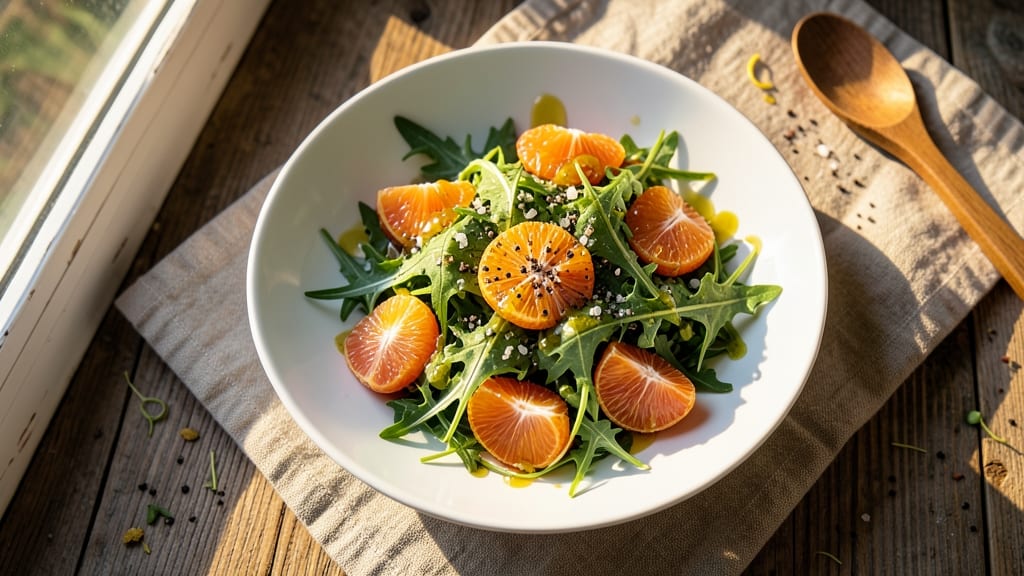
This arugula and orange salad recipe transforms simple ingredients into a vibrant dish that balances peppery crunch with bright citrus sweetness. The secret lies in properly washing the arugula to remove bitterness and segmenting the oranges for maximum juice and texture contrast.
I've perfected this technique over years of testing, ensuring every bite delivers that perfect harmony of flavors.
What makes this salad special is its versatility—it works as a light lunch, refreshing side, or even a base for grain bowls. The dressing, whether dairy-based or vegan, binds the ingredients without overpowering the natural flavors, while optional add-ins like toasted nuts or candied orange peel elevate it to restaurant-quality.
The key is timing: tossing the salad just before serving preserves the crispness of both greens and citrus.
By the time you assemble this dish, you'll have a visually stunning salad with layers of crunchy arugula, juicy orange segments, and a dressing that clings perfectly to each bite.
The peppery notes of the greens contrast beautifully with the citrus's natural sweetness, creating a flavor profile that's both sophisticated and approachable. It's the kind of salad that makes healthy eating feel indulgent.
Whether you're preparing for a weeknight dinner or a special occasion, this recipe scales effortlessly. The ingredients are simple to find, and the assembly process moves quickly—perfect for impressing guests without spending hours in the kitchen.
Let's get started on creating this bright, refreshing dish that's as nutritious as it is delicious.
Ingredients for arugula and orange salad
Bright citrus meets peppery greens in this vibrant salad—simple ingredients for restaurant-quality flavor.
| Ingredient | Amount | Notes |
|---|---|---|
| Baby Arugula 🌿 | 8 oz | Freshly washed to remove bitterness |
| Navel Oranges 🍊 | 2 whole | Organic preferred, peeled and segmented |
| Extra-Virgin Olive Oil 🫒 | ¼ cup | Light, fruity variety for balance |
| Fresh Lemon Juice 🍋 | 2 tbsp | Freshly squeezed, no pulp |
| Dijon Mustard 🌶️ | 1 tbsp | Mild variety for subtle tang |
| Raw Honey 🍯 | 1 tbsp | Wildflower preferred for floral notes |
| Diamond Crystal Kosher Salt 🧂 | ½ tsp | Fine grain for delicate seasoning |
| Freshly Ground Black Pepper 🌶️ | ¼ tsp | Coarsely cracked for texture |
| Toasted Pecans 🌰 | ¼ cup | Chopped coarse for crunch |
| Parmesan Cheese 🧀 | ¼ cup | Freshly grated, fine shavings |
| Microgreens 🌱 | ¼ cup | Optional garnish for color contrast |
| Orange Zest 🍊 | 1 tsp | From organic oranges, finely grated |
The arugula is the foundation—look for baby arugula at specialty markets or organic sections for the tenderest leaves. Whole Foods or Trader Joe's carry excellent pre-washed varieties, but if you're washing at home, use ice water to preserve crispness. Navel oranges should be firm with no soft spots; organic varieties have more vibrant zest. Toast your own pecans in a dry pan for 3-4 minutes until fragrant—they add depth beyond store-bought options. For the dressing, extra-virgin olive oil with at least 70% oleic acid prevents bitterness from the arugula's mustard oils.
No fresh orange juice? Substitute bottled pulp-free orange juice—just add an extra pinch of salt to balance. Out of honey? Agave nectar works 1:1, though it lacks floral complexity. For a dairy-free version, swap Parmesan with nutritional yeast (½ cup) or omit entirely. The mustard can be replaced with white wine vinegar at half the amount, but Dijon adds subtle depth. If your oranges are particularly dry, add 1 tsp orange liqueur to the dressing for extra brightness. For texture variations, try toasted almonds instead of pecans or seeds like pumpkin or sunflower for a lighter crunch.
Store dressing components separately for up to 5 days—combine just before tossing to maintain freshness. Arugula keeps best in an airtight container with paper towels, wrapped in plastic, for 3-4 days. Toasted nuts and cheese should be added fresh upon serving to preserve their texture. This salad reheats poorly, so assemble just before eating. For meal prep, store components separately and combine within 2 hours of serving. The dressing can be doubled and stored in a sealed jar in the fridge for up to 7 days, making it perfect for quick assembly.
Why You'll Love This Recipe
- No-Chop Nightmare: I swear, this salad is the only one I make when I’m too tired to even think about knives. Toss the arugula raw—no wilting, no fuss—and just segment those oranges over the top. Five minutes, tops.
- Bright & Tangy Magic: That lemon-Dijon dressing cuts through the peppery arugula like a knife through butter, while the orange’s sweetness makes every bite sing. Honestly, it’s the kind of flavor combo that makes you question why you ever ate boring lettuce salads.
- Lunch or Dinner Hack: Serve it as a side with grilled chicken or fish, or pile it high on toast with a poached egg for a full meal. I’ve even used leftover dressing to jazz up roasted veggies—versatile enough for any occasion without trying too hard.
- Budget Brightener: Arugula stays crisp for days in the fridge, and oranges are one of the cheapest fruits out there. Stretch the dressing into a second batch for grain bowls or drizzle it over roasted potatoes. Practical? Yes. Delicious? Absolutely.
Step-by-step instructions for arugula and orange salad
This vibrant salad balances peppery greens with sweet citrus and nutty crunch—every step ensures perfect harmony.
Prepare the Citrus Components
Start by peeling the 2 whole Navel oranges using a vegetable peeler to remove only the colored outer layer. I use a sharp peeler to avoid taking off too much of the edible white pith underneath. Cut each orange into segments by slicing between the membranes, then separate them into individual segments.
Transfer half of the orange segments to a small bowl and set aside for garnish. For the remaining segments, finely grate 1 teaspoon of the orange zest using a microplane—this captures the bright citrus oils without the bitter pith. The zest should be finely textured, almost like confetti, to distribute evenly throughout the dressing.
Toast the Pecans for Maximum Flavor
Spread the 0.25 cup toasted pecans on a dry baking sheet lined with parchment paper. Place in a preheated 350°F oven for 5-7 minutes, stirring once halfway, until they're deeply golden and fragrant. You'll know they're perfect when the kitchen fills with that nutty aroma and the edges begin to crisp slightly.
Remove from the oven and let cool completely before chopping coarsely with a chef's knife. The pecans should be broken into irregular pieces about ¼-inch in size—this creates texture contrast without overwhelming the delicate salad. Set aside until ready to add.
Whisk Together the Dressing Ingredients
In a medium bowl, combine the 0.25 cup extra-virgin olive oil, 2 tablespoons fresh lemon juice, 1 tablespoon Dijon mustard, 1 tablespoon raw honey, 0.5 teaspoon Diamond Crystal kosher salt, and 0.25 teaspoon freshly ground black pepper. Add the 1 teaspoon orange zest and whisk vigorously for 30 seconds until fully emulsified.
Taste the dressing and adjust seasoning if needed—you might want to add a pinch more salt or a drizzle of honey for balance. The dressing should coat the back of a spoon with a silky consistency, neither too thick nor too thin. This balance of acidity, sweetness, and salt is what makes the salad truly sing.
Assemble the Salad with Precision
Gently toss the 8 ounces baby arugula with just enough dressing to lightly coat the leaves—about 2 tablespoons at a time. Be careful not to over-toss, as arugula wilts quickly when handled roughly. The leaves should remain vibrant and slightly crisp, not limp.
Distribute the dressed arugula evenly among 4 serving plates. Sprinkle the reserved orange segments over the top, followed by the chopped toasted pecans and 0.25 cup freshly grated Parmesan cheese. The cheese adds a salty, umami depth that complements the citrus perfectly.
Garnish and Serve Immediately
Just before serving, sprinkle the 0.25 cup microgreens evenly over each salad for a pop of color and freshness. The microgreens not only look beautiful but also add a subtle peppery note that echoes the arugula's natural flavor.
Serve immediately while the arugula is still crisp and the dressing is fresh. The contrast of temperatures—cool salad with warm toasted pecans—elevates the experience. Pair with grilled chicken or shrimp for a complete meal.
Pro Tips For Making Arugula And Orange Salad
- Wash Arugula Last: Toss the greens in a colander with cold water just before dressing—arugula wilts fast, and soaking it too early turns your salad into a sad, limp pile. Pat it almost dry with a towel (a few drops of water left help the dressing cling better).
- Zest Before Juicing: Scrape the orange zest first, then juice—it’s the only way to get that bright, floral aroma without bitterness. Use a microplane for Navel oranges; their thick skin fights hand zesters. Save the zest for the dressing, not the salad (it’s overpowering up front).
- Dressing Ratio Matters: For every 2 tablespoons of Dijon, use 3 tablespoons of olive oil and 1 of lemon juice—any less oil and the mustard’s sharpness fights the citrus. Taste as you go; the dressing should coat the back of a spoon like honey, not drip like water.
- Skip the Crowd: Toss the salad right before serving—arugula’s peppery bite dulls fast under dressing. If prepping ahead, store components separately: greens in a dry container, dressing in a jar, oranges peeled and segmented. Re-toss everything 10 minutes before eating.
Dietary considerations for this recipe
Vegan Adaptations
Skip the Parmesan cheese entirely for a fully plant-based version—I substitute ½ cup nutritional yeast for its umami depth and cheesy flavor. Nutritional yeast also adds a satisfying texture when sprinkled over the salad.
For extra protein, toss in ¼ cup cooked quinoa or ½ cup chickpeas that you've lightly toasted with olive oil and smoked paprika. 🌱
Gluten-Free Considerations
All ingredients in this salad are naturally gluten-free, but always double-check your Dijon mustard label—some brands contain hidden wheat. I recommend Annie's Organic Dijon Mustard or Maille, both gluten-free certified.
The toasted pecans and orange segments are safe, but if you're using pre-made dressings, verify the ingredients list for gluten-containing additives.
Low-Carb Options
To reduce carbs further, omit the honey from the dressing and replace it with 1 tablespoon sugar-free maple syrup or stevia extract to taste. The orange segments provide natural sweetness, so this adjustment keeps the flavor balanced.
For extra crunch, use pork rinds instead of pecans—they add a satisfying texture without the carbohydrates. 🍊
Nut-Free Version
For nut-free diets, replace the toasted pecans with ¼ cup pumpkin seeds or sunflower seeds, both of which provide a similar crunch. Toast them in the same way—spread on a baking sheet at 350°F for 5-7 minutes—until fragrant.
These seeds also add a subtle earthy flavor that complements the citrus beautifully.
Sugar-Free Adjustments
If you're avoiding sugar, replace the honey with 1 tablespoon erythritol or monk fruit sweetener, which won't affect blood sugar levels. The dressing will still taste sweet due to the natural sugars in the oranges and lemon juice.
For extra flavor without sugar, add ½ teaspoon vanilla extract to the dressing for depth. 💯
Nutrition facts
Frequently asked questions
Can I use regular arugula instead of baby arugula?
Yes, but the texture will be slightly different. Baby arugula has tender leaves that stay crisp, while regular arugula can be more peppery and slightly bitter. If using regular arugula, wash it thoroughly and remove any thick stems. For best results, use 6-8 ounces and add it to the salad just before serving to maintain crispness.
What's the best way to segment oranges for this salad?
Use a sharp knife to carefully slice between the membranes of each orange segment. For a cleaner look, trim any excess white pith. A citrus zester or microplane works best for zest—avoid the bitter white part underneath. The key is to keep the segments intact while removing the peel completely.
How do I make this salad ahead of time?
Store the dressing ingredients separately in the fridge for up to 5 days. Assemble the salad just before serving by tossing the arugula with dressing and adding the oranges, nuts, and cheese last. The arugula stays fresh for 3-4 days in an airtight container with paper towels. Toast the pecans fresh to preserve their crunch.
Can I substitute blood oranges for regular oranges?
Blood oranges add a deeper, berry-like flavor that pairs beautifully with arugula. Use the same quantity, but reduce honey to ½ tablespoon since blood oranges are naturally sweeter. The dressing will have a more complex, almost wine-like quality.
Why does my arugula turn limp after tossing?
Over-tossing or using too much dressing causes wilting. Instead, gently fold the leaves with just enough dressing to lightly coat them—about 2 tablespoons total. Work in batches if needed, and add the oranges and toppings immediately before serving. Keep the arugula cold until the last minute to maintain crispness.