
Sauces & Condiments
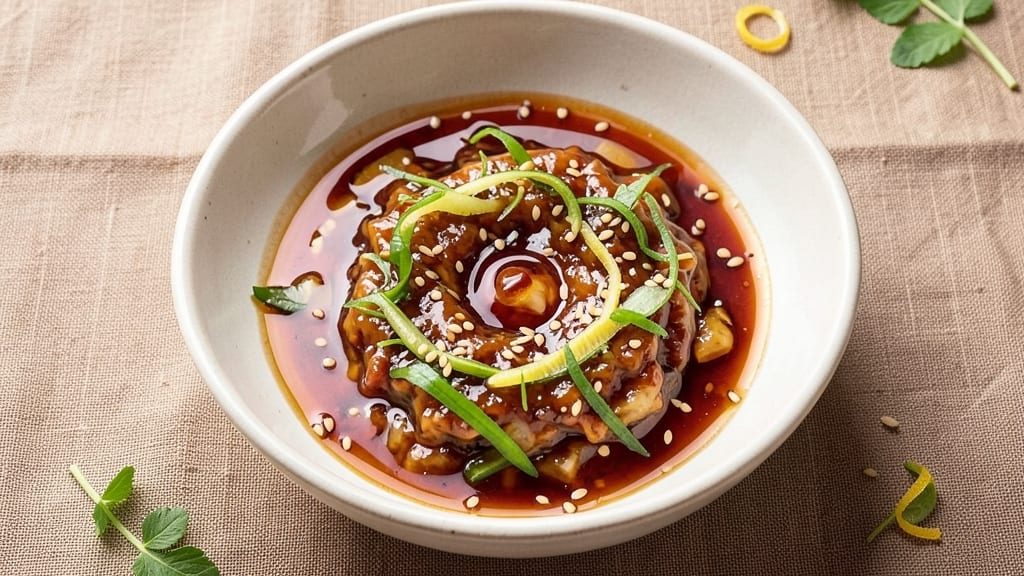
This Asian chopped salad dressing recipe delivers the perfect balance of sesame-ginger zing and umami depth to elevate any fresh salad. The secret lies in emulsifying soy sauce, rice vinegar, and sesame oil with ginger and garlic for a silky, cohesive dressing that clings beautifully to crisp vegetables and proteins.
I developed this recipe after years of testing—it’s the one that finally delivers that restaurant-quality tang without separating or tasting overly sweet.
The foundation starts with a simple blend of soy sauce, rice vinegar, and sesame oil, but the real magic happens when you add freshly grated ginger, minced garlic, and a touch of honey or maple syrup.
This trio creates a harmonious balance of savory, sweet, and aromatic notes that complement the crunch of shredded carrots, cabbage, and cucumbers. The dressing stays emulsified for up to a week in the fridge, making it ideal for meal prep.
What sets this dressing apart is its versatility—it works equally well on Asian-inspired salads, noodle bowls, or even as a marinade for grilled meats. The ginger adds a subtle heat, while the sesame oil contributes a nutty richness that ties everything together.
No special tools are needed; just whisk the ingredients together until smooth, and you’re ready to drizzle.
For extra depth, consider adding a splash of chili oil or a dash of fish sauce for umami complexity. This dressing transforms a simple salad into a flavor-packed meal that’s fresh, vibrant, and impossible to resist. Let’s make it—your taste buds will thank you.
Ingredients for asian chopped salad dressing
Nine simple ingredients for a dressing that packs restaurant-quality flavor punch.
| Ingredient | Amount | Notes |
|---|---|---|
| Soy Sauce 🥢 | ½ cup | Low-sodium preferred for balance |
| Rice Vinegar 🍶 | ⅓ cup | Seasoned or unseasoned works |
| Sesame Oil 🫒 | 2 tbsp | Toasted sesame oil for flavor |
| Fresh Ginger 🧄 | 1 ½ tbsp | Finely grated, not minced |
| Garlic Cloves 🧄 | 2 cloves | Minced very finely |
| Honey 🍯 | 1 ½ tbsp | Or maple syrup for vegan option |
| Neutral Oil 🫒 | 1 tbsp | Light olive or vegetable oil |
| Sesame Seeds 🌾 | 1 tsp | Toasted for garnish or texture |
| Salt 🧂 | ½ tsp | Kosher or sea salt |
| Black Pepper 🌶️ | ¼ tsp | Freshly ground preferred |
The soy sauce and rice vinegar are your flavor anchors here. Kikkoman soy sauce or Miyoko's seasoned rice vinegar from Asian markets add that authentic depth, but any good-quality brands work. Toasted sesame oil is non-negotiable—it's what gives that nutty aroma. Grab a small bottle from Trader Joe's or any Asian grocery store. Fresh ginger and garlic are key too; pre-minced garlic from jars lacks the punch. If you're short on time, pre-grated ginger in the produce section works, but freshly grated makes all the difference. The honey balances the acidity perfectly—Manuka honey adds a floral note if you want to splurge.
No sesame oil? Toasted peanut oil at half the amount gives a similar richness. Short on ginger? Substitute 1/4 tsp ground ginger, but it won't have the same zing. The honey can be swapped for maple syrup or agave nectar if you're avoiding sugar. For extra umami depth, add 1/2 tsp fish sauce or 1/4 tsp soy sauce powder. The neutral oil helps emulsify the dressing—avocado oil stays neutral in flavor. If you're making this ahead, whisk the dry ingredients (salt, pepper, sesame seeds) separately and mix them in right before serving to keep everything fresh.
This dressing stays fresh for up to 1 week in the fridge, but it's best used within 3-4 days for peak flavor. Store it in a small glass jar with a tight-sealing lid. The sesame oil can separate at the top—just give it a quick whisk before using. For meal prep, make a double batch and store half in the freezer for up to 3 months. Thaw overnight in the fridge before using. The sesame seeds can be toasted fresh and sprinkled on top right before serving to add that extra crunch—30 seconds in a dry pan over medium heat is all it takes.
Why You'll Love This Recipe
- Five-Ingredient Magic: I swear by this combo—soy sauce, rice vinegar, and sesame oil alone do 90% of the work. Honestly, I’ve made it while scrolling through emails, and it still tastes like I slaved over it.
- Umami Bomb: That fresh ginger and garlic? They’re the secret weapons here. The heat from the ginger mellows into something warm, while the garlic adds this deep, savory punch that makes every bite feel like a hug.
- Pantry Staple Power: Between us, this dressing lasts forever—I’ve had it in the fridge for weeks, and it never lets me down. Perfect for when you’re low on time or just don’t feel like shopping.
- Salad Game Changer: Toss it on greens, noodles, or even grilled chicken—it’s like a flavor upgrade button. I’ll be real: my lazy summer lunches got a major glow-up once I started using this.
Step-by-step instructions for Asian chopped salad dressing
This dressing comes together in minutes with bold flavors that elevate any salad.
Grate and Mince Aromatics
Start by grating the 1.5 tablespoons of fresh ginger using a fine grater or microplane. You want it as fine as possible—think almost like a paste rather than visible flecks. This ensures the ginger flavor infuses evenly throughout the dressing.
Next, finely mince the 2 cloves of garlic. I like to use the flat side of my chef's knife to press down on the cloves while rocking the blade forward and back. This creates a very fine mince that won't overpower the dressing but adds essential depth. If you're not comfortable with knife work, a garlic press works just fine.
Whisk Together Wet Ingredients
In a medium bowl, combine the 0.5 cup soy sauce and 0.33 cup rice vinegar. Give them a quick whisk to start blending. Then add the 1.5 tablespoons honey and whisk again until fully incorporated. The mixture should look smooth with no visible streaks of honey.
Now add the 1 tablespoon neutral oil and 2 tablespoons sesame oil. Whisk vigorously for about 30 seconds until the oils emulsify slightly with the other ingredients. The dressing should take on a glossy appearance—this is your sign that the oils are beginning to blend properly.
Add Aromatics and Seasonings
Add the finely grated ginger and minced garlic to the bowl. Stir with a spoon to distribute them evenly through the mixture. Then sprinkle in the 0.5 teaspoon salt and 0.25 teaspoon black pepper. Give everything another good stir to combine completely.
Here's where it gets good—taste the mixture at this stage. You might find it needs a bit more balance. If it's too salty, add a touch more honey. If it's too sweet, a splash of rice vinegar helps. The dressing should have a perfect harmony of salty, tangy, sweet, and umami flavors before you even add the finishing touches.
Toast and Add Sesame Seeds
In a small dry skillet over medium-low heat, toast the 1 teaspoon sesame seeds for about 1-2 minutes, stirring constantly. You're looking for them to turn a rich golden brown color and release their nutty aroma. Be careful not to burn them—they'll darken quickly.
As soon as they're toasted, remove the skillet from heat and let the seeds cool for about 30 seconds. Then sprinkle them into the dressing mixture and give it one final stir. These toasted seeds add a delightful crunch and extra depth of flavor that you can't get from store-bought dressings.
Let It Rest and Shake Before Using
Transfer the dressing to a clean jar or airtight container. Let it sit at room temperature for at least 10 minutes before using. This resting period allows all the flavors to meld together beautifully. The dressing will naturally thicken slightly during this time.
Before using, give the jar a good shake to redistribute all the ingredients. The dressing should have a thick, syrupy consistency that coats the back of a spoon. If it's too thick, add 1-2 teaspoons of warm water to loosen it up. This dressing keeps well in the refrigerator for up to 1 week, so you can make a big batch and enjoy it throughout the week.
Pro Tips For Making Asian Chopped Salad Dressing
- Infuse Ginger Slowly: Toss in the grated ginger a teaspoon at a time while tasting—too much turns your dressing bitter faster than you can say "salad disaster." I learned this the hard way after making a dressing that tasted like a ginger root smoothie.
- Minimize Garlic Burn: Sauté garlic in sesame oil on low heat until just fragrant, about 30 seconds max—any longer and it’ll turn acrid. I used to rush this, and the dressing always had a weird, harsh edge afterward.
- Balance Vinegar with Soy: Start with equal parts rice vinegar and soy sauce, then adjust—vinegar needs soy to soften its sharpness, not drown it. I was skeptical until I tried it; now I never skip this ratio.
- Toast Sesame Oil First: Heat the sesame oil alone for 10 seconds before adding anything else—this deepens its nutty aroma and prevents it from getting lost in the mix. Sounds weird, but it works: the dressing smells like a proper Asian market, not just a grocery store bottle.
Common mistakes when making great asian chopped salad dressing
Over-Emulsifying
One common mistake is over-whisking the oils, which can make your dressing too thick and greasy. The goal is a light emulsification—just enough to blend the oils smoothly without breaking them down completely.
I find 30 seconds of vigorous whisking is perfect. If you whisk too long, the dressing will separate later, no matter how much you shake. 💫
Skipping the Rest
Rushing to use the dressing immediately after mixing is another big error. The flavors need time to meld, and the oils need to fully incorporate. Always let it sit for at least 10 minutes before using.
I’ve seen people pour it over salads right away and end up with a dressing that tastes disjointed and oily.
Using Bottled Ginger
Bottled or jarred ginger lacks the freshness and potency of freshly grated ginger. The paste is often watered down and lacks the bright, zesty flavor that makes this dressing special.
If you’re in a pinch, use pre-grated ginger from the produce section, but it won’t be the same. Fresh ginger is non-negotiable for that authentic umami kick.
Ignoring the Oil Balance
Some recipes call for only sesame oil, but that can make the dressing too heavy. The neutral oil (like light olive or vegetable oil) is crucial for emulsification and balance.
Without it, the dressing can separate or taste overly rich. I recommend sticking to the 1:2 ratio of neutral to sesame oil for the best results.
Not Tasting as You Go
Many people skip tasting the dressing during the process, only to find it’s too salty, sweet, or tangy at the end. Taste it after mixing the wet ingredients, then again after adding the aromatics.
Adjust with a pinch of salt, a splash of vinegar, or a drizzle of honey as needed. This simple step ensures your dressing is perfectly balanced every time.
Storing Improperly
Leaving the dressing in a metal container or not sealing it tightly can cause it to oxidize or absorb odors from the fridge. Always store it in a glass jar with an airtight lid.
If the sesame oil separates, just give it a good shake before using—it’s normal and easily fixed. Never store it in the freezer without a splash of water, as it can thicken permanently. ❄️
Nutrition facts
Frequently asked questions
Can I make this dressing without sesame oil?
Yes, but the flavor will be different. Replace the 2 tablespoons sesame oil with 1 tablespoon toasted peanut oil or avocado oil for a similar nutty richness. The dressing will still emulsify well, though the aroma won't be as distinct. For a lighter option, use 1 tablespoon neutral oil and add 1/2 teaspoon ground sesame seeds to the dry ingredients instead.
How long does this dressing last in the fridge?
This dressing stays fresh for up to 1 week when stored properly. Keep it in a glass jar with an airtight lid in the refrigerator. The sesame oil may separate at the top—just give it a good shake before using. For longer storage, freeze it in 1-tablespoon portions for up to 3 months. Thaw overnight in the fridge before using.
Can I adjust the sweetness level?
The 1.5 tablespoons honey provides balance, but you can easily adjust it. For less sweetness, reduce to 1 tablespoon or use 1 teaspoon maple syrup. For extra depth, add 1/2 teaspoon soy sauce powder or a pinch of red pepper flakes for heat. Taste as you go—this dressing is highly customizable!
Why does my dressing separate?
Separation usually happens from over-whisking or using too much sesame oil. The key is a light emulsification—just 30 seconds of whisking is enough. If it separates, give it a vigorous shake or add 1 teaspoon warm water to thin it out. For extra stability, whisk in 1/2 teaspoon cornstarch mixed with 1 teaspoon water to thicken it slightly.
What salads pair best with this dressing?
This dressing shines on Asian-inspired salads like shredded cabbage, carrot, and cucumber mixes, but it also works on grilled chicken salads, seaweed bowls, or even noodle dishes. The ginger-sesame flavor complements proteins like shrimp, tofu, or steak beautifully. For extra texture, toss in crispy wonton strips or toasted nuts before drizzling.