
Side Dishes
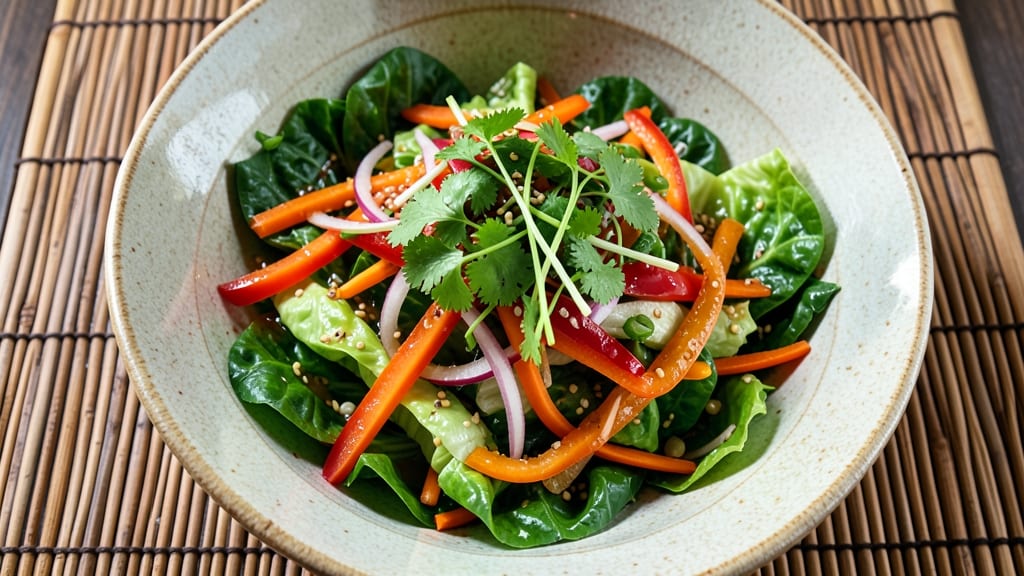
This Asian marinated vegetable salad transforms simple ingredients into a vibrant, umami-packed dish with layers of sweet chili heat and satisfying crunch. 🌟 The secret lies in a simple yet deeply flavorful marinade—soy sauce, sesame oil, and rice vinegar work together to tenderize and infuse the vegetables while balancing sweet, salty, and spicy notes.
I developed this recipe after craving something fresh, crunchy, and packed with bold flavors that could stand up to any main dish.
The beauty of this salad is in its versatility and ease. You'll start with a mix of fresh vegetables like julienned carrots, shredded cabbage, and sliced bell peppers, all marinated in the dressing for at least 20 minutes to let the flavors meld.
The marinade isn't just a dressing—it's a flavor transformer, creating a dish that's as satisfying as it is healthy. Whether you're serving it as a side or a light main, it delivers restaurant-quality taste with minimal effort.
What sets this salad apart is the perfect balance of textures and flavors—crisp vegetables, tender edges, and a tangy-sweet dressing that coats every bite.
The addition of sesame seeds and fresh herbs like cilantro or scallions adds an extra layer of freshness, while optional protein like tofu or tempeh makes it a complete meal. This isn't just another salad; it's a flavor explosion that's as beautiful as it is delicious.
Perfect for meal prep, potlucks, or a quick weeknight dinner, this salad keeps well in the fridge for up to 3 days, making it ideal for busy schedules.
The flavors only deepen over time, so it tastes even better the next day. Let's get started on creating this umami-packed, crunchy masterpiece that will elevate any meal.
Ingredients for asian marinated vegetable salad
Fresh vegetables meet bold flavors in this restaurant-quality Asian-inspired salad.
| Ingredient | Amount | Notes |
|---|---|---|
| Medium Carrots 🥕 | 3 whole | Julienned into thin strips |
| Green Cabbage 🥬 | 4 cups | Shredded, core removed |
| Red Bell Pepper 🌶️ | 1 whole | Thinly sliced into strips |
| Red Onion 🧅 | 1 whole | Thinly sliced into half moons |
| Fresh Cilantro 🌿 | ¼ cup | Chopped, stems removed |
| Green Onions 🧅 | 3 whole | Thinly sliced, white parts trimmed |
| Sesame Seeds 🥜 | 1 tbsp | Toasted lightly for flavor |
| Extra-Firm Tofu 🍳 | 8 oz | Optional protein, pressed and cubed |
| Rice Vinegar 🍶 | ⅓ cup | Unseasoned for tangy base |
| Soy Sauce 🍶 | ¼ cup | Low-sodium preferred |
| Sesame Oil 🫒 | 1 ½ tbsp | Toasted for nutty depth |
| Honey 🍯 | 1 ½ tbsp | Or agave for vegan option |
| Sriracha 🌶️ | 1 tbsp | Adjust for spice preference |
| Garlic Cloves 🧄 | 2 cloves | Minced for aromatic base |
| Ginger Root 🌿 | 1 tsp | Freshly grated for zing |
The vegetables are the stars here, so grab the freshest you can find—green cabbage with crisp leaves and carrots with vibrant color make all the difference. Trader Joe's or your local Asian market usually have the best selection, but any grocery store works if you pick firm, unblemished produce. The tofu, if using, should be extra-firm and pressed (wrap in a towel, place a heavy pan on top for 15 minutes) to avoid a soggy salad. For the marinade, toasted sesame oil adds depth that regular sesame oil can't match—look for it in the international aisle or online.
No rice vinegar? Apple cider vinegar or white vinegar works in a pinch, but the flavor will be slightly different. Short on honey? Maple syrup or agave nectar are perfect swaps. The sriracha can be adjusted to taste—less for mild heat, more for spice lovers. If you're skipping the tofu, add edamame or chickpeas for extra protein. The garlic and ginger should be fresh—dried powder won't give the same punch. For the bell pepper, red or yellow both work, but red adds a natural sweetness that pairs beautifully with the umami flavors.
This salad tastes even better the next day—flavors meld beautifully when stored in an airtight container. Keeps for 3-4 days in the fridge, though the texture might soften after day 2. For meal prep, store the dressing separately and toss just before serving. The tofu, if included, can be marinated in half the dressing for 10 minutes before adding to the salad. Double the batch and freeze half—thaw overnight in the fridge for a quick lunch.
Why You'll Love This Recipe
- No-Chop Shortcuts: I swear by the julienne peeler for this one—those carrots and bell peppers shred themselves in minutes. The cabbage? Just quarter it and tear. Honestly, my hands stay clean while the flavors build.
- Umami Bomb Combo: That tangy fish sauce splash with rice vinegar and sesame oil? It’s the magic. The crunch of raw onion and cilantro freshens every bite, while the bell pepper adds just enough sweetness to cut through the boldness.
- Meal Prep MVP: I make a double batch on Sundays—it keeps crisp for days in the fridge. Perfect for lunchboxes, potlucks, or when I’m too tired to cook. (Yes, even on a Tuesday night.)
- Pantry Stretch: No fancy ingredients here—just what’s already lurking in most kitchens. The veggies last forever, and the dressing? A few bucks’ worth of staples. Budget-friendly doesn’t mean boring—this salad proves it.
Step-by-step instructions for Asian marinated vegetable salad
Let's bring together vibrant veggies and bold flavors for a refreshing salad that packs umami, sweetness, and a kick.
👨🍳 Step 1: Prep and Marinate the Vegetables
In a large mixing bowl, combine the 3 whole medium carrots (julienned), 4 cups green cabbage (shredded), 1 whole red bell pepper (thinly sliced), and 1 whole red onion (thinly sliced into half moons). Give everything a gentle toss with your hands to distribute the vegetables evenly.
In a small bowl, whisk together the 0.33 cup rice vinegar, 0.25 cup soy sauce, 1.5 tbsp sesame oil, 1.5 tbsp honey, 1 tbsp sriracha, 2 cloves garlic (minced), and 1 tsp ginger root (freshly grated). Pour this marinade over the vegetables and toss again until every piece is evenly coated. Let the mixture sit for at least 15 minutes—this allows the flavors to meld and the veggies to soften slightly, but not so much that they lose their crunch.
🍳 Step 2: Press and Sear the Tofu (Optional Protein)
If you're using the 8 oz extra-firm tofu, start by pressing it to remove excess water. Wrap the tofu block in a clean kitchen towel, place a heavy pan or plate on top, and let it sit for 15-20 minutes. This step is crucial—it ensures your tofu stays crispy when cooked.
Once pressed, cut the tofu into 1-inch cubes. Heat 1 tbsp sesame oil in a non-stick skillet over medium-high heat. Add the tofu cubes in a single layer and cook for 3-4 minutes per side until golden brown and crispy. Transfer the tofu to a plate and sprinkle with 1 tbsp toasted sesame seeds while it's still warm. The tofu will add a satisfying protein element that balances the freshness of the vegetables.
🥘 Step 3: Assemble and Garnish the Salad
After the vegetables have marinated, drain any excess liquid (if needed) and transfer them to a large serving bowl. Gently fold in the 3 whole green onions (thinly sliced) and 0.25 cup fresh cilantro (chopped). The green onions add a fresh bite, while the cilantro brings a bright, herbal note that ties everything together.
If you added the tofu, arrange it on top of the salad for a visually appealing presentation. The contrast between the crispy tofu and the fresh, marinated vegetables creates an exciting texture experience. Taste and adjust the seasoning if needed—you might want to add a splash more rice vinegar for tang or a drizzle of sesame oil for richness.
⏰ Step 4: Serve Immediately for Maximum Freshness
This salad is best enjoyed fresh out of the bowl, so don't let it sit too long before serving. The marinated vegetables will continue to absorb flavors, but the ideal time is right after assembly. Divide the salad among plates and garnish with an additional sprinkle of sesame seeds and a few extra cilantro leaves for a pop of color.
Pair this vibrant salad with grilled meats, steamed rice, or even as a standalone dish for a light yet satisfying meal. The balance of sweet, tangy, spicy, and umami flavors makes it incredibly versatile—perfect for lunch, dinner, or even as a refreshing side dish.
Pro Tips For Making Asian Marinated Vegetable Salad
- SHRED CABBAGE SMALLER: I used to cut cabbage into big chunks, thinking it’d save time—wrong. Tiny shreds (about 1/4-inch) marinate faster and stay crisp longer. A mandoline makes this easy, but a sharp knife works too. Skip the giant pieces unless you want soggy, limp cabbage in 10 minutes.
- JULIENNE CARROTS UNIFORM: Thin, even strips (about 1/8-inch thick) cook perfectly in the marinade without turning mushy. Use a peeler for speed, but if you’re slicing by hand, angle the blade consistently. Thick carrots stay crunchy; thin ones soak up flavor better.
- MARINATE ONIONS SEPARATELY: Red onions get bitter fast in acidic dressings. Toss them in marinade for just 5 minutes before mixing with the rest. This keeps their sweetness intact while still adding depth. (Yes, I’ve learned this the hard way.)
- ADD CILANTRO LAST: The leaves wilt in citrus or vinegar-based marinades. Save the fresh cilantro for the final toss—even 10 minutes makes a difference. Chop it coarsely so it stays vibrant longer. (Your salad’s garnish game just leveled up.)
Health benefits of these flavors
Digestive Health Boost
This salad is a fiber powerhouse, thanks to the green cabbage (4 cups) and carrots (3 whole) that provide 4-6 grams of fiber per serving. Fiber supports healthy digestion, promotes gut bacteria balance, and helps maintain steady blood sugar levels.
The red bell pepper adds vitamin C, which aids collagen production for gut lining health. 🌱
Low-Calorie Nutrition
With only about 120-150 calories per serving (without tofu), this salad is perfect for weight management while delivering essential nutrients. The soy sauce and sesame oil provide healthy fats and plant-based protein, while the rice vinegar and honey add natural sweetness without refined sugars.
It’s a guilt-free way to satisfy cravings while keeping calories in check.
Antioxidant-Rich Ingredients
The red bell pepper and green cabbage are packed with antioxidants like vitamin C and quercetin, which combat oxidative stress and inflammation. The ginger and garlic in the marinade add anti-inflammatory compounds that support immune function.
Even the sesame seeds contribute sesamin and sesamol, powerful antioxidants that protect cell health.
Protein Flexibility
While naturally vegetarian, this salad easily accommodates plant-based protein with tofu (8 oz) or edamame. The tofu provides 10-12 grams of protein per serving, making it a complete meal. For vegans, swap honey for agave and use low-sodium soy sauce to keep it plant-forward while maximizing protein intake.
Blood Sugar Balance
The combination of fiber, healthy fats (sesame oil), and low-glycemic ingredients like cabbage and carrots helps stabilize blood sugar levels. The ginger and garlic in the marinade also improve insulin sensitivity, making this salad a smart choice for those managing diabetes or prediabetes.
Nutrition facts
Frequently asked questions
Can I use this salad as a main dish instead of a side?
This salad packs enough protein (from tofu or edamame) and fiber to satisfy as a complete meal. For extra staying power, add 1 cup cooked quinoa or 1/2 cup chickpeas to bulk it up. The vibrant flavors and textures make it hearty enough for lunch or dinner—just double the veggie portion if serving as a main.
How do I adjust the spice level if I don't like heat?
Simply reduce or omit the sriracha and add 1 tsp honey or maple syrup to balance flavors. For a milder kick, swap sriracha for 1 tbsp hoisin sauce or 1 tsp chili flakes. The garlic and ginger already provide depth without heat, so you can keep those amounts the same.
What vegetables can I substitute if I don't have cabbage or carrots?
No problem! Swap green cabbage for red cabbage, bok choy, or napa cabbage (all hold up well in marinades). For carrots, try jicama (julienned), daikon radish, or sugar snap peas. The key is choosing crunchy, firm vegetables that won't turn mushy when marinated. Just adjust slicing thickness for even cooking.
Can I make this salad ahead of time?
Yes, but with a few tricks! Store the marinated vegetables (without tofu) in an airtight container for up to 3 days—the flavors actually improve. Keep the tofu separate and cook it fresh before serving. For meal prep, store the dressing separately and toss everything together right before eating to maintain crispness.
Is this recipe gluten-free or vegan?
Naturally gluten-free! For vegan, swap honey for agave and use tamari (gluten-free soy sauce). The base recipe is already plant-based, and all ingredients are easily adaptable. Just check your tofu packaging—many brands are vegan, but some contain trace amounts of honey or fish-based coagulants.