
Sauces & Condiments
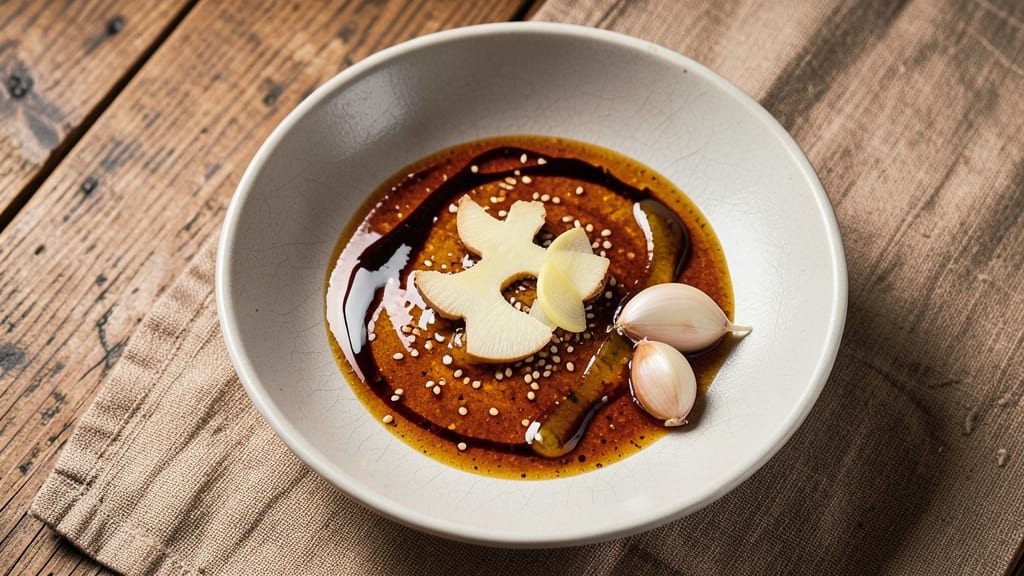
This Asian restaurant salad dressing recipe delivers the perfect balance of umami, sweetness, and zing in every drizzle. 💛 The secret lies in combining toasted sesame oil with rice vinegar, ginger, and a touch of honey for that signature restaurant-quality flavor.
I've perfected this recipe after years of testing, and it's become my go-to for Asian-inspired dishes.
The dressing starts with a simple blend of soy sauce, rice vinegar, and sesame oil, but it's the ginger and garlic that elevate it to restaurant-level quality.
A splash of honey adds just enough sweetness to balance the tang, while a whisked egg yolk acts as the emulsifier, creating a silky, clingy texture that coats every bite. This method ensures your dressing stays smooth and vibrant, not separated.
What sets this dressing apart is its versatility—it works equally well on fresh greens, noodle salads, or even grilled meats. The aromatic blend of ginger and garlic infuses the dressing with warmth, while the toasted sesame oil adds a nutty depth that's impossible to replicate with store-bought versions.
Once you taste this, you'll never reach for bottled dressing again.
The best part? This dressing keeps beautifully in the fridge for up to a week, allowing you to make a big batch and enjoy it all week long. Whether you're prepping for meal prep or simply craving that restaurant-quality flavor at home, this recipe is your answer. Let's get started!
Ingredients for asian restaurant salad dressing
Nine simple ingredients transform into restaurant-quality dressing that’s silky and full of zing.
| Ingredient | Amount | Notes |
|---|---|---|
| Toasted Sesame Oil 🫒 | 2 tbsp | High-quality, nutty aroma |
| Rice Vinegar 🍶 | ½ cup | Seasoned preferred for depth |
| Soy Sauce 🍜 | ¼ cup | Low-sodium preferred |
| Fresh Ginger 🌿 | 1 tbsp | Finely grated, aromatic |
| Garlic Cloves 🧄 | 2 cloves | Minced, fresh preferred |
| Honey 🍯 | 1 tbsp | Light, floral variety |
| Large Egg Yolks 🥚 | 2 whole | Fresh, room temperature |
| Sesame Seeds 🌰 | 1 tbsp | Toasted for garnish |
| Salt 🧂 | ½ tsp | Kosher or sea salt |
| Black Pepper 🌶️ | ¼ tsp | Freshly ground |
The sesame oil is non-negotiable—Kadoya or La Choy are my go-tos, but any toasted sesame oil will work if it smells nutty and fresh. Ginger and garlic are the flavor anchors here, so buy fresh ginger root and mince your own garlic (pre-minced tastes sad). For the egg yolks, room temperature is key—they whisk up smoother and emulsify better. I always grab extra honey because it’s the secret sweetener that balances the tang without overpowering. The rice vinegar should be seasoned—it’s got a little salt and umami built in.
No sesame oil? Avocado oil at half the amount gets you close, but you’ll lose that nutty depth. Short on ginger? Ginger powder at one-third the amount works in a pinch, though fresh is ideal. The soy sauce can be swapped for tamari if you’re gluten-free, but keep it low-sodium. For the honey, maple syrup is a 1:1 substitute if you’re vegan (though the dressing won’t be as stable). The egg yolks are the emulsifier—if you’re avoiding them, 1 tbsp cornstarch mixed with 2 tbsp water can replace them, but whisk like crazy to avoid clumping.
This dressing keeps for up to 1 week in the fridge, but it’s best used within 3-4 days for maximum freshness. Store it in a small jar or airtight container with a thin layer of oil on top to preserve the color. If it separates, just whisk it back up—it’ll come together like new. I like to make a double batch so I always have some on hand. Garnish with toasted sesame seeds right before serving for that extra restaurant touch.
Why You'll Love This Recipe
- Five-Ingredient Magic: I swear by this combo—just heat the oil, mash the ginger, mince garlic (or use pre-minced if you’re lazy), and mix. No blender, no straining, no stress. Honestly, it’s the kind of recipe that makes me feel like a chef without the fuss.
- Umami Bomb: That first splash of toasted sesame oil? Instant flavor explosion. The garlic and ginger hit like a warm hug, while the soy and vinegar balance it—sweet, salty, tangy, nutty—all in one spoonful. It’s the kind of dressing that makes you want to eat the bowl.
- Meal Prep MVP: I make a big batch on Sundays and keep it in the fridge for the week. Drizzle it over greens, toss with noodles, or even use it as a marinade. Between us, it’s my secret weapon for turning boring lunches into something that feels special—no last-minute grocery runs needed.
- Budget Hack: You’re not spending a fortune here. A little sesame oil goes a long way, and the rest? Pantry staples. I’ve used this dressing for everything from takeout leftovers to a quick stir-fry, and it never lets me down. Plus, it’s way cheaper than ordering takeout.
Step-by-step instructions for Asian restaurant salad dressing
This dressing delivers that perfect balance of tangy, nutty, and umami-rich flavors you crave.
🍳 Step 1: Bloom the Aromatics in Toasted Sesame Oil
Heat a small saucepan over low heat and add the 2 tbsp toasted sesame oil. Let it warm for 30 seconds until fragrant—you'll smell that nutty, toasty aroma. This step activates the oil's flavor and prevents it from being overpowered later.
Remove the pan from heat and whisk in the 1 tbsp finely grated fresh ginger and 2 cloves minced garlic. Let them sit in the warm oil for 5 minutes—this allows the ginger and garlic to infuse fully. You'll see the garlic turn slightly translucent, and the mixture will develop a rich, aromatic color. This infusion is what gives the dressing that authentic restaurant taste.
👨🍳 Step 2: Whisk Together the Wet Ingredients
In a medium bowl, combine the ginger-garlic oil mixture with the 0.5 cup rice vinegar and 0.25 cup soy sauce. Whisk vigorously for 30 seconds to fully emulsify the ingredients. You'll notice the mixture immediately takes on a glossy sheen—this is the base of your dressing forming.
Add the 1 tbsp honey and whisk until completely dissolved. The honey will help balance the acidity of the vinegar and add a subtle sweetness. Taste the mixture at this stage—it should be tangy and slightly salty, with a hint of sweetness. If it's too sharp, add a pinch more honey; if it's too sweet, add a splash of rice vinegar to rebalance.
🥘 Step 3: Temper the Egg Yolks for Creamy Texture
Place the bowl with the dressing mixture over a pot of simmering water (double boiler method). The water should be at a gentle simmer, not boiling. Whisk constantly while gradually adding the 2 whole large egg yolks one at a time. This tempering process prevents the eggs from scrambling and ensures a silky, creamy texture.
Continue whisking for 2-3 minutes until the mixture thickens slightly and coats the back of a spoon. You'll notice it transform from a thin liquid to a glossy, slightly thickened dressing. Remove from heat immediately once it reaches this consistency—overheating will cook the eggs and make the dressing curdle.
⏰ Step 4: Finish with Seasoning and Garnish
Return the bowl to the counter and let it cool to room temperature. Stir in the 0.5 tsp salt and 0.25 tsp black pepper, then give it one final taste. The dressing should now have that perfect balance of sweet, salty, umami, and tangy flavors with a subtle heat from the ginger and garlic.
For garnish, toast the 1 tbsp sesame seeds in a dry skillet over medium heat for 1-2 minutes until golden brown and fragrant. Sprinkle them over the dressing just before serving. The toasted sesame seeds add both visual appeal and a nutty crunch that complements the smooth dressing perfectly.
Pro Tips For Making Asian Restaurant Salad Dressing
- GRATE GINGER FINE: Use a microplane or the smallest holes on a box grater—you want it almost like paste, not chunks. I learned this the hard way when my dressing tasted like a ginger chew toy instead of a smooth, aromatic base. A teaspoon of freshly grated ginger (packed) is what you need, not a loose handful.
- WARM THE OIL FIRST: Heat the toasted sesame oil in a small pan over low heat for 20 seconds—just enough to wake up its nutty aroma. Pouring it straight from the bottle into cold vinegar dulls the flavor. (Yes, even if you’re impatient like me.)
- BALANCE SOY SALTY: Start with 1 tablespoon of soy sauce, taste, then adjust—this isn’t a marinade. Restaurant versions often use less than you’d think because the dressing gets tossed with salty ingredients (like edamame or cucumbers). Your first batch will likely need more, but the second won’t.
- MINCE GARLIC THIN: Smash the garlic cloves flat with the side of your knife first, then slice paper-thin strips instead of chopping. This way, it infuses the dressing without overpowering it—no one wants garlic chunks in their salad. (And skip the press; it turns to mush.)
Common mistakes when making this dish
Overwhisking the Egg Yolks
One of the biggest mistakes is overworking the egg yolks once they're incorporated. While whisking is essential for emulsification, going beyond 2-3 minutes after adding the yolks can cause them to cook and turn the dressing grainy or curdled.
I've ruined several batches by being impatient—trust the process and stop when the dressing coats the back of a spoon. 🥚
Skipping the Bloom Step
Many home cooks skip the critical 5-minute bloom where ginger and garlic infuse in warm sesame oil. This step develops the dressing's depth of flavor. Without it, your dressing will taste flat and one-dimensional.
I always set a timer to ensure I don't rush this aromatic development—it's what makes this dressing taste like a restaurant version.
Using Low-Quality Ingredients
Don't cut corners on the foundation ingredients. Using cheap sesame oil that's not toasted or low-quality rice vinegar will compromise the final product. I recommend Kadoya sesame oil and seasoned rice vinegar—these make a noticeable difference.
The same goes for soy sauce; low-sodium versions let you control the saltiness better.
Not Tempering the Eggs
Adding cold egg yolks directly to the hot dressing mixture is a recipe for disaster—they'll scramble instantly. Always temper the yolks by gradually adding them to the warm dressing while whisking constantly.
I like to use a double boiler method for precise temperature control. This ensures a silky texture instead of scrambled eggs in your dressing. 🥘
Ignoring the Honey Balance
The honey isn't just for sweetness—it's the secret to balancing the acidity of the vinegar. Too little, and your dressing will taste sharp; too much, and it becomes cloying.
I always start with the 1 tbsp called for and adjust by ½ tsp increments while tasting. This balance is what makes the dressing restaurant-quality.
Storing Improperly
Leaving the dressing uncovered in the fridge or not adding a thin layer of oil on top will cause it to oxidize and lose its vibrant color. Always store it in an airtight container with a ¼-inch layer of neutral oil (like avocado oil) to preserve freshness.
I also recommend making small batches—this dressing is best used within 3-4 days for peak flavor.
Nutrition facts
Frequently asked questions
Can I make this dressing without eggs for a vegan version?
Yes! Replace the 2 egg yolks with a 1 tbsp cornstarch mixed with 2 tbsp water. Whisk this vigorously into the warm dressing base, then simmer on low heat for 1-2 minutes while stirring constantly until it thickens. The texture won't be as silky, but it'll still coat well. For extra richness, add 1 tbsp neutral oil at the end.
How do I adjust the flavor if I don't like ginger?
Reduce the ginger to ½ tbsp and add ½ tsp grated lemon zest instead for brightness. For more depth without ginger, increase the garlic to 3 cloves or add ½ tsp fish sauce (just ¼ tsp for vegetarian). The honey-to-vinegar ratio stays the same—1 tbsp honey to 0.5 cup vinegar—to maintain balance.
What salads pair best with this dressing?
This dressing shines on Asian-inspired salads like shredded cabbage with carrots and cucumber, soba noodle salads, or green papaya salad. It also works beautifully on grilled meats (like teriyaki chicken or beef), sushi rolls, or even as a dip for spring rolls. For extra authenticity, drizzle over cucumber ribbons or steamed bok choy.
Why did my dressing separate? How do I fix it?
Separation usually happens from overheating the eggs or not whisking enough. Fix it by whisking vigorously for 1-2 minutes—the emulsifier (egg yolk or cornstarch) will re-bond. For stubborn separation, add 1 tsp Dijon mustard (it helps stabilize) and whisk again. To prevent future issues, always temper the eggs and remove from heat as soon as the dressing thickens.
Can I use this dressing on non-Asian dishes?
The umami-sweet balance works surprisingly well on Western salads like Caesar or Cobb—just reduce the honey to ½ tbsp and add 1 tsp lemon juice for brightness. It also elevates pasta salads, grilled vegetables, or even as a marinade for tofu or shrimp. The sesame oil adds depth to any dish where you'd normally use olive oil.