
Salads
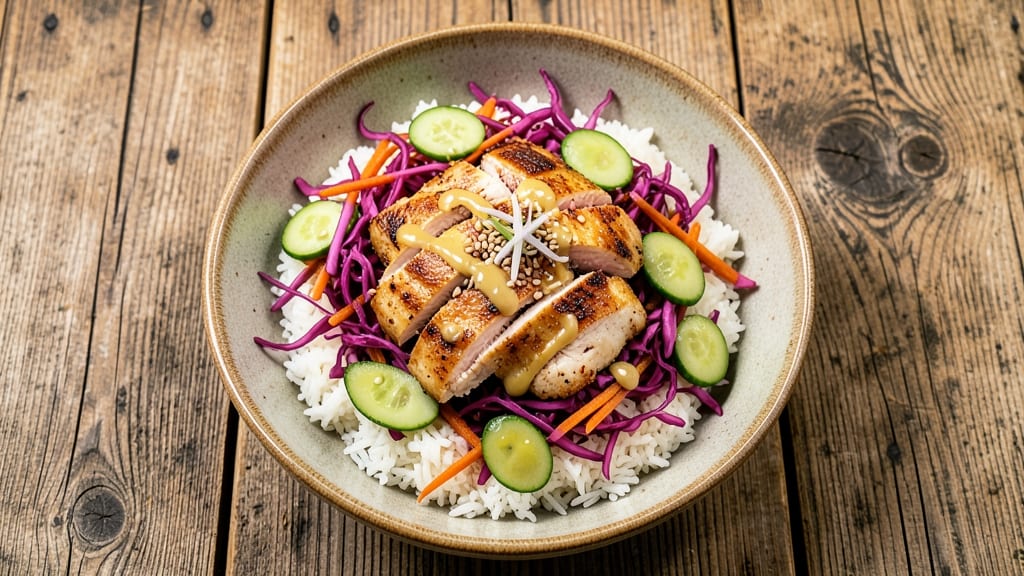
This Asian salad bowl recipe delivers a perfect balance of textures and flavors—crisp vegetables, tender protein, and a rich sesame-peanut dressing that ties everything together. I developed this bowl after years of experimenting with fusion cuisine, and it’s become a go-to for quick yet restaurant-quality meals.
The key is in the dressing: a harmonious blend of peanut butter, soy sauce, and sesame oil that adds depth without overpowering the fresh ingredients.
The beauty of this dish lies in its versatility. You can swap proteins—grilled chicken, tofu, or shrimp—depending on your preference, and the grains (rice or noodles) keep it satisfying.
The vegetables should be fresh and crunchy: shredded cabbage, carrots, and cucumbers add brightness, while edamame or snap peas bring extra texture. The dressing is the star, with a nutty, slightly sweet profile that clings to every bite.
What makes this bowl special is how effortlessly it comes together. In just 20 minutes, you’ll have a dish that’s packed with flavor and nutrition—no fancy techniques required. The dressing can be made ahead, and the components can be prepped separately for easy assembly.
Whether you’re meal prepping for the week or throwing together dinner in a hurry, this bowl delivers.
Serve it as a light lunch or a hearty dinner, and don’t forget the garnishes: toasted sesame seeds, chopped green onions, or even crispy fried shallots for extra crunch. The possibilities are endless, but the foundation remains the same—a perfectly balanced, umami-rich bowl that’s as delicious as it is satisfying.
Ingredients for asian salad bowl
Fresh vegetables, protein, and a nutty dressing—this bowl packs restaurant-quality flavor in minutes.
| Ingredient | Amount | Notes |
|---|---|---|
| Cooked Jasmine Rice 🍚 | 1 ½ cups | Day-old rice preferred for texture |
| Red Cabbage 🧅 | 2 cups | Shredded, thinly sliced |
| Cucumber 🥒 | 1 whole | English or Persian, thinly sliced |
| Carrots 🥕 | 2 medium | Julienned or matchstick-cut |
| Edamame 🌱 | 1 cup | Shelled, thawed if frozen |
| Grilled Chicken Breast 🍗 | 1 lb | Boneless, skinless, sliced thin |
| Sesame Peanut Dressing 🥜 | ½ cup | Homemade or store-bought |
| Green Onions 🧅 | 4 whole | Thinly sliced, white and green parts |
| Toasted Sesame Seeds 🌾 | 1 tbsp | For garnish |
| Sesame Oil 🫒 | 1 tbsp | For drizzling |
| Soy Sauce 🍶 | 2 tbsp | Low-sodium preferred |
| Peanut Butter 🥜 | ¼ cup | Natural, unsweetened |
| Rice Vinegar 🍶 | 1 tbsp | For dressing balance |
| Honey 🍯 | 1 tbsp | Or maple syrup for vegan |
| Garlic Cloves 🧄 | 2 cloves | Minced for dressing |
The cabbage and carrots should be vibrant and crisp—look for heads with firm leaves and no yellowing. Trader Joe's has great pre-shredded options, but whole heads last longer. For the edamame, frozen works perfectly—just thaw and rinse. The chicken? Boneless, skinless breasts cook evenly, but thighs add more richness. If you're prepping ahead, cook the chicken and rice first—they reheat beautifully while the veggies stay fresh. The dressing is where the magic happens, so don't skimp on the natural peanut butter—crunchy is better than smooth here.
No peanut butter? Almond butter or tahini works in a pinch, though the flavor shifts slightly. Short on soy sauce? Coconut aminos gives a similar umami punch. The honey can be swapped for maple syrup if you're avoiding it, but keep the amount the same. For extra crunch, add crispy fried shallots—they're worth the 10-minute fry time. If you're meal prepping, store the dressing separately to keep everything crisp. The sesame oil should be toasted—look for dark bottles in the Asian aisle, not the light-colored cooking oil section.
This bowl keeps for 4 days in the fridge if stored properly—keep dressing and veggies separate. The rice and chicken can be prepped 2 days ahead. For extra flavor, toast the sesame seeds in a dry pan for 2 minutes until fragrant. Garnish with green onions and a drizzle of sesame oil right before serving. Freezes well for 3 months if you portion the dressing separately. The dressing alone makes 1.5 cups, so double if you want leftovers for sandwiches or noodles.
Why You'll Love This Recipe
- No-Chop Nightmare: I swear by this one—just thinly slice the cabbage (or buy pre-shredded) and toss everything in raw. The cucumber’s cool crunch and edamame’s buttery snap do all the work while I’m still debating what to wear.
- Umami Bomb: That crisp red cabbage? It’s the secret weapon—slightly sweet, with a bite that wakes up the rice. Add a drizzle of soy-ginger dressing, and suddenly you’ve got a flavor party without the fuss of stir-frying.
- Lunchbox Hero: Between us, this is my go-to for work lunches or kids’ school meals. Pack it in jars or containers, and it stays fresh for days. My son even eats the carrots now—progress!
- Budget Flex: A bag of jasmine rice, a head of cabbage, and frozen edamame? This feeds four for under $10. Honestly, it’s the kind of meal that makes me feel like a genius when the grocery bill arrives.
Step-by-step instructions for Asian salad bowl with sesame peanut dressing
Assemble this vibrant bowl with perfect texture contrast and bold umami flavors.
Prepare the Vegetable Components
Start by slicing the 1 whole cucumber into thin half-moons and placing them in a large bowl. Add the 2 cups shredded red cabbage and 2 medium julienned carrots, tossing gently to combine. The cabbage should look vibrant purple, while the carrots add a bright orange contrast that pops against the pale cucumber.
Next, add the 1 cup shelled edamame to the bowl. If using frozen edamame, make sure it's thawed first for even distribution. The edamame adds a satisfying crunch and protein boost to the bowl. I like to keep the vegetables separate in the bowl for visual appeal, but you can mix them thoroughly if you prefer a uniform texture.
Assemble the Protein and Base
Add the 1.5 cups cooked jasmine rice to the bowl, spreading it evenly over the vegetables. If using day-old rice, it will be firmer and less sticky, which helps maintain the bowl's structure. The rice should form a solid base that holds all the components together.
Gently place the 1 lb sliced grilled chicken breast on top of the rice, arranging the pieces evenly for balanced bites. The warm chicken will add a rich, savory element that complements the fresh vegetables perfectly. If your chicken is particularly juicy, let it cool slightly before assembling to prevent sogginess in the bowl.
Make the Sesame Peanut Dressing
In a small bowl, whisk together the 0.25 cup natural peanut butter, 2 tbsp soy sauce, 1 tbsp rice vinegar, and 1 tbsp honey until smooth. The peanut butter should blend completely with the other ingredients, creating a thick, creamy base. This is where the umami-packed flavor profile begins to develop.
Add the 1 tbsp sesame oil and 2 minced garlic cloves, whisking until fully incorporated. The garlic adds a subtle depth that pairs beautifully with the peanut butter's richness. If the dressing seems too thick, add 1-2 teaspoons of warm water to reach your desired consistency. Taste and adjust seasoning with additional soy sauce or honey if needed.
Drizzle and Garnish
Lightly drizzle the 1 tbsp sesame oil over the assembled bowl, allowing it to coat the rice and vegetables evenly. This step enhances the nutty aroma and adds a glossy finish. The sesame oil should be distributed just before serving to maintain its fresh, toasty flavor.
Finally, sprinkle the bowl with 4 thinly sliced green onions and 1 tbsp toasted sesame seeds. The green onions add a fresh, slightly sharp contrast to the rich dressing, while the sesame seeds provide a final crunchy texture. Serve immediately while the chicken is still warm and the vegetables retain their crispness.
Serve with Perfect Balance
Divide the bowl evenly among 4 servings, ensuring each portion contains a mix of rice, vegetables, chicken, and dressing. The ideal bite should include all components: a piece of chicken, a bite of rice, crunchy vegetables, and a drizzle of peanut dressing. The contrast of textures and flavors makes this bowl incredibly satisfying.
For an extra boost, serve with additional sesame peanut dressing on the side. This allows each person to customize their bowl to their preferred level of richness. The bowl holds together beautifully, making it perfect for meal prep or a quick, nutritious lunch.
Pro Tips For Making Asian Salad Bowl
- SHOCK THE CABBAGE: Toss red cabbage with 1 tablespoon rice vinegar and ½ teaspoon sugar before slicing—it softens the fibers and keeps it crisp longer. I used to skip this and end up with a bowl of sad, limp greens by the time I added dressing.
- CUT CARROTS SMALLER: Slice carrots into ¼-inch matchsticks, not thick rounds—they’ll absorb dressing evenly and stay tender without turning mushy. Thick slices make the bowl look pretty but taste underwhelming.
- DRESS IT LAST MINUTE: Wait to add the dressing until right before serving—otherwise, the cucumbers release water and turn your bowl into a soggy rice pudding. Keep dressing separate and drizzle just as you’re plating.
- USE COLD EDAMAME: Shock shelled edamame in ice water for 10 seconds after blanching, then drain well—this stops cooking and keeps them bright green and crisp. Warm edamame makes the whole bowl taste stale by comparison.
Common mistakes when making perfect results
Overcooking the Rice
Day-old rice is ideal, but freshly cooked rice can turn mushy when mixed with dressings. I’ve ruined many bowls by using rice that’s still warm and sticky—it absorbs all the moisture from the veggies and dressing, turning the whole thing into a sad, soggy mess.
If you must use fresh rice, spread it on a tray and chill for 30 minutes before assembling. This helps it firm up and hold its shape. 🥣
Skipping the Dressing Prep
The sesame peanut dressing is what ties everything together, and cutting corners here is a big mistake. I once used store-bought peanut sauce straight from the bottle—it was way too sweet and lacked the balance of umami and acidity.
Always make your own dressing using natural peanut butter (not the sweetened kind) and adjust the soy sauce and honey to taste. The ratio of peanut butter to soy sauce is critical—aim for a 1:1 ratio to start. 🥜
Using Wilted Vegetables
Nothing ruins a salad bowl faster than limp, sad vegetables. I’ve made this mistake by chopping carrots or cabbage too far in advance, letting them sit out while I cooked other components. Always prep your veggies right before assembling the bowl.
If you’re meal prepping, store them separately in airtight containers and add the dressing just before eating. For extra crunch, toss your shredded cabbage with 1 tsp lemon juice right before assembling—it’ll keep it crisp for hours. 🥕
Uneven Protein Distribution
I’ve seen (and made!) bowls where the chicken is all clumped in one corner while the other side is just rice and veggies. The key is to distribute the protein evenly so every bite has that satisfying mix of textures and flavors.
When adding the sliced chicken, spread it out in a thin, even layer over the rice. For extra presentation, fan the slices slightly so they look intentional and appetizing. 🍗
Ignoring the Garnish
Toasted sesame seeds and green onions aren’t just for looks—they add crucial texture and freshness. I’ve served bowls without them, and while they were still delicious, they felt missing something. The sesame seeds provide that final crunch, while the green onions cut through the richness.
Always garnish right before serving to keep everything fresh. Pro tip: Toast your sesame seeds in a dry pan for just 1-2 minutes until fragrant—it makes all the difference. 🌿
Storing Components Improperly
This is a common downfall when meal prepping. If you store the dressing mixed with the other components, the veggies will turn soggy within hours. Always keep the dressing separate until ready to eat.
For the best results, store the rice, protein, and veggies in one container, and the dressing in a small jar or separate container. When reheating, add the dressing just before serving to maintain that perfect crunch. ❄️
Nutrition facts
Frequently asked questions
Can I make this Asian salad bowl vegetarian?
Replace the grilled chicken with 1 lb firm tofu (pressed and pan-fried) or 1 cup baked tempeh for extra protein and nutty flavor. Add extra edamame or swap in marinated mushrooms for more texture. The sesame peanut dressing works perfectly with plant-based proteins.
How do I adjust the dressing for nut-free diets?
Use sunflower seed butter instead of peanut butter (1:1 ratio) and add 1 tsp sesame paste for depth. For extra richness, blend in 1 tbsp tahini with the other dressing ingredients. Always check labels—some seed butters contain peanuts as cross-contaminants.
What's the best way to meal prep this bowl?
Store components separately: rice + protein in one container, veggies in another, and dressing in a small jar. Assemble within 24 hours to maintain crunch. Reheat only the rice and protein (microwave 2 minutes with a damp paper towel), then add fresh veggies and dressing when serving.
Can I use quinoa instead of rice?
Yes! Cook 1 cup quinoa (yields ~3 cups cooked) for a protein-rich alternative. The nutty flavor complements the peanut dressing beautifully. For best texture, use day-old quinoa and rinse before assembling to remove excess starch that could make the bowl gummy.
What if I don't have sesame oil?
Use avocado oil or neutral oil (like grapeseed) for cooking, but for the dressing, add ½ tsp toasted sesame seeds blended into the peanut butter base. This preserves the authentic flavor profile while keeping the dish cohesive.