
Side Dishes
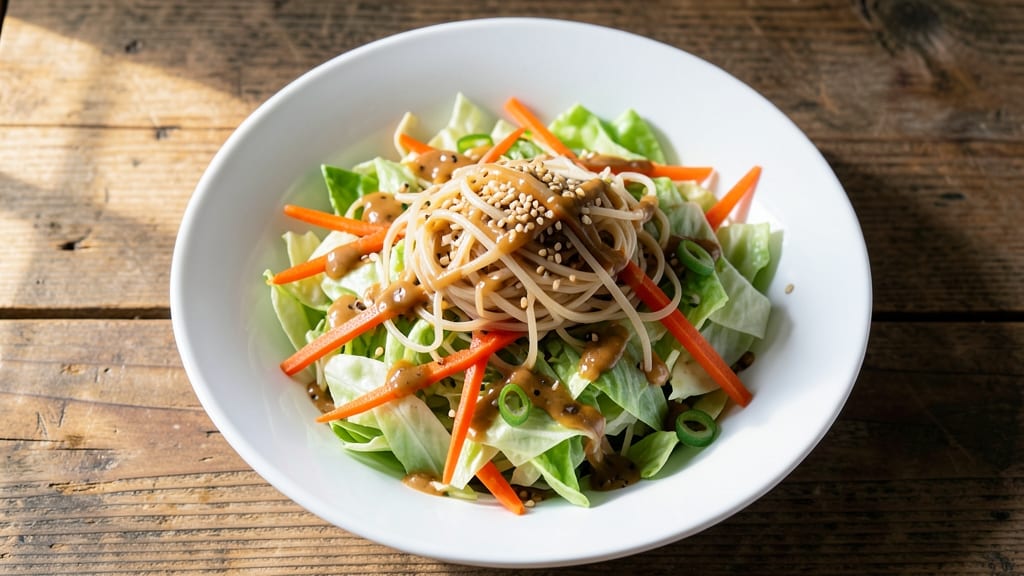
This Asian slaw and salad recipe transforms simple ingredients into a vibrant, restaurant-quality dish with a crunchy rice noodle twist and tangy peanut dressing. 🌟 The perfect balance of textures—crisp vegetables, chewy noodles, and creamy dressing—makes this salad a standout side or even a satisfying main course when paired with protein.
I developed this recipe after craving something fresh, flavorful, and easy to customize for any meal.
The foundation of this salad lies in the authentic Asian-inspired dressing, where peanut butter, soy sauce, and lime create a rich, tangy base that coats every ingredient perfectly.
Shredded cabbage, carrots, and rice noodles provide the crunch, while optional additions like grilled chicken, tofu, or edamame elevate it into a hearty meal. The beauty of this recipe is its flexibility—adjust the veggies based on what’s in season or your taste preferences.
What sets this dish apart is the textural contrast: tender rice noodles, crisp raw vegetables, and a velvety dressing that ties everything together. The tangy peanut sauce adds depth, while a sprinkle of sesame seeds and chopped cilantro adds freshness and visual appeal.
This salad is as satisfying as it is beautiful, making it ideal for lunchboxes, potlucks, or a quick weeknight dinner.
Presentation is key—serve it in a wide bowl to showcase the colors, or pack it in jars for meal prep. Garnish with sliced peanuts or a drizzle of chili oil for extra flair.
Whether you're serving it alongside grilled meats or enjoying it on its own, this Asian slaw and salad recipe delivers bold flavors and crunch in every bite.
Ingredients for asian slaw asian salad
Vibrant vegetables, chewy noodles, and a rich peanut dressing create this restaurant-worthy Asian-inspired salad.
| Ingredient | Amount | Notes |
|---|---|---|
| Shredded Green Cabbage 🥬 | 4 cups | Thinly sliced for crisp texture |
| Carrots 🥕 | 2 medium | Julienned or thinly sliced |
| Rice Noodles 🍜 | 8 oz | Uncooked, thin variety preferred |
| Natural Peanut Butter 🥜 | ½ cup | Creamy, unsweetened preferred |
| Soy Sauce 🥢 | ⅓ cup | Low-sodium preferred |
| Lime Juice 🍋 | ¼ cup | Freshly squeezed |
| Sesame Oil 🫒 | 1 tbsp | Toasted sesame oil preferred |
| Honey 🍯 | 2 tbsp | Substitute maple syrup if vegan |
| Garlic Cloves 🧄 | 3 cloves | Minced for dressing |
| Fresh Cilantro 🌿 | ⅓ cup | Chopped, stems removed |
| Sesame Seeds 🌰 | 2 tbsp | Toasted for garnish |
| Red Bell Pepper 🌶️ | 1 medium | Thinly sliced, optional |
| Chili Garlic Sauce 🔥 | 1 tbsp | For heat, optional |
| Salt 🧂 | 1 tsp | Kosher or sea salt |
| Black Pepper 🌶️ | ½ tsp | Freshly ground |
The cabbage and carrots should be fresh and crisp—look for bright green leaves and firm, vibrant orange carrots at the store. Whole Foods or local Asian markets often carry the best quality for this dish. If using pre-shredded cabbage, rinse it thoroughly to remove excess moisture that can make the salad soggy. For the rice noodles, banh pho or vermicelli work best—check the Asian aisle at Trader Joe's or Costco for affordable bulk options. The peanut butter must be natural and unsweetened to avoid cloying flavors; Smucker's Natural is a reliable brand. Fresh garlic and lime are non-negotiable—they elevate the dressing from good to exceptional.
No peanut butter? Sunflower seed butter works as a nut-free alternative, though the flavor will differ slightly. Low-sodium soy sauce is preferred, but regular soy sauce can be used with an extra pinch of salt. Substitute maple syrup for honey if needed, though the dressing will be slightly less balanced. For extra crunch, add shredded jicama or daikon radish—both hold up well in salads. If you're avoiding gluten, tamari replaces soy sauce perfectly. The sesame oil should be toasted for maximum aroma; Kadoya brand is widely available and excellent. For heat lovers, chili crisp can replace the chili garlic sauce for a smoky kick.
Store uncooked rice noodles in an airtight container in a cool, dry place for up to 6 months. Once cooked, refrigerate them in a sealed container with a damp paper towel to prevent drying for 3-4 days. The dressing keeps well in the fridge for 5 days, though the lime juice will mellow slightly over time. For meal prep, pack the salad in jars with dressing on the bottom and vegetables on top to maintain crispness. Garnish with toasted sesame seeds and chopped cilantro just before serving to preserve freshness. This salad reheats beautifully—microwave for 30 seconds to revive the noodles if needed.
Why You'll Love This Recipe
- No-Cook Base: I swear by the raw cabbage and carrots—just shred, toss, and go. No boiling, no waiting, just crisp textures that hold up like a champ.
- Peanut Butter Magic: That creamy peanut sauce? It’s the star. One spoonful of natural peanut butter, a splash of soy sauce, and boom—sweet, salty, nutty perfection that sticks to every bite.
- Lunchbox Hero: Honestly, this is my go-to for packed lunches. Rice noodles stay chewy, the veggies don’t wilt, and the sauce keeps everything fresh for days—no sad soggy salads here.
- Budget Powerhouse: Green cabbage lasts forever, rice noodles cost pennies, and peanut butter stretches forever. I’ve fed four people for under $10, and they all asked for seconds. (Yes, even my picky eater.)
Step-by-step instructions for crispy rice noodle Asian slaw
Here's how to assemble this vibrant, crunchy salad with perfect texture balance.
👨🍳 Step 1: Prepare the Crunchy Vegetable Base
In a large mixing bowl, combine the 4 cups shredded green cabbage and 2 medium julienned carrots. Add the 1 medium thinly sliced red bell pepper if using. Toss gently with your hands or a large spoon until the vegetables are evenly distributed. The cabbage should remain crisp rather than wilted—this is your goal texture.
I like to work in batches if needed to ensure even coating later. Sprinkle the vegetables with 1 teaspoon salt and ½ teaspoon black pepper, then toss again. Let the mixture sit for 5 minutes while you prepare the noodles—this allows the salt to draw out excess moisture, keeping everything crisp.
🍳 Step 2: Cook the Rice Noodles Al Dente
Bring a large pot of water to a rolling boil. Add the 8 oz rice noodles and cook for 2 minutes less than the package instructions specify. Rice noodles cook faster than wheat noodles and become mushy quickly when overcooked. Drain immediately in a colander and rinse under cold water for 10 seconds to stop the cooking process.
Transfer the noodles to the same bowl with the vegetables. Add 1 tablespoon sesame oil and toss gently to coat. The noodles should be warm but still hold their shape when pressed between fingers. If they feel too soft, return them to the pot with fresh boiling water for 30 seconds—this is your quality control check.
🥘 Step 3: Make the Tangy Peanut Dressing
In a small bowl, whisk together the ½ cup natural peanut butter, ⅓ cup soy sauce, ¼ cup lime juice, 2 tablespoons honey, 1 tablespoon chili garlic sauce (if using), and 3 minced garlic cloves. The mixture will be thick initially, so add 1 tablespoon sesame oil and whisk vigorously until smooth and emulsified.
Here's the thing—peanut butter can separate if not properly emulsified. To ensure a silky dressing, add ingredients in this order: peanut butter first, then liquids. If it still looks grainy, whisk in 1 teaspoon hot water to help bind it. The dressing should coat the back of a spoon with a glossy sheen.
🍽️ Step 4: Combine and Toss with Fresh Herbs
Pour the peanut dressing over the noodle and vegetable mixture. Using clean hands or a large spoon, toss everything together until every strand of noodle and piece of vegetable is evenly coated. The dressing should cling rather than pool at the bottom—this indicates proper texture.
Add the ⅓ cup chopped fresh cilantro and toss once more. The cilantro should be distributed evenly but still visible throughout. For extra crunch, sprinkle the 2 tablespoons toasted sesame seeds over the top. Serve immediately while the noodles are still warm and the vegetables remain crisp.
Pro Tips For Making Asian Slaw Asian Salad
- SOAK NOODLES COLD: I used to dump boiling water on rice noodles like they were pasta—big mistake. Instead, soak them in room-temperature water for 10-15 minutes until they’re pliable but still hold shape. Cold water prevents clumping, and you’ll get that perfect chewy texture without overcooking.
- JULIENNE CARROTS FAST: Skip the knife entirely for this one. Use a vegetable peeler to make thin strips, then stack them and slice with a sharp chef’s knife in one motion. Takes half the time and gives you those uniform ribbons that look fancy but are stupid easy.
- PEANUT BUTTER FIRST: Whisk the peanut butter into the dressing before adding soy sauce—otherwise, you’ll end up with gritty clumps. Start with 1 tablespoon, then adjust to taste, because natural peanut butter thickens differently than the processed stuff.
- CABBAGE STAY CRISP: Toss the shredded cabbage with 1 teaspoon of rice vinegar or lime juice right after chopping. Lets it soften just enough for the dressing to cling, but keeps it from turning into mush when you add the noodles later. (Yes, even if you’re impatient like me.)
Common mistakes when making perfect results
Overcooking Noodles
Rice noodles are delicate and turn mushy when overcooked—this is the #1 mistake I see. Always cook them 2 minutes less than package instructions and rinse immediately in cold water.
The goal is al dente texture that holds its shape. If they feel too soft after tossing, briefly reheat in boiling water for 30 seconds max. 🌡️
Skipping Salting Time
Many people skip the 5-minute salt resting period for vegetables, which leads to soggy cabbage. The salt draws out moisture that would otherwise make your salad limp.
Don't rush this step—it's what keeps your veggies crisp for hours. Use 1 tsp kosher salt and let it work its magic before adding dressing. 🥬
Uneven Dressing Distribution
Pouring dressing all at once often leaves some ingredients dry while others get too saucy. Instead, start with half the dressing, toss thoroughly, then add the rest.
For the peanut sauce specifically, whisk it until completely smooth first—any lumps will create uneven coating. The dressing should cling to everything, not pool at the bottom. 🥜
Using Wrong Peanut Butter
Sweetened or powdered peanut butter will make your dressing cloyingly sweet. Always use 100% natural, unsweetened peanut butter like Smucker's Natural. If you're avoiding peanuts, sunflower seed butter works but has a different flavor profile. Never substitute creamy peanut butter with chunky—it won't emulsify properly. 🌰
Adding Dressing Too Early
Some people mix dressing with vegetables before adding noodles, which makes everything soggy. Always add dressing after combining noodles and vegetables. The warm noodles help emulsify the dressing better, creating that perfect silky texture. Toss immediately after adding to prevent separation. 🔥
Ignoring Fresh Ingredients
Pre-shredded cabbage often contains excess moisture that ruins texture. Always rinse and dry thoroughly before using. For the dressing, fresh lime juice and minced garlic are non-negotiable—bottled versions lack the brightness. The cilantro should be freshly chopped right before serving, not prepped hours ahead. 🌿
Nutrition facts
Frequently asked questions
Can I make this Asian slaw without rice noodles?
Swap the rice noodles for shredded jicama or thinly sliced cucumber to keep it crisp. For extra protein, add edamame, grilled chicken, or crispy tofu. The key is maintaining that crunchy texture—just adjust cooking times if using alternative ingredients.
How can I make the peanut dressing less sweet?
Reduce the honey to 1 tablespoon and add 1 extra teaspoon of lime juice to balance flavors. For a tangier version, increase soy sauce to ⅓ cup + 1 tablespoon or add ½ teaspoon rice vinegar. Always taste as you go—adjust in small increments.
Is this salad gluten-free?
Yes, it's naturally gluten-free if you use tamari instead of soy sauce and verify your peanut butter is gluten-free. Double-check rice noodles—some brands contain wheat. For extra safety, use certified gluten-free rice noodles like those from Thai Kitchen or Rice Noodle brand.
Can I prepare this ahead of time?
Store the dressing separately in the fridge for up to 5 days. Keep vegetables and noodles in airtight containers for 2 days max—toss with dressing just before serving to maintain crispness. For meal prep, pack dressing in a small container and mix when ready to eat.
What are good protein pairings?
Grilled chicken breast, shrimp, or crispy baked tofu work beautifully. For vegetarian options, try marinated tempeh or seared halloumi cheese. Keep proteins separate until serving to prevent sogginess. The warm protein contrasts perfectly with the cool, crunchy salad.