
Salads
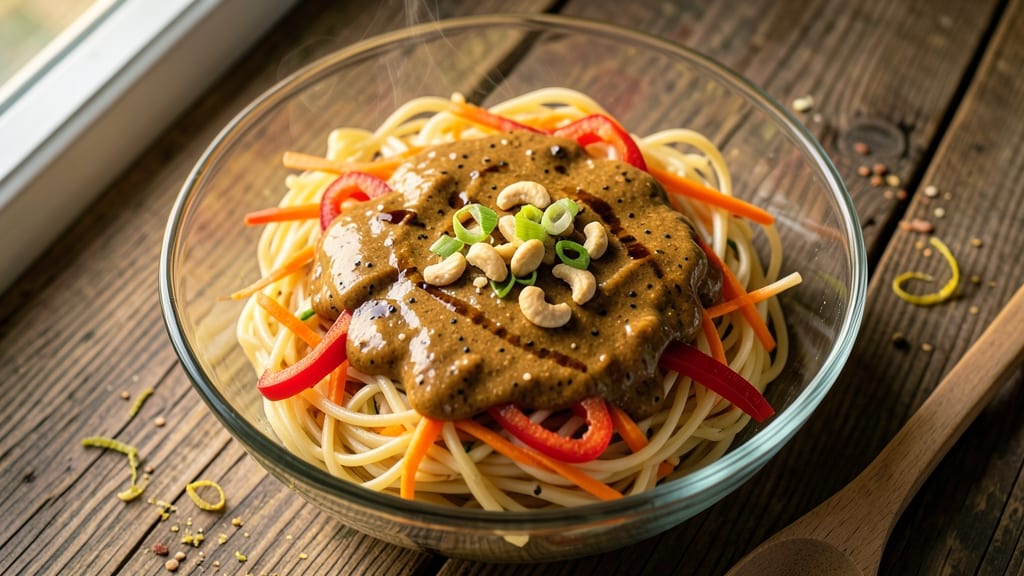
This Asian spaghetti salad recipe delivers a perfect balance of textures and flavors—crispy noodles, fresh vegetables, and a tangy peanut dressing that ties everything together. The secret lies in the dressing: a blend of peanut butter, soy sauce, and lime juice that adds depth without overpowering the dish.
I developed this recipe after craving something light yet satisfying, and it quickly became a staple for picnics, potlucks, and easy weeknight dinners.
The foundation of this salad is crunchy spaghetti (cooked and chilled for texture), paired with shredded carrots, cucumber, and bell peppers for freshness. A protein boost comes from optional additions like grilled chicken or chickpeas, making it adaptable for any meal.
The dressing is the star—creamy, slightly sweet, and packed with umami from soy sauce and sesame oil.
What you’ll end up with is a salad that’s bold in flavor but light on calories, perfect for warm weather or when you want something hearty without the heaviness.
The noodles stay crispy thanks to a quick rinse in cold water after cooking, while the dressing clings to every bite for maximum flavor impact. It’s the kind of dish that disappears fast, so make a big batch.
This recipe is versatile enough for any occasion—serve it as a side for grilled meats, a main dish with extra protein, or even as a cold appetizer. The tangy peanut dressing elevates simple ingredients into something restaurant-worthy. Let’s get started!
Ingredients for asian spaghetti salad
Crispy noodles meet vibrant vegetables and a rich peanut dressing for this restaurant-quality Asian-inspired salad.
| Ingredient | Amount | Notes |
|---|---|---|
| Spaghetti Noodles 🍝 | 12 oz | Cooked al dente, chilled |
| Natural Peanut Butter 🥜 | ½ cup | Creamy, unsweetened |
| Lime Juice 🍋 | ¼ cup | Freshly squeezed |
| Soy Sauce 🥢 | ¼ cup | Low-sodium preferred |
| Sesame Oil 🫒 | 1 tbsp | Toasted for aroma |
| Carrots 🥕 | 1 ½ cups | Shredded, medium size |
| English Cucumber 🥒 | 1 whole | Seedless, thinly sliced |
| Red Bell Pepper 🌶️ | 1 whole | Thinly sliced, seeds removed |
| Green Onions 🧅 | ¼ cup | Thinly sliced, white/green |
| Sesame Seeds 🌱 | 2 tbsp | Toasted for garnish |
| Chicken Breast 🍗 | 1 ½ lb | Grilled, diced optional |
| Extra-Virgin Olive Oil 🫒 | 2 tbsp | For tossing |
| Honey 🍯 | 1 tbsp | For dressing balance |
| Garlic Cloves 🧄 | 2 cloves | Minced for dressing |
| Diamond Crystal Kosher Salt 🧂 | 1 tsp | For seasoning |
The spaghetti is the backbone—use bronze-die pasta for extra texture, and cook it just shy of al dente for that perfect bite. Whole Foods or Trader Joe's carry excellent brands like De Cecco or Barilla. For the dressing, natural peanut butter (like Smucker's or 365) is essential—avoid the sweetened versions. Fresh lime juice makes all the difference, so don't skip squeezing your own. The carrots should be medium-sized for even shredding—peel them first for cleaner texture. If you're short on time, pre-shredded carrots work in a pinch.
No peanut butter? Sunflower seed butter (like SunButter) delivers a similar texture and flavor profile. Running out of sesame oil? Toasted sesame seeds plus olive oil can mimic the aroma. The optional chicken can be swapped for grilled shrimp or crispy chickpeas for a vegetarian option. For extra crunch, add crushed peanuts or toasted cashews—just toast them in the same pan you cook the chicken. The honey in the dressing balances the acidity, but maple syrup works equally well for a vegan version.
Store the dressing separately for up to 5 days in the fridge, and keep the noodles and veggies in an airtight container for 3 days maximum. The dressing thickens when chilled—stir before using. For meal prep, portion the dressing into small jars and toss with the salad components just before serving. This salad keeps its crispness best when assembled fresh, but the components hold up well for 2 days if stored separately. Garnish with fresh herbs like cilantro or mint if available—they add a bright contrast to the rich peanut flavor.
Why You'll Love This Recipe
- No-Cook Dressing Hack: I swear by this shortcut—just whisk peanut butter, lime juice, soy sauce, and sesame oil with a splash of water until it’s velvety smooth. No blender, no fuss, and it tastes like it simmered for hours.
- Umami-Packed Punch: That combo of soy sauce and sesame oil? It’s the secret weapon here. The peanut butter adds richness, while the lime cuts through it all—bright, salty, nutty, and just a little tangy. My picky eaters actually ask for seconds.
- Lunchbox Legend: Between us, this salad holds up perfectly for days. Pack it in jars or containers, and it’s my go-to for work lunches or kids’ school meals. The noodles stay al dente, and the dressing clings like glue—no soggy mess.
- Pantry Staple Magic: Honestly, I make this when I’m low on ingredients because everything’s already in my cupboard. Peanut butter, soy sauce, lime—if you’ve got those basics, you’ve got a meal. And it’s cheaper than takeout, too.
Step-by-step instructions for Asian spaghetti salad
Here's how to assemble this refreshing, protein-packed salad with perfect texture contrast.
Cook and Prepare the Spaghetti Noodles
Bring a large pot of water to a rolling boil and add 1 tsp Diamond Crystal Kosher Salt. Cook the 12 oz spaghetti noodles according to package instructions until al dente—they should have a slight bite but still be tender. Drain immediately and rinse under cold water to stop the cooking process and remove excess starch.
Transfer the noodles to a large mixing bowl and let them cool completely before adding other ingredients. Chilled noodles prevent the salad from becoming soggy when combined with dressings and vegetables. I like to spread them out on a baking sheet for 10 minutes to speed up the cooling process if needed.
Grill and Dice the Chicken Breast
Season the 1.5 lb chicken breast generously with 1 tsp Diamond Crystal Kosher Salt and 2 tbsp extra-virgin olive oil. Grill over medium-high heat for 6-8 minutes per side until the internal temperature reaches 165°F and the juices run clear. Let the chicken rest for 5 minutes before dicing into ½-inch cubes—this ensures tender, evenly cooked pieces.
For extra flavor, I like to brush the chicken with a mixture of 1 tbsp soy sauce and 1 tbsp honey before grilling. This adds a subtle sweet-savory depth that complements the peanut dressing perfectly. Keep the diced chicken separate until you're ready to assemble the salad.
Prepare the Tangy Peanut Dressing
In a small bowl, whisk together the 0.5 cup natural peanut butter, 0.25 cup lime juice, 0.25 cup soy sauce, 1 tbsp honey, 1 tbsp sesame oil, and 2 minced garlic cloves until smooth. The dressing should be thick but pourable—if it's too stiff, add 1-2 tablespoons of warm water to reach your desired consistency.
Taste and adjust the balance of flavors. If it needs more acidity, add a splash more lime juice. If it's too sharp, a touch of honey will mellow the tang. This dressing is the heart of the salad, so take your time getting it just right—it should coat the noodles and vegetables evenly without making them soggy.
Assemble the Crunchy Vegetables
In a separate large bowl, combine the 1.5 cups shredded carrots, 1 whole English cucumber (thinly sliced), 1 whole red bell pepper (thinly sliced), and 0.25 cup sliced green onions. Toss gently to distribute the vegetables evenly. The goal is to keep them crisp and vibrant—avoid over-mixing, which can bruise the delicate cucumber and bell pepper.
For extra texture, toast the 2 tbsp sesame seeds in a dry skillet over low heat for 1-2 minutes until fragrant. Let them cool slightly before sprinkling over the salad just before serving. This adds a nutty crunch that contrasts beautifully with the soft noodles and tender chicken.
Combine and Toss Everything Together
Add the cooled spaghetti noodles, diced chicken, and vegetable mixture to the bowl with the peanut dressing. Gently fold everything together using two large spoons or your hands, being careful not to over-mix. The salad should be well-coated but still retain its individual textures—crisp vegetables, tender chicken, and al dente noodles.
Let the salad sit for 10-15 minutes before serving to allow the flavors to meld. If you prefer a warmer salad, you can briefly heat the dressing in a small saucepan over low heat (just until it's warm but not hot) and toss it with the salad components. Serve immediately and garnish with additional sesame seeds and green onions for freshness and visual appeal.
Pro Tips For Making Asian Spaghetti Salad
- COOK NOODLES AL DENTE: This isn’t Italian pasta—stop cooking it until it’s mushy. Pull the spaghetti when it’s still firm to the bite (about 1 minute less than package instructions), then rinse immediately in cold water. The starch clings to the noodles, making the peanut dressing stick better and preventing a gummy mess later.
- DILUTE PEANUT BUTTER FIRST: Dumping thick natural peanut butter straight into the salad will clump like a glue factory exploded. Mix it with 2 tablespoons of warm water or lime juice first—this thins it out while keeping the flavor bright. Stir until it’s the consistency of heavy cream, then toss in the rest.
- SALT THE NOODLES AFTER RINSING: I used to add salt to the boiling water, but the noodles end up tasting like a bland, waterlogged sponge. Instead, toss them with a pinch of soy sauce and a drizzle of sesame oil after rinsing—this seasoning actually sticks and balances the peanut’s richness.
- WAIT BEFORE ADDING LIME: Lime juice cuts through everything, but if you dump it in too early, the salad turns bitter and the flavors separate. Let the peanut dressing and noodles sit for 10 minutes first, then stir in the lime juice just before serving. This keeps the brightness sharp and the textures cohesive.
Regional styles of these flavors
Japanese-Inspired Version
Swap the peanut dressing for a tahini-lime dressing—mix ¼ cup tahini, 3 tbsp rice vinegar, 1 tbsp honey, 1 tbsp toasted sesame oil, and 1 tsp grated ginger. Add ½ cup edamame for protein and thinly sliced scallions instead of green onions.
Top with toasted nori strips for an umami kick. This version keeps the crunch but shifts to a nutty, citrus-forward flavor profile. 🌿
Thai-Inspired Fusion
Boost the dressing with 1 tbsp fish sauce, 1 tsp chili flakes, and ½ tsp palm sugar (or brown sugar). Add ½ cup shredded red cabbage for crunch and ½ cup chopped cilantro for brightness.
For protein, use grilled shrimp instead of chicken. The dressing becomes richer and slightly spicy, balancing the salad’s freshness. 🌶️
Korean-Inspired Twist
Replace the peanut butter with gochujang—mix 2 tbsp gochujang, 2 tbsp soy sauce, 1 tbsp honey, and 1 tbsp sesame oil. Add ½ cup julienned cucumber and ½ cup shredded purple cabbage for color.
Top with crispy fried shallots and sesame seeds. The dressing gains a spicy, fermented depth that pairs perfectly with the noodles. 💛
Vietnamese-Inspired Refresh
Use a nuoc cham-inspired dressing—mix ¼ cup fish sauce, 2 tbsp lime juice, 1 tbsp honey, and 1 tbsp water. Add ½ cup sliced mint and ½ cup shredded carrots for freshness.
Swap the chicken for grilled pork slices or tofu. The dressing is lighter but still bold, with a tangy, salty balance. 🍃
Filipino-Inspired Adaptation
Add a sweet and savory twist by incorporating 1 tbsp soy sauce, 1 tbsp calamansi juice (or lime), and ½ tsp black pepper. Include ½ cup sliced bell peppers and ½ cup shredded cabbage.
Top with crispy lechon kawali (Filipino fried pork) or crispy tofu** for texture. The dressing becomes slightly sweeter, mirroring Filipino flavors. 🍗
Nutrition facts
Frequently asked questions
Can I use regular spaghetti or should I get a special noodle for this recipe?
Regular spaghetti works perfectly, but for extra texture, try bronze-die pasta like De Cecco or Barilla. The ridges help the dressing cling better, and cooking it slightly underdone (al dente) ensures crispness. If you can't find bronze-die, any good-quality dried spaghetti will do—just rinse it well after cooking to remove excess starch.
How do I keep the noodles from getting soggy when making this ahead?
Store the cooked noodles separately in an airtight container in the fridge for up to 3 days. Keep the dressing in a small jar and toss it with the noodles and veggies right before serving. For extra insurance, rinse the noodles in cold water again after cooking and pat them dry with a kitchen towel before storing.
What can I substitute if I'm allergic to peanuts?
Use sunflower seed butter (like SunButter) or tahini for a nut-free version. For the dressing, blend ½ cup sunflower seed butter with the same ingredients, or swap for a sesame-ginger dressing (mix ¼ cup tahini, 3 tbsp rice vinegar, 1 tbsp honey, and 1 tsp grated ginger). Both work beautifully!
Can I make this salad without meat?
Swap the chicken for grilled shrimp, crispy chickpeas, or tofu cubes (pan-fried with soy sauce and sesame oil). For extra protein, add ½ cup edamame or ½ cup shredded rotisserie chicken. The peanut dressing pairs well with all these options—just adjust the saltiness if using pre-seasoned proteins.
Why does my dressing taste too thick or too thin?
If it's too thick, stir in 1-2 tablespoons of warm water until smooth. For a thinner consistency, add 1 teaspoon of lime juice or a splash of water. The ideal texture should coat a spoon but still drizzle easily. Pro tip: Let the dressing sit for 5 minutes after mixing—it thickens as it cools!