
Salads
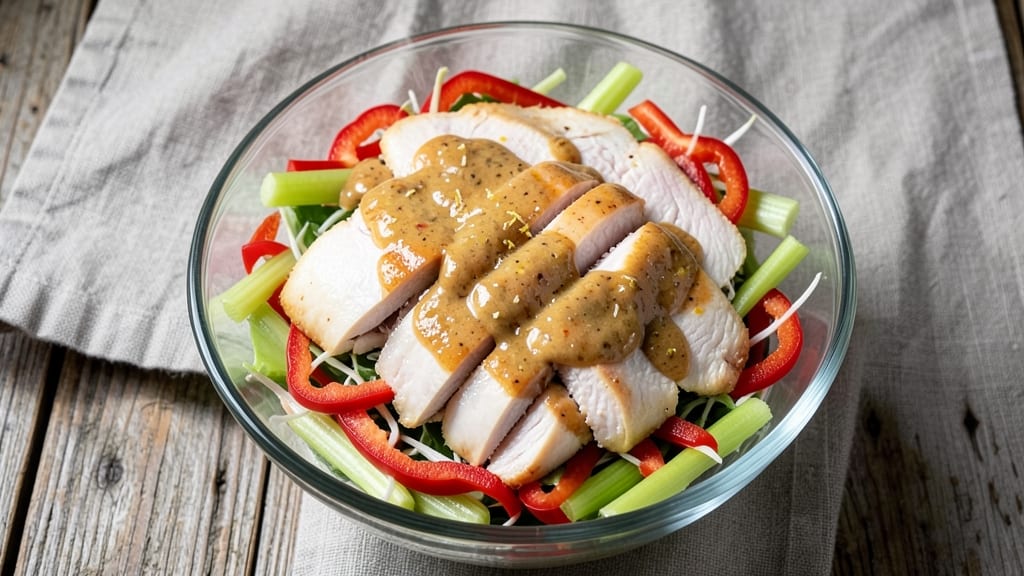
This Atkins diet chicken salad recipe delivers all the satisfying crunch and protein you crave without a single carb in sight. The secret lies in perfectly cooked chicken, a creamy mayo-based dressing, and crunchy low-carb mix-ins that keep every bite flavorful yet compliant. I developed this version after realizing most traditional chicken salads rely on breadcrumbs or sugary dressings—this one skips those completely while delivering restaurant-quality texture.
The foundation starts with tender, shredded chicken breast cooked just until juicy (never dry), then tossed with a dressing made from mayo, Dijon mustard, and a touch of lemon—no sugar needed for that bright, tangy kick.
Celery and diced bell peppers add fresh crunch, while shredded cheddar provides that satisfying salty bite. What makes this different is how the ingredients work together: the dressing binds without excess moisture, and the mix-ins stay crisp even when refrigerated.
By the time you plate this salad, you'll have a dish that's high-protein, low-carb, and packed with flavor—perfect for meal prep or a quick lunch.
The texture is what sets it apart: creamy yet crunchy, with every bite delivering that satisfying mouthfeel you'd expect from a traditional chicken salad. It's the kind of recipe that proves low-carb eating doesn't mean sacrificing taste or texture.
Portion control is built in—each serving delivers clean protein without the carb overload. Serve it over lettuce for extra volume or enjoy it straight from the bowl. Here's how to make it perfectly every time.
Ingredients for atkins diet chicken salad
High-protein, zero-carb ingredients that deliver restaurant-style crunch and creaminess without the guilt.
| Ingredient | Amount | Notes |
|---|---|---|
| Boneless Skinless Chicken Breast 🍗 | 1 ½ lb | Cooked and shredded, no dryness |
| Mayonnaise 🥫 | ½ cup | Dijon-infused preferred for tang |
| Dijon Mustard 🌶️ | 1 tbsp | Whole grain for texture |
| Lemon Juice 🍋 | 1 tbsp | Freshly squeezed, no pulp |
| Celery Sticks 🧅 | 1 ½ cups | Finely chopped, fresh crunch |
| Red Bell Pepper 🌶️ | ½ cup | Diced, seedless for clean texture |
| Shredded Cheddar Cheese 🧀 | ½ cup | Sharp cheddar, freshly grated |
| Pork Rinds 🍖 | ½ cup | Crushed, low-carb crunch |
| Green Onions 🧅 | 2 whole | Thinly sliced, fresh flavor |
| Salt 🧂 | ½ tsp | Kosher or sea salt |
| Black Pepper 🌶️ | ¼ tsp | Freshly ground for heat |
| Iceberg Lettuce 🥬 | 4 cups | Shredded, for serving base |
The chicken is the star—look for boneless, skinless breasts with good marbling for juiciness. I always grab mine from Whole Foods or the butcher counter at Kroger for the freshest cuts. Cook it just until the internal temp hits 165°F, then shred it while still warm so it stays tender. The key is to avoid overcooking—dry chicken ruins the texture. For extra flavor, I like to season the raw chicken with a pinch of garlic powder and onion powder before cooking, but that's optional.
No mayo? Greek yogurt with a splash of lemon works in a pinch, though the texture won't be identical. Pork rinds are non-negotiable for crunch—Trader Joe's has the best pre-crushed kind, but any brand will do if you pulse them in a food processor. The celery and bell pepper should be fresh, not wilted—store-bought pre-chopped veggies often have too much water, so chop your own if possible. For the cheddar, sharp varieties like Cabot or Tillamook add the most flavor. And if you're watching fat, use light mayo but add an extra tablespoon of Dijon to keep it tangy.
This salad keeps beautifully for 4-5 days in the fridge, though the pork rinds may lose some crunch after day 3. I always make a double batch—one for lunch, one to pack for work. To reheat, just microwave for 30 seconds with a splash of water to revive the texture. For serving, I like to pile it over iceberg lettuce leaves for that classic salad presentation, but you can eat it straight from the bowl too. The flavors actually improve after sitting overnight, so leftovers are a bonus.
Why You'll Love This Recipe
- No-Cook Assembly: The chicken cooks in 20 minutes, then it’s just chop-chop-chop. No oven, no fuss—just shred that breast, mix in mayo and mustard, and toss with celery. Honestly, I’ve made this while waiting for my coffee to brew.
- Bright Tangy Kick: That Dijon mustard and lemon juice? Oh, it’s good—cuts through the richness of the mayo and keeps it from feeling heavy. The celery adds a satisfying crunch, like a fresh breath of air in every bite.
- Lunchbox Legend: Pack it in containers for work or school—it holds up perfectly for days. Between us, this is the only salad I actually look forward to eating cold. (Yes, even on a Tuesday night.)
- Budget Meal Maker: Chicken breast is affordable, and you’ll use half a jar of mayo for a week’s worth of lunches. I’ll be real: this recipe stretches my grocery dollars without sacrificing flavor. Leftovers? Always delicious.
Step-by-step instructions for Atkins diet chicken salad recipe
Here's how to assemble this protein-packed salad with crisp textures and bold flavors—no carbs in sight.
Cook and Shred the Chicken Breast
Place the 1.5 lb boneless skinless chicken breast in a medium saucepan and cover with water. Bring to a boil over high heat, then immediately reduce to a simmer. Cook for 12-15 minutes until the internal temperature reaches 165°F and the meat is no longer pink in the center. You'll know it's done when a knife slides in easily with no resistance.
Transfer the chicken to a cutting board and let it rest for 5 minutes before shredding. I like to use two forks to pull the meat apart into ¼-inch thick strands—this creates that perfect texture for chicken salad. Avoid tearing it too aggressively, as you want the pieces to stay tender rather than stringy. Discard any remaining liquid from the pan to prevent a soggy salad later.
Mix the Dressing and Crunchy Elements
In a large mixing bowl, combine the 0.5 cup mayonnaise, 1 tbsp Dijon mustard, and 1 tbsp lemon juice. Whisk vigorously until fully incorporated—this creates the tangy base that balances the richness of the chicken. Add 0.5 tsp salt and 0.25 tsp black pepper, mixing until evenly distributed. The dressing should be smooth and slightly thick, with no visible streaks of mustard.
Next, add the 1.5 cups finely chopped celery sticks and 0.5 cup diced red bell pepper to the bowl. Toss gently to distribute the dressing evenly. Then fold in the 0.5 cup crushed pork rinds and 0.5 cup shredded cheddar cheese. The pork rinds will add a satisfying crunch, while the sharp cheddar brings a rich, salty depth. I always use freshly grated cheese—pre-shredded varieties often contain anti-caking agents that can make the salad taste slightly off.
Combine Chicken and Garnish
Add the shredded chicken to the bowl and gently fold everything together using a silicone spatula. Work carefully to avoid breaking up the chicken pieces too much—you want to maintain that tender texture. Taste the mixture and adjust seasoning if needed; sometimes the Dijon mustard or lemon juice needs a touch more salt to balance the flavors.
Finally, sprinkle the 2 whole thinly sliced green onions over the top for a fresh, bright finish. These add a subtle oniony crunch and a pop of color that makes the salad look as good as it tastes. Give everything one last gentle stir to distribute the green onions evenly. The salad should be creamy, crunchy, and packed with protein—perfect for an Atkins-friendly meal.
Assemble and Serve Over Lettuce
Divide the 4 cups shredded iceberg lettuce evenly among four serving bowls or plates. The crisp, cool lettuce creates the perfect base for this rich chicken salad without adding any carbs to your meal. Spoon the chicken salad mixture over the lettuce, mounding it generously in the center of each serving.
Serve immediately for the best texture—this salad holds up well for about 2 hours in the refrigerator, but the pork rinds lose some of their crispness over time. Pair with a side of sugar-free pickles or a slice of low-carb bread if you're not strictly avoiding carbs. Each serving delivers a hearty, satisfying meal that keeps you full without the carb crash.
Pro Tips For Making Atkins Diet Chicken Salad
- Cook Chicken to 165°F: I used to pull chicken off the heat at 160°F like the recipes said, but it always ended up dry in the salad. Now I cook it to 165°F—just a few degrees extra—then let it rest while cooling. The meat stays juicy when shredded, and the salad doesn’t turn into a sad, rubbery mess.
- Use Dijon Sparingly First: Dijon mustard packs a punch, and I’ve ruined a few batches by dumping it in all at once. Start with half the recipe’s amount, taste the mix, then add more if needed. You can always adjust, but you can’t un-taste that sharp bite if you overdo it.
- Chill Celery Before Chopping: Fresh celery sticks are tough, and if you force-chop them straight from the fridge, they’ll turn to mush in your salad. Give them 10 minutes in the fridge to firm up, then slice them—thin but not pulpy. Trust me, your salad’s crunch depends on this.
- Mix Dressing Last: I used to combine the mayo, mustard, and lemon juice first, then fold in the chicken. Big mistake—the dressing soaks into the meat too fast, making it soggy. Instead, keep the dressing separate until you’re ready to serve, then toss it in just before eating. The texture stays perfect.
Common mistakes when making your atkins diet chicken salad
Overcooking Chicken
The biggest mistake I see is overcooking the chicken breast, which turns it dry and rubbery. Chicken salad relies on tender, juicy chicken, so cook it just until it reaches 165°F internal temperature—no more.
I’ve ruined a batch by letting it sit too long in hot water, so always check with a meat thermometer. If you’re using a stovetop method, remove it from heat the second it hits 165°F and let it rest for 5 minutes before shredding. 🔥
Skipping the Rest
Never skip the 5-minute rest after cooking or shredding the chicken. This step lets the juices redistribute, keeping every bite moist. I once shredded chicken immediately and ended up with a dry, unappetizing salad. Trust me, those 5 minutes make all the difference in texture and flavor.
Using Pre-Shredded Cheese
Pre-shredded cheese contains anti-caking agents that can make your salad taste slightly off or even cause a grainy texture. Always use freshly grated sharp cheddar—brands like Cabot or Tillamook work perfectly.
If you’re short on time, buy a block of cheese and grate it yourself. The extra effort is worth the better flavor and texture. 🧀
Not Crisping Pork Rinds
Pork rinds are the secret to crunch in this salad, but they can get soggy if not handled right. If you’re using store-bought crushed pork rinds, toast them lightly in a dry skillet over medium heat for 1-2 minutes to revive their crispness.
For extra crunch, I like to pulse them in a food processor before adding them to the salad. This ensures they stay crunchy even after mixing with the creamy dressing. 🍖
Overmixing the Salad
Gently folding the ingredients is key—overmixing breaks down the chicken into tiny pieces, turning it into a paste. Use a silicone spatula to combine everything just until everything is evenly distributed.
I’ve seen people stir this salad like they’re making batter, and it ruins the texture. Keep it light and delicate for that perfect bite. ✨
Ignoring the Dressing Balance
The dressing is what ties everything together, so don’t skimp on flavor. If your salad tastes bland, it’s usually because the dressing needs more acidity or salt. Taste as you go and adjust with an extra splash of lemon juice or a pinch of salt.
I’ve had to add up to ½ tsp more salt to balance the flavors, especially when using light mayo. The goal is a tangy, creamy dressing that complements the chicken, not overpowers it.
Nutrition facts
Frequently asked questions
Can I use rotisserie chicken instead of cooking my own?
Rotisserie chicken works perfectly and saves time. Just shred 1.5 cups of cooked, skinless chicken breast (discard any skin or seasoning packets). For best texture, remove the chicken from the package and let it cool to room temperature before shredding. The flavor will be slightly different but still delicious—just add a pinch of extra salt to balance the store-bought seasonings.
What are the best Atkins-compliant lettuce alternatives for serving?
Iceberg lettuce is ideal, but you can also use romaine, butter lettuce, or green leaf lettuce for variety. For extra crunch, try shredded cabbage or savoy cabbage leaves—they hold up well under the chicken salad and add a peppery bite. Avoid iceberg substitutes with added dressings or preservatives, as they may contain hidden carbs.
How do I make this recipe lower in fat without sacrificing flavor?
Replace half the mayo with Greek yogurt (plain, full-fat) for a lighter texture while keeping richness. Use light mayo but boost flavor with an extra ½ tbsp Dijon mustard and 1 tsp lemon zest. For crunch, try crushed almond flour instead of pork rinds—it adds a nutty flavor and still meets Atkins standards. The salad will be tangier but just as satisfying.
Can I meal prep this salad for the week?
Yes, but store the dressing and chicken salad mixture separately. Combine them just before eating to preserve the pork rinds' crunch. Store the chicken salad in an airtight container with parchment paper between layers, and keep the dressing in a small jar. Refrigerate for up to 5 days. When ready to eat, mix everything together and add fresh green onions for brightness.
What other low-carb proteins can I substitute for chicken?
Try shredded turkey breast, rotisserie duck, or grilled shrimp for variety. For a heartier option, use pulled pork (sugar-free BBQ sauce) or seared scallops. Keep the dressing and veggie mix the same, but adjust cooking times—seafood cooks in just 2-3 minutes while pork may need 4-5 hours in the slow cooker. The salad's texture will vary slightly, but the flavors stay balanced.