
Sauces & Condiments
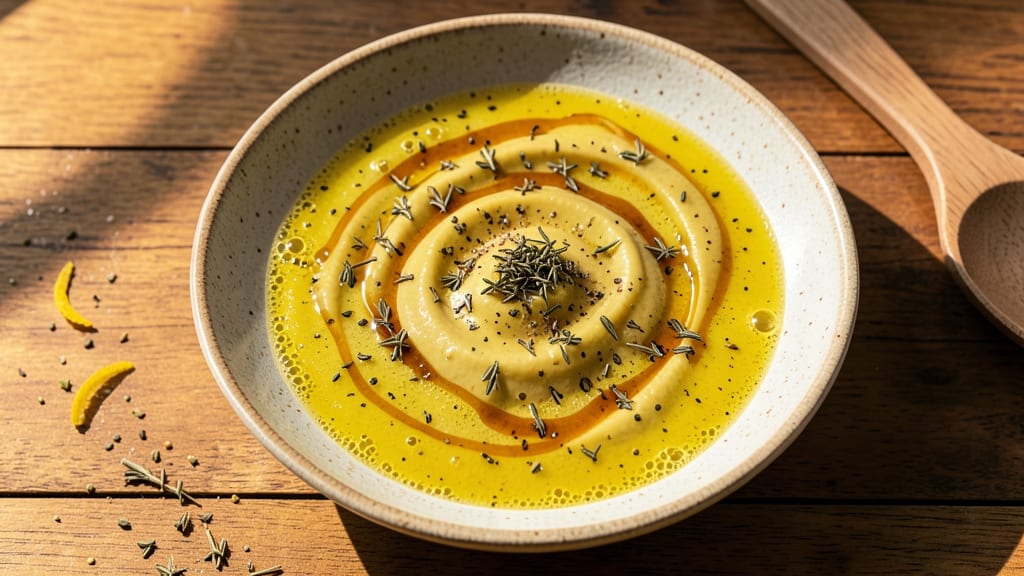
Aunt Martha’s old-fashioned salad dressing recipe delivers that nostalgic tangy richness you can’t find in stores. This homemade version blends classic vinegar and oil with fresh herbs and spices for a dressing that’s vibrant, balanced, and packed with old-world charm.
The secret lies in the slow infusion of herbs and a touch of mustard for depth—no artificial flavors, just pure, wholesome taste.
What sets this dressing apart is its versatility and staying power. Whether you prefer a classic vinaigrette or a creamy herb blend, the base remains the same: high-quality olive oil, apple cider vinegar, and a blend of dried herbs like thyme and oregano.
The recipe is simple yet sophisticated, perfect for elevating any salad, coleslaw, or even as a marinade for grilled meats.
By making this dressing at home, you control the quality of every ingredient—no preservatives, no artificial colors, just real, fresh flavors that develop even better over time.
It’s a recipe passed down through generations, designed to keep in your fridge for up to two weeks, ready to transform your meals with just a shake.
The result is a dressing that’s creamy yet bright, tangy yet balanced, with layers of herbaceous flavor that make every bite sing. Whether you’re serving a crisp green salad or a hearty potato salad, this dressing will take your dish from ordinary to extraordinary.
Let’s get started on creating something truly special.
Ingredients for aunt martha's old fashioned salad dressing
Nine simple ingredients transform into Aunt Martha’s legendary dressing—rich, tangy, and packed with old-fashioned charm.
| Ingredient | Amount | Notes |
|---|---|---|
| Extra-Virgin Olive Oil 🫒 | 1 ½ cups | High-quality, fruity variety preferred |
| Apple Cider Vinegar 🍎 | ½ cup | Raw, unfiltered for best flavor |
| Dijon Mustard 🌶️ | 1 tbsp | Mild or medium heat preferred |
| Dried Thyme 🌿 | 1 tsp | Fresh thyme works at 3x amount |
| Dried Oregano 🌿 | 1 tsp | Mexican oregano adds depth |
| Garlic Powder 🧄 | ½ tsp | Fresh minced garlic for stronger flavor |
| Onion Powder 🧅 | ½ tsp | Fresh onion for stronger flavor |
| Salt 🧂 | 1 tsp | Kosher or sea salt preferred |
| Black Pepper 🌶️ | ½ tsp | Freshly ground for best flavor |
| Honey 🍯 | 1 tbsp | Raw honey preferred for depth |
The olive oil is the heart of this dressing—look for extra-virgin with fruity notes at Whole Foods or Trader Joe's. Apple cider vinegar should be raw and unfiltered; Bragg is my go-to. The mustard is non-negotiable for depth—Dijon gives that classic tang. Dried herbs work perfectly here, but if you’ve got fresh thyme or oregano, use three times the amount. The garlic and onion powders add subtle complexity, but fresh minced garlic takes it to another level—worth the extra minute if you’re feeling fancy.
No honey? Maple syrup works in a pinch, though it’ll taste slightly different. Short on thyme? Dried basil at half the amount gives a similar herbal note. The vinegar can be substituted with red wine vinegar, but apple cider’s sweetness balances the herbs beautifully. If you’re making a big batch, double the recipe—this dressing keeps for weeks, and you’ll want it on hand for everything. The mustard can be swapped for whole-grain mustard if you prefer a nuttier flavor.
Store in a glass jar with a tight seal—keeps for up to 2 weeks in the fridge. Shake well before each use, as the herbs settle. For a creamy version, whisk in 1/4 cup plain yogurt or 1/4 cup mayonnaise per cup of dressing. I always make a double batch—one for salads, one for grilled chicken. The flavors only get better with time, so don’t rush it.
Why You'll Love This Recipe
- Five-Ingredient Magic: I swear by this—just oil, vinegar, mustard, and two herbs. No fancy gadgets, no measuring cups that make you question your life choices. Honestly, I’ve made it while waiting for pasta to boil, and it still tastes like I spent an hour in the kitchen.
- Herb-Packed Punch: That dried thyme and oregano? They’re the secret weapons. The vinegar cuts through the richness of the olive oil, while the mustard adds just enough tang to make your taste buds do a little happy dance. It’s the kind of flavor that lingers—like a good memory.
- Works Everywhere: Drizzle it on salads, toss it with roasted veggies, or even use it as a marinade for chicken. I’ve even poured it over grilled fish (yes, really). Between us, it’s the one dressing that never lets me down, no matter the occasion.
- No-Waste Wonder: Make a big batch—it keeps for weeks in the fridge. I double the recipe on Sundays and use it all week, saving money and stress. Plus, the leftovers? Still taste fresh, like I just mixed them up. My lazy Sundays thank me.
Step-by-step instructions for Aunt Martha's old fashioned salad dressing
Aunt Martha's dressing starts with simple ingredients but delivers restaurant-quality depth. Here's exactly how to make it shine.
Whisk Together the Wet Ingredients
In a medium bowl, combine the 1.5 cups extra-virgin olive oil with the 0.5 cup apple cider vinegar. I like to use a whisk for this step—it creates tiny emulsified bubbles that give the dressing that silky texture. Give it a good stir until everything is fully incorporated, about 30 seconds.
Next, add the 1 tbsp Dijon mustard and 1 tbsp honey. The mustard will help emulsify the oil and vinegar, while the honey adds just the right amount of sweetness to balance the acidity. Whisk vigorously for another 30 seconds until the mixture looks smooth and uniform. You'll notice it starts to thicken slightly as the mustard begins to bind everything together.
Add the Dry Seasonings and Spices
Now it's time for the aromatic boost. Add the 1 tsp dried thyme, 1 tsp dried oregano, 0.5 tsp garlic powder, 0.5 tsp onion powder, 1 tsp salt, and 0.5 tsp black pepper to the bowl. These dried herbs might seem subtle, but they'll infuse the dressing with layers of flavor that store-bought versions can't match.
Use a fork or small whisk to gently fold these dry ingredients into the wet mixture. You don't want to overmix here—just enough to distribute the seasonings evenly. The dressing should look slightly speckled with the herbs and spices. If you're using fresh thyme instead of dried (which you can, at 3 times the amount), you'll notice an even more vibrant aroma right away.
Emulsify for a Silky Texture
Here's where the magic happens. Transfer the dressing to a clean jar with a tight-fitting lid. Seal it and shake vigorously for about 30 seconds. This step is crucial—it breaks down the oil and vinegar into a stable emulsion. You'll feel the mixture transform from separate layers to a smooth, creamy consistency.
If you notice any separation after shaking, don't worry—just give it another good shake. The key is to work quickly and thoroughly. The dressing should now have a velvety texture that coats the back of a spoon. This is what makes Aunt Martha's dressing so special—it doesn't just drip, it clings beautifully to your salad greens.
Rest Before Using (This Makes All the Difference!)
Let the dressing sit at room temperature for at least 15 minutes before using. This resting period allows all the flavors to meld together and the emulsion to fully stabilize. I know it's tempting to use it immediately, but trust me—this step ensures the best possible flavor and texture.
After resting, give the jar another quick shake before pouring. The dressing should now be perfectly smooth with no separation. If you've made more than you need, store it in the refrigerator for up to 2 weeks. Before each use, just give it a good shake to redistribute any settled ingredients. This dressing tastes even better the next day as the flavors continue to develop!
Pro Tips For Making Aunt Martha'S Old Fashioned Salad Dressing
- Whisk Slowly First: Mix the Dijon mustard into the vinegar in a thin stream—about 1 tablespoon at a time—while whisking constantly. I learned this the hard way: dumping it all in at once turns your dressing into a stubborn, grainy paste that won’t emulsify, no matter how much you shake it later.
- Use Warm Vinegar: Heat the apple cider vinegar in a small saucepan for 30 seconds—just enough to take the chill off. Warm vinegar blends smoother with the oil and mustard, and it also lets the thyme and oregano bloom better. (Yes, even if you’re impatient like me.)
- Balance the Oil: Start with 2/3 of the total olive oil called for, then add the rest after tasting. The first batch will look too thin, but that’s intentional—you can always add more oil later, but you can’t take it out. Trust the process.
- Toast the Herbs: Lightly crush the dried thyme and oregano between your palms before adding them to the dressing. A few seconds of toasting in a dry pan (just until fragrant) makes their flavor pop without bitterness. Skip this, and your dressing tastes like it’s missing something.
Storing and reheating your leftovers
Fridge Storage Secrets
Store your dressing in a glass jar with an airtight lid—I use Ball canning jars for their tight seals. Keep it refrigerated at 40°F or below for up to 2 weeks.
The glass preserves flavor better than plastic, and the thick texture prevents spoilage. Always shake well before using, as the herbs settle over time. 🥫
Freezer Preservation
For longer storage, freeze individual portions in ice cube trays or small silicone molds. Once frozen, transfer cubes to a freezer bag with the date labeled. This method keeps the dressing fresh for up to 3 months without texture changes. Thaw overnight in the fridge before shaking and using.
Reviving Thickened Dressing
If your dressing thickens in the fridge (it will!), simply add 1-2 teaspoons of warm water and whisk vigorously. The emulsion will return to its creamy consistency. For extra richness, add 1 teaspoon of olive oil instead of water. This trick works every time—I've revived dressing that sat for weeks!
Reheating for Warm Salads
Gently warm the dressing in a small saucepan over low heat for 2-3 minutes, stirring constantly. Never boil it—just enough to reach body temperature. This method enhances the aromatic herbs without breaking the emulsion. Perfect for warm grain salads or roasted vegetable bowls. ✨
Creamy Version Upgrade
For a creamy twist, whisk in ¼ cup plain Greek yogurt or mayonnaise after shaking. Store the creamy version separately in the fridge—it keeps for 1 week but may separate slightly. Just shake before using. The yogurt adds a tangy richness that pairs beautifully with hearty salads.
Herb Infusion Hack
Boost flavor by adding 1-2 sprigs of fresh thyme or dill to the jar before sealing. Remove before using (or strain if you prefer smooth dressing). The herbs infuse subtle floral notes that elevate the classic recipe. I often do this with the last batch of the season's herbs. 🌿
Nutrition facts
Frequently asked questions
Can I make this dressing without Dijon mustard?
Swap the 1 tbsp Dijon mustard for 1 tbsp whole-grain mustard for a nuttier flavor, or use 1 tsp yellow mustard if that's all you have. The mustard helps emulsify the oil and vinegar, so if you omit it completely, whisk extra vigorously to prevent separation.
How do I make this dressing creamy instead of vinaigrette-style?
After shaking your dressing, whisk in ¼ cup plain Greek yogurt or mayonnaise per batch. Store the creamy version separately in the fridge—it keeps for 1 week but may separate slightly. Shake well before using to restore its velvety texture. Perfect for potato salads or creamy pasta dishes!
Why does my dressing separate after a few days?
Separation is normal with homemade dressings! The good news is it's easily fixable. Just give the jar a good shake before using, or add 1-2 tsp warm water and whisk until smooth. For extra richness, add 1 tsp olive oil instead. The emulsion will return to its creamy consistency every time.
Can I use this dressing as a marinade?
Yes, but with caution. This dressing works well for mild proteins like chicken or fish when used for 1-2 hours max. The acidity in vinegar tenderizes meat, but long marinating times can make it too soft. For beef or tougher cuts, reduce the vinegar to ¼ cup and add 1 tbsp lemon juice instead. Always discard unused marinade after contact with raw meat.
What's the best way to store leftovers for maximum freshness?
Store in a glass jar with an airtight lid in the fridge for up to 2 weeks. For longer storage, freeze in ice cube trays—transfer to a freezer bag once frozen. Thaw overnight in the fridge before shaking and using. The glass preserves flavor better than plastic, and freezing prevents texture changes.