
Sauces & Condiments
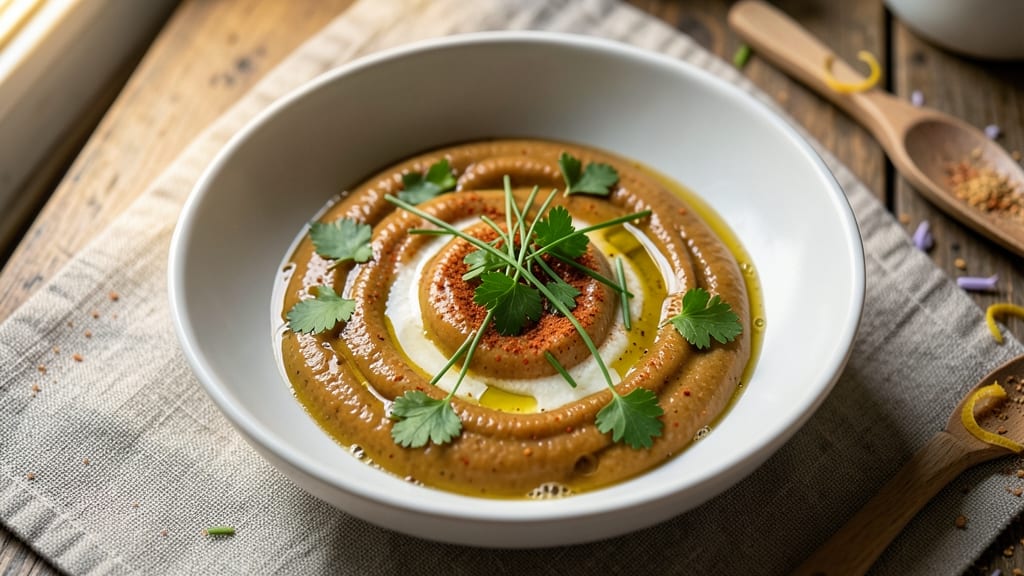
Austrian salad dressing transforms simple greens into a bold, herbaceous masterpiece with its signature sharp mustard and aromatic herb infusion. This recipe delivers a perfectly balanced dressing that clings to lettuce, cucumbers, and hearty vegetables while enhancing their natural flavors.
The secret lies in the ratio—three parts oil to one part vinegar—creating an emulsified dressing that stays creamy without separating.
Traditional Austrian flavors shine through with fresh parsley and chives, brightened by a touch of sharp mustard and a hint of paprika for warmth. The dressing is simple to make but elevates any salad from ordinary to extraordinary, whether paired with crisp cabbage, tender radishes, or grilled meats.
No special equipment is needed—just a whisk or jar for mixing, and you're ready to create a dressing that tastes like a taste of the Alps.
What sets this dressing apart is its versatility and depth of flavor. The herbs infuse the oil while the vinegar provides the necessary tang, ensuring every bite is vibrant and satisfying. It’s the perfect companion for hearty Austrian dishes or a refreshing twist on classic salads.
The result is a dressing that’s as elegant as it is easy to prepare, with a balance of sharpness, freshness, and richness.
Use it immediately or store it in the refrigerator for up to a week, shaking gently before each use to maintain its creamy texture. This dressing is a game-changer for anyone looking to add an authentic Austrian touch to their meals without the fuss. Let’s get started!
Ingredients for austrian salad dressing
Nine simple ingredients create a dressing that captures Austria's bold, herbaceous charm.
| Ingredient | Amount | Notes |
|---|---|---|
| Extra-Virgin Olive Oil 🫒 | ¾ cup | High-quality, fruity variety preferred |
| White Wine Vinegar 🍷 | ¼ cup | Dry, crisp vinegar for balance |
| Dijon Mustard 🌶️ | 2 tbsp | Sharp, high-quality Dijon preferred |
| Fresh Parsley 🌿 | ¼ cup | Finely chopped, stems removed |
| Fresh Chives 🌿 | 2 tbsp | Finely chopped, mild onion flavor |
| Sweet Paprika 🌶️ | 1 tsp | For subtle warmth and color |
| Granulated Sugar 🍬 | 1 tsp | Balances vinegar acidity |
| Kosher Salt 🧂 | ½ tsp | Adjust to taste after mixing |
| Freshly Ground Black Pepper 🌶️ | ¼ tsp | Freshly cracked for best flavor |
The olive oil is the base—look for extra-virgin with a fruity aroma at specialty stores or well-stocked markets. Trader Joe's and Whole Foods carry excellent options, but any high-quality olive oil will work. The white wine vinegar should be dry and crisp (avoid sweet or balsamic varieties). Fresh herbs are non-negotiable here—the parsley and chives should be vibrant green with no wilting. If using dried herbs, reduce to one-third the amount, but fresh gives that authentic Austrian brightness. The Dijon mustard should be smooth and sharp, not grainy.
No fresh herbs? Dried parsley and chives work at one-third the amount, but the flavor won't be as bright. Out of Dijon? Whole-grain mustard thinned with vinegar works in a pinch. The paprika adds warmth without overpowering—smoked paprika can substitute for a deeper flavor profile. For a sweeter touch, honey or maple syrup can replace sugar (use half the amount). The dressing emulsifies naturally thanks to the mustard and herbs, but if it separates, whisk vigorously or add a splash more vinegar.
Store in an airtight jar in the fridge for up to 1 week, shaking gently before each use to re-emulsify. For longer storage, transfer to a sterile bottle and freeze for up to 3 months. Thaw in the fridge overnight. This dressing elevates everything from simple green salads to hearty Austrian dishes like Beef Goulash. The flavors actually improve after sitting overnight as the herbs infuse further—make a double batch if you'll use it within a few days
Why You'll Love This Recipe
- Five-Ingredient Magic: I swear by this combo—just oil, vinegar, mustard, and two fresh herbs. No fancy gadgets, no waiting for anything to bloom. Honestly, I’ve made it while chatting on the phone because it’s that simple.
- Bright & Tangy: The white wine vinegar cuts through everything like a knife, while the Dijon mustard adds just enough depth. Fresh parsley and chives? They finish it with a bright, herbal punch that makes even the simplest salad feel like a restaurant dish.
- Potluck Proven: Between us, this is my go-to for gatherings—no one ever asks what’s in it, but they always want the recipe. It works on grilled chicken, roasted veggies, or even as a marinade. (Yes, even on a Tuesday night.)
- Makes More Than Enough: I double the batch every time because it lasts. Store it in the fridge for up to a week, and it’s ready to jazz up whatever’s in the fridge. Budget-friendly? Absolutely. Waste-free? Even better.
Step-by-step instructions for Austrian salad dressing
This dressing delivers bold, balanced flavor with just a few simple techniques.
Whisk Vinegar and Mustard to Create a Base
In a medium bowl, combine the 0.25 cup white wine vinegar and 2 tbsp Dijon mustard. Use a whisk to blend vigorously for 30 seconds until completely smooth. The mustard should dissolve evenly into the vinegar, creating a thick, slightly textured base. This step is crucial—uneven mixing can result in a dressing that separates later.
Here's the thing—Dijon mustard has a sharp, tangy bite that cuts through the richness of the olive oil. The vinegar's acidity balances this while adding brightness. Taste the mixture now; you'll notice the raw, acidic foundation that will transform into something complex once we add the remaining ingredients.
Gradually Incorporate Olive Oil for Emulsion
With the whisk still in the bowl, slowly drizzle in the 0.75 cup extra-virgin olive oil while continuing to whisk steadily. Start with a slow stream, then gradually increase to a steady drizzle as the mixture begins to thicken. This gradual approach is key—adding oil too quickly can cause the dressing to break and separate.
You're aiming for a smooth, velvety consistency that clings to greens rather than pooling at the bottom of your bowl. The olive oil should fully incorporate within 1-2 minutes of whisking. If you see any streaks of oil remaining, keep whisking for another 20-30 seconds until fully emulsified. The result should be a thick, glossy dressing with a uniform color.
Add Sweetener and Seasonings for Balance
Transfer the dressing to a measuring cup or small pitcher. Stir in the 1 tsp granulated sugar, 1 tsp sweet paprika, 0.5 tsp kosher salt, and 0.25 tsp freshly ground black pepper using a wooden spoon or silicone spatula. The sugar will mellow the acidity from the vinegar, while the paprika adds subtle warmth and a beautiful golden hue. The salt and pepper round out the flavors, ensuring each element shines.
Taste the dressing now and adjust the seasonings if needed. If it tastes too sharp, add a pinch more sugar. If it needs more depth, add a tiny bit more salt. Remember, these are small adjustments—you can always tweak further later, but you can't take away what's already there.
Fold in Fresh Herbs for Brightness
Gently stir in the 0.25 cup finely chopped fresh parsley and 2 tbsp finely chopped fresh chives using a spoon. The herbs should be evenly distributed throughout the dressing, adding a fresh, vibrant note that cuts through the richness. Be careful not to overmix—just enough to incorporate the herbs without breaking the emulsion you've worked so hard to create.
Here's where the dressing comes together. The parsley and chives add a bright, almost citrusy freshness that contrasts beautifully with the mustard's sharpness and the oil's richness. The herbs also introduce a subtle earthiness that grounds the overall flavor profile. Give it one final taste—you should notice the herbs brightening the dressing and making it taste even more complex and well-rounded.
Rest and Adjust for Perfect Texture
Cover the dressing and let it rest at room temperature for 10-15 minutes. This resting period allows the flavors to meld and the dressing to reach its ideal consistency. After resting, give it one final stir and taste again. If the dressing has thickened too much, whisk in 1-2 teaspoons of water to loosen it slightly. If it's too thin, let it sit for another 5 minutes—the emulsion will naturally thicken as it cools.
The dressing is now ready to use. It should coat the back of a spoon with a silky, velvety texture and have a bright, complex flavor that balances sharp mustard, tangy vinegar, and fresh herbs. This dressing works beautifully with hearty greens like kale, spinach, or arugula, but it also shines on roasted vegetables, grilled meats, or even as a marinade for proteins.
Pro Tips For Making Austrian Salad Dressing
- Whisk in stages: Start by mixing the Dijon mustard and white wine vinegar first—this emulsifies the mustard better than throwing everything in at once. Then drizzle in the olive oil slowly while whisking like you’re trying to win a race. The dressing will thicken and coat properly; skip this, and you’ll end up with a sad, separated mess.
- Pulse herbs, don’t chop: Use a knife to smash the parsley and chives against the cutting board instead of dicing them—this releases more flavor and keeps the dressing vibrant. A quick 10-second pulse with a fork works too, but don’t overdo it or you’ll turn it into pesto.
- Taste before the oil: Add salt and pepper to the vinegar-mustard mix before incorporating the olive oil—this balances the acidity and lets you adjust the seasoning properly. If you taste after adding oil, you’ll either over-salt or end up guessing.
- Let it rest 10 minutes: Whisk it up, then walk away for 10 minutes. The flavors meld, and the dressing thickens just enough to cling to greens or grilled meats. I know, I know—you’re impatient—but this is the difference between a dressing and a great dressing.
Regional styles of this recipe
Classic Viennese Style
Austrian salad dressings from Vienna often feature a touch of sour cream or crème fraîche for richness, creating a velvety texture that pairs perfectly with hearty Austrian dishes.
Replace 2 tbsp of the olive oil with 2 tbsp of high-quality sour cream—I recommend St. Anton Sour Cream from specialty stores. Add ½ tsp of caraway seeds (lightly toasted) for an authentic Alpine touch.
This version works beautifully with cucumber and radish salads or as a dip for pretzels. 🥨
Tyrolean Mountain Dressing
In the Austrian Alps, dressings often incorporate local mountain herbs like wild thyme or edelweiss-infused oil for a fragrant, earthy profile. Swap the parsley for 2 tbsp of finely chopped fresh thyme and add 1 tsp of edelweiss honey (available at gourmet stores) instead of granulated sugar.
For extra depth, infuse 2 tbsp of the olive oil with 1 tsp of dried edelweiss flowers (steep for 10 minutes, then strain). This dressing elevates wild game salads or roasted root vegetable platters. ⛰️
Carinthian Mustard Variation
The Carinthia region is known for its bold, spicy mustard dressings, often paired with smoked meats or cabbage dishes. Increase the Dijon mustard to 3 tbsp and add ½ tsp of caraway seeds (toasted) and ¼ tsp of smoked paprika instead of sweet paprika.
For a tangy kick, add 1 tsp of apple cider vinegar alongside the white wine vinegar. This version clings beautifully to braised cabbage or grilled sausages. 🌶️
Styrian Wine-Inspired Dressing
Styria’s dressings often reflect the region’s wine culture, using local white wines like Welschriesling for a fruity, floral note. Replace the white wine vinegar with ¼ cup of reduced Welschriesling wine (simmer ½ cup of the wine until reduced by half).
Add 1 tsp of honey and ½ tsp of lemon zest for brightness. This dressing is perfect for asparagus salads or grilled trout. 🍷
Salzburg Herb Garden Dressing
Salzburg’s dressings highlight fresh garden herbs like lovage or borage, which add a unique, slightly anise-like flavor. Replace the chives with 2 tbsp of finely chopped fresh lovage (or borage flowers if available).
Add ½ tsp of fennel seeds (lightly toasted) for a subtle licorice note. This dressing pairs wonderfully with roasted beets or herb-roasted chicken. 🌿
Modern Austrian Twist
For a contemporary take, blend ½ cup of the dressing with ¼ cup of Greek yogurt and 1 tsp of lemon juice for a lighter, tangy version. Top with toasted pine nuts and crumbled feta cheese for a Mediterranean-Austrian fusion.
This works as a dip for warm pita or a topping for grilled lamb. The yogurt adds a creamy contrast to the sharp mustard and herbs. 💫
Nutrition facts
Frequently asked questions
Why does this dressing use Dijon mustard instead of regular mustard?
The Dijon mustard provides a smoother texture and more complex flavor compared to regular mustard, which can be grainy and less refined. Its sharp, tangy bite cuts through the richness of the olive oil, creating a perfectly balanced dressing. The smooth consistency also helps the dressing emulsify better, preventing separation.
Can I make this dressing without fresh herbs?
Yes, but the flavor won't be as vibrant. Use 1 tbsp dried parsley and 1 tsp dried chives instead of the fresh versions. For best results, toast the dried herbs lightly in a dry pan for 30 seconds to enhance their flavor. The dressing will still taste good, but the fresh herbs give it that authentic Austrian brightness.
How long will this dressing keep in the fridge?
Store the dressing in an airtight jar in the refrigerator for up to 1 week. Before each use, give it a gentle shake to re-emulsify. For longer storage, transfer to a sterile bottle and freeze for up to 3 months. Thaw it in the fridge overnight for best results. The flavors actually improve after resting overnight as the herbs infuse further.
What if my dressing separates after making it?
Don't worry—this is common with homemade dressings! Simply whisk vigorously for 1-2 minutes to re-emulsify. If it still separates, add 1 tsp more vinegar and whisk again. The mustard in the recipe helps prevent separation, but sometimes the emulsion breaks. The dressing will still taste great, just give it another good stir before using.
Can I use this dressing on non-salad dishes?
This versatile dressing works beautifully as a marinade for grilled meats, a dip for pretzels or breadsticks, or even a sauce for roasted vegetables. The bold flavors complement hearty Austrian dishes like Beef Goulash or Wiener Schnitzel. Just be sure to shake well before using if it's been stored.