
Sauces & Condiments
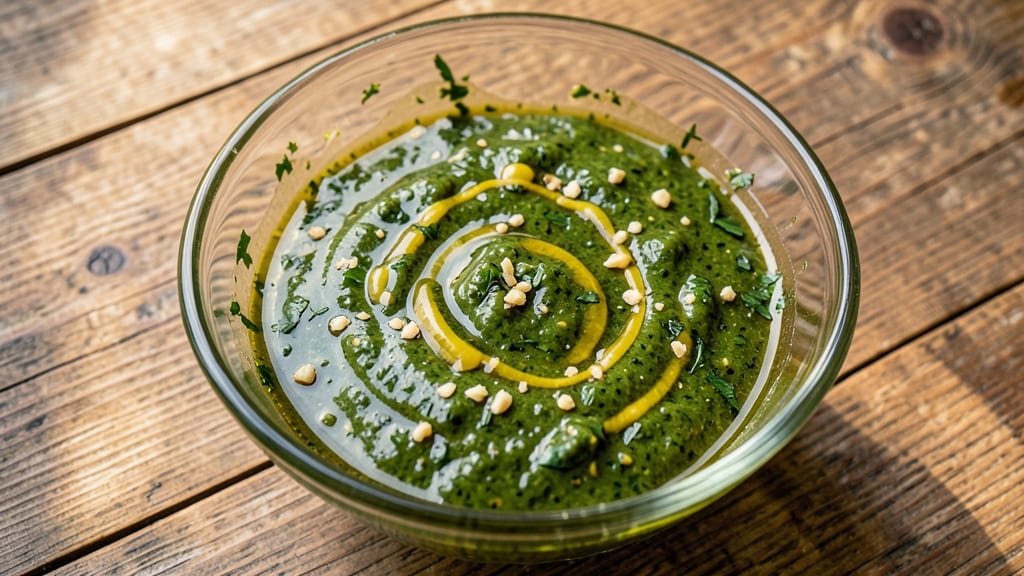
This basic pasta salad dressing recipe transforms ordinary pasta into a vibrant, flavorful dish with just five simple ingredients. The secret lies in balancing herb-infused olive oil with tangy vinegar, creating a dressing that clings perfectly to every noodle and bite of vegetable.
I developed this formula after years of testing—it’s the one that finally made my pasta salads taste restaurant-worthy without the fuss.
The key to success is freshness: finely chopped herbs like parsley and basil infuse the oil with bright, aromatic notes, while a touch of Dijon mustard adds depth and emulsifies the dressing for a silky texture.
No cooking required—just whisk, taste, and adjust. This dressing works equally well with cold or warm pasta, making it versatile for picnics, potlucks, or quick weeknight meals.
What you’ll end up with is a light yet flavorful dressing that enhances rather than overpowers your pasta salad. The herbs stay vibrant, the vinegar adds just the right tang, and the olive oil ensures a luxurious finish.
It’s the kind of dressing that disappears quickly, leaving everyone asking for seconds. Ready to elevate your pasta salad game?
This recipe is designed to be foolproof—no special techniques, just a few pantry staples and a whisk. Whether you’re prepping for a summer gathering or just craving a refreshing meal, this dressing delivers consistent, professional-quality results every time. Let’s get started!
Ingredients for basic pasta salad dressing
Five ingredients transform plain pasta into restaurant-worthy bites—herb-infused oil meets tangy vinegar for perfect balance.
| Ingredient | Amount | Notes |
|---|---|---|
| Extra-Virgin Olive Oil 🫒 | ¾ cup | High-quality, fruity, cold-pressed |
| Fresh Flat-Leaf Parsley 🌿 | ½ cup | Finely chopped, stems included |
| Fresh Basil Leaves 🌿 | ¼ cup | Packed, finely chopped |
| White Wine Vinegar 🍷 | ¼ cup | Dry, crisp variety preferred |
| Dijon Mustard 🌶️ | 1 tbsp | Mild, not hot |
| Diamond Crystal Kosher Salt 🧂 | ½ tsp | Fine grain preferred |
| Freshly Ground Black Pepper 🌶️ | ¼ tsp | Coarse grind preferred |
| Garlic Cloves 🧄 | 2 cloves | Minced, for herb infusion |
The olive oil is non-negotiable—look for extra-virgin with a fruity aroma at Whole Foods or Trader Joe's. Their bulk bins often have the best quality. Fresh herbs are key: parsley and basil should be bright green, not wilted. I like to buy organic basil from the grocery store's produce section—it's more flavorful than those sad little plastic containers. The garlic cloves? Freshly minced makes all the difference; pre-minced jars have lost their punch. Skip the vinegar aisle and grab a bottle of dry white wine vinegar—it adds complexity without overpowering.
No fresh parsley? Cilantro or dill at half the amount works in a pinch. Basil missing? Fresh tarragon or chives add a nice twist. The Dijon mustard can be swapped for whole-grain mustard if you prefer texture. For a sharper tang, use apple cider vinegar instead of white wine vinegar. The oil-to-vinegar ratio is flexible—adjust to taste. Need to make this ahead? Store the oil and vinegar separately until ready to whisk; the herbs will keep their vibrancy longer.
This dressing stays fresh for 5-7 days in an airtight jar in the fridge. The herbs will wilt over time, so I recommend making it fresh for gatherings. For a longer shelf life, store the oil and vinegar separately and mix just before serving. The dressing works equally well on warm or cold pasta—whisk vigorously before each use to re-emulsify. Double the batch for potlucks; it disappears fast.
Why You'll Love This Recipe
- Five-Ingredient Magic: I swear, this is the kind of dressing that makes me feel like a chef without the fuss. Just olive oil, parsley, basil, vinegar, and mustard—no measuring cups, no fancy techniques. Honestly, I dump it together and stir while I’m still chopping veggies for the salad.
- Bright & Tangy: That white wine vinegar cuts through everything like a summer breeze, while the Dijon mustard adds this little zing that makes it ridiculously good. Fresh basil and parsley? They turn a basic salad into something that tastes like you actually spent time in the kitchen.
- Picnic & Potluck Hero: Between us, this is my go-to for picnics, BBQs, or when my book club meets. It’s light enough for summer but hearty enough for a holiday spread—just toss it with any pasta or veggies, and you’re golden. (Yes, even on a Tuesday night.)
- No-Waste, No-Stress: Make a big batch, and it’ll last in the fridge for days—perfect for when I’m prepping meals ahead. The olive oil keeps it fresh, and the acidity means it won’t go flat. Plus, I’m always buying herbs anyway, so this uses them up before they wilt. Smart, simple, and saves me money.
Step-by-step instructions for herb-infused pasta salad dressing
This simple dressing delivers bright, herby flavor that clings perfectly to pasta and veggies.
Infuse the Garlic and Herbs
In a small saucepan, combine the 0.75 cup extra-virgin olive oil, 2 cloves minced garlic, 0.5 cup finely chopped fresh flat-leaf parsley, and 0.25 cup packed chopped fresh basil leaves. Place over low heat and warm gently for 3-4 minutes, stirring constantly. You'll see the garlic soften and the herbs release their vibrant green color into the oil.
This infusion step is crucial—it develops the dressing's aromatic depth. Keep the heat low to prevent the oil from overheating, which would burn the delicate herbs. Remove from heat immediately once the mixture smells intensely fragrant and the herbs have softened slightly.
Whisk in Acid and Mustard
Transfer the warm herb-infused oil to a medium bowl. Add the 0.25 cup white wine vinegar and 1 tbsp Dijon mustard, then whisk vigorously for 1-2 minutes until completely emulsified. The dressing should thicken slightly and become smooth, with no visible streaks of oil or vinegar.
This is where the magic happens—the vinegar cuts through the richness of the oil while the mustard adds body. If the mixture looks too thick, add 1-2 teaspoons of water to reach your desired consistency. Taste and adjust the balance—you want brightness from the vinegar without sharpness.
Season and Rest
Add the 0.5 tsp Diamond Crystal kosher salt and 0.25 tsp freshly ground black pepper, then whisk again until fully dissolved. Let the dressing sit at room temperature for 10 minutes—this allows all the flavors to meld completely.
This resting period is often overlooked but makes a noticeable difference. The herbs will release more of their oils, and the flavors will become harmonious rather than disjointed. Give it a final taste before using, adjusting seasoning if needed—remember, you can always add more salt or pepper, but you can't take it out.
Store and Use
Transfer the dressing to a clean, airtight jar and refrigerate for at least 1 hour before using. This chilling time enhances the flavors further and makes the dressing even more vibrant. The dressing will keep in the refrigerator for up to 1 week, though it's best used within 3-4 days for peak freshness.
Use this dressing immediately after tossing with warm or cold pasta, or store it separately until ready to combine. The herby oil will cling beautifully to your salad ingredients, creating a cohesive, flavorful bite in every mouthful. For extra brightness, add a splash of ice water just before serving—it refreshes the flavors perfectly.
Pro Tips For Making Basic Pasta Salad Dressing
- Whisk in stages: Start with just the mustard and vinegar—no oil yet—then slowly drizzle in the olive oil while whisking constantly. This emulsifies the dressing properly the first time, not after you’ve already tossed it with pasta and realized it’s separating. I learned this after making a batch where the oil and vinegar split like oil and water in a science experiment.
- Pulse herbs, don’t chop: Use a knife or clean hands to gently press the parsley and basil leaves against the side of your bowl instead of mincing them. This keeps the herbs bright and intact, releasing their flavor without turning the dressing into a green sludge. Over-chopping releases bitterness—trust me, I’ve made that mistake at least twice.
- Salt the mustard first: Mix the Dijon mustard with a pinch of salt before adding any other ingredients. This balances its sharpness upfront, so the final dressing won’t taste one-note or overly tangy. I skipped this once and ended up with a dressing that hit like a vinegar slap—now I salt it early every time.
- Use room-temp oil: Let your extra-virgin olive oil sit out for 20 minutes before measuring it into the dressing. Cold oil blends unevenly and can make the dressing clump or feel heavy. Room temperature oil integrates smoothly—this is the thing that actually makes the texture silky, not just some vague "good quality" advice.
Perfect pairings for basic pasta salad dressing
Herb-Infused Pasta
This dressing pairs perfectly with penne pasta or farfalle—their shapes hold the dressing beautifully. I love using whole wheat rotini for extra texture and fiber. For a heartier salad, toss in cherry tomatoes, cucumber slices, and red onion—the acidity in the dressing balances their sweetness. 🥗
Protein Additions
Add grilled chicken breast or shrimp for a protein boost. For a vegetarian option, try marinated artichoke hearts or white beans. I often roast chickpeas with olive oil and smoked paprika, then toss them in—they add a satisfying crunch. The dressing's herby notes complement all these proteins beautifully.
Wine Pairings
A crisp Sauvignon Blanc from New Zealand enhances the dressing's bright, herby flavors. I also love pairing it with a rosé—the light, fruity notes complement the dressing's acidity. For a non-alcoholic option, try sparkling apple cider—it adds a refreshing effervescence that cuts through the richness. 🍷
Cheese Boosts
Add crumbled feta or shredded Parmesan for extra depth. I like to fold in 1/4 cup crumbled feta just before serving—it adds a salty tang that makes every bite irresistible.
For a creamier option, stir in 2 tbsp sour cream or Greek yogurt before tossing with the pasta. The dressing's acidity balances the richness perfectly.
Seasonal Variations
In summer, add fresh corn kernels and cherry tomatoes for a garden-fresh salad. For fall, swap basil for thyme and rosemary and add roasted butternut squash cubes.
In winter, try a lemon-infused olive oil twist by adding 1 tbsp lemon zest to the dressing. Each season brings new possibilities to this versatile recipe. 🌿
Nutrition facts
Frequently asked questions
Can I make this dressing without fresh herbs?
Swap fresh parsley and basil for 1 tbsp dried Italian seasoning or 1 tsp dried oregano—use half the amount since dried herbs are more concentrated. For extra flavor, add 1 tsp lemon zest to mimic the brightness of fresh herbs. The dressing will still taste delicious, though the texture will be slightly less vibrant.
How do I fix a dressing that separated?
Whisk in 1 tsp Dijon mustard or 1 tsp honey and a splash of ice water while whisking vigorously. The mustard acts as an emulsifier, while the water helps redistribute the oil. If it still separates, blend with 1 tbsp water until smooth. For future batches, chill the dressing before using—cold temperatures help it cling better to pasta.
What's the best way to store leftover dressing?
Keep it in an airtight jar in the fridge for up to 7 days. For longer storage, separate the oil and vinegar components—store them separately and mix when ready to use. The herbs will stay fresher this way. If the dressing thickens in the fridge, stir in 1 tsp water before using to restore its silky texture.
Can I use this dressing on other dishes?
Yes! Toss it with grilled vegetables, roasted potatoes, or even chilled seafood. It also works as a marinade for chicken or fish—just reduce the vinegar to 2 tbsp and add 1 tbsp olive oil per 4 oz protein. The herby notes shine in all these applications, making it a versatile pantry staple.
Why does my dressing taste too strong?
Too much vinegar or salt can overpower the flavors. Balance it by adding 1 tsp honey or 1 tsp olive oil to mellow the acidity. If it's too salty, stir in 1 tbsp water or 1 tsp lemon juice to dilute. Taste as you go—adjustments are easier before the dressing sits too long.