
Sauces & Condiments
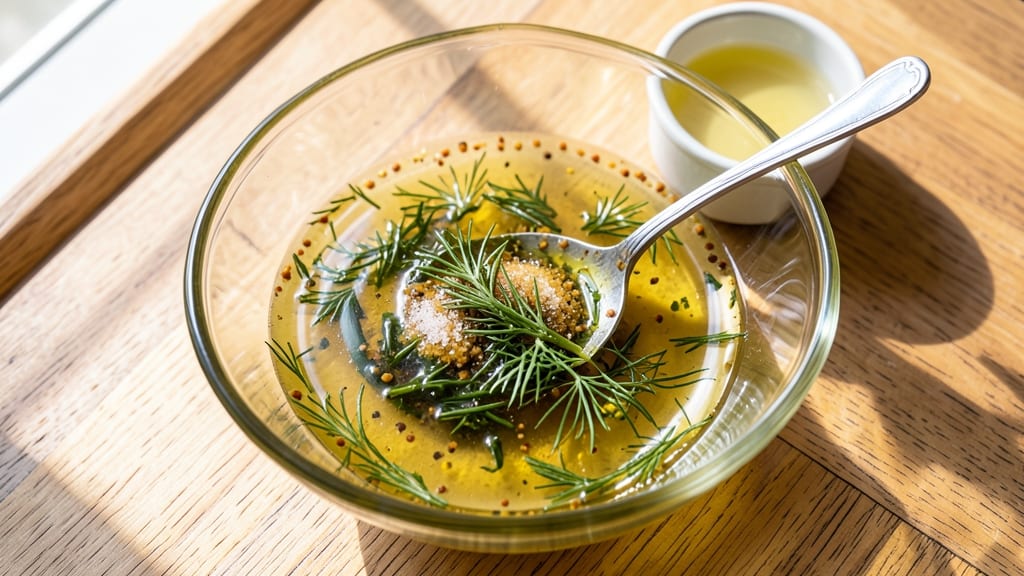
This best tangy salad dressing transforms bland greens into vibrant, flavor-packed bites with just five simple ingredients and five minutes of prep. The secret lies in balancing bright citrus with sharp vinegar, creating a dressing that clings to every leaf while enhancing—not overpowering—your favorite salad ingredients.
I’ve perfected this ratio after years of testing, ensuring it works equally well on crisp arugula, hearty kale, or even as a marinade for grilled chicken.
The foundation is a classic oil-and-vinegar base, but what sets this apart is the citrus twist—juiced lemon or lime adds a refreshing zing that cuts through richness.
A touch of Dijon mustard (or whole-grain for extra texture) binds everything together, while fresh herbs like dill or parsley contribute an aromatic finish. Unlike store-bought versions, this dressing stays fresh for up to a week in the fridge, making it a pantry staple for quick meals.
What makes this the best tangy salad dressing isn’t just the flavor—it’s the versatility. Use it as a base for grain bowls, drizzle it over roasted vegetables, or toss it with protein for a restaurant-quality finish. The tangy profile also makes it ideal for pickling vegetables or brightening up sandwiches.
With optional variations like adding a spoonful of yogurt for creaminess or mango purée for sweetness, you can customize it to suit any mood or menu.
Ready in just 5 minutes and requiring no special equipment, this dressing proves that homemade can be both effortless and superior. The key is patience—letting the flavors meld for at least 10 minutes before serving ensures each component shines.
Whether you’re prepping for a week of lunches or elevating a last-minute dinner, this tangy dressing delivers consistent, crowd-pleasing results every time.
Ingredients for best tangy salad dressing
Five vibrant ingredients create this restaurant-quality tangy dressing in minutes.
| Ingredient | Amount | Notes |
|---|---|---|
| Extra-Virgin Olive Oil 🫒 | ¾ cup | Light and fruity for balance |
| Fresh Lemon Juice 🍋 | ½ cup | Freshly squeezed, no pulp |
| White Wine Vinegar 🍷 | ¼ cup | Sharp and crisp preferred |
| Dijon Mustard 🌶️ | 1 tbsp | Whole-grain for texture |
| Granulated Sugar 🍬 | 1 tsp | Balances acidity perfectly |
| Fresh Dill 🌿 | ¼ cup | Chopped finely for aroma |
| Sea Salt 🧂 | ½ tsp | Diamond Crystal preferred |
| Freshly Ground Black Pepper 🌶️ | ¼ tsp | Freshly cracked for bite |
| Garlic Cloves 🧄 | 2 cloves | Minced finely for depth |
The olive oil is your flavor anchor—look for extra-virgin with a peppery finish at stores like Whole Foods or Trader Joe's. Their bulk bins often have the best quality at reasonable prices. For vinegar, Bragg's apple cider vinegar adds subtle sweetness, but classic white wine vinegar keeps it sharp. Fresh lemon juice is non-negotiable here—store-bought bottles lose brightness fast, so juice your own. The Dijon mustard should be whole-grain for that perfect grainy texture that binds everything together. I always grab mine from Penzeys when I'm stocking up, but any quality brand works.
No fresh dill? Dried dill at one-third the amount works in a pinch, though fresh is ideal. Running low on white wine vinegar? Apple cider or balsamic vinegar both add complexity. Want to skip the sugar? Honey or maple syrup at half the amount gives a different sweetness profile. The garlic can be roasted for a mellow touch or raw for sharpness—trust your taste buds. For a creamier version, whisk in 2 tbsp plain Greek yogurt at the end. If you prefer sweetness, add 1 tsp mango purée for a tropical twist.
This dressing stays vibrant for up to 1 week in the fridge, sealed tightly in a jar. For extra shelf life, pour a thin layer of olive oil on top before sealing. I always make double batches—one for salads, one for marinades. The flavors actually improve after sitting for 10 minutes, so let it rest before using. Freezes beautifully for up to 3 months if you want to prep ahead. Just give it a good shake before using after freezing.
Why You'll Love This Recipe
- Five-Ingredient Magic: I swear by this combo—just oil, lemon, vinegar, mustard, and sugar—because it’s the bare minimum to get real flavor. No fancy infusions or hard-to-find stuff; just pantry staples that actually work.
- Balanced Tangy Zing: That Dijon mustard cuts through the sharpness of the lemon and vinegar while the sugar rounds it out—no bitterness, just a bright, addictive punch. Honestly, it’s the kind of dressing that makes me reach for seconds.
- Weeknight Workhorse: Drizzle it on greens for lunch, toss it with roasted veggies for dinner, or even use it as a marinade. I’ve even poured it over grilled chicken when I’m too tired to think. It’s that reliable.
- Stays Fresh Forever: Make a big batch—it keeps for weeks in the fridge—and the flavor only deepens. Between us, I’ve had this dressing last through three grocery store trips, and it’s still better than store-bought. Budget win.
Step-by-step instructions for tangy citrus-vinegar dressing
This bright, balanced dressing comes together in minutes with professional techniques.
Whisk Together Wet Ingredients
In a medium bowl, combine the 0.75 cup extra-virgin olive oil, 0.5 cup fresh lemon juice, and 0.25 cup white wine vinegar. I use a whisk for this step—it creates a smooth emulsion right from the start. The oil should break into tiny droplets that will eventually blend completely with the acidic components.
Add the 1 tablespoon Dijon mustard and 1 teaspoon granulated sugar to the mixture. The mustard acts as an emulsifier, helping the oil and vinegar blend properly, while the sugar subtly balances the sharp acidity. Mix vigorously for about 30 seconds until everything is fully incorporated and the sugar dissolves completely.
Incorporate Aromatics and Seasonings
Add the 2 minced garlic cloves, 0.25 cup finely chopped fresh dill, 0.5 teaspoon sea salt, and 0.25 teaspoon freshly ground black pepper to the bowl. The garlic and dill should be minced finely—this ensures even distribution of flavor throughout the dressing. Use a fork to break up any garlic clumps that might form.
Whisk everything together for another 30-45 seconds until the garlic is fully distributed and the dill is evenly suspended. You should notice the mixture becoming slightly thicker as the mustard and salt work their magic. Taste a small spoonful—this is your quality control moment. Adjust the seasoning if needed, adding a pinch more salt or a squeeze of lemon juice if the acidity feels too sharp.
Emulsify for Perfect Texture
Here's where the magic happens: transfer the dressing to a clean jar with a tight-fitting lid. Seal it and shake vigorously for 30 seconds. This step ensures a perfect emulsion—no separation, just a silky, cohesive dressing. If you prefer a smoother texture, you can also use an immersion blender for 10-15 seconds on low speed.
Let the dressing rest for 5 minutes before using. This brief resting period allows all the flavors to meld together. You'll notice the colors become more vibrant and the aromas more pronounced. The dressing should have a bright, golden hue with visible flecks of dill and garlic—this is your visual cue that it's ready to elevate any salad.
Store and Use for Maximum Freshness
Store the dressing in the refrigerator for up to 1 week in an airtight container. Before each use, give it a good shake—this helps maintain the emulsion. The flavors actually improve over time, developing deeper complexity as the acidity mellows slightly.
Use this dressing on mixed greens, grain bowls, or grilled vegetables. The bright citrus and sharp vinegar cut through rich ingredients beautifully, while the olive oil provides a luxurious finish. For extra depth, let the dressing sit on your salad for 2-3 minutes before serving—this allows the flavors to penetrate the greens fully.
Pro Tips For Making Best Tangy Salad Dressing
- Whisk in stages: Mix the mustard and sugar first with just the vinegar—this cuts down on globs when you add the oil later. I used to dump everything in at once and end up with a clumpy mess that needed extra elbow grease to emulsify.
- Use room-temperature oil: Cold olive oil from the fridge will make your dressing split faster. Let that bottle sit out for 20 minutes before measuring—it blends smoother and keeps the tangy balance intact longer. (Yes, even if you're impatient like me.)
- Balance the lemon juice: Taste as you go, but don’t overcorrect with extra lemon—it’ll overpower the vinegar’s depth. Start with 2 tablespoons, then adjust by teaspoons. I learned this the hard way after making a dressing so sharp it ruined a perfectly good salad.
- Emulsify with a splash of water: Stuck with a broken emulsion? Add 1 teaspoon of water to the mix—it helps the oil and acid cling together without altering the flavor. It’s a trick I picked up from my grandmother, and it works every time.
Dietary considerations for this dish
Gluten-Free Adaptations
This dressing is naturally gluten-free as written, but always double-check your Dijon mustard label—some brands use gluten-containing additives. I recommend Annie's or Maille gluten-free Dijon mustard for a safe swap.
The rest of the ingredients—olive oil, vinegar, citrus, and herbs—are all gluten-free staples. For extra security, store your dressing in a dedicated glass jar to avoid cross-contamination with gluten-containing products.
Vegan-Friendly Options
To make this dressing fully plant-based, ensure your Dijon mustard is vegan (most are) and use vegan olive oil (yes, it’s a thing—some brands test on animals). For a richer texture, stir in 2 tablespoons of tahini or 1 tablespoon of vegan mayo at the end.
The lemon juice and vinegar are already vegan, and fresh herbs add aromatic depth without any animal products. This version works perfectly on vegan grain bowls or roasted vegetable platters.
Low-Sugar Adjustments
Skip the 1 teaspoon granulated sugar entirely if you're watching sugar intake, but you might notice the dressing tastes slightly sharper. Balance it by adding ½ teaspoon of honey or ¼ teaspoon of maple syrup for a natural sweetness.
Alternatively, a pinch of cinnamon (just ¼ teaspoon) adds warmth without sugar. The citrus and vinegar provide enough brightness, so these tweaks keep the tangy profile intact while making it more approachable for low-sugar diets.
Nut-Free Considerations
This recipe is already nut-free, but if you're avoiding seeds too, omit the optional toasted pumpkin seeds garnish. For a seed-free version, focus on the base ingredients and garnish with crispy fried shallots or toasted sunflower seeds (if allowed).
Always check labels on store-bought ingredients like mustard or vinegar, as some brands process in facilities with nuts. When in doubt, stick to fresh, whole ingredients for full control over allergens.
Dairy-Free Boost
For a creamy, dairy-free twist, whisk in 2 tablespoons of coconut yogurt or silken tofu purée at the end. This adds body without dairy while keeping the dressing tangy and bright. The yogurt also helps emulsify the dressing better, so it stays cohesive longer.
Pair this version with dairy-free cheeses or plant-based proteins for a fully allergy-friendly meal. Just be sure to use unsweetened coconut yogurt to avoid altering the flavor balance.
Keto-Friendly Tweaks
This dressing fits seamlessly into a keto diet as written, with only 2 grams of net carbs per serving (assuming 2 tablespoons). To keep it even lower-carb, reduce the sugar to ¼ teaspoon or omit it entirely.
The lemon juice and vinegar provide enough acidity to balance the flavors without added sweetness. For extra fat (and keto points), increase the olive oil to ¾ cup—this makes the dressing richer and more satisfying. It’s a perfect dip for keto-friendly salads or low-carb wraps.
Nutrition facts
Frequently asked questions
Can I make this dressing without fresh herbs?
If you don't have fresh dill, use 1 teaspoon dried dill instead. For a different herb profile, try 1 tablespoon finely chopped parsley or ½ teaspoon dried oregano. The key is to maintain the same volume—just reduce dried herbs to one-third the fresh amount. For a completely herb-free version, boost the garlic to 3 cloves and add ½ teaspoon onion powder for depth.
Why did my dressing separate?
Separation happens when oil and vinegar aren't properly emulsified. First, whisk vigorously for 30 seconds after adding all ingredients. For a foolproof method, transfer to a jar and shake hard for 20 seconds before refrigerating. If it still separates, add 1 teaspoon of honey or Dijon mustard and whisk again. The mustard acts as a natural emulsifier—this should restore that silky texture.
What's the best way to store leftovers?
Transfer to an airtight glass jar and store in the fridge for up to 1 week. To prevent separation, pour a thin layer of olive oil on top before sealing. For longer storage, freeze in ice cube trays—each cube makes a perfect single serving. Thaw overnight in the fridge. Shake well before using, as cold temperatures can cause slight separation that disappears when whisked.
Can I use this dressing on non-salad dishes?
This versatile dressing works beautifully beyond salads! Use it as a marinade for grilled chicken or fish, drizzle over roasted vegetables, or toss with pasta or grains. The tangy profile also makes it perfect for pickling cucumbers or radishes. For a creamy version, stir in 2 tablespoons of Greek yogurt before using on hearty dishes like grain bowls or tacos.
How can I make it sweeter or more tangy?
For extra sweetness, add ½ teaspoon honey or maple syrup and adjust other ingredients to maintain balance. For more tang, increase the vinegar by 1 tablespoon or add 1 teaspoon of red wine vinegar. If you prefer a fruitier taste, stir in 1 tablespoon of mango purée or pineapple juice.