
Sauces & Condiments
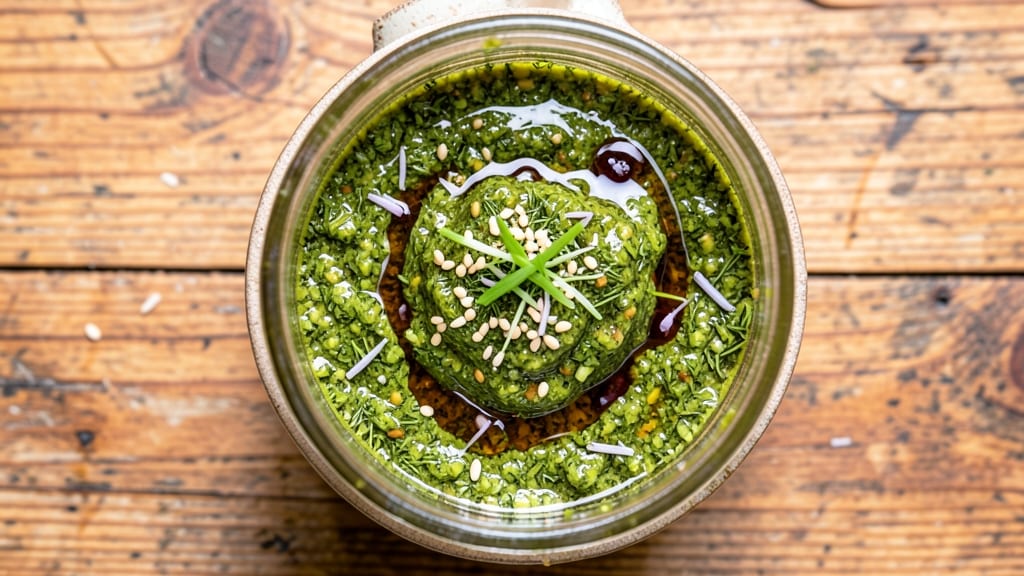
Betty Timko's salad dressing recipe delivers that perfect balance of herbaceous freshness and creamy richness that elevates every salad from ordinary to extraordinary. This isn't your basic bottled dressing—it's a carefully crafted emulsion with just the right ratio of oil, vinegar, and herbs to create a smooth, velvety texture that clings beautifully to greens. The secret lies in whisking the ingredients together while they're still warm, which ensures they emulsify properly for a dressing that stays consistent, not separating after hours in the fridge.
What makes this dressing truly special is the herb blend—fresh dill, parsley, and chives contribute bright, vibrant notes that cut through the richness of the oil and cream base.
A touch of Dijon mustard adds depth and helps bind the emulsion, while a squeeze of lemon juice brightens the whole mixture. The result is a dressing that's versatile enough for any salad, from crisp romaine with grilled chicken to hearty kale salads loaded with roasted vegetables.
This recipe produces about 1 cup of dressing, enough to generously coat a large salad or serve as a dipping sauce for crudités. The flavors develop beautifully over time, so it tastes even better the next day as the herbs infuse more deeply.
Store it in an airtight container in the refrigerator for up to 1 week, giving you a homemade dressing that's far superior to anything store-bought.
The best part? You can customize it to your taste—add a dash of honey for sweetness, a pinch of garlic powder for extra punch, or even a splash of white wine vinegar for a tangier profile. Once you try this dressing, you'll never reach for bottled again. Let's make it.
Ingredients for betty timko salad dressing
Nine ingredients transform into velvety, herb-infused dressing that beats store-bought every time.
| Ingredient | Amount | Notes |
|---|---|---|
| Fresh Dill 🌿 | ¼ cup | Chopped, stems removed |
| Fresh Parsley 🌿 | ¼ cup | Chopped, stems removed |
| Fresh Chives 🌿 | ¼ cup | Finely chopped |
| Dijon Mustard 🍯 | 1 tbsp | High-quality for binding |
| Extra-Virgin Olive Oil 🫒 | ¾ cup | Light, fruity variety |
| Red Wine Vinegar 🍷 | ¼ cup | Dry, bold flavor |
| Heavy Cream 🥛 | ¼ cup | Full-fat for richness |
| Lemon Juice 🍋 | 1 tbsp | Freshly squeezed |
| Salt 🧂 | ½ tsp | Kosher or sea salt |
| Black Pepper 🌶️ | ¼ tsp | Freshly ground preferred |
The herbs are the heart of this dressing—fresh dill, parsley, and chives make all the difference. Whole Foods or local farmers markets usually have the brightest, most flavorful bunches. If you're using dried herbs, cut the amount to one-third—they're way more concentrated. Look for vibrant green leaves with no wilt or yellowing. I always grab extra because I love adding them to soups and grain bowls too. The Dijon mustard is non-negotiable—it's what helps bind the emulsion so beautifully. Maille or Colman's are my go-tos, but any good quality brand works.
No fresh herbs? Dried will work in a pinch, but the texture won't be quite as smooth. Running low on red wine vinegar? White wine vinegar or apple cider vinegar both work well. Want to make this dairy-free? Swap the heavy cream for full-fat coconut milk—it adds a lovely richness. The olive oil matters here—avoid heavily processed brands. Look for extra-virgin with a fruity, peppery finish. If you're feeling fancy, you can infuse the oil with a few garlic cloves for 10 minutes before using—game-changer for flavor. The lemon juice can be substituted with white wine vinegar if you prefer a more acidic tang.
This dressing tastes even better after it sits overnight as the flavors meld together. Store it in an airtight container in the fridge for up to 1 week. The emulsion will stay perfect if you give it a quick shake before each use. I like to portion mine into small jars so I always have dressing ready for quick salads. If it separates, just whisk it vigorously—it'll come back together beautifully. The herbs keep their vibrant color best when covered with a thin layer of olive oil before sealing. Trust me, this is worth making ahead—it's the secret to restaurant-quality salads at home.
Why You'll Love This Recipe
- No-Chop Trick: I swear by this—just roughly chop the dill, parsley, and chives (or pulse them in a food processor if I’m lazy) and blend. The Dijon and olive oil do all the heavy lifting while I’m still deciding what to eat for dinner.
- Herb Bomb Brightness: That trio of fresh herbs—dill’s grassy punch, parsley’s freshness, and chives’ sharp bite—cuts through anything. Honestly, it’s the kind of dressing that makes a sad bagged salad taste like a restaurant dish.
- Potluck Proven: I’ve brought this to summer picnics, holiday spreads, and even my friend’s “no-cook” dinner nights. It’s the one thing people always ask for seconds on, and it travels well in a mason jar—no spills, no fuss.
- Dollar Stretch Magic: A little goes a long way, and since I’m using pantry staples (olive oil, mustard) plus whatever herbs are cheap at the market, it’s my go-to for stretching meals. Leftovers? Just store them in the fridge and stir before using—no waste.
Step-by-step instructions for betty Timko's herb-infused dressing
This dressing delivers that perfect balance of creamy richness and bright herbaceousness—every layer matters.
Blend the Fresh Herbs to a Fine Paste
In a food processor, combine the 0.25 cup fresh dill, 0.25 cup fresh parsley, and 0.25 cup fresh chives. Pulse until you achieve a smooth, finely chopped consistency—think like a thick pesto. You want the herbs to break down completely so they distribute evenly through the dressing. This step is crucial for that signature herb-forward flavor that makes this dressing stand out.
If you don't have a food processor, finely chop the herbs by hand with a sharp knife. The goal is to create a paste that will blend seamlessly with the other ingredients. I like to press down on the herbs with the blade of the knife to release their oils—this ensures maximum flavor extraction. Once you've achieved that smooth texture, transfer the herb mixture to a medium bowl.
Whisk Together the Base Ingredients
Add the 1 tbsp Dijon mustard, 0.75 cup extra-virgin olive oil, 0.25 cup red wine vinegar, 0.25 cup heavy cream, and 1 tbsp lemon juice to the bowl with the herb paste. Using a whisk, combine everything until it's fully integrated and smooth. The Dijon mustard acts as an emulsifier here, helping to bind the oil and vinegar for that silky texture.
Start with a slow, steady whisking motion to prevent splattering from the olive oil. As you whisk, you'll notice the dressing begin to thicken slightly—this is the mustard working its magic. If you see any oil separating, don't worry. We'll fix that in the next step. Taste the mixture now—it should be tangy from the vinegar and lemon, with a rich base from the cream and olive oil.
Season and Emulsify for Perfect Consistency
Add the 0.5 tsp salt and 0.25 tsp black pepper to the bowl. Whisk vigorously for 1-2 minutes until the dressing becomes thick and creamy. You're looking for a consistency that coats the back of a spoon but still pours smoothly. If it's too thick, add 1-2 teaspoons of water or reserved herb paste to loosen it. If it's too thin, whisk in another ½ tablespoon of Dijon mustard to help it thicken.
This is where the magic happens—the emulsification process creates that luxurious, restaurant-quality texture. The key is patience here. Keep whisking until the dressing holds its shape when you lift the whisk. It should look glossy and cohesive, not separated. Real talk: if you rush this step, you'll end up with a broken dressing that separates when poured over salads. Trust the process!
Rest and Adjust for Ultimate Flavor
Cover the bowl with plastic wrap and let the dressing rest at room temperature for 15-20 minutes. This resting period allows all the flavors to meld together and the emulsification to fully develop. You'll notice the dressing becomes even thicker and more cohesive during this time.
After resting, give it one final taste and adjust the seasoning if needed. Maybe it needs a touch more salt to balance the acidity, or perhaps another splash of lemon juice to brighten the flavors. The dressing should be perfectly balanced—tangy from the vinegar and lemon, creamy from the heavy cream, and herbaceous from that fresh herb paste. Once you're happy with the flavor, transfer it to a clean jar or airtight container.
Store and Use for Maximum Freshness
The dressing will keep in the refrigerator for up to 5 days when stored in an airtight container. Before using, give it a good stir or shake—sometimes the cream can separate slightly over time. This dressing is incredibly versatile—drizzle it over mixed greens, use it as a marinade for grilled chicken, or even toss it with roasted vegetables for an elevated side dish.
Here's the thing—this dressing tastes even better the second day as the flavors continue to develop. The herbs mellow slightly, and the cream adds even more richness. I like to make a big batch and keep it on hand for quick meals. Just remember, once you try this dressing, you'll never go back to store-bought again!
Pro Tips For Making Betty Timko Salad Dressing
- CHOP HERBS FINE: Use the tip of your knife to guide the blade through the bunches of dill, parsley, and chives—this keeps the pieces tiny and uniform. I used to hack them roughly, and the dressing tasted like it was missing something until I saw how much finer the herbs were in the original recipe.
- WHISK THE MUSTARD FIRST: Mix the Dijon mustard with the vinegar (or lemon juice) before adding oil—this emulsifies it instantly. After trying to blend everything at once, I realized the mustard needs a head start to play nice with the oil.
- SALT THE MUSTARD MIX: Taste the mustard-vinegar blend before adding oil, and salt it like you would a vinaigrette. This balances the tang early, so you’re not chasing flavor later. I skipped this once and ended up over-salting the whole batch.
- STORE IT COVERED: Press plastic wrap directly onto the surface of the dressing to prevent a skin from forming. I used to let it sit uncovered, and by day two, it looked like someone had spilled paint on it. Now it stays smooth for days.
Common mistakes when making your betty timko salad dressing
Rushing the Emulsification
This is the #1 mistake I see when making creamy dressings—skipping the proper emulsification step. When you whisk too quickly or not long enough, the oil and vinegar won't fully bind, causing separation.
The key is whisking for 1-2 minutes until the dressing holds its shape when you lift the whisk. I've seen people give up after 30 seconds and end up with a broken dressing that looks like oil floating on top of a liquid.
Trust me, patience here pays off with that silky, restaurant-quality texture. 🔥
Using Cold Ingredients
Cold ingredients—especially the heavy cream and olive oil—can prevent proper emulsification. Warm the cream slightly by placing its container in warm water for 2-3 minutes before using. The olive oil should be at room temperature too.
Cold ingredients create resistance during whisking, making it harder to achieve that smooth, cohesive texture. I always let my ingredients sit out for about 10 minutes before starting—it makes all the difference.
Skipping the Resting Period
The 15-20 minute rest before storing is crucial but often skipped. This resting time allows the flavors to meld and the emulsion to fully set. If you skip it, you might end up with a dressing that separates in the fridge or tastes unevenly balanced.
I know it's tempting to eat it immediately, but resisting those first bites leads to a much better final product. Think of it as letting the dressing "marinate" in its own flavors.
Incorrect Oil-to-Vinegar Ratio
The balance between 0.75 cup olive oil and 0.25 cup vinegar is delicate. Too much vinegar makes the dressing too acidic, while too much oil creates a greasy texture. Stick to the recipe's ratio, but if you need to adjust, do it gradually.
I've found that adding vinegar in 1-teaspoon increments helps maintain balance. Always taste as you go—this is where you'll catch any imbalances before they become problems.
Not Using Fresh Herbs
Dried herbs just don't cut it for this recipe—they lack the vibrant flavor and moisture needed for proper emulsification. If you must use dried, reduce the amount to one-third and add a splash of water to compensate for the lack of moisture.
I've tried it both ways, and fresh herbs make all the difference in that bright, herbaceous flavor. When in doubt, grab fresh herbs from your local market—they're worth the extra effort. 🌿
Ignoring the Mustard
Dijon mustard isn't just a flavor enhancer—it's the emulsifier that binds the oil and vinegar. Skipping it or using a lower-quality brand can lead to separation. I always use Maille or Colman's because they have that perfect balance of tang and creaminess.
If you're out of Dijon, you can substitute 1 teaspoon of whole-grain mustard mixed with ½ teaspoon of water, but the texture won't be quite the same. Don't skip this step—it's what gives this dressing its signature velvety texture.
Nutrition facts
Frequently asked questions
Can I make this dressing without a food processor?
While a food processor makes herb prep easier, you can finely chop the dill, parsley, and chives by hand using a sharp knife. Press down on the herbs with the blade to release their oils and create a smooth paste. Just be patient—this takes about 5-7 minutes of careful chopping for the same texture. The key is getting the herbs as finely minced as possible so they distribute evenly throughout the dressing.
How can I adjust the dressing for a dairy-free version?
Swap the heavy cream for full-fat coconut milk or cashew cream (blend soaked cashews with water). For extra richness, add 1 tablespoon of tahini—it helps bind the emulsion. The texture will be slightly different but still creamy. Taste as you go and adjust the vinegar or lemon juice to balance the flavors since coconut has a natural sweetness.
What if my dressing separates after refrigeration?
This happens when the emulsion breaks, but it's easily fixable! Simply whisk the dressing vigorously for 1-2 minutes until smooth. If it's still stubborn, add 1 teaspoon of Dijon mustard or a splash of warm water while whisking. The key is to rebuild the emulsion by reintroducing the mustard's binding properties. For future batches, ensure all ingredients are at room temperature and whisk thoroughly during preparation.
Can I use this dressing on non-salad dishes?
This versatile dressing works beautifully beyond salads! Drizzle it over grilled chicken or fish, use it as a marinade for tofu or shrimp, or toss it with roasted vegetables. It also makes an excellent dip for crudités or pita chips. The creamy texture and herbaceous flavor pair well with proteins and hearty vegetables. Just remember, the acidity in the dressing can tenderize meats, so use it as a marinade for 15-30 minutes rather than overnight.
Why does my dressing taste too acidic?
Too much vinegar or lemon juice can make the dressing overly tangy. Balance it by adding 1-2 teaspoons of honey or maple syrup to sweeten, or stir in ½ teaspoon of sugar. Alternatively, add 1 tablespoon of olive oil to mellow the acidity. Taste as you go—small adjustments make all the difference. The goal is a harmonious blend where the tanginess enhances, rather than overpowers, the other flavors.