
Sauces & Condiments
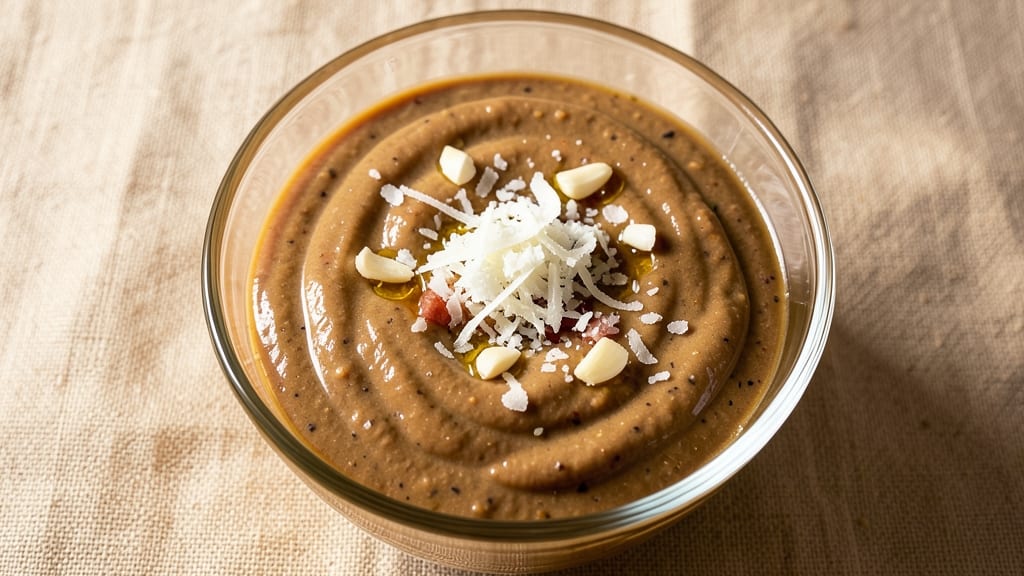
This blender Caesar salad dressing recipe transforms classic Caesar into velvety perfection—no lumps, no straining, just ultra-smooth richness in minutes. The secret lies in blending anchovies, garlic, and Dijon mustard directly with mayo and lemon juice, creating a creamy, tangy sauce that clings effortlessly to romaine.
I developed this method after years of battling clumpy store-bought versions, and it’s now my go-to for restaurant-quality salads at home.
The blender technique is what sets this apart. By pulsing ingredients together until completely smooth, you eliminate the need for straining or whisking, while the anchovies dissolve into the sauce for deep umami flavor without any fishy aftertaste.
A splash of lemon juice brightens the richness, balancing the bold garlic and mustard. This version keeps all the classic Caesar elements—just better, with a texture so refined it’ll fool even the most discerning salad lovers.
What you’ll end up with is a creamy, tangy dressing that coats every leaf of romaine perfectly, delivering that signature Caesar punch without the grittiness. The sauce stays fresh in the fridge for up to a week, making it ideal for meal prep or entertaining.
No more shaking bottles or scraping out lumps—just pour, toss, and enjoy the results of a foolproof, blender-powered transformation.
Perfect for Caesar salads, crostini, or even as a dip for grilled chicken. The versatility of this dressing means you’ll reach for it again and again—once you taste the difference, store-bought will never measure up. Let’s make it.
Ingredients for blender caesar salad dressing
Nine ingredients transform classic Caesar into velvety perfection—no lumps, no straining, just ultra-smooth richness.
| Ingredient | Amount | Notes |
|---|---|---|
| Mayonnaise 🥫 | 1 cup | High-quality, full-fat preferred |
| Anchovy Fillets 🐟 | 6 whole | Packed in oil, drained |
| Garlic Cloves 🧄 | 3 cloves | Fresh, peeled, rough chopped |
| Dijon Mustard 🌶️ | 2 tbsp | High-quality, smooth texture |
| Lemon Juice 🍋 | 3 tbsp | Freshly squeezed, strained |
| Parmesan Cheese 🧀 | ½ cup | Freshly grated, fine |
| Worcestershire Sauce 🍶 | 1 tbsp | Anchovy-free version preferred |
| Extra-Virgin Olive Oil 🫒 | ¼ cup | For blending and finishing |
| Salt 🧂 | ½ tsp | Diamond Crystal preferred |
| Black Pepper 🌶️ | ¼ tsp | Freshly ground, coarse |
The anchovies are the secret weapon here—look for the high-quality brands packed in oil at Whole Foods or Trader Joe's. They dissolve completely in the blender, delivering that signature umami depth without any fishy aftertaste. Fresh garlic matters too; roast it first if you're worried about overpowering bitterness. The mayo needs to be full-fat for that classic Caesar creaminess—Hellmann's or Duke's work perfectly, but nothing with that weird vinegar tang. Parmesan? Grate it yourself—pre-grated gets clumpy and loses flavor fast. I always buy a wedge and keep it in the freezer for this recipe.
No anchovies? Anchovy-free Worcestershire sauce plus a pinch of fish sauce gets you close, though you'll lose some depth. Fresh garlic? Garlic powder at half the amount works in a pinch, but trust me on the fresh stuff. The Dijon mustard is non-negotiable—French's or Maille are my go-tos, but any smooth Dijon will do. Running low on lemon juice? Lime juice works too, though it'll have a slightly different brightness. The olive oil should be extra-virgin—California or Italian varieties add the best fruity finish. For a tangier version, add an extra tablespoon of lemon juice; for richer texture, stir in an extra tablespoon of mayo.
This sauce keeps beautifully—up to 1 week in the fridge, sealed tightly in a jar. The texture actually improves after sitting overnight as everything melds together. For meal prep, I make double batches and store them in small glass jars—perfect portions for salads. If it thickens too much, just stir in a splash of water or lemon juice. The blender jar is your best friend here; don't wash it immediately—the residual sauce makes cleanup a breeze next time.
Why You'll Love This Recipe
- No Blender? No Problem: I toss everything—mayo, anchovies, garlic, Dijon, lemon—into a bowl and mash it with a fork. Honestly, the blender makes it silky, but this still works when I’m in a rush or forgot to clean mine last night. That umami punch from the anchovies? Still hits every time.
- Umami Bomb: Between us, anchovies are my secret weapon. You’d never guess they’re in there, but that salty, briny depth cuts through the mayo’s richness like a knife. The garlic and lemon brighten it up so it’s never heavy—just bold, tangy, and ridiculously more exciting than store-bought.
- Weeknight Superhero: This dressing is my go-to for lazy nights when I’m throwing together a quick salad but still want restaurant-worthy flavor. Drizzle it on greens, toss with grilled chicken, or even slather it on crostini—no one bats an eye. (Yes, even on a Tuesday night.)
- Lasts All Week: I make a big batch on Sundays and keep it in the fridge. The mayo keeps it creamy, and the acidity from the lemon means it doesn’t spoil fast. By Thursday, it’s still fresh enough to use, and I’m saving money by not buying pre-made dressing every time I crave Caesar. Win.
Step-by-step instructions for blender Caesar salad dressing
Here's how to blend this creamy, ultra-smooth Caesar dressing without a single lump.
Prepare Anchovies and Garlic for Blending
Start by draining the 6 whole anchovy fillets thoroughly—pat them dry with paper towels to remove any excess oil. This prevents the dressing from becoming too greasy later. Transfer them to the blender along with the 3 cloves rough-chopped garlic cloves. The rough chop helps emulsify better than finely minced garlic, which can create a gritty texture. Here's the thing—anchovies and garlic need time to meld, so don't rush this step.
Pulse these ingredients together in the blender for 10-15 seconds until the anchovies break down completely. You should see a fine, paste-like consistency with no visible fish pieces. This foundational blend carries the umami depth of the dressing, so take your time here. If you skip this step, you'll end up with a dressing that tastes more like anchovy bits than a cohesive sauce.
Add Wet Ingredients and Blend Until Smooth
With the blender running on low speed, gradually add the 1 cup mayonnaise, 2 tablespoons Dijon mustard, and 3 tablespoons lemon juice. The mayonnaise should be high-quality, full-fat—this ensures the dressing emulsifies properly. Start slow to prevent splattering, then increase speed to medium and blend for 30 seconds. You'll notice the mixture thickens slightly as the ingredients begin to combine.
Next, add the 1 tablespoon Worcestershire sauce and 0.25 cup extra-virgin olive oil. The olive oil helps balance the richness of the mayonnaise while adding a subtle fruity note. Blend again for 20 seconds on medium speed. At this point, the dressing should look creamy but still slightly chunky. This is normal—we're not done yet. The key is patience; blending too aggressively at this stage can break the emulsion and create a greasy separation.
Incorporate Cheese and Seasonings for Perfect Emulsion
With the blender still running on low speed, add the 0.5 cup freshly grated Parmesan cheese in a slow, steady stream. The cheese should be fine and freshly grated—pre-shredded cheese contains anti-caking agents that prevent proper emulsification. As you add it, the dressing will thicken noticeably. Blend for another 20 seconds until the cheese is fully incorporated and no gritty bits remain.
Finally, add the 0.5 teaspoon salt and 0.25 teaspoon black pepper, blending just until combined—about 10 seconds. Taste the dressing at this stage. It should be tangy, savory, and rich, but not overly salty. If it needs more acidity, add a splash of lemon juice; if it needs more depth, add a pinch of salt. The dressing should coat the back of a spoon smoothly without separating. If it looks too thick, thin it with 1 teaspoon water at a time until it reaches your desired consistency.
Adjust Consistency and Finish
For the ultimate smoothness, strain the dressing through a fine-mesh sieve into a clean bowl. This removes any remaining anchovy fragments or garlic bits, ensuring a velvety texture. Give it a final taste and adjust seasoning if needed—Caesar dressing should balance tangy, salty, and umami flavors perfectly. If the dressing separates after straining, simply whisk it vigorously for 10-15 seconds to re-emulsify.
Transfer the dressing to an airtight container and refrigerate for at least 1 hour before using. This chilling time allows the flavors to meld completely, resulting in a dressing that's rich, creamy, and perfectly balanced. The longer it rests, the better it tastes—trust the process. When ready to serve, give it a quick whisk or shake before drizzling over your favorite Caesar salad.
Pro Tips For Making Blender Caesar Salad Dressing
- SOAK ANCHOVIES FIRST: Toss those anchovy fillets in a splash of warm water for 10 minutes before blending—it softens them into a paste without turning your dressing into fishy sludge. I learned this the hard way when my first batch tasted like a sushi boat instead of a Caesar.
- PULSE DON’T BLEND: Hit the pulse button, not continuous blend—you’re not making pesto. Over-blending turns mayo into butter and anchovies into a gray paste. Two 2-second pulses, then scrape the sides, repeat until smooth.
- USE COLD GARLIC: Chill the garlic cloves in the freezer for 10 minutes first. Frozen garlic mashes into a fine paste instead of chunky bits, and it won’t overpower the dressing with a harsh bite. (Yes, even if you’re impatient like me.)
- LEMON JUICE LAST: Add lemon juice after blending everything else—it thins the dressing faster than you’d think. Start with half the amount, taste, then adjust. Too much? A spoonful of mayo brings it back. Too little? A squeeze of lemon wakes it up.
Make-ahead tips for this recipe
Batch Prep Strategy
Make a double batch of this dressing and store it in small glass jars (like Ball mason jars) for perfect portions. The sauce actually improves overnight as flavors meld together, so I always prep it a day ahead for meal prep.
Label jars with the date—they keep for up to 1 week in the fridge. 📅
Freezer-Friendly Hack
For long-term storage, freeze the dressing in ice cube trays. Once frozen, transfer cubes to a freezer bag and thaw only what you need. Each cube makes a perfect single-serving for salads or crostini.
The texture remains creamy after freezing, though it may thin slightly—just stir in 1 tsp mayo to restore thickness. ❄️
Garnish Prep Ahead
Prep your Caesar salad toppings in advance too! Store grated Parmesan (freshly grated) and crispy croutons separately in airtight containers. Assemble salads just before serving to keep romaine crisp. I like toasting croutons 24 hours ahead so they stay crunchy longer. 🥖
Portion Control Tips
Use 1 tbsp dressing per serving for salads—this recipe makes about 2 cups total. For crostini, use ½ tsp per piece. Store leftovers in the fridge with a parchment paper barrier between layers to prevent sticking.
The sauce thickens when chilled, so thin with lemon juice if needed. ✨
Blender Jar Care
Don't wash your blender jar immediately after making this dressing—the residual sauce makes cleanup easier next time. Soak it in warm soapy water for 10 minutes before scrubbing. I keep a dedicated blender jar just for dressings to save time.
The blender's motor stays cooler too when you don't run hot water through it right after use. 🧼
Flavor Boost Shortcut
Need extra depth? Add ½ tsp anchovy paste (like Cristal) to your stored dressing when ready to use. It dissolves instantly and amplifies the umami without altering texture. For a smoky twist, stir in ¼ tsp smoked paprika before serving. These tweaks work best with freshly made dressing. 💡
Nutrition facts
Frequently asked questions
Why does my homemade Caesar dressing turn greasy?
The most common cause is excess oil from anchovies or using low-quality mayo. Always drain anchovies thoroughly and pat dry with paper towels. Use full-fat, high-quality mayo (like Hellmann's or Duke's) and avoid oil-based dressings. If it still separates, whisk in 1 tsp lemon juice to re-emulsify. The blender technique helps prevent this—pulse ingredients gradually to avoid breaking the emulsion.
Can I make this dressing without anchovies?
Yes, but you'll lose some depth. Replace the anchovies with 1 tbsp anchovy-free Worcestershire sauce plus ½ tsp fish sauce (like Red Boat). For a vegetarian version, use 1 tbsp soy sauce plus ½ tsp nutritional yeast—though it won't taste identical. The umami is key to classic Caesar flavor, so anchovies are ideal if you can tolerate them.
How do I fix a dressing that's too thick?
Thick dressing happens when chilled—simply whisk in 1 tsp lemon juice or water at a time until smooth. For immediate use, thin with 1 tsp extra-virgin olive oil. If storing, leave the lid slightly ajar to prevent thickening. The dressing should coat the back of a spoon but still flow easily. Too thick? Add liquid gradually while whisking.
Does this work in a food processor instead of a blender?
A food processor can work, but it's trickier. Use the metal blade attachment and pulse in 10-second bursts between additions to prevent overheating. The blender's higher speed creates better emulsion, but if you must use a food processor, strain the final dressing through a fine-mesh sieve for silky texture. The blender's consistency is what makes this recipe truly foolproof.
Can I use this dressing on other dishes besides salads?
This versatile sauce works perfectly on grilled chicken or steak, as a dip for crostini or veggie sticks, or even as a marinade for seafood. For crostini, use ½ tsp per piece and top with extra Parmesan. The creamy texture makes it great for pasta dishes too—toss with penne or farfalle. Just adjust seasoning slightly for different applications.