
Salads
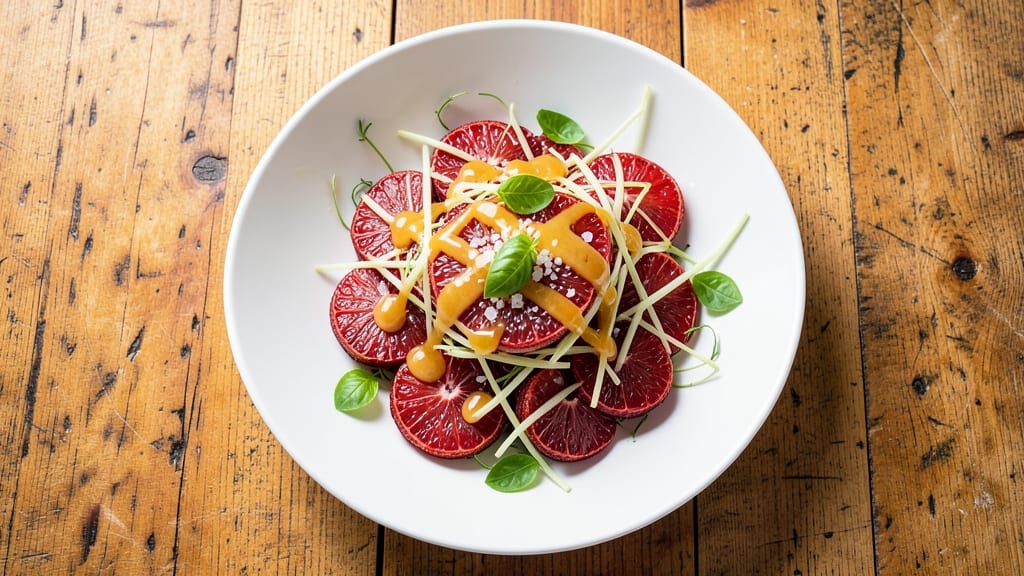
This blood orange and fennel salad delivers bold citrus-anise crunch that elevates any meal—no fancy techniques required. The secret lies in shaving fennel into delicate ribbons and segmenting blood oranges by hand, which releases their juicy sweetness.
I developed this recipe after realizing how often simple salads get overlooked for their potential to shine as a complete dish.
The beauty of this salad is its 15-minute assembly—freshly shaved fennel adds a crisp, licorice-like texture that balances the blood orange's tart-sweet profile. A bright citrus vinaigrette ties everything together with just a splash of olive oil and a pinch of salt.
The result? A dish that's vibrant, refreshing, and packed with flavor without being overly complicated.
What makes this salad truly special is how it transforms ordinary ingredients into something extraordinary. The blood oranges provide a juicy, ruby-red contrast against the pale fennel, while the vinaigrette ensures every bite is tangy and bright.
It's the kind of dish that feels both elegant and effortless—perfect for weeknight dinners or impressive gatherings.
Pair it with grilled chicken or fish for a complete meal, or serve it as a standalone starter. The salad holds up well for 24 hours, making it ideal for meal prep. Here's how to assemble it perfectly every time.
Ingredients for blood orange and fennel salad
Freshly shaved fennel and juicy blood orange segments create this vibrant salad with bold citrus-anise harmony.
| Ingredient | Amount | Notes |
|---|---|---|
| Blood Oranges 🍊 | 2 whole | Segmented by hand for juicy sweetness |
| Fennel Bulb 🌿 | 1 whole | Shaved into delicate ribbons |
| Extra-Virgin Olive Oil 🫒 | ¼ cup | High-quality, fruity variety |
| Fresh Lemon Juice 🍋 | 2 tbsp | Freshly squeezed for brightness |
| Honey 🍯 | 1 tbsp | For subtle sweetness balance |
| Flaky Sea Salt 🧂 | ½ tsp | Diamond Crystal preferred |
| Fresh Thyme Leaves 🌿 | ¼ cup | Chopped, for aromatic depth |
| Toasted Walnuts 🥜 | ½ cup | Chopped, for crunchy texture |
| Arugula 🌱 | 4 cups | Baby leaves for tender bite |
| Microgreens 🌱 | ¼ cup | Optional, for visual contrast |
The blood oranges are the star—look for vibrant, deep-red fruit with minimal bruising. Whole Foods and specialty markets often carry the best quality, but any grocery store's produce section should have them in season. Fennel should feel firm and crisp; avoid any with soft spots. For the vinaigrette, extra-virgin olive oil is non-negotiable—its fruity notes elevate the dish. If you can't find blood oranges, regular navel oranges work in a pinch, though they lack the signature ruby hue and slightly bitter edge.
No fresh thyme? Dried thyme at one-third the amount works, though fresh is ideal for that bright, floral aroma. The walnuts can be swapped for toasted pecans or candied pecans if you prefer a sweeter crunch. For a more robust salad, add shaved Parmesan cheese—about 0.25 cup freshly grated. The arugula should be crisp; if it's wilted, mix in fresh baby spinach for tenderness. For the vinaigrette, if you're avoiding honey, agave nectar or maple syrup works equally well, though honey's floral notes complement the citrus beautifully.
This salad keeps beautifully for 24 hours in the fridge, making it perfect for meal prep. Store components separately—keep the blood oranges and fennel in a sealed container with paper towels to absorb moisture, and the dressing in a small jar. Toss everything together just before serving to maintain crispness. For a make-ahead tip, shave the fennel and segment the oranges up to 4 hours ahead, storing them in airtight containers with plastic wrap pressed directly on the surface to prevent browning. The walnuts and arugula stay fresh for 3-4 days in the fridge.
Why You'll Love This Recipe
- Five-Ingredient Magic: I swear, this salad comes together with five things you already own. Thinly slice the fennel (no mandoline? A sharp knife works), segment those blood oranges, and toss with olive oil, lemon, and honey. That’s it—no peeling, no blanching, no stress.
- Bright & Biting: Honestly, the combo of blood orange’s tart-sweet punch and fennel’s crisp, licorice-like crunch is ridiculously good. The honey just ties it all together—like a little golden hug for your taste buds. (Yes, even on a Tuesday night.)
- Weeknight to Weekend: This salad’s your secret weapon for any meal. Toss it with grilled chicken for lunch, pile it high on a charcuterie board for guests, or serve it as a side when you’re roasting fish. It’s fancy enough for company but unfussy enough to eat straight from the bowl.
- Leftovers? More Like Leftovers: Between us, this salad actually improves overnight. The fennel softens just enough to get tender, and the flavors meld into something even better the next day. Pack it for work, or just snack on it cold—no reheating required. (Budget win: fennel and blood oranges last longer than you’d think.)
Step-by-step instructions for blood orange and fennel salad
This vibrant salad comes together in minutes with precise technique for maximum flavor balance.
Prepare the Blood Orange Segments
Begin by cutting the 2 whole blood oranges in half crosswise. Working over a bowl, use a sharp knife to carefully segment each half, removing all membranes and pith. The goal is to capture the juicy sweetness while minimizing bitterness from the membranes. You should yield about 1 cup of segments - their deep ruby color will be the salad's signature element.
Set aside 2 tablespoons of the blood orange juice you collect in the bowl. This juice will form the base of your dressing later. The remaining segments will be used whole in the salad. I like to gently press the segments with my fingers to release just a bit more juice while keeping their shape intact - this ensures they stay vibrant and juicy throughout the salad.
Shave the Fennel and Toast the Walnuts
Trim off the tough outer layer of the 1 whole fennel bulb and discard. Using a sharp mandoline or vegetable peeler, shave the fennel into delicate ribbons about 1/8-inch thick. Work quickly to prevent browning - the fennel should remain crisp and pale. You'll need about 1 cup of shaved fennel, which should yield a refreshing anise flavor that perfectly complements the citrus.
While the fennel shaves, toast the 0.5 cup toasted walnuts in a dry skillet over medium heat for 3-4 minutes until fragrant and golden. Watch them closely - they should develop a nutty aroma and subtle color change. Remove from heat immediately and let cool slightly. The walnuts will provide essential crunch and healthy fats to balance the salad's bright flavors.
Make the Citrus Dressing
In a small bowl, whisk together the 0.25 cup extra-virgin olive oil, reserved 2 tablespoons blood orange juice, 2 tablespoons fresh lemon juice, 1 tablespoon honey, and 0.5 teaspoon flaky sea salt. The dressing should emulsify quickly, creating a silky consistency. Taste and adjust - you may want to add a pinch more salt or honey depending on the acidity of your blood oranges.
Add the 0.25 cup chopped fresh thyme leaves to the dressing and stir well. The thyme will infuse the dressing with its earthy aroma, creating a sophisticated herbal note that ties all the flavors together. Let the dressing sit for 2 minutes to allow the thyme to release its full essence. This simple dressing transforms ordinary ingredients into something extraordinary.
Assemble the Salad
In a large bowl, gently combine the 4 cups arugula with the blood orange segments and shaved fennel. Toss lightly just until the greens are coated - you want to preserve their delicate texture rather than wilt them. The arugula should still hold its shape with just a few leaves slightly curled from the citrus.
Add the toasted walnuts and 0.25 cup microgreens (if using) to the bowl. The microgreens add a subtle visual contrast while maintaining the salad's freshness. Drizzle about half of the dressing over the salad and toss gently again. The remaining dressing should be served on the side for individual taste adjustment.
Serve Immediately for Optimal Freshness
Divide the salad among 4 plates, reserving any dressing for individual drizzling. The salad should be served immediately to preserve the crispness of the fennel and the vibrant color of the blood oranges. Each bite should deliver a perfect balance of citrus sweetness, anise brightness, peppery arugula, nutty crunch, and herbal depth.
For best presentation, arrange the salad components in concentric circles on each plate - arugula in the center, blood orange segments surrounding it, with fennel ribbons and walnuts radiating outward. The visual contrast between the deep ruby oranges, pale fennel, and dark arugula creates an immediately appealing dish that's as beautiful as it is delicious.
Pro Tips For Making Blood Orange And Fennel Salad
- SHAVE FENNEL THIN: A mandoline set to 1mm makes this a breeze—no more struggling with a knife or ending up with uneven strips. If you don’t have one, slice off the core first, then cut thinly against the grain (yes, it’s tedious, but the texture is worth it).
- JUICE ORANGES FIRST: Squeeze the blood oranges dry before cutting them—you’ll get more juice for the dressing and avoid soggy salad. Roll them on the counter first if they’re stubborn (I’ve tried everything, and this works).
- BALANCE HONEY AND ACID: Start with a 1:1 ratio of honey to lemon juice, then taste. Too sweet? Add a splash more lemon. Too sharp? Drizzle in more honey. This salad needs both to shine—don’t skip the second taste.
- LET IT REST 10 MINUTES: Toss everything together, then walk away. The flavors meld better if you let it sit—especially the fennel’s bitterness and the oranges’ brightness. I used to serve it immediately and wondered why it didn’t pop as much.
Flavor customization for this blood orange and fennel salad
Sweet-Tart Balance
Adjust the honey-to-lemon ratio in your dressing to control sweetness. For a more tart profile, reduce honey to ½ tablespoon and add 1 extra tablespoon lemon juice—this sharpens the citrus notes beautifully.
If your blood oranges are extra sweet, balance them with ¼ teaspoon extra salt in the dressing. I’ve found that Maldon flaky salt enhances texture while amplifying flavor. 🍋
Herbal Variations
Swap thyme for fresh rosemary (chopped, 1 tablespoon) for a piney depth, or use basil (¼ cup) for a sweeter, more aromatic touch. For a Mediterranean twist, add dried oregano (½ teaspoon) to the dressing—it pairs surprisingly well with fennel’s anise notes.
Always toast herbs lightly before adding to maximize their aroma.
Crunchy Additions
For extra texture, fold in ½ cup toasted pumpkin seeds (shells removed) or ¼ cup candied pecans for a sweeter crunch. If you love heat, sprinkle ¼ teaspoon red pepper flakes over the salad just before serving—it cuts through the richness of the walnuts.
I love using Penzeys smoked paprika for a subtle, earthy warmth instead.
Cheese Pairings
Add ¼ cup shaved Parmesan for umami richness or 2 oz crumbled goat cheese for tangy creaminess. For a vegan option, use nutritional yeast (2 tablespoons)—it mimics the nutty depth without dairy.
Always add cheese last to prevent wilting. A sprinkle of freshly cracked black pepper right before serving elevates the dish further. ✨
Seasonal Swaps
In summer, replace fennel with thinly sliced radishes for a peppery bite. For winter, add roasted butternut squash cubes (½ cup) to the salad—they add natural sweetness that complements the citrus. In spring, swap walnuts for toasted hazelnuts and use honey from local bees for a seasonal touch.
Dressing Upgrades
Boost the dressing with 1 teaspoon Dijon mustard for tang, or 1 clove minced garlic for depth. For a smoky twist, add ½ teaspoon liquid smoke (like La Boîte’s) to the dressing.
If you love creaminess, whisk in 1 tablespoon Greek yogurt—it balances the acidity beautifully while keeping the salad light. 💫
Nutrition facts
Frequently asked questions
Can I use regular oranges instead of blood oranges?
You can substitute regular oranges, but you'll lose the signature ruby-red color and slightly bitter edge that makes blood oranges special. For a similar flavor profile, try Carmen or Valencia oranges—their sweeter taste works well, though the visual impact won't be as striking. If you're set on blood oranges, look for ones with deep red skin and minimal bruising for the best results.
How do I properly shave fennel without browning?
Work quickly with a sharp mandoline or peeler set to 1/8-inch thickness. Keep the fennel submerged in cold water while you shave to prevent oxidation. Once shaved, pat dry immediately with paper towels and store in an airtight container until ready to use. If browning occurs, toss the fennel with a pinch of salt and a splash of lemon juice to brighten it back up.
Can I make this salad ahead of time?
Prep the blood orange segments and shaved fennel up to 4 hours ahead, storing them separately in airtight containers with plastic wrap pressed directly on the surface. Keep the dressing and walnuts separate until serving. Assemble just before eating to maintain crispness—fennel loses its crunch when left too long, and blood oranges can get soggy.
What's the best way to store leftovers?
Store components separately: keep the blood oranges and fennel in a sealed container with paper towels to absorb moisture, and the dressing in a small jar. The salad itself keeps for 24 hours in the fridge, but the fennel will soften over time. For best results, make only what you need or use leftovers as a topping for grain bowls within 12 hours.
Why does my dressing separate?
Citrus vinaigrettes naturally separate if not emulsified properly. Whisk vigorously for 30 seconds to combine the oil and juice, then add the honey and salt while whisking continuously. For extra stability, add 1 teaspoon Dijon mustard to the dressing ingredients—it acts as a natural emulsifier. If separation occurs after mixing, simply whisk again before using.