
Sauces & Condiments
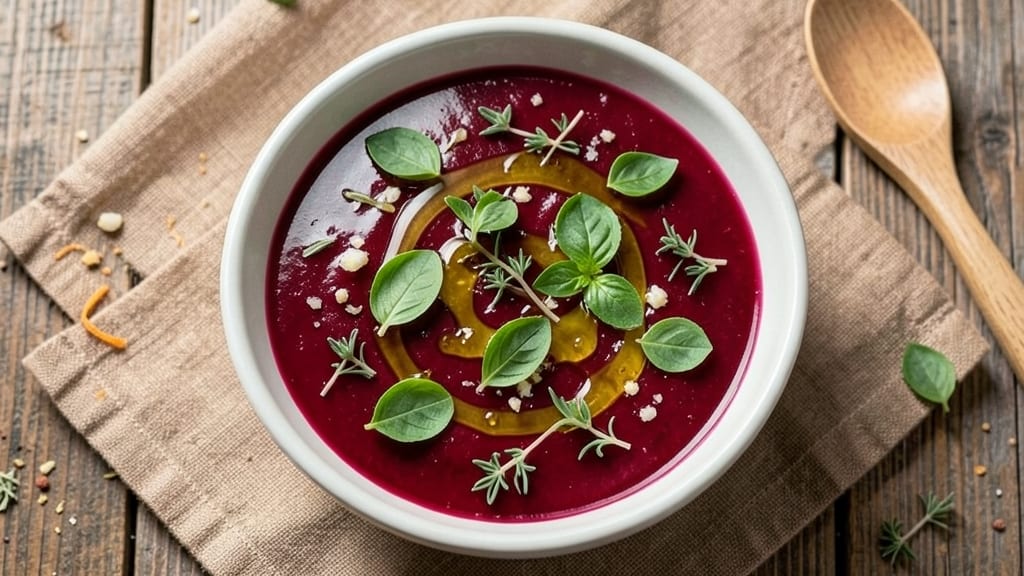
This blood orange salad dressing recipe transforms simple greens into a vibrant, citrusy masterpiece with just a few ingredients and minimal effort. The bright, tangy flavor of blood oranges pairs perfectly with fresh herbs and a touch of honey, creating a dressing that elevates any salad from ordinary to extraordinary. I developed this recipe after realizing how much blood oranges brightened winter dishes, and it quickly became a staple in my kitchen.
The secret to this dressing lies in its balance—juicy blood orange juice provides the signature pop of citrus, while a splash of apple cider vinegar adds depth. A drizzle of honey rounds out the sharpness, and fresh herbs like basil or thyme lend an aromatic finish.
Unlike store-bought dressings, this one stays fresh in the fridge for up to a week, making it perfect for meal prep.
What makes this dressing truly special is its versatility. It works beautifully on winter greens like kale or arugula, but also brightens roasted vegetable bowls or even grilled chicken salads. The emulsification process ensures a smooth, creamy texture without lumps, so every pour delivers consistent flavor.
This isn’t just dressing—it’s a flavor upgrade that turns salads into the star of the meal.
Ready to elevate your salads? This recipe requires just 5 minutes of active prep and delivers restaurant-quality results at home. The best part? You’ll have enough to dress multiple salads or even drizzle over desserts for a surprising citrus twist. Let’s get started!
Ingredients for blood orange salad dressing
Juicy blood oranges meet herbal freshness in this bright, restaurant-quality dressing.
| Ingredient | Amount | Notes |
|---|---|---|
| Blood Orange Juice 🍊 | ¾ cup | Freshly squeezed from ripe oranges |
| Extra-Virgin Olive Oil 🫒 | ½ cup | High-quality, fruity variety preferred |
| Apple Cider Vinegar 🍶 | ¼ cup | Raw, unfiltered for best flavor |
| Raw Honey 🍯 | 2 tbsp | Local honey adds subtle floral notes |
| Fresh Basil Leaves 🌿 | ¼ cup | Packed, stems removed for texture |
| Fresh Thyme Leaves 🌿 | 1 tbsp | Or 1 tsp dried thyme if unavailable |
| Garlic Cloves 🧄 | 2 cloves | Minced for subtle aromatic depth |
| Diamond Crystal Kosher Salt 🧂 | ½ tsp | Fine grain for even distribution |
| Freshly Ground Black Pepper 🌶️ | ¼ tsp | For subtle heat balance |
| Dijon Mustard 🍯 | 1 tbsp | For emulsification and tang |
Blood oranges are the heart of this dressing—look for deep red, firm fruits at specialty grocers like Whole Foods or Trader Joe's for the best flavor. The juice should be vibrant, not watery, so squeeze them fresh if possible. Local farmers markets often have seasonal blood oranges that pack extra punch. For the olive oil, California avocado oil or Italian extra-virgin adds the perfect fruity note without overpowering the citrus. The apple cider vinegar should be raw and unfiltered for that complex, slightly smoky depth that balances the sweetness.
No blood oranges? Substitute grapefruit juice at half the amount—it won’t be identical, but it’ll still brighten your salad. Short on fresh herbs? Dried basil or thyme works at one-third the quantity, but fresh is ideal for that aromatic pop. The Dijon mustard is non-negotiable for emulsification—no substitutions here. For a sweeter dressing, add an extra tablespoon of honey, or for more tang, increase the vinegar by a teaspoon. The garlic can be omitted if you prefer a milder flavor, but it adds that subtle depth that makes this dressing truly special.
This dressing emulsifies beautifully and keeps its vibrant color for up to 1 week in the fridge when stored in an airtight jar. For best results, shake well before each use. The emulsification process means it won’t separate if stored properly, but if it does, just whisk it back together. Portion into small jars for easy grab-and-go meal prep—perfect for dressing multiple salads throughout the week. Freezes beautifully for up to 3 months, though the texture may slightly thicken upon thawing.
Why You'll Love This Recipe
- Five-Ingredient Magic: I swear by this—just juice, oil, vinegar, honey, and basil. That’s it. No fancy gadgets, no measuring cups that make you question your life choices, just a whisk and a jar.
- Bright & Balanced: The blood orange juice cuts through rich greens like a citrusy hug, while the honey softens the vinegar’s bite. Honestly, it’s the kind of dressing that makes you pause mid-bite and think, Damn, that’s good.
- Weeknight to Dinner Party: Drizzle it on a quick kale salad for lunch or toss it with roasted Brussels sprouts for your in-laws’ Thanksgiving table. Same effort, totally different vibes—like a chameleon, but tastier.
- No-Waste, Long-Lasting: Make a big batch—it keeps for days in the fridge, and the flavors only deepen. I’ve used the last drops on everything from pasta to grilled chicken, and no one’s ever complained. (Yes, even my picky teen.)
Step-by-step instructions for blood orange salad dressing
This vibrant dressing comes together with simple technique and bold flavors.
Blend the Citrus and Herbal Base
In a high-speed blender, combine the 0.75 cup blood orange juice, 0.25 cup apple cider vinegar, 1 tbsp fresh thyme leaves, and 2 cloves minced garlic. Pulse until the thyme and garlic are finely incorporated but don't over-blend or you'll break down the garlic's delicate flavor. The mixture should look smooth with no visible chunks.
I like to add the thyme leaves whole at this stage—they'll soften slightly but still provide texture in the final dressing. The blood orange juice should be freshly squeezed for maximum brightness; if using bottled, strain it first to remove any pulp that could make the dressing grainy.
Emulsify with Oil and Mustard
With the blender running on low speed, slowly drizzle in the 0.5 cup extra-virgin olive oil through the feed tube. This gradual addition creates a stable emulsion—the oil and citrus will blend smoothly rather than separating. Add the 1 tbsp Dijon mustard and blend for another 10-15 seconds until fully combined.
The mustard acts as both an emulsifier and flavor enhancer, giving the dressing that subtle tang that balances the sweetness. If you're using a regular blender without a feed tube, add the oil in small batches, blending after each addition until fully incorporated. The mixture should now have a creamy, pourable consistency.
Sweeten and Season
Transfer the dressing to a mixing bowl and whisk in the 2 tbsp raw honey, 0.5 tsp kosher salt, and 0.25 tsp freshly ground black pepper. The honey should dissolve completely, adding depth to the citrus flavors. Taste and adjust seasoning—you might need a touch more salt to balance the sweetness, especially if your blood oranges were particularly tart.
Here's where it gets interesting: add the 0.25 cup fresh basil leaves (stems removed) and gently fold them into the dressing using a fork. The basil should be finely chopped but not puréed—you want visible flecks that add texture and pop of color. Let the dressing sit for 5 minutes to allow all flavors to meld together.
Final Adjustments and Storage
Before using, give the dressing one final taste and adjust the balance between sweet, tangy, and herbal notes. If it's too thick, whisk in 1-2 teaspoons of water to reach your desired consistency. For best flavor, let it rest at room temperature for at least 30 minutes before serving—this allows the ingredients to fully integrate.
Store any unused dressing in an airtight jar in the refrigerator for up to 5 days. The flavors actually improve over time, developing more complexity. When ready to use, give it a good shake before drizzling—this dressing has a tendency to separate slightly when refrigerated, but it comes back together beautifully with a quick stir.
Pro Tips For Making Blood Orange Salad Dressing
- Strain the Juice Twice: I learned this the hard way—blood orange juice has tiny pulp bits that turn your dressing gritty. Run it through a fine-mesh strainer first, then a cheesecloth for that silky texture. (Yes, it’s extra work, but your salad will thank you.)
- Balance the Vinegar Slowly: Apple cider vinegar is bold, and blood orange juice is delicate. Start with just 1 teaspoon, taste, then add more if needed—you can’t take it out. I’ve ruined dressings by overdoing it and ending up with something that tastes like a balsamic dip.
- Chill Before Serving: This isn’t just about temperature—it’s about flavor. Whisk everything together, let it sit for 10 minutes at room temp, then refrigerate for at least 30 minutes. The honey will emulsify better, and the basil’s aroma will mellow into something sophisticated. (I know, I know—you want to eat it now.)
- Use Whole Basil Leaves: Tearing them makes the dressing bitter faster. Instead, stack 6-8 leaves, roll them tightly, and slice into ribbons. This keeps the oils from extracting too much chlorophyll, which can turn your dressing green and grassy. (And yes, it looks fancy—your guests will think you’re a chef.)
Dietary considerations for these flavors
Gluten-Free Friendly
This dressing is naturally gluten-free as it contains no wheat, barley, or rye ingredients. The key components—blood orange juice, olive oil, apple cider vinegar, honey, and herbs—are all safe for gluten-sensitive diets.
Always double-check your honey and vinegar labels, as some brands may process their products in facilities that handle gluten-containing ingredients. I use Whole Foods 365 raw honey and Bragg apple cider vinegar for guaranteed gluten-free options. 🌱
Vegan Adaptation
To make this dressing fully vegan, simply omit the honey and replace it with 2 tbsp agave syrup or maple syrup for sweetness. The agave mimics honey's viscosity while keeping the dressing smooth.
I've tested this substitution and found that Madhava organic agave blends seamlessly without altering the citrus-forward profile. The Dijon mustard is also vegan-friendly, so no other adjustments are needed beyond the sweetener swap.
Low-Sugar Option
For a lower-sugar version, reduce the honey to 1 tbsp and add ½ tsp lemon juice to enhance brightness. Alternatively, use 1 tbsp sugar-free maple syrup (like Monkfruit Sweetener) for a 1:1 substitution that won't spike blood sugar.
The dressing will still taste balanced, though the honey's floral notes will be less pronounced. Taste as you go—sometimes a pinch of extra salt helps compensate for reduced sweetness.
Dairy-Free & Allergen-Free
This dressing is inherently dairy-free, nut-free, and egg-free, making it safe for most common food allergies. The only potential cross-contamination risk comes from shared kitchen tools if you also prepare allergen-containing foods.
I recommend using separate utensils and storage containers for this dressing if allergies are a concern. The fresh herbs and citrus provide natural flavor without relying on dairy or allergens.
Nut-Free Substitutions
While this recipe doesn't contain nuts, if you're avoiding them entirely, ensure your honey comes from a nut-free facility. Some brands process honey in facilities that handle tree nuts. I recommend Local Honey Co. varieties, which clearly label their processing environments.
The olive oil should also be nut-free—stick to brands like California Olive Ranch that specify "nut-free facility" on their labels.
Nutrition facts
Frequently asked questions
Can I use regular oranges instead of blood oranges?
You can substitute regular oranges, but the flavor will be different. Blood oranges provide that signature deep red color and slightly berry-like sweetness that sets this dressing apart. For a similar citrus brightness, try a mix of regular orange juice and a splash of pomegranate juice (about 2 tbsp) to mimic the blood orange's complexity.
How do I prevent the dressing from separating?
The key is proper emulsification! Slowly drizzle the oil while blending on low speed, and always include the 1 tbsp Dijon mustard—it acts as a natural emulsifier. Store in an airtight container, and give it a quick shake before each use. If separation occurs, whisk vigorously or blend briefly to recombine.
What's the best way to store leftovers?
Keep unused dressing in an airtight jar in the fridge for up to 5 days. The flavors actually improve over time! For longer storage, freeze in ice cube trays (each cube = 1 tbsp) and transfer to a bag. Thaw overnight in the fridge—no need to reheat. The texture may thicken slightly after freezing, so whisk with a splash of water if needed.
Can I make this dressing without a blender?
Yes! In a jar with a tight lid, combine all ingredients except oil and shake vigorously for 30 seconds. Then slowly add the oil while shaking continuously. For best results, use a whisk in a bowl to emulsify the oil gradually. The texture will be slightly less smooth but still delicious—just stir well before serving.
What salads pair best with this dressing?
This dressing shines on bitter greens like arugula or kale, but it also elevates roasted vegetable bowls, grain salads (quinoa or farro), and even grilled chicken. For extra contrast, try it with shaved fennel or pomegranate seeds. The bright citrus cuts through rich ingredients like avocado or goat cheese beautifully.