
Sauces & Condiments
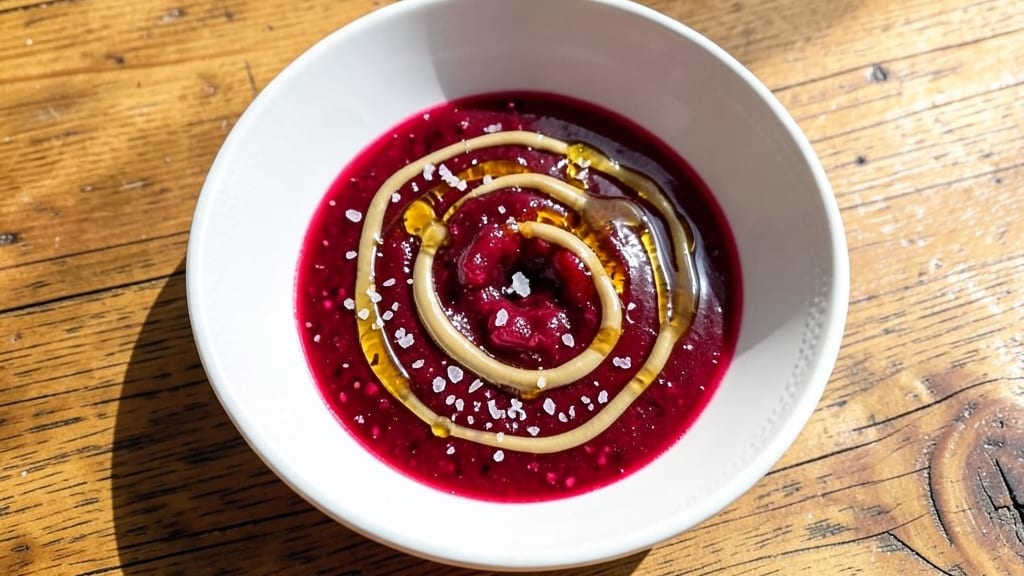
This blood orange vinaigrette salad dressing recipe transforms ordinary salads into vibrant, citrus-kissed masterpieces with just 5 simple ingredients. The deep ruby color and bright acidity of blood oranges create a dressing that's bold yet balanced—perfect for cutting through rich ingredients while adding a sophisticated touch.
What makes this recipe stand out is the emulsification technique that keeps it silky smooth, not oily, even after sitting in your fridge for days.
The foundation is built on a perfect ratio of blood orange juice to apple cider vinegar, with a touch of Dijon mustard to stabilize the emulsion. Extra virgin olive oil provides richness without overpowering the citrus, while a pinch of salt and honey rounds out the flavors.
This dressing isn't just for salads—it elevates roasted vegetables, grilled seafood, or even drizzled over avocado toast for an instant gourmet upgrade.
What you'll end up with is a dressing that's restaurant-quality yet effortless, with a glossy sheen and complex flavor profile that's both tangy and slightly sweet. The blood orange's natural bitterness balances the sweetness, creating a harmony that's impossible to resist.
It's the kind of dressing that makes you want to eat salads year-round, even when you're craving something heartier.
Use it immediately for maximum brightness, or store it in the fridge for up to a week—it only gets better as the flavors meld. The optional celery crown garnish adds a crisp, refreshing contrast that takes the presentation to the next level.
This is the dressing that will have everyone asking for your recipe.
Ingredients for blood orange vinaigrette salad dressing
Five ingredients transform ordinary salads into vibrant citrus masterpieces with restaurant-quality depth.
| Ingredient | Amount | Notes |
|---|---|---|
| Fresh Blood Orange Juice 🍊 | ½ cup | Freshly squeezed, seeds strained out |
| Apple Cider Vinegar 🍏 | ¼ cup | Raw, unfiltered preferred |
| Dijon Mustard 🍯 | 1 tbsp | High-quality, smooth variety |
| Extra-Virgin Olive Oil 🫒 | ½ cup | Light, fruity flavor preferred |
| Raw Honey 🍯 | 1 tbsp | Wildflower or clover variety |
| Sea Salt 🧂 | ½ tsp | Fine grain preferred |
| Fresh Celery Stems 🥬 | 1 whole | For celery crown garnish |
Blood oranges are the star here—look for deep ruby-colored fruit at specialty markets or well-stocked grocery stores like Whole Foods or Trader Joe's. The juice should be vibrant and tart, not watery. If you can't find blood oranges, regular orange juice plus a splash of pomegranate juice works in a pinch, though it won't have the same depth. For the vinegar, raw, unfiltered apple cider vinegar adds complexity—skip the pasteurized kind. The Dijon mustard is non-negotiable; it's what creates that perfect emulsion. Grab a high-quality jar from a specialty shop if you can—it makes all the difference.
No blood oranges? Grapefruit juice plus a touch of lemon mimics the bittersweet profile. Running low on honey? Maple syrup works at a 1:1 ratio, though it adds a slightly different depth. The olive oil should be light and fruity—avoid the strong, peppery varieties that can overpower the citrus. For the celery crown garnish, select crisp, pale green stalks with no brown spots. If you're feeling fancy, use a mandoline to slice them paper-thin for a more elegant presentation. The salt is just a pinch, but Diamond Crystal kosher salt dissolves more easily than table salt.
This dressing stays fresh for up to 1 week in the fridge, though it's best within 3-4 days for maximum brightness. Store it in an airtight jar with the lid sealed tightly—any air exposure speeds up oxidation. For the celery crowns, wrap them in damp paper towels and store in a sealed container for 2-3 days. The dressing only gets better as the flavors meld, so make extra if you can. It's perfect for meal prep—just give it a quick shake before using. If it separates, whisk vigorously or blend briefly to re-emulsify.
Why You'll Love This Recipe
- Five-Ingredient Magic: I swear by this combo—juicy blood orange, tangy vinegar, and just a whisper of Dijon. No fancy techniques, no measuring cups (honestly, I eyeball it), and it still tastes like I spent hours in the kitchen.
- Bright & Tangy: That deep blood orange zing cuts through greasy meals, and the honey balances it so smoothly. It’s the kind of dressing that makes even a simple salad feel like a celebration—no overpowering flavors, just pure, bright satisfaction.
- Weeknight Workhorse: I keep a jar in the fridge for when I’m too tired to think. Drizzle it over grain bowls, toss it with roasted veggies, or even use it as a marinade. It’s my go-to when I need something quick but still feels intentional.
- No Waste, All Flavor: The leftovers last for days, and the ingredients are cheap enough that I don’t mind using them up. Plus, blood oranges are often on sale in winter—this dressing is basically free insurance against boring salads.
Step-by-step instructions for blood orange vinaigrette
This vibrant dressing comes together in minutes with simple techniques that maximize flavor.
Whisk Together the Citrus Base
In a medium bowl, combine the 0.5 cup fresh blood orange juice and 0.25 cup apple cider vinegar. I like to use a whisk for this step because it creates a fine emulsion right from the start. The acidity of the vinegar will immediately brighten the blood orange flavor—you'll notice the mixture takes on a deeper ruby hue. Let this sit for 2-3 minutes while you prepare the remaining ingredients.
This resting period allows the flavors to begin melding, which makes the final dressing more cohesive. The blood orange juice should be freshly squeezed and strained to remove any pulp or seeds, as they can make the dressing grainy. If you're using store-bought juice, choose one with no added sugars to maintain the natural balance of flavors.
Add Mustard, Honey, and Salt
To the blood orange mixture, add the 1 tablespoon Dijon mustard, 1 tablespoon raw honey, and 0.5 teaspoon sea salt. Whisk vigorously for 30-45 seconds until the honey and salt are completely dissolved and the mustard is fully incorporated. The mustard acts as an emulsifier, helping the oil blend smoothly later, while the honey adds a subtle sweetness that balances the acidity.
At this stage, you might think the mixture looks too thin, but trust the process. The olive oil will come together beautifully in the next step. If you taste it now, you'll notice the bright citrus notes with a hint of tangy vinegar and the smooth, slightly peppery Dijon. This is the foundation of the dressing's complex flavor profile.
Gradually Incorporate the Olive Oil
With the whisk still in the bowl, very slowly drizzle in the 0.5 cup extra-virgin olive oil while whisking continuously. This gradual addition is crucial—it allows the oil to emulsify properly with the citrus mixture. Start with just a few drops at a time, whisking vigorously after each addition until the oil is fully incorporated before adding more. You'll see the mixture transform from a thin liquid to a thick, glossy vinaigrette.
If the dressing starts to separate at any point, simply whisk it again until it comes back together. The key is patience and steady whisking. Once all the oil is incorporated, the dressing should have a velvety texture with a bright, citrus-forward flavor. If it's too thick, you can thin it with a splash of water or more blood orange juice to reach your desired consistency.
Taste and Adjust the Balance
Taste the dressing and adjust the seasoning as needed. If it tastes too acidic, add a touch more honey or a pinch of salt. If it needs more brightness, add a little more blood orange juice. The goal is to achieve a harmonious balance between the sweet, tangy, and slightly bitter notes. This dressing should be vibrant, not overwhelming—each component should complement the others without competing for attention.
Once you're satisfied with the flavor, transfer the dressing to a clean jar or airtight container. The blood orange vinaigrette will keep in the refrigerator for up to 1 week, though I find it's best used within 3-4 days for maximum freshness. The flavors continue to meld over time, so it's even better the next day.
Garnish with Celery Crowns (Optional)
For an elegant presentation, use the 1 whole fresh celery stem to create crisp celery crowns. Trim the bottom of the celery stalk and slice off the leaves. Then, carefully slice the stalk into ¼-inch thick rounds, keeping them whole. Arrange these on top of your salad just before serving to add a refreshing crunch and a pop of green color that contrasts beautifully with the ruby-red dressing.
The celery crowns should be served immediately after slicing to maintain their crisp texture. If you're preparing the dressing ahead of time, slice the celery just before serving to keep it fresh. This garnish not only enhances the visual appeal of your salad but also adds a subtle, refreshing celery flavor that pairs perfectly with the bright citrus notes of the dressing.
Pro Tips For Making Blood Orange Vinaigrette Salad Dressing
- Strain the juice twice: Blood orange juice has pulp that clumps when emulsified—especially if you’re using a juicer. Run it through a fine-mesh sieve first, then a coffee filter or cheesecloth for a silky texture. Trust me, you’ll notice the difference when whisking in the olive oil.
- Use cold honey: Warm honey loses its delicate floral notes and thickens unpredictably. Chill the honey in the fridge for 10 minutes before adding it to the dressing—this keeps the balance of sweetness sharp and prevents the vinaigrette from separating later.
- Whisk in stages: Dumping all the olive oil at once makes emulsifying a nightmare. Start with half the oil, whisk until combined, then add the rest while drizzling slowly. This isn’t just a technique—it’s the thing that keeps your dressing from breaking when you toss it with greens.
- Balance the acid first: Taste the raw blood orange juice and vinegar mix before adding mustard or honey. Blood oranges vary in tartness—some need a splash more vinegar, others less. Adjust here, or you’ll be guessing whether to add more honey later and risk over-sweetening.
Wine and beer pairings for this recipe
White Wine Pairings
For this vibrant dressing, I reach for crisp, citrus-forward white wines that mirror its bright acidity. A dry Vermentino from Sardinia is my go-to—its mineral notes and zesty finish complement the blood orange's natural bitterness beautifully.
The slight salinity in Vermentino enhances the dressing's honeyed sweetness while cutting through any richness in your salad ingredients. 🍷
If you prefer something lighter, a Sauvignon Blanc from New Zealand works wonders, especially one with grapefruit or passionfruit undertones. The wine's herbal notes pair perfectly with the celery crown garnish, creating a harmonious balance.
For a budget-friendly option, look for a Pinot Grigio from Italy's Alto Adige region—its crisp acidity and subtle almond finish elevate the dressing's flavors without overpowering them.
Rosé Wine Harmony
Rosé wines with good acidity and a touch of fruitiness are surprisingly versatile with this dressing. A dry Provence rosé with its strawberry and citrus notes creates a delightful synergy, especially when paired with a mixed greens salad topped with strawberries.
The wine's subtle floral notes also complement the honey's sweetness beautifully. 🍇
Avoid heavy, oaked whites or sweet rosés—they'll clash with the dressing's bright acidity. Instead, opt for wines with at least 12% alcohol and noticeable tartness. I've found that chilling these wines to 45-50°F enhances their crispness, making them the perfect match for this refreshing dressing.
Beer Pairings
For beer lovers, a crisp Belgian witbier is an unexpected but fantastic match. The citrusy coriander and orange peel notes in these beers mirror the blood orange's flavor profile beautifully. A Hoegaarden or Stella Artois (the original witbier) works perfectly, especially with salads featuring fennel or citrus. 🍺
If you prefer something lighter, a German Helles lager with its clean, crisp profile provides a refreshing contrast. For a more robust pairing, try a dry English bitter—the malt sweetness balances the dressing's acidity while the hop bitterness adds complexity.
Always serve these beers well-chilled to maintain their crispness alongside the dressing.
Non-Alcoholic Options
Don't overlook sparkling water as a refreshing alternative to alcohol. A citrus-infused sparkling water like LaCroix Blood Orange or San Pellegrino Aranciata mirrors the dressing's vibrant flavors. The carbonation provides a palate-cleansing effect that enhances each bite of your salad. 💫
For a more substantial non-alcoholic option, try a sparkling apple cider—its natural acidity and slight sweetness complement the dressing beautifully. I like to chill these beverages to 38-42°F** for optimal refreshment.
These options work particularly well with summer salads or when serving the dressing as a marinade for grilled vegetables.
Nutrition facts
Frequently asked questions
Can I substitute regular oranges for blood oranges?
You can use regular oranges, but the flavor will be milder and less complex. For a similar bittersweet profile, mix 0.3 cup regular orange juice with 0.2 cup grapefruit juice—this combo mimics blood orange's depth. The dressing will lose its signature ruby color but still taste bright and tangy.
Why did my dressing separate? How do I fix it?
Separation happens when oil and citrus mixture aren't properly emulsified. Whisk vigorously for 1-2 minutes or blend briefly with an immersion blender. For stubborn separation, add ½ teaspoon Dijon mustard and whisk again. Store in a tightly sealed jar to prevent future separation.
How long will this dressing keep in the fridge?
The dressing stays fresh for up to 1 week, though it's best within 3-4 days for maximum brightness. Store in an airtight container with the lid sealed tightly. The flavors actually improve as they meld, but the color may darken slightly over time.
Can I make this without honey?
Yes! Replace honey with 1 tablespoon maple syrup or ½ teaspoon vanilla extract for depth. For a sugar-free version, add 1 teaspoon orange zest to enhance natural sweetness. The dressing will still balance well—just adjust other seasonings to taste.
What's the best way to use leftover dressing?
Use it as a marinade for grilled shrimp or chicken, a drizzle for roasted vegetables, or even a dip for crusty bread. It also works beautifully with goat cheese salads or as a finishing sauce for seared scallops. The flavors intensify when used this way!