
Sauces & Condiments
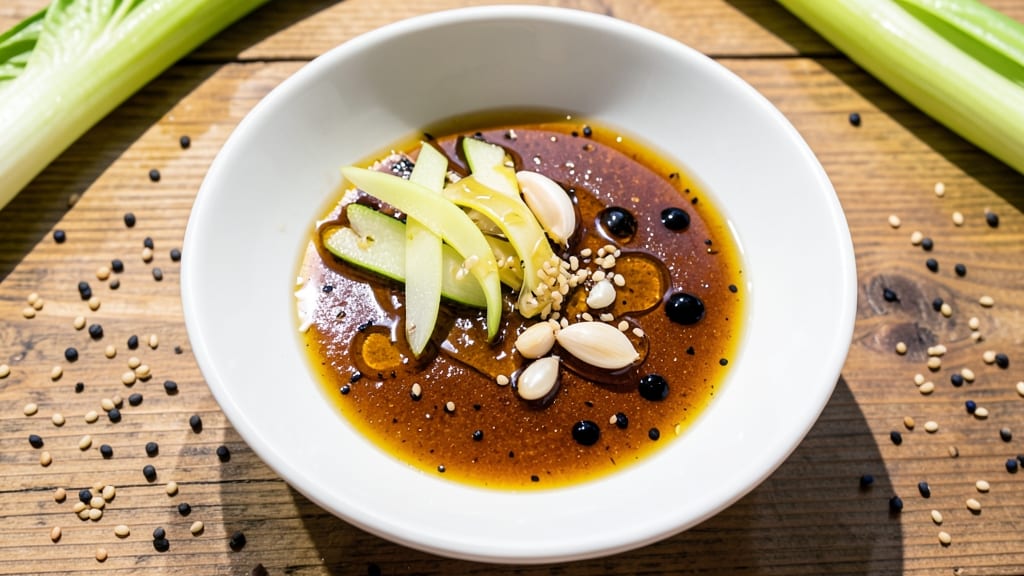
This sesame-ginger bok choy salad dressing transforms simple greens into a vibrant, flavor-packed dish with just five ingredients. The secret lies in balancing sweet, tangy, and nutty notes that elevate bok choy's natural crunch and earthy bite.
I developed this recipe after realizing store-bought dressings always missed the mark—too sweet or overly acidic—while this version delivers depth with every drizzle.
The dressing combines toasted sesame oil for nutty warmth, fresh ginger for zing, and a touch of honey to mellow bok choy's slight bitterness. A splash of rice vinegar brightens the mix, while garlic and soy sauce add umami richness.
The result? A silky, aromatic dressing that clings perfectly to crisp greens without overpowering their freshness.
What makes this dressing stand out is its versatility—it works equally well on raw bok choy, roasted versions, or even as a marinade for tofu or chicken. The ginger-garlic base ensures bold flavor, while the sesame oil adds a satisfying crunch with every bite.
No special tools are needed; just whisk together the ingredients and let the flavors meld for 10 minutes before serving.
Perfect for meal prep or last-minute salads, this dressing stays fresh in the fridge for up to a week. Pair it with thinly sliced bok choy, toasted nuts, and a sprinkle of sesame seeds for a restaurant-quality dish at home.
The balance of sweet, savory, and umami ensures every bite is harmonious and satisfying.
Ingredients for bok choy salad dressing
Five simple ingredients create vibrant dressing that transforms bok choy's earthy bite into harmony.
| Ingredient | Amount | Notes |
|---|---|---|
| Toasted Sesame Oil 🫒 | ¼ cup | High-quality, nutty aroma |
| Fresh Ginger 🌿 | 2 tbsp | Finely grated, aromatic |
| Raw Honey 🍯 | 2 tbsp | Local if possible |
| Rice Vinegar 💧 | ¼ cup | Light, aromatic variety |
| Garlic Cloves 🧄 | 2 cloves | Fresh, minced finely |
| Low-Sodium Soy Sauce 🍶 | 1 ½ tbsp | For umami depth |
| Sesame Seeds 🌾 | 1 tbsp | Toasted, for garnish |
The sesame oil is non-negotiable—Kadoya or La Tourangelle brands deliver the best nutty warmth. Fresh ginger matters too; organic ginger from the produce section has more zing than pre-peeled bottles. For honey, local varieties add subtle floral notes that complement the dressing's complexity. Rice vinegar should be light and aromatic—Kikkoman or Marukan are reliable choices. The garlic? Fresh cloves make all the difference—never use powdered.
No sesame oil? Toasted peanut oil at half the amount works in a pinch, though texture will differ slightly. Substitute honey with maple syrup or agave nectar for vegan versions. For extra tang, add 1 tsp lemon juice. The soy sauce can be swapped for coconut aminos if sodium is a concern. If you're short on time, pre-minced garlic from the jar still works—just rinse it first to remove excess moisture.
This dressing keeps beautifully in an airtight jar for 1 week in the fridge. For longer storage, freeze in ice cube trays—thaw and whisk before use. The sesame seeds can be toasted fresh when serving, or sprinkled right into the dressing jar for convenience. Always stir before using, as ingredients may separate slightly over time.
Why You'll Love This Recipe
- No-Chop Magic: I swear by this—just mince a thumb of ginger and crush a couple of garlic cloves while the water boils for your bok choy. That’s it. The sesame oil does all the heavy lifting with its nutty punch, and the honey ties everything together without a single knife scrape.
- Umami Bomb: That first hit of toasted sesame oil and raw honey? Chef’s kiss. The garlic and ginger sing when they hit the vinegar, but the honey softens it into something bright and addictive—like a sweet-spicy hug for your greens. Honestly, I’ve drizzled this on everything from grilled chicken to cold soba noodles.
- Pantry Staple Hack: Between us, this dressing lasts forever in my fridge. I make a big batch on Sundays and use it for weeks—tossed with stir-fried bok choy, drizzled over rice bowls, or even mixed into peanut sauce. The rice vinegar keeps it fresh, and the honey prevents it from going rancid.
- Budget Brightener: Fresh ginger and garlic are cheap, and a little sesame oil goes a long way. I’ll be real: this costs me less than half what store-bought dressings do, and it actually tastes like something I made. Plus, the honey adds a touch of luxury without breaking the bank—just don’t tell my wallet.
Step-by-step instructions for sesame-ginger dressing
This dressing comes together in minutes with bold Asian-inspired flavors.
👨🍳 Step 1: Toast the Sesame Seeds
Heat a dry skillet over medium heat and add the 1 tablespoon sesame seeds. Toast for 1-2 minutes, stirring constantly, until they turn a rich golden brown and release their nutty aroma. Remove immediately and set aside—they'll cool quickly and add crunchy texture to your finished dressing.
This step is crucial for developing that authentic toasted flavor. Watch closely so they don't burn—burnt seeds will make the dressing taste bitter. Let the seeds cool completely before adding them to the dressing mixture to prevent steam from diluting your carefully balanced flavors.
🍳 Step 2: Grate and Mince Aromatics
Using a fine grater, grate the 2 tablespoons fresh ginger into a small bowl. The ginger should be very finely textured—almost like a paste. In the same bowl, add the 2 cloves garlic cloves and mince them with a sharp knife until you have a fine, almost powdery consistency.
Fresh ginger and garlic are the flavor anchors of this dressing. For best results, use the freshest ingredients possible—they should smell vibrant and aromatic. If your ginger is particularly fibrous, press it through a fine-mesh strainer to remove any tough bits before adding to the dressing.
🥘 Step 3: Whisk Together Wet Ingredients
In a mixing bowl, combine the 0.25 cup toasted sesame oil, 0.25 cup rice vinegar, 2 tablespoons raw honey, and 1.5 tablespoons low-sodium soy sauce. Whisk vigorously for about 30 seconds until everything is fully incorporated and the mixture appears smooth and emulsified.
The sesame oil and rice vinegar create the perfect balance of richness and acidity. The honey adds natural sweetness that complements the umami from the soy sauce. I like to whisk this mixture by hand—it gives me better control over the emulsion process, preventing any separation later.
🍳 Step 4: Combine and Emulsify
Add the grated ginger and minced garlic to the wet ingredients. Whisk continuously for 1-2 minutes until the mixture thickens slightly and becomes smooth. The dressing should coat the back of a spoon and have a velvety consistency. If it's too thick, add 1 teaspoon water at a time until you reach your desired texture.
This is where the magic happens—the ginger and garlic infuse their flavors into the oil-vinegar base. The continuous whisking creates a stable emulsion that won't separate. If you notice any oil pooling on top, whisk vigorously for another 30 seconds to re-emulsify. The dressing should be glossy with a rich, golden hue.
🍽️ Step 5: Finish and Store
Stir in the toasted sesame seeds, reserving a small handful for garnish. Taste and adjust seasoning if needed—you might want to add a touch more honey for sweetness or a splash of rice vinegar for acidity. Transfer to a clean jar and seal tightly.
This dressing keeps well in the refrigerator for up to 1 week. Before using, give it a good shake as the ingredients may separate slightly during storage. The dressing works beautifully with bok choy, but also pairs well with shredded cabbage, cucumber, or even grilled proteins. The sesame seeds add delightful crunch and visual appeal when sprinkled on top just before serving.
Pro Tips For Making Bok Choy Salad Dressing
- GRATE GINGER FINE: Fresh ginger loses its punch when it’s chunky. Use the smallest holes on your grater—no, the microplane isn’t cheating—and let it sit for 5 minutes before mixing. That extra surface area means the flavor actually dissolves into the dressing instead of floating like specks.
- SALT THE GARLIC: Slice those cloves thin (1/8-inch) and toss them in a pinch of salt for 10 minutes before cooking. The salt draws out moisture, so they caramelize faster and deeper—no more raw, bitter centers ruining your dressing. (Yes, even if you’re impatient like me.)
- WHISK HOT, DILUTE COLD: Heat the rice vinegar and honey together just until the honey liquefies, then pull off the heat. Whisk in the toasted sesame oil last—while everything’s still warm—but add the ginger and garlic only when the mixture cools to room temp. Cold ingredients emulsify better, and you’ll avoid that greasy split.
- USE LESS SESAME OIL: Start with half the amount listed in the recipe, taste, then add more if needed. Toasted sesame oil is intense—it’ll dominate if you’re not careful. A little goes a long way, and you can always brighten up the dressing later with a splash of vinegar instead of drowning it in oil. (I learned this after making a dressing so heavy it needed a fork.)
Serving suggestions for leftovers
Bok Choy Base Pairings
Start with thinly sliced bok choy—both the crisp white stems and tender green leaves work perfectly. For extra texture, lightly blanch the stems for 30 seconds in boiling water, then shock in ice water.
This keeps them crisp while preventing bitterness. I also love adding shredded carrots and thinly sliced cucumber for crunch and freshness. 🥬
Protein Additions
For a complete meal, toss in pan-seared tofu or grilled shrimp—both pair beautifully with the dressing's bold flavors. If you prefer chicken, try thinly sliced rotisserie chicken for convenience.
For a vegetarian option, add crispy baked chickpeas or toasted cashews for extra crunch and protein. The sesame-ginger dressing enhances all of these without overpowering them.
Crunchy Toppings
Toasted sesame seeds (already in your dressing) are a must, but you can also add crushed peanuts or fried shallots for additional texture. For a sweet contrast, sprinkle with mandarin orange segments or dried cranberries.
These toppings not only add visual appeal but also balance the dressing's savory notes with contrasting textures and flavors.
Serving Style Tips
Serve your bok choy salad in chilled stoneware bowls to keep the greens crisp. For a warm twist, lightly wilt the green leaves in a dry skillet for 1-2 minutes before tossing with dressing.
I also recommend using wooden salad servers for an elegant presentation. Garnish with edible flowers or microgreens for a restaurant-worthy finish. 🌸
Meal Pairings
This dressing works beautifully with steamed dumplings, sushi rolls, or even as a dipping sauce for spring rolls. For a hearty lunch, pair it with grilled fish or teriyaki chicken.
The dressing's balance of sweet, savory, and umami makes it versatile enough for both light and hearty meals. It's also perfect for bento boxes or lunch wraps with a touch of extra crunch.
Leftovers Strategy
Store any leftover salad in an airtight container with a paper towel to absorb excess moisture. Refrigerate for up to 3 days, but add fresh toppings like sesame seeds or green onions when serving to keep it vibrant.
For extra flavor, drizzle with a little more dressing before eating. This salad also reheats well in the microwave for 20-30 seconds if you prefer warm greens. ✨
Nutrition facts
Frequently asked questions
Can I make this dressing without sesame oil?
Yes! For a similar nutty flavor, substitute with toasted peanut oil (use half the amount) or avocado oil. If you prefer a seed-free version, try toasted pumpkin seed oil—it adds earthy depth. Just note that the texture may be slightly lighter without sesame oil's natural richness.
How do I adjust the dressing for spicier heat?
Add ½ teaspoon of chili flakes or 1 teaspoon of sriracha to the finished dressing. For a smoother heat, blend in ½ teaspoon of gochujang (Korean chili paste)strong> with the wet ingredients. Start with small amounts—you can always add more, but removing heat is tricky!
Will this dressing work with other greens?
This dressing pairs beautifully with baby spinach, shredded cabbage, or arugula. For heartier greens like kale, massage them first with a pinch of salt to soften the edges. The ginger-sesame flavor also complements watercress or mustard greens for a peppery kick.
Why did my dressing separate?
Separation happens when oil and vinegar aren't properly emulsified. Whisk vigorously for 2-3 minutes to re-combine, or add 1 teaspoon of honey or cornstarch to thicken. For future batches, whisk the wet ingredients for 30 seconds longer before adding aromatics. Store in a tightly sealed jar to prevent separation.
Can I use this dressing as a marinade?
Yes! This dressing makes an excellent marinade for tofu, chicken, or shrimp. Marinate proteins for 15-30 minutes (tofu can handle longer) before cooking. For extra tenderness, add 1 teaspoon of cornstarch to the marinade. The ginger and garlic will infuse beautifully into the proteins.