
Sauces & Condiments
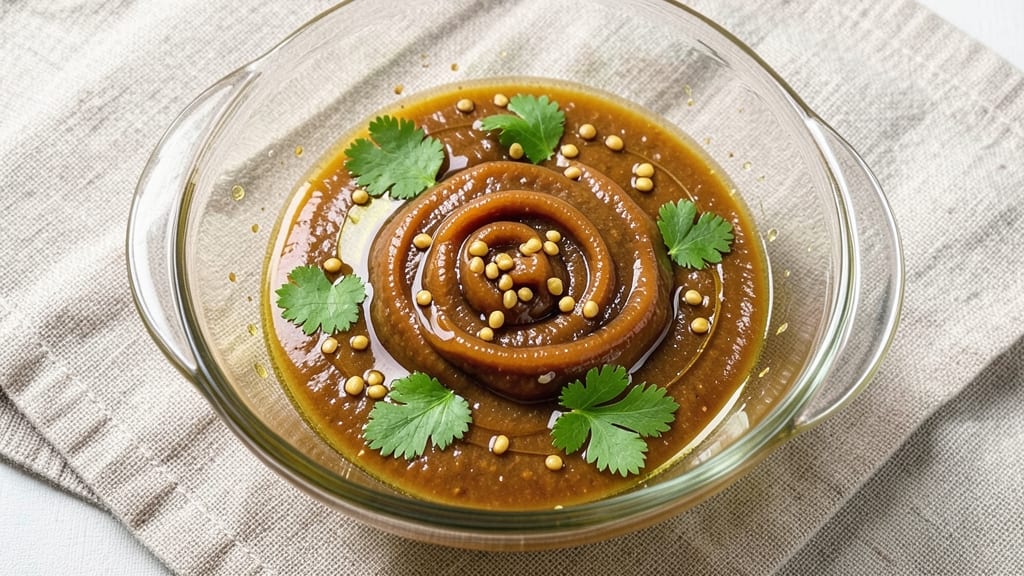
This Bombay salad dressing recipe transforms ordinary greens into a vibrant, tangy masterpiece with just six ingredients and 10 minutes of prep. The secret lies in tamarind’s deep umami and lemon’s bright acidity, balanced by fresh herbs and a touch of mustard for complexity.
Unlike store-bought versions, this dressing stays fresh for up to 2 weeks in the fridge, making it perfect for meal prep or last-minute salads.
The foundation begins with a simple emulsion of citrus juice and tamarind paste, which creates the signature tang. A blend of mustard seeds and herbs (cilantro, mint) adds aromatic depth, while a slow drizzle of oil ensures the dressing clings to every leaf.
The result? A dressing that’s bold enough for hearty salads but delicate enough for delicate greens like arugula or spinach.
What sets this recipe apart is its versatility—drizzle it over grain bowls, use it as a marinade for grilled chicken, or even mix it into yogurt for a tangy dip. The tamarind provides a unique sweet-sour balance that’s quintessentially Bombay, while the herbs keep it fresh and vibrant.
No emulsifiers or preservatives are needed; the natural acids and oils do the work.
For best results, whisk all ingredients together and let the dressing sit for at least 30 minutes before using. This allows the flavors to meld, ensuring every bite delivers that perfect harmony of tang, sweetness, and herbal freshness. Ready to elevate your salads? Let’s make it.
Ingredients for bombay salad dressing
Six ingredients, bold flavors—this dressing brings Bombay vibes to every salad bowl.
| Ingredient | Amount | Notes |
|---|---|---|
| Fresh Lemon Juice 🍋 | ½ cup | Freshly squeezed, no pulp |
| Tamarind Paste 🍯 | ¼ cup | Unsweetened, high-quality |
| Extra-Virgin Olive Oil 🫒 | ¾ cup | Light, fruity variety preferred |
| Yellow Mustard Seeds 🌶️ | 1 tsp | Ground into fine powder |
| Fresh Cilantro Leaves 🌿 | ¼ cup | Stems removed, loosely packed |
| Fresh Mint Leaves 🌿 | ¼ cup | Stems removed, loosely packed |
| Honey 🍯 | 1 tbsp | Wildflower or clover preferred |
| Sea Salt 🧂 | ½ tsp | Fine grain preferred |
The tamarind paste is non-negotiable. Trader Joe's or Indian grocery stores carry the best unsweetened versions—avoid the sweetened kind, it throws off the balance. Fresh lemon juice is a must; bottled just won’t cut it. For the herbs, cilantro and mint are the dynamic duo here, but if you’re out of one, parsley works in a pinch. The olive oil should be light and fruity—California avocado oil is my go-to for that perfect balance. And trust me, the honey isn’t just for sweetness—it helps the emulsion hold together.
No tamarind paste? Lime juice plus a pinch of brown sugar gets you close, though it won’t have that exact umami depth. Mustard seeds too pricey? Dijon mustard at half the amount works, but you’ll lose that nutty crunch. The herbs can be swapped—basil or dill add different vibes, but keep the total leafy volume the same. For a smoother texture, blend the herbs briefly before adding to the dressing. And if you’re worried about the emulsion separating, add a splash of water to help bind it.
This dressing keeps beautifully—up to 2 weeks in the fridge, sealed tightly in a jar. The flavors actually deepen over time, so it’s perfect for meal prep. Need to use it up fast? Mix it into yogurt for a tangy dip or drizzle it over grilled chicken. For extra richness, whisk in a tablespoon of Greek yogurt right before serving. Store it in a glass jar with a tight lid to preserve those bright flavors.
Why You'll Love This Recipe
- Tamarind Tang in Minutes: I swear by this dressing because it takes five minutes—just toast the mustard seeds in olive oil until they pop, then blend with lemon and tamarind. No waiting, no fuss, just that deep, funky-sweet balance I crave.
- Secret Weapon Flavor: That tamarind paste is the star—it’s like a burst of sunshine and umami all at once. The cilantro brightens it up, and the lemon keeps it from getting too heavy. Honestly, it’s the kind of dressing that makes even a simple salad feel like a restaurant dish.
- Pantry-to-Table Magic: Between us, this dressing works on everything—grilled chicken, roasted veggies, even as a dip for samosas. I’ve used it for weeknight dinners, potlucks, and even drizzled it over cold noodles when I’m lazy. It’s the ultimate flexible sidekick.
- No-Waste, Budget Boost: The ingredients are cheap, and the dressing keeps for weeks in the fridge. I make a big batch on Sundays, and it’s still vibrant by Friday. Plus, tamarind paste lasts forever, so you’re not scrambling for substitutions. Smart, simple, and saves me money.
Step-by-step instructions for Bombay salad dressing
This vibrant dressing comes together in minutes—bright, tangy, and packed with herbal freshness.
Toast the Mustard Seeds
Heat a small dry skillet over medium-low heat. Add the 1 teaspoon yellow mustard seeds and toast for 1-2 minutes until they begin to sizzle and turn golden. You'll smell their nutty aroma—this is your cue to move quickly before they burn. Immediately transfer the toasted seeds to a mortar and pestle (or small bowl) to cool slightly.
This toasting step is crucial—it deepens the mustard's flavor and prevents bitterness in the final dressing. If you don't have a mortar, use a spice grinder or small food processor for 5-10 seconds to grind them into a fine powder. The seeds should be completely cooled before proceeding to avoid cooking the lemon juice.
Whisk Tamarind and Lemon
In a medium bowl, whisk together the 0.5 cup fresh lemon juice and 0.25 cup tamarind paste until completely dissolved and smooth. The tamarind paste will thicken the mixture slightly—this is normal. Add the 1 tablespoon honey and whisk again until fully combined. The mixture should be vibrant orange-yellow with a slightly sticky consistency.
Here's the thing—tamarind paste can be thick, so don't be surprised if it takes a few extra strokes to fully incorporate. If you encounter any lumps, strain the mixture through a fine-mesh sieve to ensure a silky texture. This base creates the signature tangy-sweet balance that defines Bombay dressing.
Combine Herbs and Season
Add the 0.25 cup fresh cilantro leaves and 0.25 cup fresh mint leaves to the tamarind-lemon mixture. Using a fork or small whisk, gently fold the herbs until they're just chopped and distributed. Add the toasted mustard seeds and 0.5 teaspoon sea salt, then give everything one final stir.
Don't over-blend—you want visible herb flecks for texture and color. The dressing should now have a bright green hue with orange undertones. Taste and adjust seasoning: need more tang? Add 1 teaspoon lemon juice. Too sharp? A pinch more honey balances it. This is where you fine-tune the flavor profile to your preference.
Emulsify with Olive Oil
With the dressing still in the bowl, slowly drizzle in the 0.75 cup extra-virgin olive oil while whisking continuously. Start with a few drops at first, then increase to a steady stream. The mixture will begin to thicken as the oil incorporates. Keep whisking for 2-3 minutes until completely emulsified and smooth.
This emulsification step is where magic happens—the dressing transforms from separate ingredients to a cohesive, velvety dressing. If the mixture breaks (separates), simply add 1 teaspoon lemon juice and whisk vigorously to re-emulsify. The final texture should be like heavy cream—thick enough to coat but still pourable.
Rest and Adjust
Cover the bowl and let the dressing rest at room temperature for 10 minutes. This resting period allows all the flavors to meld together. After resting, give it one final taste. If it's too thick, thin with 1-2 teaspoons water until it reaches your desired consistency. For extra brightness, add 1-2 tablespoons ice water—this keeps the dressing crisp and vibrant.
The dressing will keep in the refrigerator for up to 5 days, but it's best used within 3 days for maximum freshness. Shake well before each use, especially if it separates slightly in the fridge. This dressing elevates simple salads to gourmet status—try it on mixed greens with cucumber, tomato, and avocado for a truly refreshing experience.
Pro Tips For Making Bombay Salad Dressing
- TOAST THE SEEDS: Dry-toast the yellow mustard seeds in a small pan over medium heat until they pop like tiny firecrackers—about 30 seconds. Skip this, and your dressing will taste flat; do it right, and you get that nutty, aromatic depth Bombay dressings are famous for. (Yes, even if you’re impatient like me.)
- DILUTE THE TAMARIND: Tamarind paste is thick—mix it with warm water first (about 2 tablespoons per 1 tablespoon paste) before adding lemon juice. This prevents clumps and ensures the dressing emulsifies smoothly. I learned this the hard way when my first batch looked like mud.
- STRAIN THE CILANTRO: Rough up the cilantro leaves with your fingers before adding them, then strain the dressing through a fine-mesh sieve. This removes stubborn stems and keeps the texture silky. (Your guests won’t notice, but your future self will.)
- EMULSIFY IN STAGES: Start with just 1 tablespoon of olive oil, whisking vigorously until the dressing thickens slightly. Then slowly drizzle in the rest while whisking continuously—this prevents separation. Sounds tedious, but it’s the thing that matters most for a dressing that stays creamy.
Dietary considerations for these flavors
Gluten-Free Friendly
This dressing is naturally gluten-free since it relies on tamarind, citrus, and herbs—no wheat or grain-based ingredients are involved. The mustard seeds used are whole and gluten-free, but always double-check the packaging if you're using pre-ground mustard from a shared facility.
For extra caution, I recommend Bob's Red Mill gluten-free mustard powder, which guarantees purity. The recipe avoids common cross-contamination risks, making it safe for those with celiac disease or gluten sensitivity. 🌱
Vegan Adaptations
The original recipe is already vegan, but if you want to boost richness, stir in 1 tablespoon of aquafaba (chickpea brine) when emulsifying with oil. This helps stabilize the dressing and adds a subtle umami depth.
For a creamier texture, blend 2 tablespoons of silken tofu with the herbs before adding to the tamarind-lemon base. The honey can be swapped for 1 tablespoon of maple syrup or agave nectar without altering the flavor balance significantly.
Low-Sugar Options
To reduce sugar content, omit the honey entirely and add 1 teaspoon of liquid stevia or 1 tablespoon of monk fruit sweetener instead. The tamarind paste already provides natural sweetness, so you might not need any sweetener at all—taste as you go!
For a fruit-based alternative, blend 1 tablespoon of unsweetened applesauce into the tamarind-lemon mixture. This keeps the dressing tangy while cutting refined sugars. Always check labels on tamarind paste, as some brands add sugar.
Nut-Free Considerations
This dressing is inherently nut-free, but if you're using store-bought tamarind paste, verify the label for potential cross-contamination warnings. The olive oil should also be nut-free—California avocado oil or light olive oil from brands like Colavita are safe choices.
For added creaminess without nuts, consider 1 tablespoon of coconut cream (ensure it's processed in a nut-free facility) or Greek yogurt for a tangy twist. Always store ingredients separately to avoid accidental contamination.
Allergen-Free Tips
For egg-free and dairy-free adaptations, this recipe already meets those requirements. If you're sensitive to sesame, avoid using sesame oil (though this recipe doesn’t call for it). For soy-free diets, ensure your tamarind paste isn’t processed with soy additives.
I recommend Kirkman Labs tamarind paste, which is certified soy-free. When in doubt, opt for organic or specialty-store brands that clearly label allergen information. Always read labels carefully—even "natural" ingredients can hide allergens!
Nutrition facts
Frequently asked questions
What makes Bombay salad dressing different from regular vinaigrettes?
Bombay dressing stands out with its unique tamarind base, which adds a deep umami sweetness that regular vinaigrettes lack. The toasted mustard seeds provide a nutty crunch, while the blend of cilantro and mint creates a bright herbal freshness. Unlike classic vinaigrettes that rely solely on vinegar and oil, this dressing balances tangy, sweet, and savory notes for a more complex flavor profile.
Can I substitute tamarind paste if I can't find it?
Yes! For a similar tangy-sweet balance, mix 0.25 cup lime juice with 1 teaspoon brown sugar or 1 tablespoon date syrup. This won't replicate tamarind's exact umami depth, but it works in a pinch. If you're feeling adventurous, try 1 tablespoon tamarind concentrate (diluted with water) from Asian markets—it's more potent and requires less quantity.
Why does my dressing separate after making it?
Separation usually happens when oil and liquid aren't properly emulsified. To fix it, whisk in 1 teaspoon lemon juice or 1 tablespoon ice water while vigorously whisking. For prevention, add ingredients slowly (especially oil) and whisk continuously. If the dressing still separates, stir before using—it'll still taste great, just with a slightly thicker texture.
How can I use this dressing beyond salads?
This versatile dressing works as a marinade for grilled chicken or fish, a dip for veggie sticks, or a sauce for grain bowls. Drizzle it over roasted sweet potatoes or mix it into hummus for extra zing. For a creamy twist, blend it with 2 tablespoons Greek yogurt—perfect for drizzling over soups or tacos!
Can I make this dressing without a whisk?
Use a fork, immersion blender, or even a mason jar with a tight lid—shake vigorously for 1-2 minutes after adding oil. For the mustard seeds, a mortar and pestle works best, but a spice grinder or small food processor will do in a pinch. The key is thorough mixing to ensure all ingredients combine properly.