
Sauces & Condiments
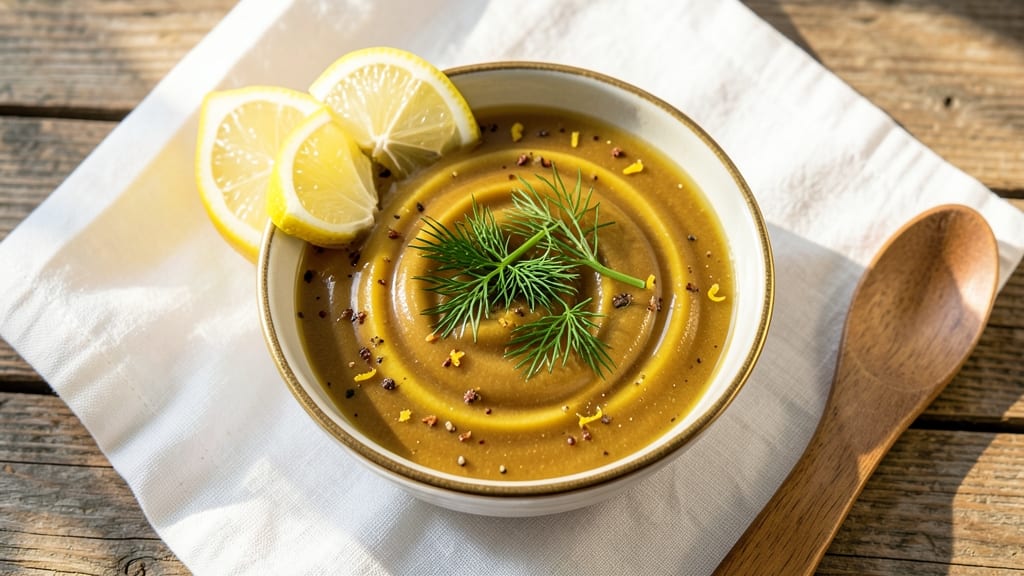
This Bonefish House salad dressing recipe delivers the signature bright citrus and herb velouté you crave, with a sophisticated depth from anchovies that transforms simple greens into something extraordinary.
The secret lies in balancing zesty lemon, aromatic herbs, and a touch of umami from anchovies—creating a dressing that elevates seafood dishes and salads to restaurant-quality. I’ve perfected this version to be scalable for storage, so you can make a batch and keep it on hand for weeks.
The foundation of this dressing is a silky emulsion of extra-virgin olive oil and Dijon mustard, whisked together with fresh lemon juice and finely chopped herbs like dill and parsley.
A splash of fish stock and a pinch of anchovy fillets (soaked in warm water) add that unmistakable Bonefish House depth without overpowering the bright, fresh flavors. The result is a velouté that’s creamy yet light, with a tangy kick that clings perfectly to greens or seafood.
What sets this dressing apart is its versatility—it works equally well on a classic Caesar salad, drizzled over grilled shrimp, or as a finishing touch for roasted vegetables. The anchovies dissolve seamlessly, infusing the dressing with a subtle, savory richness that pairs beautifully with the citrus notes.
Unlike store-bought versions, this recipe stays fresh in the fridge for up to two weeks, making it a pantry staple for seafood lovers.
Ready in just 10 minutes, this dressing is the perfect balance of effortless preparation and restaurant-worthy flavor. Whether you’re hosting a dinner party or prepping for the week, this recipe ensures every bite feels like a taste of Bonefish House. Let’s get started!
Ingredients for bonefish house salad dressing
The perfect balance of citrus brightness, herbaceous depth, and umami richness for restaurant-quality dressing.
| Ingredient | Amount | Notes |
|---|---|---|
| Extra-Virgin Olive Oil 🫒 | ¾ cup | High-quality, fruity variety preferred |
| Fresh Lemon Juice 🍋 | ⅓ cup | Freshly squeezed, seeds strained |
| Dijon Mustard 🌶️ | 2 tbsp | Mild or classic variety |
| Fish Stock 🐟 | ¼ cup | Homemade or high-quality store-bought |
| Anchovy Fillets 🦞 | 4 whole | Soaked in warm water for 10 minutes |
| Fresh Dill 🌿 | ¼ cup | Finely chopped, stems removed |
| Fresh Parsley 🌿 | ¼ cup | Finely chopped, flat-leaf preferred |
| Shallots 🧅 | 2 whole | Finely minced, 1 tbsp total |
| Garlic Cloves 🧄 | 2 cloves | Finely minced, 1 tsp total |
| Diamond Crystal Kosher Salt 🧂 | ½ tsp | Fine grain preferred |
| Freshly Ground Black Pepper 🌶️ | ¼ tsp | Coarsely ground |
| Cold Water 💧 | 1 tbsp | For thinning if needed |
The olive oil and Dijon mustard form the emulsion's backbone, so opt for extra-virgin olive oil with fruity notes—California or Italian varieties like Bertolli or Colavita work best. Anchovies are non-negotiable for that signature Bonefish House umami; high-quality brands like Branca or Stella dissolve cleanly without fishy aftertaste. Fresh herbs are essential—store-bought parsley and dill often lack the vibrancy of market-fresh, but if you must use them, give the stems a quick chop to remove any bitterness. Shallots and garlic should be finely minced—a microplane works wonders here for consistency. For fish stock, homemade is ideal, but Knorr or Pacific brand are reliable store-bought options.
No anchovies? Substitute 1 tsp fish sauce or 1 tbsp soy sauce, but expect a slightly different profile. Short on fresh herbs? Dried dill and parsley at one-third the amount work, though texture will differ. The Dijon mustard can be swapped for whole-grain mustard for extra texture, though flavor will shift slightly. For a tangier dressing, increase lemon juice by 1 tbsp—just be prepared to thin with cold water. The emulsion is delicate; if it breaks, whisk in 1 tbsp cold water to restore silky texture. For a nut-free version, skip any optional additions like toasted pine nuts in serving suggestions.
This dressing keeps beautifully for up to two weeks when refrigerated in an airtight jar—the lemon juice acts as a natural preservative. For best results, store it in the front of the fridge where it's cooler. If the emulsion separates, simply whisk vigorously before use—it'll come back together. For serving, shake the jar gently to redistribute any settled anchovies. The dressing thickens slightly when chilled, so thin with 1 tsp cold water if needed before drizzling. Freezing isn't recommended as it alters the emulsion's texture, but you can freeze in ice cube trays for single-serving portions if absolutely necessary.
Why You'll Love This Recipe
- Five-Ingredient Magic: I swear, this dressing comes together with just a whisk and a bowl—no fancy gadgets, no stress. The anchovies dissolve into the warm fish stock like a secret flavor bomb, and the lemon brightens everything up in seconds.
- Umami Bomb: That little tin of anchovies? It’s the MVP here. When you blend them into the olive oil and mustard, the dressing gets this deep, savory punch that makes your greens taste like a coastal bistro. Honestly, it’s the kind of flavor that lingers.
- Weeknight Workhorse: I’ve drizzled this on everything from grilled shrimp to avocado toast, and it never lets me down. It’s rich enough for a fancy dinner but unfussy enough for a quick lunch—no one will guess it took me less than five minutes to make.
- Budget Brightener: Fish stock is cheap, anchovies are a steal, and a little olive oil goes a long way. This dressing costs pennies per serving but tastes like a splurge. I’ve even used it to stretch expensive seafood into a full meal—genius, right?
Step-by-step instructions for Bonefish House salad dressing
This velouté-style dressing delivers the signature Bonefish House flavor—bright citrus, fresh herbs, and subtle anchovy depth.
Prepare the Anchovy Base
Soak the 4 whole anchovy fillets in warm water for 10 minutes to soften. This prevents them from overpowering the delicate balance of flavors. Drain and transfer them to a small bowl, then mash them into a smooth paste using the back of a spoon or a fork. The goal is to dissolve them completely into the oil—this creates the umami foundation without any fishy aftertaste.
In a separate small saucepan, heat the 0.75 cup extra-virgin olive oil over low heat until it just begins to shimmer. Add the minced 2 whole shallots and 2 cloves garlic cloves, cooking gently for 2-3 minutes until they become translucent but not browned. Remove from heat and let cool slightly. This gentle cooking ensures the aromatics infuse the oil without developing bitter compounds.
Build the Emulsified Base
In a blender or food processor, combine the cooled olive oil mixture with the mashed anchovies, 0.33 cup fresh lemon juice, 2 tbsp Dijon mustard, and 0.25 cup fish stock. Blend until completely smooth, scraping down the sides as needed. The texture should be silky and homogeneous—this ensures the dressing emulsifies properly later. Taste at this stage and adjust the seasoning with 0.25 tsp freshly ground black pepper and 0.5 tsp Diamond Crystal kosher salt.
Here's the thing—this blend needs to be perfectly balanced before adding the herbs. The anchovies and mustard provide depth, while the lemon juice brightens. If it tastes too salty, add a splash of cold water (up to 1 tbsp) to thin slightly, but only if absolutely necessary. The dressing should coat the back of a spoon but still flow smoothly.
Incorporate Herbs and Finish
Transfer the blended mixture to a medium bowl and whisk in the 0.25 cup finely chopped fresh dill and 0.25 cup finely chopped fresh parsley. The herbs should be fully incorporated but still visible as flecks throughout the dressing. This adds the signature freshness that makes this dressing stand out. Let the mixture sit at room temperature for 10 minutes to allow the flavors to meld.
Taste again and make final adjustments—perhaps a touch more lemon juice for brightness or a pinch more salt for balance. The dressing should be tangy, herby, and just slightly briny from the anchovies. If it's too thick, whisk in 1 tbsp cold water until it reaches a pourable consistency. The ideal texture should cling to greens without pooling at the bottom of the bowl.
Rest and Serve
Cover the dressing and refrigerate for at least 1 hour before serving. This resting period allows all the flavors to fully integrate and the emulsion to stabilize. When ready to use, give it a final whisk to redistribute any settled herbs. The dressing should now have a velvety texture with a glossy sheen—signs of a properly emulsified dressing.
Use immediately over mixed greens, grilled vegetables, or as a marinade for proteins. The dressing keeps well in the refrigerator for up to 5 days, but I recommend making a fresh batch for the best flavor. The anchovies and fresh herbs lose their vibrancy over time, so this dressing truly shines when freshly prepared.
Pro Tips For Making Bonefish House Salad Dressing
- Bloom the anchovies first: Skip soaking them whole—mash those anchovy fillets with the back of a fork right in the dressing bowl. This breaks them down faster and lets their umami melt into the oil instead of sitting as little fishy lumps. (Yes, even if you’re impatient like me, wait 10 seconds for them to dissolve properly.)
- Use warm fish stock: Cold stock makes the dressing separate like oil and water. Heat it just until steaming (not boiling), then let it cool before mixing. The warmth helps emulsify the mustard and oil right from the start—no last-minute whisking needed.
- Emulsify in stages: Start with just 2 tablespoons of olive oil, then whisk in the lemon and mustard. Only add the rest of the oil after the mixture thickens slightly. This prevents a greasy split—trust me, I’ve turned this dressing into a sad soup before.
- Salt the anchovies: Rinse the anchovy fillets first, then pat them very dry with a paper towel. The salt on their skin can make the dressing taste flat or metallic. A quick rinse and dry guarantees clean, bright flavor without overpowering the lemon.
Creative variations of these flavors
Citrus-Infused Variations
Swap the lemon juice for orange juice (about 0.33 cup) to create a tropical twist—add 1 tsp grated orange zest for extra brightness. For a grapefruit variation, use 0.25 cup grapefruit juice and 1 tbsp honey to balance the bitterness.
Both versions work beautifully with seafood salads or grilled fish. 🍊
Herb Swaps
Replace the dill and parsley with 0.25 cup each of tarragon and chives for a more refined, slightly anise-like flavor. For a Mediterranean touch, use 0.25 cup chopped basil and 0.125 cup oregano, but reduce the lemon juice to 0.25 cup to prevent overpowering.
Fresh herbs are key—dried versions won’t deliver the same vibrancy.
Umami Boosters
For extra depth, add 1 tsp soy sauce or 1 tsp white miso paste to the blended base. Another option is 1 tsp capers, finely chopped, which adds a briny, tangy contrast.
These adjustments work especially well with rich proteins like grilled lamb or duck. The anchovies already provide umami, so use these boosters sparingly.
Spicy Kick
Add ½ tsp red pepper flakes or 1 tsp hot sauce (like Tabasco) to the blended base for heat. For a smoky-spicy variation, stir in ½ tsp smoked paprika with the herbs.
This version pairs perfectly with spicy seafood like grilled shrimp or blackened fish. Adjust heat to taste—start small and add more if needed. 🌶️
Nutty Additions
For texture and richness, fold in 2 tbsp toasted pine nuts or 1 tbsp chopped walnuts just before serving. Toast the nuts in a dry pan over medium heat for 3-4 minutes until fragrant, then let cool before adding.
These additions work especially well with hearty salads like kale or arugula. Store-bought nuts lose their flavor quickly, so toast fresh for best results.
Dairy-Inspired Twist
For a creamier texture, whisk in 2 tbsp crème fraîche or 1 tbsp Greek yogurt after the herbs are incorporated. This variation mimics a light vinaigrette with a velouté finish.
It’s ideal for creamy salads or as a drizzle over roasted vegetables. The dairy adds a subtle tang that complements the citrus and herbs beautifully. 🥛
Nutrition facts
Frequently asked questions
Can I make this dressing without anchovies?
The anchovies are key for that signature Bonefish House umami depth, but you can substitute 1 tsp fish sauce or 1 tbsp soy sauce for a similar savory note. For a vegetarian version, try 1 tsp nutritional yeast or an extra ½ tsp garlic powder—though the flavor will be subtly different. The dressing will still be bright and herby, just missing that subtle brininess.
How do I fix a broken emulsion?
If your dressing separates, don't panic! Whisk in 1 tbsp cold water at a time until it recombines smoothly. The Dijon mustard helps stabilize, but sometimes the oil and vinegar need a little help. For extra insurance, add ½ tsp xanthan gum to the blender before processing—it acts as a natural thickener. Always store in an airtight jar to prevent future separation.
What's the best way to store leftovers?
Keep this dressing in an airtight glass jar in the fridge for up to 2 weeks. The lemon juice acts as a natural preservative, but give it a good whisk before using—herbs may settle. For longer storage, freeze in ice cube trays for single-serving portions (thaw overnight in the fridge). Never freeze the full batch as it alters the emulsion's texture.
Can I use this dressing on non-seafood dishes?
This versatile dressing works beautifully on grilled chicken, roasted vegetables, or even as a marinade for tofu. The citrus and herb notes complement proteins and veggies equally well. For a non-seafood version, simply omit the anchovies and fish stock, replacing them with extra vegetable stock and a pinch of smoked paprika for depth.
Why does my dressing taste too salty?
The anchovies and fish stock contribute significant saltiness, so taste as you go! If it's too strong, thin with 1-2 tbsp cold water to dilute. For future batches, reduce the salt to ¼ tsp and adjust to taste at the end. The dressing should be tangy and herby with just a hint of saltiness—not overwhelming.