
Sauces & Condiments
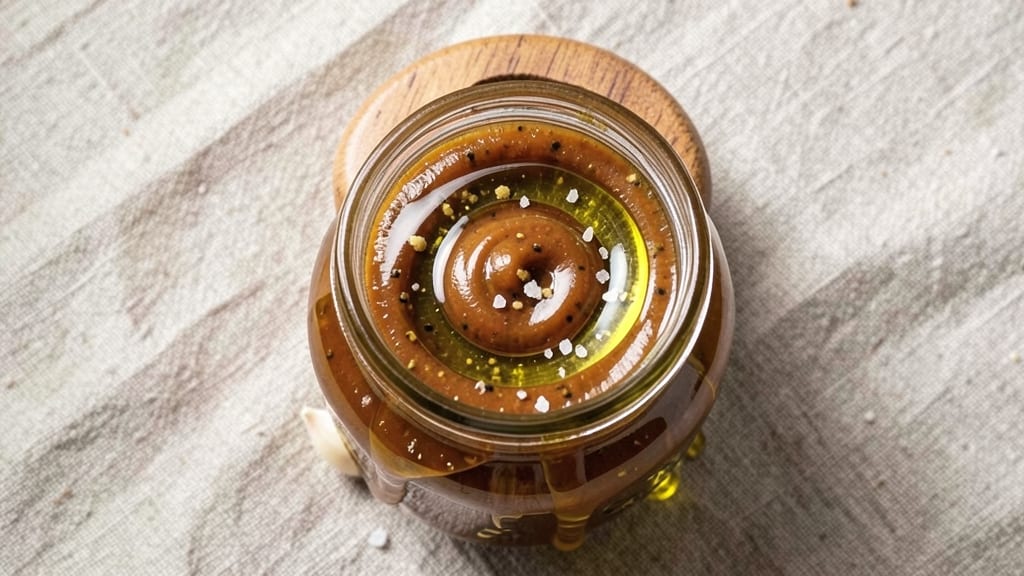
This Braggs ACV salad dressing recipe delivers a perfect tangy-sweet balance that elevates every salad, roasted vegetable, or grilled protein. The secret lies in combining raw apple cider vinegar with high-quality olive oil and a touch of Dijon mustard for depth—no artificial ingredients, just bold, restaurant-quality flavor in minutes.
I developed this after craving a dressing that cut through rich ingredients without overpowering them, and it’s now my go-to for quick meals and meal prep.
The beauty of this dressing is its simplicity: just five ingredients create a versatile sauce that stays fresh for up to two weeks in the fridge. The Braggs ACV provides that signature tang, while a hint of honey or maple syrup balances the acidity for a smooth finish.
It’s vegetarian-friendly, gluten-free (if using tamari), and works equally well as a marinade or drizzle for tacos. The key is emulsifying the oil and vinegar properly—no blender required.
What makes this recipe stand out is its adaptability. Use it as a base for creamy versions by adding Greek yogurt, or keep it light for crisp salads. The dressing’s bright acidity also makes it ideal for grilled meats, where it caramelizes slightly, adding depth.
Whether you’re prepping for the week or throwing together a last-minute meal, this dressing delivers consistent, professional results with minimal effort.
For best results, store in a sealed jar in the refrigerator and shake before each use. The flavors actually improve over time, making it perfect for batch cooking.
Pair it with fresh greens, roasted Brussels sprouts, or even as a dip for crudités. Let’s make dressing that tastes like it came from a high-end restaurant—but without the markup.
Ingredients for braggs acv salad dressing
Five ingredients transform into restaurant-quality dressing that's tangy, sweet, and versatile enough for salads, roasted veggies, or grilled proteins.
| Ingredient | Amount | Notes |
|---|---|---|
| Raw Apple Cider Vinegar (Braggs) 🍎 | ½ cup | Unfiltered for best flavor |
| Extra-Virgin Olive Oil 🫒 | ¾ cup | High quality, fruity variety |
| Dijon Mustard 🌶️ | 1 tbsp | Mild or hot, not prepared |
| Pure Maple Syrup 🍁 | 1 ½ tbsp | Grade A for best flavor |
| Sea Salt 🧂 | ½ tsp | Fine grain preferred |
| Garlic Cloves 🧄 | 1 clove | Minced for subtle depth |
| Freshly Ground Black Pepper 🌶️ | ¼ tsp | Freshly cracked for sharpness |
The Braggs ACV is the heart of this dressing—its unfiltered tang can't be replicated by cheaper brands. Grab a bottle from the health food aisle or natural grocery section, and look for the cloudy, unfiltered kind. The olive oil matters too: Trader Joe's or Whole Foods carry excellent options under $10. For the maple syrup, grade A is sweeter and more flavorful than grade B. If you're using tamari instead of soy sauce, check the label—some brands sneak in wheat. The garlic and pepper are optional but add a subtle depth that makes this dressing truly special.
No Braggs ACV? Raw, unfiltered apple cider vinegar works in a pinch, but it won't have the same complexity. Short on maple syrup? Honey or agave nectar works, but maple's earthy notes are ideal. The Dijon mustard can be swapped for whole-grain mustard if that's what you have. For a gluten-free version, use tamari instead of soy sauce. If you're making this for a crowd, double the recipe—it keeps beautifully and tastes even better the next day. The emulsification happens naturally when you whisk everything together, but if it separates, just give it a good shake before using.
Store in a clean, sealed jar in the fridge for up to 2 weeks. The flavors actually improve over time, so it's perfect for meal prep. Shake well before each use—this dressing separates naturally but comes back together with a quick mix. For a creamy version, stir in 2 tbsp Greek yogurt per serving. The dressing doubles as a marinade for grilled meats or a dip for roasted Brussels sprouts. Freeze extras in ice cube trays for single-serving portions.
Why You'll Love This Recipe
- Five-Ingredient Magic: I swear by this combo—just whisk, taste, adjust. No fancy tools, no stress. The Braggs ACV adds that tangy punch while the maple syrup balances it out like a perfect hug for your greens.
- Tangy-Sweet Balance: That first bite of crisp greens with this dressing? It’s like summer in a jar. The raw apple cider vinegar cuts through richness, while the Dijon mustard adds a little bite—no overpowering, just a bright, addictive harmony.
- Pantry Staple Power: Honestly, you’re already halfway there if you’ve got olive oil and salt. The rest? Probably hiding in your cabinets too. It’s my go-to for salads, roasted veggies, or even a quick marinade—no extra shopping needed.
- Lasts All Week: I make a big batch on Sunday, and it’s still fresh by Friday. The olive oil keeps it from separating, and the maple syrup prevents it from getting too sharp. Just shake before using, and you’re golden—no sad, watery leftovers here.
Step-by-step instructions for homemade Braggs ACV dressing
This tangy-sweet dressing comes together in minutes with simple techniques that guarantee perfect balance every time.
Whisk Together Wet Ingredients
In a medium bowl, combine the 0.5 cup raw apple cider vinegar (Braggs) with the 0.75 cup extra-virgin olive oil. I like to use a fork first to break up any oil clumps, then switch to a whisk for smoother blending. The vinegar should begin to emulsify slightly as you work.
Next, add the 1 tbsp Dijon mustard and 1.5 tbsp pure maple syrup. Whisk vigorously for 30 seconds until everything is fully incorporated and the mixture looks uniform. The mustard helps bind the dressing, while the maple syrup begins creating that signature sweet-tangy profile.
Add Aromatics and Seasonings
Using a microplane or fine grater, finely mince the 1 clove garlic directly into the dressing. I find this method gives you better control than chopping, and it distributes the garlic evenly without clumps. Add the 0.5 tsp sea salt and 0.25 tsp freshly ground black pepper next.
Give everything another 20 seconds of whisking to fully combine. The garlic should be completely dissolved, and you should see tiny flecks of pepper throughout. Taste at this point—you might find it needs a touch more sweetness or acidity, but we'll adjust that in the next step.
Emulsify and Taste for Balance
This is where the magic happens. Pour the dressing into a clean jar with a tight-fitting lid and shake vigorously for 30 seconds. The vigorous shaking helps create that perfect emulsion where the oil and vinegar combine smoothly. You might see it separate slightly at first—that's normal.
Shake again for another 10 seconds, then taste. The dressing should have a bright tang from the Braggs vinegar, a subtle sweetness from the maple syrup, and a smooth finish from the olive oil. If it needs more acidity, add 1 tsp more vinegar. For more sweetness, add ½ tsp maple syrup. Adjust gradually—you can always tweak it later.
Rest and Final Adjustments
Let the dressing sit at room temperature for 5 minutes. This resting period allows the flavors to meld together. After resting, give it one final shake before using. The dressing should now have a creamy, velvety texture with no separation.
If you notice any separation after resting, simply shake again before using. This dressing keeps well in the refrigerator for up to 2 weeks, and the flavors actually improve over time as they develop. The perfect balance of tangy, sweet, and savory makes it ideal for everything from crisp greens to hearty grain salads.
Pro Tips For Making Braggs Acv Salad Dressing
- Whisk in stages: Start by mixing the Dijon mustard and maple syrup with just a splash of Braggs—this thickens the base first. Then slowly drizzle in the olive oil while whisking like you’re trying to dissolve sugar in coffee. I learned this the hard way after ending up with a greasy, unemulsified mess the first time.
- Salt the mustard: Sprinkle the sea salt directly into the Dijon mustard before adding anything else—it dissolves better and distributes evenly. Skipping this step means you’ll end up chasing saltiness with extra Braggs or syrup, which throws off the balance.
- Measure vinegar last: Add the Braggs ACV at the very end, even if the recipe doesn’t specify. It’s the most acidic component, and letting it sit too long while you whisk can make the dressing taste harsh. A quick taste test here saves you from over-acidifying the whole batch.
- Use cold oil: Keep your extra-virgin olive oil chilled in the fridge until you’re ready to whisk it in. Cold oil emulsifies more smoothly with the mustard and vinegar, giving you a silky dressing instead of a separated oil slick. (Yes, even if you’re impatient like me.)
Creative variations of these flavors
Herb-Infused Twist
Add 1 tbsp fresh thyme leaves or 1 tsp dried thyme to the base recipe for a Mediterranean-inspired dressing. The thyme pairs beautifully with the apple cider vinegar, adding earthy depth that complements grilled chicken or roasted vegetables.
For a brighter herb profile, try 1 tbsp chopped fresh dill—it works wonderfully with Greek salads or seafood dishes. 🌿
Spicy Kick
For heat lovers, stir in ½ tsp smoked paprika or ¼ tsp cayenne pepper to the base dressing. The smoky paprika adds warmth that pairs perfectly with hearty dishes like pulled pork or black bean tacos, while cayenne delivers a sharp, tangy heat.
I like to add both for a complex flavor profile that still feels balanced. For extra depth, add ½ tsp ground cumin—it enhances the vinegar’s acidity beautifully.
Creamy Upgrade
Transform this dressing into a creamy version by whisking in 2 tbsp plain Greek yogurt or 1 tbsp vegan mayo after emulsifying. The creaminess works wonders on grain salads, pasta dishes, or as a dip for warm pita bread.
For extra richness, add 1 tbsp crumbled goat cheese or ½ tsp lemon zest to brighten the flavors. Store the creamy version in the fridge for up to 1 week—it’s best used within a few days for optimal texture.
Asian-Inspired Fusion
Swap the Dijon mustard for 1 tbsp rice vinegar and add 1 tsp grated fresh ginger and 1 tsp toasted sesame oil for an Asian-inspired twist. This version pairs beautifully with sushi rolls, stir-fried vegetables, or as a marinade for tofu.
The ginger adds a zesty kick, while the sesame oil brings a nutty richness. For extra umami, add ½ tsp soy sauce or tamari—just be sure to adjust the sweetness with an additional ½ tsp maple syrup if needed.
Citrus Brightener
Add 1 tbsp freshly squeezed lemon juice and 1 tsp lemon zest to the base recipe for a citrusy dressing that’s perfect for spring salads or seafood dishes. The lemon juice cuts through the richness of the olive oil, while the zest adds a bright, aromatic note.
For a tropical twist, substitute the lemon with 1 tbsp lime juice and ½ tsp lime zest. This version works beautifully with ceviche, shrimp tacos, or mango avocado salads. 🍋
Nutty Crunch
For a textural upgrade, stir in 1 tbsp toasted walnuts or almonds directly into the dressing before serving. The nuts add a satisfying crunch that contrasts beautifully with soft greens or roasted vegetables.
For extra richness, toast the nuts in a dry pan over medium heat for 2-3 minutes until fragrant. This variation is perfect for hearty salads like kale and farro or as a topping for grain bowls.
Store the dressing without the nuts in the fridge and add them fresh before serving to maintain crunch.
Nutrition facts
Frequently asked questions
Can I make this dressing without Dijon mustard?
Yes! Swap the Dijon for 1 tbsp whole-grain mustard or even 1 tsp prepared mustard if that's what you have. For a mustard-free version, add ½ tsp onion powder to help emulsify the oil and vinegar. The flavor will be slightly different but still delicious.
How long does this dressing last in the fridge?
This dressing stays fresh for up to 2 weeks when stored in a sealed jar in the refrigerator. The flavors actually improve over time as they meld together. For best texture, use within 10 days if you plan to add fresh herbs or nuts later.
Why did my dressing separate? How do I fix it?
Separation happens naturally with vinegar-based dressings. Simply shake or whisk vigorously before using—it should re-emulsify perfectly. To prevent future separation, add 1 tsp honey or cornstarch to the base recipe next time. The dressing is still safe to eat if it separates, just give it a good mix.
Can I use this dressing as a marinade?
This dressing makes an excellent marinade for grilled chicken, pork chops, or tofu. Use it undiluted for 30 minutes to 2 hours of marinating time. For tougher cuts like beef, add 1 tbsp soy sauce and marinate for 4-6 hours. Always pat meat dry before cooking for better searing.
What's the best way to store leftovers?
Store in a clean, airtight jar in the fridge. For single-serving portions, freeze extras in ice cube trays and transfer to a bag. Thaw overnight in the fridge—never at room temperature. The dressing keeps its quality for 2 weeks refrigerated or 3 months frozen, though flavors are best fresh.