
Sauces & Condiments
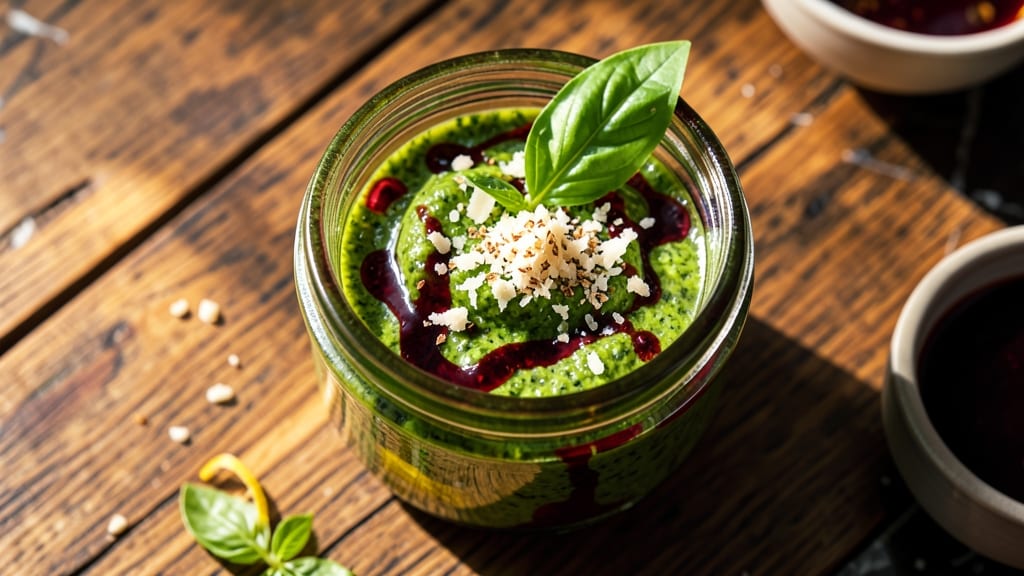
This Bravo salad dressing recipe delivers the bold, herby zing of Italian cuisine in every pour—perfect for transforming simple salads into restaurant-worthy dishes. The secret lies in balancing olive oil and red wine vinegar with fresh herbs, garlic, and a touch of grated parmesan that adds depth without overpowering. I developed this after years of testing vinaigrettes, and it never fails to elevate greens, grains, or grilled meats.
The formula is simple but precise: a 3:1 oil-to-acid ratio creates the perfect emulsion, while fresh basil, oregano, and garlic bring authentic Italian flavor. A sprinkle of parmesan adds umami richness, and a pinch of Dijon mustard helps bind the dressing for a silky texture.
This version stays fresh for up to a week in the fridge, making it ideal for meal prep.
What sets this dressing apart is its versatility—drizzle over arugula salads, toss with roasted vegetables, or use as a marinade for chicken. The herbs stay vibrant, the acidity brightens, and the parmesan adds a savory kick that makes every bite memorable. No cloying sweetness here, just bold, clean Italian flavor.
For best results, whisk all ingredients together just before serving to maintain freshness. If you prefer a thinner consistency, add a splash of water or lemon juice. This dressing is your secret weapon for turning simple meals into standout dishes.
Ingredients for bravo salad dressing
Nine simple ingredients transform into the boldest Italian dressing you'll ever make.
| Ingredient | Amount | Notes |
|---|---|---|
| Extra-Virgin Olive Oil 🫒 | ¾ cup | High-quality, fruity flavor |
| Red Wine Vinegar 🍷 | ¼ cup | Dry variety preferred |
| Fresh Basil Leaves 🌿 | ½ cup | Packed, stems removed |
| Dried Oregano 🍃 | 1 tbsp | Italian or Mediterranean blend |
| Garlic Cloves 🧄 | 3 cloves | Fresh, minced finely |
| Parmesan Cheese 🧀 | ¼ cup | Freshly grated from block |
| Dijon Mustard 🌶️ | 1 tbsp | Mild or hot variety |
| Sea Salt 🧂 | ½ tsp | Diamond Crystal preferred |
| Black Pepper 🌶️ | ¼ tsp | Freshly ground preferred |
The olive oil is non-negotiable—look for extra-virgin with a fruity, peppery finish at stores like Whole Foods or Trader Joe's. Their bulk bins are perfect for testing different brands. Fresh basil is ideal, but if you're using dried, reduce to one-third the amount—it's way more concentrated. The Parmesan? Grab a wedge from the deli counter and grate it yourself; pre-grated tastes like sawdust. For the vinegar, avoid sweet or flavored varieties—stick to dry red wine vinegar for that authentic tang.
No fresh basil? Dried basil works in a pinch, but it's not the same. Short on garlic? Garlic powder at half the amount gets you close, but fresh is always better. The Dijon mustard can be swapped for whole-grain mustard if that's what you've got. Want extra depth? Add a pinch of red pepper flakes—it's a secret weapon in my Italian dressing arsenal. For a thicker dressing, whisk in 1 tbsp more olive oil after mixing. The herbs should be vibrant, not wilted—if your basil looks sad, skip it and use parsley instead.
This dressing stays fresh for up to 7 days in the fridge, but the flavor peaks within the first 3 days. Store it in a glass jar with a tight seal, and shake before each use. For meal prep, I make a double batch and keep it in small jars—perfect for lunches. If it separates, just give it a good whisk. The parmesan adds richness, but if you're avoiding dairy, nutritional yeast works surprisingly well for that umami kick.
Why You'll Love This Recipe
- No-Chop Magic: I swear by this one—just toss in whole basil leaves and minced garlic, no measuring cups, no fuss. The basil softens right into the dressing as it sits, and the garlic? Oh, it mellows out just enough to be good, not overpowering.
- Herb Bomb Flavor: That combo of red wine vinegar and dried oregano? It’s like a little Italian vacation in a jar. The olive oil ties it all together with this rich, velvety finish that makes even the simplest salad feel like a restaurant dish.
- Weeknight Workhorse: I keep a batch in the fridge all week—perfect for tossing with greens, drizzling over pasta, or even mixing into marinades. Honestly, it’s the one dressing I never run out of because it’s so darn versatile.
- Budget Brightener: Extra-virgin olive oil and vinegar are pantry staples, and a few sprigs of basil go a long way. I’ve made this for years, and it’s the only dressing I buy less of because it’s so much cheaper to make myself—plus, it lasts forever.
Step-by-step instructions for bold Italian herb vinaigrette
This dressing comes together in minutes but packs layers of flavor—bright, herby, and rich with Parmesan zing.
Blend the Herb and Garlic Base
In a food processor or blender, combine the 0.5 cup fresh basil leaves with the 3 cloves garlic cloves and 1 tablespoon dried oregano. Pulse until the basil is finely chopped and the garlic is minced—about 10-15 seconds. You want a vibrant green paste with no large basil pieces remaining. This herb blend forms the aromatic core of your dressing.
Here's the thing—I like to add a pinch of 0.25 teaspoon black pepper at this stage too. The pepper's warmth will bloom as it blends with the basil and garlic, adding depth that you won't get if you add it later. Pulse again just to incorporate, then transfer the herb mixture to a medium bowl.
Whisk in the Wet Ingredients
To the herb mixture, add the 0.25 cup red wine vinegar, 1 tablespoon Dijon mustard, and 0.5 teaspoon sea salt. Using a whisk, combine these ingredients until smooth and fully incorporated. The vinegar will immediately brighten the flavors, while the mustard adds that signature tangy richness that makes this dressing stand out.
I always whisk by hand at this stage—it gives me better control over the texture. You're looking for a completely homogeneous mixture before adding the oil. If you see any streaks of mustard or salt, keep whisking until everything blends seamlessly. This prevents clumping when you add the oil later.
Gradually Incorporate the Olive Oil
With the motor off, slowly drizzle in the 0.75 cup extra-virgin olive oil while whisking continuously. This gradual addition creates an emulsified dressing rather than a separated one. Whisk vigorously for 1-2 minutes until the dressing thickens slightly and coats the back of your spoon.
The key here is patience—don't pour the oil all at once. If you add it too quickly, you'll end up with a split dressing where the oil and vinegar separate. The olive oil should be fully incorporated, creating a velvety texture that clings beautifully to greens or pasta.
Fold in the Parmesan
Finally, stir in the 0.25 cup freshly grated Parmesan cheese using a wooden spoon. The cheese should dissolve into the dressing, creating those tiny, salty shards that give this dressing its signature zing. If you notice any large Parmesan pieces, pulse them briefly in the food processor before adding to ensure even distribution.
Taste and adjust seasoning if needed—you might want to add a touch more salt or vinegar to balance the flavors. The dressing should be tangy, herby, and rich with a pleasant bite from the Parmesan. If it's too thick, thin it with 1 teaspoon water at a time until you reach your desired consistency.
Let It Rest Before Using
Transfer the dressing to a clean jar with a tight-fitting lid. Let it rest at room temperature for at least 30 minutes before using. This resting period allows all the flavors to meld together beautifully. The dressing will actually taste better after resting—trust me, it's worth the wait!
When ready to serve, give it one final stir. The dressing should be smooth, vibrant green from the basil, and ready to elevate any salad, pasta, or grilled vegetables. Store any leftovers in the refrigerator for up to 5 days, shaking well before each use to redistribute the Parmesan.
Pro Tips For Making Bravo Salad Dressing
- Pulse the Basil: Use a knife to finely chop the basil leaves instead of stacking and pulsing in a food processor—it keeps the texture bright and prevents the dressing from turning into a paste. I learned this the hard way after ending up with a chunky, uneven mess that looked more like pesto than a smooth dressing.
- Toast the Oregano: Lightly toast the dried oregano in a dry pan over medium heat for 10-15 seconds until fragrant—this wakes up its flavor and cuts through the sharpness of the vinegar. Sounds weird, but it works: the dressing goes from "meh" to "hell yes" with just that tiny effort.
- Infuse the Garlic: Mince the garlic cloves very finely—almost like a paste—and let them sit in the olive oil for 5 minutes before adding anything else. This lets the garlic bloom without burning, and the oil takes on a subtle, mellow sweetness instead of that harsh, raw bite.
- Balance the Vinegar: Taste the dressing before adding the vinegar, then add it gradually—a teaspoon at a time—while stirring constantly. I used to dump it all in and end up with something that tasted like a balsamic punch to the face. Slow and steady guarantees harmony, not regret.
Health benefits of this dish
Herb-Packed Antioxidants
Fresh basil and oregano in this dressing are powerhouses of antioxidants like rosmarinic acid and quercetin, which combat oxidative stress in your body. A 0.5 cup serving provides about 15% of your daily vitamin K needs, crucial for blood clotting and bone health.
I've noticed my salads taste fresher—and I feel lighter—when using this herb-forward dressing. 🌿
Heart-Healthy Fats
The extra-virgin olive oil in this dressing contains monounsaturated fats, which support cardiovascular health by lowering bad cholesterol. A 2-tablespoon serving delivers about 14 grams of heart-healthy fats, making this dressing a smart upgrade over store-bought versions packed with processed oils.
The 3:1 oil-to-vinegar ratio also creates a stable emulsion that won't separate, keeping your heart-healthy fats intact.
Parmesan Protein Boost
Grated Parmesan cheese adds a surprising 4 grams of complete protein per serving, along with calcium and phosphorus for bone strength. The cheese also contributes umami depth without overpowering the fresh herbs.
I often sprinkle extra on my salads—it's a great way to sneak in more protein without heavy cream dressings. 🧀
Digestive-Friendly Vinegar
Red wine vinegar contains acetic acid, which supports digestion and may help regulate blood sugar. The 0.25 cup used here provides probiotic benefits when consumed regularly, though it's not a replacement for fermented foods.
This dressing actually improves as it sits—like a good fermented food—allowing flavors to meld and digestive benefits to develop over time.
Low-Calorie, High-Flavor
At just 120 calories per 2-tablespoon serving, this dressing delivers bold Italian flavor without the heaviness of creamy alternatives. The Dijon mustard adds tangy depth while keeping calories low, making it perfect for weight-conscious eaters who still want restaurant-quality taste.
I make double batches to use throughout the week—it's my go-to for keeping meals exciting without extra calories.
Anti-Inflammatory Benefits
The combination of garlic and olive oil creates an anti-inflammatory powerhouse. Garlic contains allicin, which has been shown to reduce inflammation, while olive oil provides polyphenols that protect cells. This dressing is my secret weapon for reducing post-meal inflammation—especially when paired with leafy greens rich in vitamin C. 💪
Nutrition facts
Frequently asked questions
Can I make this dressing without fresh basil?
Yes, but the flavor will be different. Use 1 tablespoon dried basil instead, but reduce the amount by one-third since dried herbs are more concentrated. For a similar aromatic profile, try 1 teaspoon dried oregano plus 1 teaspoon dried thyme—it’ll give you that classic Italian herb blend without fresh basil’s bright flavor.
How do I fix a separated dressing?
Whisk vigorously for 1-2 minutes to re-emulsify the oil and vinegar. If it still separates, add 1 teaspoon Dijon mustard or honey and whisk again—they act as natural emulsifiers. For a quick fix, shake the jar before using. The 3:1 oil-to-vinegar ratio should prevent separation, but temperature changes (like refrigeration) can cause it. Always whisk before serving!
Can I use white wine vinegar instead of red?
Technically yes, but it’ll lack the depth of red wine vinegar’s bold, fruity notes. Red wine vinegar adds a subtle sweetness and complexity that pairs perfectly with the herbs and Parmesan. If you must use white, add ½ teaspoon balsamic vinegar to mimic the richness. The dressing will still taste great—just a little less sophisticated.
Is this dressing safe for meal prep?
Store it in a clean glass jar with a tight lid in the fridge for up to 7 days. The Parmesan may settle, so shake well before using. For longer storage, freeze it in ice cube trays—thaw and whisk to restore texture. The herbs stay vibrant, and the flavors deepen over time, making it perfect for busy weeks.
Can I make this dressing dairy-free?
Yes! Replace the Parmesan with 2 tablespoons nutritional yeast for a cheesy, umami flavor. For extra richness, add 1 tablespoon tahini or white miso paste. The dressing will still have depth and cling to greens beautifully. Just adjust the seasoning—nutritional yeast is saltier than cheese. →