
Sauces & Condiments
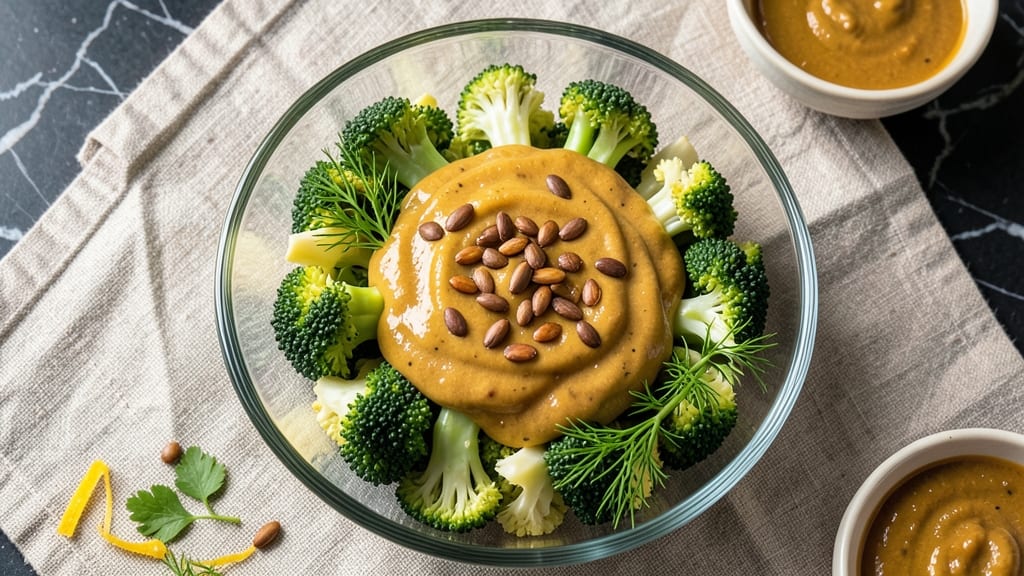
This bright herb-lemon broccoli and cauliflower salad dressing recipe transforms simple broccoli and cauliflower into a vibrant, restaurant-worthy salad. The perfect balance of zesty lemon, fresh herbs, and toasted seeds elevates these vegetables, making them irresistibly crisp and flavorful.
I developed this dressing to cut through the natural bitterness while highlighting the salad's natural sweetness and texture.
The secret lies in the emulsion—combining high-quality olive oil with tangy apple cider vinegar and a touch of Dijon mustard creates a silky, clingy dressing that coats every floret perfectly.
Fresh dill and parsley add bright, herbal notes, while garlic and lemon zest deepen the flavor profile. This isn't just a dressing; it's the star of the salad.
What you'll end up with is a dressing that's bold yet balanced, with just the right amount of acidity to complement the salad's crunch. The toasted seeds add a satisfying texture contrast, making each bite exciting.
It works equally well on raw or lightly roasted vegetables, ensuring versatility for any meal.
Use this dressing immediately for maximum freshness, or store it in the refrigerator for up to a week. It's perfect for meal prep, lunches, or impressing guests with a restaurant-quality salad that's simple to assemble. Let's get started!
Ingredients for broccoli and cauliflower salad dressing
Bright, herb-forward dressing that turns simple veggies into a restaurant-worthy dish.
| Ingredient | Amount | Notes |
|---|---|---|
| Extra-Virgin Olive Oil 🫒 | ¾ cup | High-quality, fruity, cold-pressed |
| Apple Cider Vinegar 🍎 | ¼ cup | Raw, unfiltered preferred |
| Fresh Lemon Juice 🍋 | ¼ cup | Freshly squeezed, no pulp |
| Dijon Mustard 🌶️ | 1 tbsp | High-quality, smooth variety |
| Fresh Dill 🌿 | ¼ cup | Finely chopped, stems removed |
| Fresh Parsley 🌿 | ¼ cup | Finely chopped, flat-leaf preferred |
| Garlic Cloves 🧄 | 2 cloves | Minced or finely grated |
| Lemon Zest 🍋 | 1 tbsp | Finely grated, bright yellow |
| Toasted Sunflower Seeds 🌻 | ¼ cup | Lightly toasted, for crunch |
| Toasted Pumpkin Seeds 🎃 | ¼ cup | Lightly toasted, for crunch |
| Diamond Crystal Kosher Salt 🧂 | ½ tsp | Fine grain, for seasoning |
| Freshly Ground Black Pepper 🌶️ | ¼ tsp | Freshly cracked, for heat |
The olive oil is the foundation—look for extra-virgin with a fruity, peppery kick. Whole Foods or Trader Joe's carry excellent options, but any reputable brand works. Fresh dill and parsley make or break this dressing; they should smell vibrant, not wilted. If your herbs are past their prime, double the amount or use a mix of both. The seeds? Toast them in a dry pan for 3-4 minutes until golden and fragrant—that aroma is everything. For the vinegar, raw and unfiltered adds complexity, but regular apple cider vinegar works in a pinch.
No fresh dill? Substitute with extra parsley or a pinch of dried dill (use half the amount). Out of Dijon mustard? Yellow mustard thinned with water works, but the flavor won’t be as refined. The seeds can be swapped for toasted pine nuts or slivered almonds, but they’ll change the texture. For a tangier dressing, add an extra tablespoon of lemon juice. If you’re prepping ahead, store the dressing and seeds separately—toss them together right before serving to keep everything crisp. The lemon zest can be zested last-minute if you’re worried about browning.
This dressing stays fresh for up to 7 days in the fridge, but the seeds lose their crunch after 2-3 days. To keep them crisp, store them in a separate airtight container and add them just before eating. For meal prep, double the batch—it’s perfect for lunches or as a dip. If the dressing separates, just whisk it back together. The emulsion is stable, but a quick shake revives it every time. Trust me, it’s worth the extra minute.
Why You'll Love This Recipe
- Five-Ingredient Magic: This dressing comes together with just a whisk and a bowl—no fancy gadgets, no stress. Honestly, I’ve made it while waiting for my roasted veggies to finish, and it still tastes like I spent an hour in the kitchen.
- Bright & Tangy Zing: The apple cider vinegar and lemon juice cut through the richness of olive oil, while the Dijon mustard adds just enough depth. Between us, that fresh dill? It’s the secret weapon—bright, herby, and impossible to resist.
- Meal Prep MVP: I make a big batch on Sundays and toss it with grilled chicken, roasted veggies, or even a simple grain bowl all week. It keeps for days in the fridge, and the flavors only get better as it sits—no sad, wilted salads here.
- Budget-Friendly Luxury: Extra-virgin olive oil and fresh dill might sound fancy, but this dressing costs pennies per serving. I use what I have on hand, and it still tastes like a restaurant-worthy dish. (Yes, even on a Tuesday night.)
Step-by-step instructions for bright herb-lemon vinaigrette
This dressing comes together in minutes but delivers restaurant-quality depth and texture every time.
Toast the Seeds for Maximum Crunch
Heat a dry skillet over medium-low heat and add the toasted sunflower seeds and toasted pumpkin seeds. Toast for 3-4 minutes, stirring constantly, until they're fragrant and just beginning to turn golden. Watch them carefully—they'll darken quickly once they start to brown. Remove from heat immediately when you smell that nutty aroma and transfer to a small bowl to cool completely. This toasting enhances their flavor and prevents them from becoming soggy when mixed with the dressing later.
Let them cool for 5 minutes before using. The seeds should be warm to the touch but not hot. I like to keep them separate until the very end so they maintain their perfect crunch when tossed with the salad. If you're short on time, you can use store-bought toasted seeds, but freshly toasted makes all the difference in texture and flavor.
Whisk Together the Dressing Base
In a medium bowl, combine the extra-virgin olive oil, apple cider vinegar, fresh lemon juice, and Dijon mustard. Use a whisk to blend vigorously for 30 seconds until everything is thoroughly incorporated. The mixture should look emulsified—smooth and homogeneous without any visible streaks of oil or vinegar. This emulsification creates the creamy texture that makes this dressing so special.
Next, add the finely chopped fresh dill, finely chopped fresh parsley, minced garlic cloves, and lemon zest. Whisk again for another 30 seconds to distribute the herbs and zest evenly throughout the dressing. The lemon zest adds a bright citrus note that really makes this dressing pop, while the garlic and herbs provide depth and complexity. Taste at this stage—you should detect the tang of the vinegar and lemon, the richness of the olive oil, and the subtle heat from the garlic.
Season and Emulsify the Dressing
Add the Diamond Crystal kosher salt and freshly ground black pepper to the bowl. Whisk for another 15-20 seconds until fully combined. This is where the magic happens—the seasoning balances all the bright, acidic flavors with just the right amount of saltiness. Taste again and adjust the seasoning if needed. I usually find that another pinch of salt or a tiny bit more black pepper brings everything into perfect harmony.
Here's the thing—this dressing should taste vibrant and balanced now, but it will mellow slightly as it sits. If it tastes too sharp or acidic, add a tiny bit more olive oil to mellow it out. If it needs more tang, add a splash of apple cider vinegar. The goal is a dressing that's bright but not overpowering, with all the flavors working together in perfect balance.
Combine and Store Properly
Transfer the dressing to a clean glass jar with a tight-fitting lid. Give it one final stir to ensure everything is well combined. The dressing will keep in the refrigerator for up to 1 week, though I find it's best used within 3-4 days for maximum freshness. Before using, give it a good shake or stir—sometimes the herbs settle at the bottom.
When ready to serve, pour the dressing over your broccoli and cauliflower salad just before eating. Sprinkle the cooled toasted seeds over the top right before serving to maintain that perfect crunch. This dressing works beautifully with raw or roasted cruciferous vegetables, adding a bright, herby contrast to their earthy flavors. The seeds add a satisfying textural element that makes every bite more interesting.
Pro Tips For Making Broccoli And Cauliflower Salad Dressing
- STIR IN STAGES: Whisk in the Dijon mustard first—this thickens the dressing properly. Adding it last just makes you chase clumps like a madman, and nobody wants that.
- LEMON JUICE NOW: Fresh lemon juice loses its tang fast. Measure it right before mixing—no waiting, no excuses. The dressing tastes flat if you prep it ahead without this step.
- VINEGAR RATIO MATTERS: Start with 1:1 vinegar to lemon juice, then adjust. Too much apple cider vinegar turns this into a tangy punch; too little and it’s just sad. Taste as you go.
- DILL CHOPPING HACK: Use a knife, not your fingers. Rough-chop the stems too—they’re packed with flavor and make the dressing taste like you put in effort (even if you didn’t).
Essential equipment for this recipe
Whisk Essentials
You’ll need a good-quality whisk to emulsify this dressing properly—I recommend a stainless steel or balloon whisk with a long handle for deep bowls. A French whisk works best for breaking up herbs and creating a smooth texture.
Avoid plastic whisks; they can’t handle the vigorous whisking required for a stable emulsion. I use my OXO Good Grips whisk for everything—it’s affordable and durable. 💛
Glass Jars for Storage
Store your dressing in amber or dark glass jars to protect it from light, which can degrade the freshness of herbs and citrus. I love Le Parfait or Ball Mason jars with airtight lids—they’re sturdy and keep dressings fresh for days.
Avoid clear plastic containers; they let light in and can make flavors dull faster. Label your jars with the date to track freshness.
Skillet for Toasting Seeds
A non-stick or cast-iron skillet is ideal for toasting seeds—cast iron retains heat well and adds a subtle smoky note. Heat it over medium-low to prevent burning. I use my Lodge cast iron skillet for everything; it’s heavy enough to distribute heat evenly.
If you don’t have cast iron, a stainless steel pan works too. Just watch those seeds—they burn fast once they start browning! ⚡
Measuring Tools
Precision matters here, so grab a liquid measuring cup for the oil, vinegar, and lemon juice, and a small spoon or scale for the Dijon mustard and seeds. I use my OXO stainless steel measuring spoons—they’re accurate and easy to read.
For herbs, a sharp chef’s knife and cutting board are essential for fine chopping. Avoid pre-chopped herbs; they lose flavor fast and can make your dressing taste flat.
Optional: Immersion Blender
If you prefer a smoother texture, an immersion blender can help break down herbs more finely. Pulse the dressing briefly to blend everything seamlessly. I don’t always use mine, but it’s a game-changer for busy days.
Just avoid over-blending—you want some texture to keep the dressing interesting. A Ninja or KitchenAid immersion blender works great. ✨
Nutrition facts
Frequently asked questions
Can I make this dressing without fresh herbs?
Yes, but the flavor will be less vibrant. For dill, use 1 teaspoon dried dill (half the fresh amount) and for parsley, use 1 tablespoon dried parsley. If you're missing both, try 1/2 teaspoon dried oregano or 1/4 teaspoon dried tarragon for a different herbal note. The dressing will still taste good, but fresh herbs make all the difference in brightness.
How do I prevent the dressing from separating?
Whisk vigorously for at least 30 seconds when combining the oil and vinegar to create a stable emulsion. If it starts separating, simply whisk it again or give the jar a good shake before using. For extra stability, add 1/2 teaspoon xanthan gum when whisking the base ingredients. The Dijon mustard also helps bind the dressing together. Store it in the fridge and shake well before each use.
Can I use this dressing on other vegetables besides broccoli and cauliflower?
This dressing works beautifully on asparagus, Brussels sprouts, green beans, or even roasted carrots. The bright lemon and herb notes complement many vegetables, especially those with a slightly bitter profile. It also makes a fantastic dip for crudité platters or as a marinade for grilled chicken or fish. The seeds add great texture to any dish.
What's the best way to store the toasted seeds?
Store them in an airtight container at room temperature for up to 1 week, or freeze them for up to 1 month to maintain maximum crunch. Keep them separate from the dressing until ready to use. If they lose their crunch, toast them again in a dry pan for 1-2 minutes to revive them. For meal prep, store the seeds in a small jar with the dressing in the fridge.
Can I make this dressing dairy-free?
Yes, this recipe is already dairy-free! The dressing relies on olive oil, vinegar, and citrus for its richness and tang. If you're avoiding all animal products, just ensure your Dijon mustard is vegan (some contain honey). The toasted seeds provide a satisfying crunch without any dairy components. It's a great option for vegan diets.