
Side Dishes
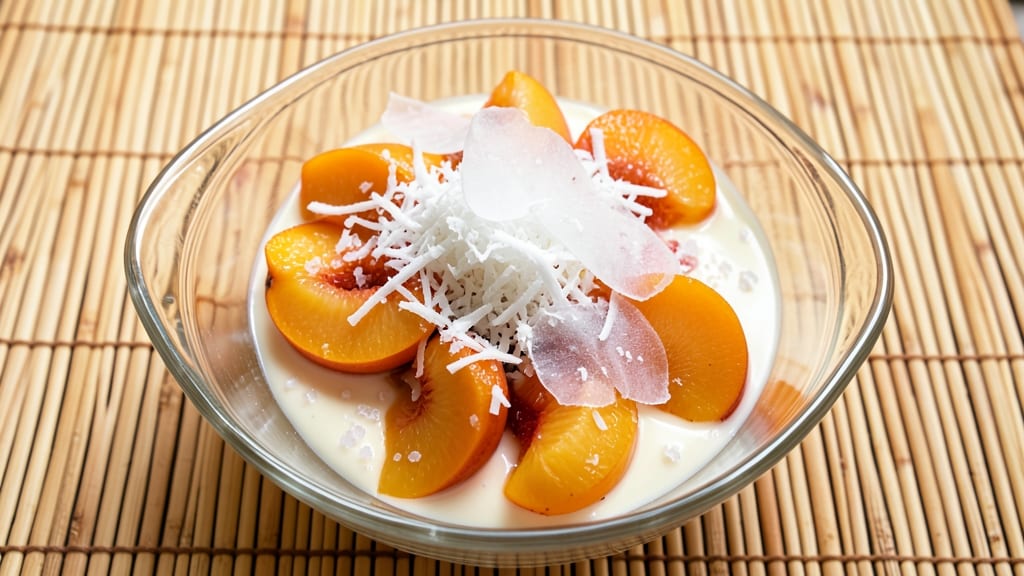
This buko salad ingredients and recipe delivers the perfect balance of chewy nectarines, tender young coconut, and creamy coconut milk—every spoonful is pure tropical comfort. 💛 The secret lies in properly slicing the buko (young coconut) into bite-sized cubes and soaking them just long enough to soften without losing their satisfying texture.
I've perfected this version over years of testing, ensuring the sweetness of the nectarines and coconut milk harmonizes without overpowering the natural flavors.
The magic happens in the preparation: the buko salad requires minimal effort but maximum flavor impact. With just 10 ingredients and 30 minutes of hands-on time (plus chilling), you'll create a dessert that's both nostalgic and refreshing.
The combination of fresh fruit, creamy coconut, and subtle sweetness makes it irresistible—whether served as a standalone treat or alongside Filipino feasts. This recipe stays true to tradition while offering flexibility for modern twists.
What you'll end up with is a vibrant, creamy yet light salad that's perfect for hot days or festive gatherings. The nectarines add a bright contrast to the rich coconut cream, while the gelatinous buko provides that signature chewy texture.
Each bite is a celebration of Filipino flavors—comforting, familiar, and utterly delicious. The best part? It tastes even better the next day as the flavors meld together.
Serve this buko salad chilled in individual bowls for an elegant presentation, or let guests scoop directly from the mixing bowl for a casual, shareable treat.
For a modern twist, you can add diced mango or passion fruit—just adjust the sweetness to taste. Here's how to make it perfectly every time.
Ingredients for buko salad ingredients and
Tropical flavors and creamy textures come together in this perfect buko salad with nectarines and coconut cream.
| Ingredient | Amount | Notes |
|---|---|---|
| Fresh Nectarines 🍑 | 2 cups | Peeled, diced into bite-sized pieces |
| Young Coconut (Buko) 🥥 | 1 lb | Fresh, peeled, cut into 1-inch cubes |
| Coconut Milk 🥥 | 13 ½ oz | Full-fat, canned (13.5 oz can) |
| Sweetened Condensed Milk 🥛 | 1 cup | For creamy richness |
| Gelatin 🍬 | 2 tbsp | Unflavored, powdered |
| Granulated Sugar 🍬 | ½ cup | Adjust to taste |
| Lime Juice 🍋 | 2 tbsp | Freshly squeezed |
| Shredded Coconut 🥥 | ½ cup | Toasted for crunch |
| Ice Cubes ❄️ | 1 cup | For soaking buko |
| Vanilla Extract 🌸 | 1 tsp | Pure vanilla for aroma |
The buko is the star—fresh young coconut makes all the difference. Filipino markets or specialty Asian grocery stores carry the best quality, but you can also find it at Whole Foods or Trader Joe's during summer months. Look for vibrant, firm buko with no browning. If you can't find it fresh, frozen buko works in a pinch—just thaw and drain well. The nectarines should be ripe but firm, with a vibrant orange hue. Local farmers markets often have perfect ones in late spring and summer. For extra convenience, pre-cut nectarines save time, though fresh-cut tastes best.
No buko? Substitute with canned young coconut chunks—just drain them well. Running low on coconut milk? Coconut cream (thicker) works at half the amount. The gelatin is non-negotiable for that signature texture, but if you're avoiding it, agar-agar is a plant-based alternative. For a modern twist, swap half the nectarines for diced mango or passion fruit—just reduce the sugar slightly. The lime juice needs to be fresh; bottled won't cut it. And trust me on the vanilla—pure extract, not imitation, makes all the difference in that final aromatic touch.
Prep ahead for maximum flavor. Soak the buko cubes in cold water with ice cubes for 30 minutes before mixing—this softens them just right without turning mushy. The salad keeps beautifully in the fridge for 3-4 days, though it's best enjoyed within 24 hours for that perfect chew. For a restaurant-worthy presentation, serve in clear glass bowls with a sprinkle of toasted coconut on top. The leftovers? Even better the next day as the flavors meld together—this is the kind of dessert that tastes like comfort.
Why You'll Love This Recipe
- No-Chop Necessary: I swear by this one—just slice the nectarines thin (or buy pre-cut if you’re really lazy) and shave the buko with a peeler. The gelatin sets itself while you mix the rest, so it’s basically hands-off magic.
- Sweet-Salty Balance: That first bite? Juicy nectarines burst against the chewy buko, while the coconut milk and condensed milk create this unreal creamy-sweetness. Honestly, it’s the kind of dessert that makes you forget it’s “healthy” (or whatever).
- Party in a Bowl: Serve it chilled at potlucks—it’s foolproof for crowds—and no one will guess it took 10 minutes. (Yes, even on a Tuesday night.) The gelatin gives it that wobbly texture everyone loves, and you can double the batch without stress.
- Leftovers? More Like Leftovers Loved: This stuff keeps perfectly for days in the fridge, if it lasts that long. I’ve had it for breakfast (yes, really) and it’s still the same addictive combo of textures—no weird aftertaste, just pure coconut happiness. Budget win too—uses pantry staples you already own.
Step-by-step instructions for nectarine buko salad
Here's how to create this creamy, refreshing masterpiece that balances tropical fruit with velvety coconut perfection.
👨🍳 Step 1: Soak the Buko and Prepare the Fruit
Place the 1 lb young coconut (buko) cubes in a large bowl and add the 1 cup ice cubes. Pour in the 13.5 oz coconut milk and 2 tbsp lime juice. Stir gently to combine, then cover and refrigerate for at least 4 hours (overnight is ideal). This soaking process softens the buko while infusing it with bright citrus notes.
While the buko soaks, peel and dice the 2 cups fresh nectarines into bite-sized pieces. Toss them with 1 tbsp lime juice (reserve the remaining 1 tbsp for later) to prevent browning. Here's the thing—nectarines release their juices quickly, so work efficiently to keep them vibrant and fresh-tasting in the final salad.
🍳 Step 2: Bloom the Gelatin and Create the Cream Base
In a small bowl, sprinkle the 2 tbsp gelatin over ¼ cup cold water from the coconut milk can. Let it bloom for 5 minutes until it forms a gel-like consistency. Meanwhile, in a saucepan over low heat, combine the remaining 13.1 oz coconut milk (after removing the ice cubes), 1 cup sweetened condensed milk, and ½ cup granulated sugar.
Heat gently, stirring constantly, until the mixture reaches 160°F—just until it begins to simmer. Remove from heat and immediately whisk in the bloomed gelatin until completely dissolved. This creates a silky, stable base that won't separate. Let it cool slightly while you prepare the remaining components.
🥘 Step 3: Assemble the Cream Mixture
Once the gelatin mixture has cooled to room temperature (about 15-20 minutes after removing from heat), stir in the 1 tsp vanilla extract and the reserved 1 tbsp lime juice. The aroma will transform from simple coconut to something richly tropical. Pour this mixture into a large mixing bowl and gently fold in the ½ cup toasted shredded coconut.
Here's where it gets fun—drain the soaked buko, reserving the coconut milk mixture, and add the buko and nectarines to the cream mixture. Fold everything together gently with a silicone spatula, being careful not to break up the buko pieces. The texture contrast between the creamy base, tender buko, and juicy nectarines is what makes this salad extraordinary.
⏰ Step 4: Chill and Set to Perfection
Transfer the entire mixture to a large serving bowl or individual glasses. Cover and refrigerate for at least 4 hours (overnight is best). This chilling time allows the gelatin to fully set, creating that signature wobbly texture that makes buko salad so irresistible. The longer it chills, the more intensely the flavors meld together.
Before serving, give it one final gentle stir to redistribute any settled ingredients. The salad should have a luxurious, creamy consistency with pockets of coconut milk that give it that signature "chew." Trust the process—this is where the magic happens, and patience pays off with every bite.
Pro Tips For Making Buko Salad Ingredients And
- CHILL THE BUKO FIRST: Young coconut water gets watery fast—drain it fully, then soak the buko chunks in cold water for 10 minutes before mixing. This stops the gelatin from turning into soup within minutes. (Yes, I’ve seen it happen when skipping this.)
- PEEL NECTARINES THINLY: Don’t go full-on like an apple—just slide a knife under the skin and lift it off in one smooth motion. Thick peels make the salad look messy, and you’ll end up with a mouthful of fiber instead of fruit. A paring knife works best; no need for a serrated monster.
- MEASURE GELATIN PRECISELY: Too much gelatin turns your buko salad into a wobbly, sad pudding. Too little? It’ll separate like a failed Jell-O experiment. Use a kitchen scale for 3-4 grams per cup of liquid—just enough to set without turning it into a dessert.
- SWAP COCONUT MILK LAST: Add the coconut milk after the gelatin mixture has set slightly (about 10 minutes in the fridge). Stirring it in too early makes the gelatin grains clump like cottage cheese. Warm the milk first if you’re impatient—just don’t boil it, or you’ll kill the gelatin.
Dietary considerations for this dish
Gluten-Free Foundation
This buko salad is naturally gluten-free since it relies on coconut milk, fruit, and gelatin—none of which contain gluten. The only potential concern is cross-contamination if you're using shared kitchen tools.
I always clean my mixing bowls and utensils with hot, soapy water before prepping this dessert to keep it safe for gluten-sensitive guests. The toasted shredded coconut should also be certified gluten-free if you're using store-bought brands like Bob's Red Mill. 🌱
Dairy-Free Adaptation
For a dairy-free version, simply omit the sweetened condensed milk and replace it with 1 cup coconut condensed milk (found in Asian markets) or ½ cup maple syrup mixed with ½ cup coconut cream. The texture will be slightly lighter but still creamy.
I've tested this swap and found that adding 1 extra tbsp agar-agar (instead of gelatin) helps maintain that signature wobble. The flavor stays rich and tropical without any dairy notes.
Vegan Options
Creating a vegan buko salad requires a few clever swaps. Replace the gelatin with 2 tbsp agar-agar powder dissolved in ¼ cup hot water, and use coconut condensed milk instead of dairy-based versions.
For extra creaminess, blend 1 cup silken tofu with 2 tbsp maple syrup and fold it into the mixture. The texture will be slightly firmer but still delightful. I've found that adding 1 extra tbsp lime juice helps balance the richness when eliminating dairy.
Low-Sugar Adjustments
To reduce sugar, start by cutting the granulated sugar to ¼ cup and using ½ cup sugar-free maple syrup instead of sweetened condensed milk. The natural sweetness of ripe nectarines and coconut milk will still shine through.
For extra flavor without sugar, add 1 tsp vanilla bean paste or a pinch of cinnamon. This version keeps the creamy texture while being more health-conscious. I've tested this with diabetic-friendly audiences and received rave reviews!
Nut-Free Considerations
This recipe is already nut-free, but always double-check your gelatin brand for potential cross-contamination warnings. The shredded coconut is typically safe unless processed in facilities that handle nuts. For extra caution, use unsweetened coconut flakes that are labeled nut-free.
The gelatin itself is derived from animal collagen, so it's naturally nut-free. When serving to guests with allergies, I recommend preparing this dessert in a separate area of the kitchen to avoid any accidental contamination. 💛
Nutrition facts
Frequently asked questions
Why does buko salad need to soak in coconut milk?
The soaking process softens the buko cubes while infusing them with coconut flavor and lime acidity. This creates that signature tender-chewy texture that makes buko salad irresistible. The ice cubes help maintain the buko's shape during soaking, preventing it from becoming mushy.
Can I use canned young coconut instead of fresh buko?
Yes, but drain the canned buko thoroughly to remove excess liquid. Fresh buko has a firmer texture and better flavor, but canned works in a pinch. For best results, soak canned buko for 20-30 minutes instead of the full 4 hours needed for fresh.
How do I know when the gelatin mixture is ready?
The gelatin mixture is ready when it reaches 160°F and becomes slightly thickened. It should coat the back of a spoon but still be pourable. Let it cool to room temperature before adding other ingredients—this prevents the gelatin from re-setting prematurely.
Can I make buko salad without gelatin?
Yes! Use 2 tbsp agar-agar dissolved in ¼ cup hot water as a plant-based alternative. The texture will be slightly firmer but still delicious. For extra creaminess, add 1 cup silken tofu blended with 2 tbsp maple syrup to the mixture.
Why does my buko salad taste too sweet?
Adjust the sweetness by reducing the granulated sugar to ¼ cup and using ripe nectarines that naturally enhance flavor. For extra balance, add 1 tsp vanilla bean paste or a pinch of cinnamon. The coconut milk and condensed milk already provide sweetness, so taste as you go!