
Salads
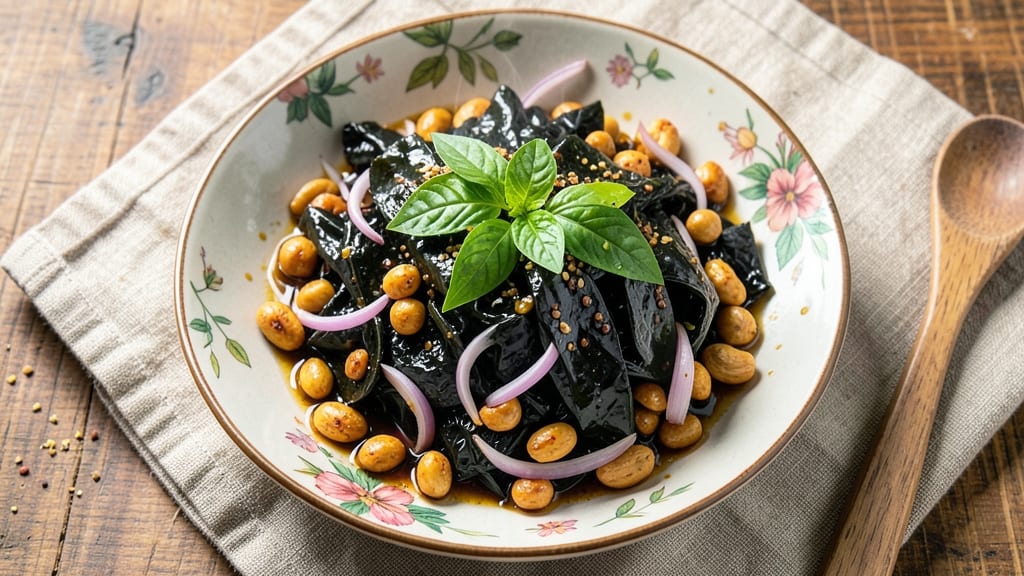
This Burmese fermented tea leaf salad delivers an explosion of umami, tangy zing, and addictive crunch that will change how you think about salads.
The secret lies in fermented tea leaves—whether you pound them fresh or use store-bought—that develop a deep, earthy flavor when combined with toasted peanuts and a punchy dressing. I've perfected this recipe through years of testing, balancing traditional techniques with modern shortcuts for home cooks.
The beauty of this dish is its simplicity: just a handful of ingredients that come together to create something complex and satisfying. Toasted peanuts add crunch, while the fermented fish sauce (or vegetarian alternative) provides that signature tangy depth.
The salad's texture is what makes it unforgettable—crispy, chewy, and perfectly balanced with each bite. What starts as a simple mix transforms into a flavor experience that's both rustic and refined.
What you'll end up with is a salad that's packed with umami-rich fermented tea leaves, nutty toasted peanuts, and a dressing that's both tangy and aromatic. It's the kind of dish that's light enough for a summer meal but flavorful enough to stand up to heartier dishes.
The best part? It keeps well in the fridge for up to a week, making it perfect for meal prep.
Whether you're serving it as a side dish or a main course with grilled proteins, this Burmese tea leaf salad brings a burst of authentic Southeast Asian flavors to your table. Here's how to make it—traditionally or with modern shortcuts—so you can experience the magic for yourself.
Ingredients for burmese fermented tea leaf salad
The heart of this salad lies in its fermented tea leaves and toasted peanuts, balanced by a tangy dressing that’s both simple and complex.
| Ingredient | Amount | Notes |
|---|---|---|
| Fermented Tea Leaves (Laphet Thoke) 🍃 | 1 cup | Store-bought or freshly pounded |
| Roasted Peanuts 🥜 | 1 cup | Toasted until golden and crispy |
| Shallots 🧅 | 4 whole | Thinly sliced, about 0.5 cup |
| Fresh Lime Juice 🍋 | ½ cup | Freshly squeezed, about 2 limes |
| Vegetarian Fish Sauce Substitute 🍶 | 2 tbsp | Soy sauce or coconut aminos |
| Sesame Oil 🫒 | 1 tbsp | Toasted sesame oil preferred |
| Palm Sugar or Brown Sugar 🍬 | 2 tbsp | Dissolved in lime juice |
| Garlic Cloves 🧄 | 3 cloves | Minced, for dressing |
| Fresh Chili Peppers 🌶️ | 2 whole | Thinly sliced, adjust to spice preference |
| Red Chili Flakes 🔥 | 1 tsp | Adjust for heat tolerance |
| Fresh Cilantro 🌿 | ¼ cup | Chopped, for garnish |
| Toasted Sesame Seeds 🌱 | 1 tbsp | For garnish and crunch |
| Vegetable Oil 🫒 | 1 tbsp | For toasting peanuts |
| Salt 🧂 | ½ tsp | Kosher or sea salt |
Fermented tea leaves are the star—look for Laphet Thoke at Asian markets, or make your own by fermenting tea leaves with salt and lime for a week. If you can't find them, dried black tea leaves steeped in hot water and dried work in a pinch, though they won’t have the same depth. For the peanuts, roast them in a dry pan or oven until golden—don’t skip this step, or you’ll miss out on that nutty crunch. Shallots should be thinly sliced, almost translucent, and fresh lime juice is non-negotiable here—bottled just won’t cut it.
No fermented fish sauce? Soy sauce or coconut aminos mimic the umami punch, though it’ll taste slightly different. The dressing is where the magic happens—dissolve the palm sugar in warm lime juice first so it blends smoothly. Chili preference is personal, but I always keep a few slices out for garnish so you can adjust to taste. For extra richness, add a splash of toasted sesame oil to the dressing. If you’re short on time, pre-toast the sesame seeds and store them in a jar—they’ll keep for months.
This salad tastes even better the next day as flavors meld. Store it in an airtight container with a paper towel pressed on top to keep the peanuts crispy. Keeps for 5-7 days in the fridge, though I rarely have leftovers that long. For meal prep, make the dressing separately and toss it with the salad just before serving—this keeps everything fresh and crunchy. Double the batch if you’re serving a crowd; it’s that good.
Why You'll Love This Recipe
- No-Chop Struggle: Honestly, this salad takes zero knife work if you buy pre-chopped shallots—just toss everything together. The fermented tea leaves (laphet thoke) are already crumbled and ready, so I’m mixing while scrolling through my phone, not sweating over prep.
- Umami Bomb: That vegetarian fish sauce substitute? Chef’s kiss. It cuts through the funky tang of the tea leaves while the roasted peanuts add crunch—like a salty, nutty hug. The lime juice ties it all into something dangerously addictive, not just "good."
- Picnic to Party: Between us, this is my go-to for anything: lazy Sunday brunch, potlucks, or even a last-minute lunchbox. I’ve packed it in jars for road trips, served it cold at dinner parties, and my kids still ask for it—no complaints.
- Budget Flex: I buy laphet thoke in bulk, and it lasts forever—way cheaper than fresh herbs. Roasted peanuts? Store-bought saves time. Leftovers? Taste just as good the next day, if there are any. My wallet and taste buds win.
Step-by-step instructions for Burmese fermented tea leaf salad
Here's how to craft this vibrant salad with perfect balance of funky, tangy, and crunchy elements.
Toast the Peanuts for Maximum Crunch
Heat the 1 tablespoon vegetable oil in a dry skillet over medium heat. Add the 1 cup roasted peanuts and toast them for 3-4 minutes until they're deep golden brown and fragrant. Watch them carefully—they go from perfect to burnt in seconds. Transfer the peanuts to a plate to cool completely before using. This step is crucial for developing that nutty depth that carries through the salad.
While the peanuts toast, prepare the fermented tea leaves by rinsing the 1 cup fermented tea leaves (laphet thoke) in a fine-mesh strainer under cold water. This removes excess salt and dirt while preserving their distinctive umami flavor. Gently squeeze out any excess water and spread the leaves on a clean kitchen towel to dry completely. You'll use them immediately after they're dry to maintain their crisp texture.
Create the Signature Dressing
In a small bowl, whisk together the 0.5 cup fresh lime juice, 2 tablespoons palm sugar or brown sugar (dissolved first to prevent graininess), 2 tablespoons vegetarian fish sauce substitute, 1 tablespoon sesame oil, and 0.5 teaspoon salt. The sugar should dissolve completely into the lime juice before combining with other ingredients. Taste the mixture and adjust the balance—you want a perfect harmony of sweet, salty, and tangy notes that complement the funky tea leaves.
In a separate small bowl, finely mince the 3 cloves garlic and thinly slice the 2 whole fresh chili peppers. Add these to the dressing along with the 1 teaspoon red chili flakes and mix well. The chili peppers should be sliced into very thin rounds—this ensures even distribution of heat throughout the salad. Let the dressing sit for 5 minutes to allow all the flavors to meld together before using.
Prepare the Vegetable Components
Thinly slice the 4 whole shallots into paper-thin rings. You want them so delicate they're almost translucent—this prevents them from overpowering the other flavors. Chop the 0.25 cup fresh cilantro into small pieces, removing any thick stems. The cilantro should be finely chopped to distribute its bright flavor evenly throughout the salad.
While you're prepping the vegetables, check that your fermented tea leaves are completely dry. They should be crisp and ready to combine with the other ingredients. If they still feel damp, pat them dry with a paper towel before proceeding. This step is where the magic happens—the tea leaves need to maintain their texture to provide that perfect crunch contrast.
Assemble the Salad
In a large mixing bowl, combine the dry fermented tea leaves, toasted peanuts, sliced shallots, and chopped cilantro. Gently toss everything together just enough to distribute the ingredients evenly. Be careful not to crush the tea leaves or peanuts—you want to preserve their individual textures. The salad should look vibrant with dark green tea leaves, golden peanuts, and white shallots.
Pour the dressing over the salad mixture and toss gently again. The dressing should coat all the ingredients evenly without making them soggy. Taste the salad at this point—you might want to adjust the balance of sweet, sour, and spicy flavors. If it needs more tang, add a splash of lime juice. If it needs more saltiness, add a bit more fish sauce substitute. The perfect balance should make your mouth water with anticipation.
Garnish and Serve Immediately
Transfer the salad to a serving platter and sprinkle with the 1 tablespoon toasted sesame seeds. The seeds add an extra layer of crunch and visual appeal with their golden color contrasting against the salad's dark greens. Serve the salad immediately while all the components are at their peak texture—this salad doesn't improve with time, as the tea leaves will soften if left sitting.
For the best experience, serve this Burmese fermented tea leaf salad as a refreshing appetizer or light main course. Pair it with grilled meats or fresh bread to soak up the delicious dressing. The combination of textures—crisp tea leaves, crunchy peanuts, and tender shallots—with the complex flavors of the dressing creates a truly memorable culinary experience that's both satisfying and unique.
Pro Tips For Making Burmese Fermented Tea Leaf Salad
- CRUSH THE SHALLOTS: Use a mortar and pestle instead of chopping—this releases more oils and flavor, which is crucial for balancing the funky fermented tea leaves. I tried mincing once, and the salad tasted flat; the manual crushing makes a real difference.
- ROAST PEANUTS UNTIL GOLDEN: Watch the heat—medium-low is key. Burnt peanuts add bitterness that clashes with the bright lime and tangy fish sauce. Toss them every 2-3 minutes until they’re fragrant and just starting to turn golden, not dark.
- DILUTE THE FISH SAUCE: Mix your vegetarian fish sauce substitute with an equal part water first—this prevents the salad from tasting overly salty or harsh. I learned this after overdoing it and ruining a batch; now I taste as I go.
- ADD LIME JUICE LAST: Squeeze the lime right before serving so the acidity doesn’t break down the shallots or soften the peanuts. The texture stays crisp, and the tang hits fresh. (Yes, even if you’re impatient like me.)
Wine and beer pairings for this burmese fermented tea leaf salad
Light Beer Pairings
For this salad's funky, umami-rich profile, I reach for a crisp Burma-style lager like Myanmar Beer—its light body and subtle malt sweetness complement the tea leaves without overpowering. The effervescence cuts through the salad's richness, cleansing your palate between bites.
If you can't find Myanmar Beer, try a light Japanese lager such as Asahi Super Dry for a similar clean, refreshing contrast. 🍺
White Wine Options
A dry, aromatic white wine works beautifully here. I love Vietnamese Bát Tràng wine (made from local grapes), which has bright acidity and citrus notes that mirror the lime dressing.
For a more accessible option, Pinot Grigio from Italy or a Sauvignon Blanc with herbal undertones enhances the salad's herbal and chili elements. Avoid heavy whites—they'll clash with the fermented tea's funk.
Rosé for Balance
For a crowd-pleasing option, a dry rosé with a touch of spice bridges the salad's tangy and umami flavors. Look for a Provençal rosé like Whispering Angel—its strawberry and citrus notes harmonize with the lime and chili.
The light body won't overpower the salad's textures, making it a versatile choice for any gathering.
Non-Alcoholic Pairings
Don't overlook refreshing non-alcoholic options! A ginger-lime sparkling water with a splash of coconut water mirrors the salad's citrusy brightness. For a bolder choice, try Burma-style iced tea (sweetened with palm sugar) or a hibiscus iced tea—both add floral notes that complement the tea leaves beautifully.
These pairings keep the meal light and refreshing. 💫
Nutrition facts
Frequently asked questions
Where can I find fermented tea leaves (laphet thoke) for this recipe?
Look for laphet thoke in the international or Asian section of well-stocked grocery stores, or order online from specialty retailers like Thai or Burmese markets. If unavailable, use dried black tea leaves steeped in hot water and dried—though they won't have the same depth of flavor. For a shortcut, check Asian grocery freezers for pre-fermented tea leaf mixes.
Can I make this salad without fermented fish sauce?
Use soy sauce or coconut aminos for a vegetarian alternative—both provide umami depth. For extra tang, add 1 extra tablespoon of lime juice or a splash of rice vinegar. The flavor will be slightly different but still delicious. Just taste and adjust before serving.
How do I make the tea leaves crispy like in traditional recipes?
After rinsing, spread the leaves on a clean towel and let them dry completely before using. For extra crispiness, lightly toast them in a dry pan for 30 seconds until fragrant. Never overcrowd the pan, or they'll steam instead of crisp. The key is dry heat and quick timing—just until they're warm and fragrant.
Can I prepare this salad ahead of time?
Yes, but store the dressing and salad components separately. Mix everything just before serving to keep the tea leaves and peanuts crisp. Store the dry ingredients in an airtight container with a paper towel to absorb moisture. The dressing keeps for 3 days in the fridge—just toss it with the dry mix when ready to eat.
What's the best way to adjust the spice level?
Start with the 1 teaspoon chili flakes and add more if needed. For heat control, keep extra chili slices on the side—this lets everyone customize their portion. If you prefer milder heat, reduce the chili flakes by half and add 1 extra tablespoon lime juice to balance the flavors.