
Salads
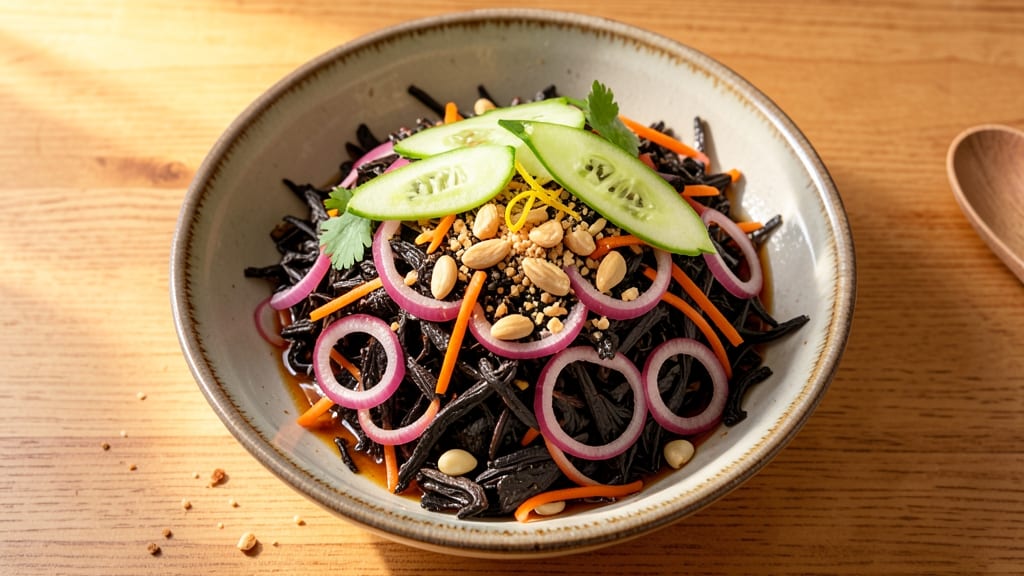
This Burmese tea salad recipe delivers the perfect balance of tangy, spicy, and crunchy flavors that make it a standout vegetarian dish. 💛 The secret lies in fermented black tea leaves, which add a unique umami depth that transforms simple vegetables into something extraordinary.
What makes this salad special is its cultural significance—a beloved street food in Myanmar that's both refreshing and deeply satisfying.
The preparation process is straightforward yet rewarding. You'll start by soaking the fermented tea leaves to soften their texture, then mix them with garlic, chili, and sesame for a flavorful base.
The tangy tamarind dressing ties everything together, creating a sauce that's both sweet and sharp. Crunchy peanuts add texture contrast, while fresh vegetables bring brightness to each bite.
What you'll end up with is a vibrant salad that's packed with complex flavors and satisfying textures. The tea leaves provide a deep, earthy taste, the tamarind dressing adds tangy brightness, and the peanuts deliver satisfying crunch.
This dish is perfect for hot days when you want something refreshing yet substantial.
The best part? It's completely vegetarian and comes together in just 30 minutes. Whether you're serving it as a light lunch or a side dish, this Burmese tea salad will impress with its bold flavors and cultural appeal. Let's get started on creating this unique and delicious dish!
Ingredients for burmese tea salad
Fermented tea leaves and crunchy peanuts make this Burmese salad unforgettable.
| Ingredient | Amount | Notes |
|---|---|---|
| Fermented Black Tea Leaves ☕ | ½ cup | Dried, store-bought or homemade |
| Red Onion 🧅 | 1 whole | Thinly sliced, white part only |
| Carrot 🥕 | 1 whole | Julienned or matchstick cut |
| Cucumber 🥒 | 1 whole | Thinly sliced lengthwise |
| Peanuts 🥜 | ½ cup | Crushed or whole, roasted |
| Garlic Cloves 🧄 | 4 cloves | Minced, fresh preferred |
| Red Chili 🌶️ | 1 whole | Thinly sliced, adjust to taste |
| Sesame Seeds 🌱 | 1 tbsp | Toasted for extra flavor |
| Tamarind Paste 🍯 | ½ cup | Unsweetened, for dressing |
| Lime Juice 🍋 | ¼ cup | Freshly squeezed |
| Coconut Milk 🥥 | ¼ cup | Light or full-fat |
| Soy Sauce 🍜 | 1 tbsp | Light or dark preferred |
| Palm Sugar 🍬 | 2 tbsp | Or brown sugar substitute |
| Vegetable Oil 🫒 | 1 tbsp | For stir-frying tea leaves |
| Salt 🧂 | ½ tsp | To taste, adjust seasoning |
The fermented black tea leaves are the heart of this dish—look for them at Asian markets or online specialty stores. If you can't find them, store-bought laphpet tea leaves work as a substitute. The key is to soak them for 30 minutes before using, which softens their texture and brings out their deep umami flavor. For extra authenticity, toast the tea leaves lightly in a dry pan before soaking. The red onion and carrot should be freshly cut—no pre-shredded bags here—as they wilt fast and lose their crunch. If you're short on time, baby carrots work perfectly for the julienne cut.
No tamarind paste? Mix 2 tbsp lime juice with 1 tbsp brown sugar for a quick substitute, though it won't be quite the same. The peanuts should be roasted and slightly crushed—store-bought crushed peanuts from Trader Joe's are perfect for this. For heat lovers, add extra chili flakes, but remember this is a salad meant to be refreshing. The dressing is where the magic happens: tamarind's tangy sweetness balances the umami tea leaves beautifully. If you can't find palm sugar, light brown sugar works in a pinch. The coconut milk adds richness, so don't skip it—even light coconut milk makes a difference.
This salad keeps best for 2-3 days in the fridge, but the peanuts lose their crunch after a day. Store the dressing separately and mix it just before serving to keep everything fresh. For a restaurant-style presentation, arrange the tea leaves in the center with vegetables radiating outward, then sprinkle peanuts on top. The flavors actually improve after sitting for 30 minutes, so make it ahead if you can. If you have leftovers, pack the dressing in a small container—it's the star and deserves its own spotlight.
Why You'll Love This Recipe
- No-Chop Chaos Allowed: I swear by this salad—just thinly slice the onion and carrot (or buy pre-shredded), toss in the cucumber chunks, and dump in those fermented tea leaves. The peanuts? Straight from the jar. Ten minutes max, and zero stress.
- Tangy Crunch Magic: That fermented black tea? It’s like a funky, umami punch—bright but deep, with a little bite. Pair it with the sweetness of carrot, the crunch of cucumber, and the salty crunch of peanuts, and you’ve got a flavor explosion that sticks with you.
- Lunchbox Legend: Between us, this salad holds up better than most takeout. Pack it in a container, and it’s still fresh and crunchy by dinner—no sad wilted greens here. Honestly, I’ve sent this to work, picnics, and even as a side for takeout nights. It just works.
- Pantry Goldmine: I keep a bag of fermented tea leaves and peanuts on hand for days like this. No fancy ingredients, no last-minute grocery runs—just pull from what you’ve got. And if you make extra? It keeps for days, so you’re not scrambling for another meal. Budget win.
Step-by-step instructions for Burmese tea salad
This vibrant salad delivers perfect balance—crisp vegetables, nutty peanuts, and that signature tangy tea dressing.
🥘 Step 1: Prepare the Crunchy Vegetable Base
Start by slicing the 1 whole red onion paper-thin, focusing only on the white and light purple parts. For the 1 whole carrot, use a julienne peeler or mandoline to create matchstick-thin strips—aim for even lengths around 2 inches. Thinly slice the 1 whole cucumber lengthwise into ¼-inch thick strips, then cut those strips crosswise into bite-sized pieces. Transfer everything to a large mixing bowl and set aside.
Here's the thing—thin, even slices ensure every bite has that satisfying crunch. If your knife skills are rusty, use a food processor with the slicing blade for consistent results. The vegetables should stay crisp, not soggy, so avoid overcrowding the bowl when you combine them later.
🔥 Step 2: Stir-Fry the Tea Leaves for Depth
Heat 1 tablespoon vegetable oil in a small skillet over medium heat until shimmering. Add the 0.5 cup fermented black tea leaves and stir constantly for 2-3 minutes until they turn a deep, rich brown color and release an earthy aroma. This step transforms the tea leaves from bitter to aromatic—don't walk away, or they'll burn quickly.
Remove from heat immediately and let cool for 5 minutes. The tea leaves will continue to release their flavor as they cool. Transfer them to your mixing bowl with the vegetables. This infusion gives the salad its signature umami depth that sets it apart from ordinary green salads.
👨🍳 Step 3: Make the Tangy Tamarind Dressing
In a medium bowl, whisk together 0.5 cup tamarind paste, 0.25 cup lime juice, 0.25 cup coconut milk, 1 tablespoon soy sauce, and 2 tablespoons palm sugar until the sugar dissolves completely. The mixture should be smooth with a vibrant amber color—this is your flavor foundation. Add 4 cloves minced garlic and 1 thinly sliced red chili, then whisk again.
Taste the dressing before combining—it should balance sweet, sour, and savory. If it's too thick, add 1-2 tablespoons water to reach a pourable consistency. This dressing carries all the signature Burmese flavors, so don't skip the tamarind—it's the secret to that authentic tangy kick.
🥘 Step 4: Combine and Toss to Perfection
Pour the dressing over the vegetable mixture and toss gently but thoroughly. Add 0.5 cup crushed peanuts and 1 tablespoon toasted sesame seeds, then sprinkle with 0.5 teaspoon salt. The peanuts should be evenly distributed—don't worry if they look like too much at first, they'll disappear as you mix. Taste and adjust seasoning if needed, adding more lime juice for tang or salt for balance.
Let the salad sit for 10 minutes before serving. This resting time allows the flavors to meld and the dressing to penetrate the vegetables. The ideal texture should be crisp yet coated with dressing, with every bite delivering that perfect balance of crunch, creaminess, and tang.
🍽️ Step 5: Garnish and Serve Immediately
Transfer the salad to a serving platter and garnish with an extra sprinkle of sesame seeds and thin red chili slices for color. Serve immediately while the vegetables are still crisp. This salad tastes best when enjoyed fresh—waiting too long will make the cucumber soften.
The presentation should be vibrant with contrasting colors: deep red from the chili, white from the onion, orange from the carrot, and green from the cucumber. Each bite should deliver that perfect harmony of textures and flavors that makes this Burmese tea salad so special. Pair with grilled meats or warm rice for a complete meal.
Pro Tips For Making Burmese Tea Salad
- SOAK THE TEA LEAVES: Fermented black tea leaves need a quick rinse in cold water—just 30 seconds—to wash off excess bitterness before chopping. I used to skip this, and the salad always tasted harsh; now it’s perfectly balanced.
- JULIENNE THE CARROTS: Use a mandoline for even 1/8-inch slices—thicker pieces stay crunchy but dull, while thinner ones soften too fast. If you don’t have one, a sharp knife and a ruler as a guide works, but your hands will thank you later.
- SALT THE ONIONS FIRST: Toss thinly sliced red onion with 1/2 teaspoon salt and let sit for 10 minutes before adding to the salad. This draws out moisture and mellows the sharpness, so it doesn’t overwhelm the tea’s funky flavor.
- TOAST PEANUTS LOW AND SLOW: Spread raw peanuts on a baking sheet at 300°F (not higher) for 8–10 minutes, stirring once. High heat burns them fast; low and slow means they stay fragrant and crunchy without turning bitter.
Serving suggestions for this recipe
Street Food Style
Serve this Burmese tea salad in a banana leaf-lined bowl for that authentic street food experience. The leaf adds subtle aroma and makes the presentation pop—just tear a leaf to fit your serving dish.
I like to use Thai-style banana leaves from Asian markets, but any large leaf works. For extra flair, sprinkle crushed peanuts in a circular pattern on top before serving. 🌿
Protein Pairings
Balance the salad's tangy flavors with grilled lemongrass chicken or spicy tofu. The protein soaks up the dressing beautifully while adding heartiness. I recommend marinating chicken in 1 tbsp soy sauce, 1 tbsp lime juice, and 1 tsp turmeric for 30 minutes before grilling.
For vegetarians, crispy tofu with chili-lime seasoning works perfectly. Serve with steamed jasmine rice to round out the meal.
Dessert Contrast
End your Burmese feast with mango sticky rice or coconut pandan cake to cut through the salad's bold flavors. The sweetness of ripe mango balances the tangy dressing beautifully. For a lighter option, try lychee jelly with rose water—the floral notes complement the tea leaves' earthiness.
I always keep a small bowl of sweetened condensed milk on the side for dipping mango slices. 🍍
Beverage Pairings
Cool down with Thai iced tea or jasmine green tea—both complement the salad's complex flavors. For something stronger, try a light Burmese beer like Myanmar Beer or Shwe Kyet Pin.
The beer's crispness cuts through the dressing's richness. If you prefer non-alcoholic options, sparkling limeade with mint leaves adds refreshing contrast. Always serve drinks chilled to enhance the salad's crisp textures. 🍹
Make-Ahead Tips
Prepare the dressing and tea leaves a day ahead to save time. Store them separately in airtight containers in the fridge. When ready to serve, simply toss with fresh vegetables and peanuts.
The flavors actually improve overnight as the tea leaves infuse deeper. For the vegetables, slice them just before serving to maintain crispness—no one wants soggy cucumbers! 💡
Nutrition facts
Frequently asked questions
Where can I find fermented black tea leaves for this recipe?
Look for them in the tea section of Asian grocery stores or online specialty shops. They're often labeled as "laphet" or "fermented tea leaves." If unavailable, check international markets or order from websites like Myanmartimes.com or AsianFoodGrove.com. Pro tip: Store them in an airtight container to preserve freshness.
Can I make this salad without tamarind paste?
Yes! Mix 2 tablespoons lime juice with 1 tablespoon brown sugar for a quick substitute. While it won't be identical, this combo adds tangy sweetness. For extra depth, add ½ teaspoon fish sauce (if not vegetarian) or soy sauce. The salad will still taste delicious—just slightly less complex.
How do I adjust the spice level for kids or sensitive palates?
Remove the seeds from the red chili before slicing, or use ½ teaspoon chili flakes instead. For milder heat, substitute with ¼ teaspoon mild paprika. Always taste the dressing first—you can reduce spice gradually. The tea leaves provide enough umami flavor without needing extra heat.
What's the best way to store leftovers?
Keep the dressing and salad components separate in airtight containers for up to 2 days. Recombine just before serving to maintain crispness. The peanuts lose crunch after 24 hours, so use them within a day. For longer storage, freeze the dressing alone (without vegetables) for up to 1 month.
Why does my tea salad taste bitter?
Over-soaking the tea leaves or using too much makes it bitter. Soak for exactly 30 minutes and rinse briefly if needed. Also check your tamarind—if it's too sour, balance it with more sugar. The stir-frying step is crucial—don't skip it, as it transforms the tea leaves' flavor from bitter to aromatic.