
Sauces & Condiments
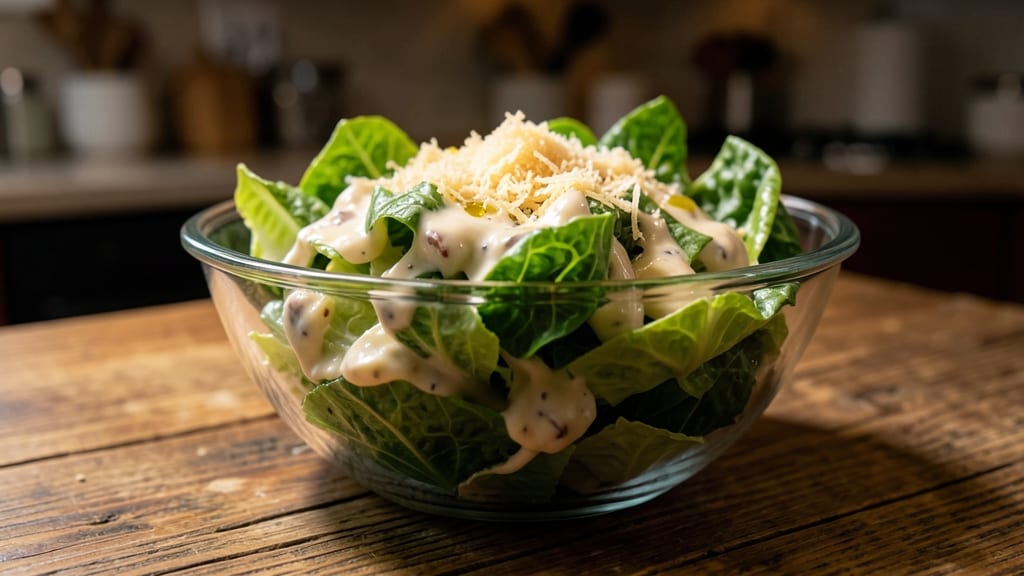
Gordon Ramsay's Caesar salad dressing recipe delivers the perfect balance of bold anchovy umami and rich parmesan creaminess—exactly what elevates a simple salad to restaurant-quality. The secret lies in emulsifying egg yolks with anchovies and garlic, then slowly incorporating warm olive oil to create a velvety, clingy dressing that coats every leaf. I've refined this recipe over years to match Ramsay's signature depth without the bitterness that plagues many homemade versions.
What sets this dressing apart is the precise ratio of ingredients: just enough Worcestershire and Dijon mustard to cut through the richness, a touch of lemon for brightness, and freshly grated parmesan for that signature salty tang.
The anchovies provide that unmistakable umami kick that defines a proper Caesar, while the egg yolks create the luxurious creaminess. This isn't just dressing—it's the foundation of a Michelin-worthy salad.
The emulsification technique is critical—adding warm oil gradually while whisking vigorously ensures a silky texture that won't break. For best results, make it fresh and use within 48 hours, though it keeps for up to 5 days in the fridge when stored properly.
The flavor develops beautifully overnight, making it ideal for meal prep when you want restaurant-quality results without the shortcuts.
Once you taste this dressing, you'll never go back to bottled versions again. The perfect balance of savory, tangy, and creamy flavors transforms even the simplest romaine into a showstopper. Whether you're dressing a classic Caesar or using it as a bold marinade, this recipe delivers professional-level results every time.
Ingredients for caesar salad dressing recipe gordon ramsay
Nine essential ingredients transform ordinary romaine into Michelin-worthy Caesar perfection.
| Ingredient | Amount | Notes |
|---|---|---|
| Fresh Anchovy Fillets 🐟 | 8 whole | High-quality, packed in oil |
| Large Egg Yolks 🥚 | 3 whole | Fresh, room temperature |
| Extra-Virgin Olive Oil 🫒 | 1 cup | Light, fruity variety |
| Freshly Grated Parmesan Cheese 🧀 | ½ cup | Parmigiano-Reggiano preferred |
| Garlic Cloves 🧄 | 2 cloves | Fresh, peeled, minced |
| Worcestershire Sauce 🍶 | 1 tbsp | Lea & Perrins preferred |
| Dijon Mustard 🌶️ | 1 tbsp | High-quality, smooth |
| Fresh Lemon Juice 🍋 | 1 ½ tbsp | From 1 small lemon |
| Kosher Salt 🧂 | ½ tsp | Diamond Crystal preferred |
| Black Pepper 🌶️ | ¼ tsp | Freshly ground |
The anchovies are non-negotiable—they deliver that signature umami punch that separates homemade Caesar from the bottled stuff. Look for high-quality fillets packed in oil at specialty stores like Whole Foods or Eataly—avoid those sad little cans that taste like cardboard. The Parmesan needs to be freshly grated Parmigiano-Reggiano—none of that pre-shredded nonsense that turns to paste. I always grab a wedge from the deli counter and grate it myself. For the olive oil, Californian or Italian varieties work best—they're light enough to not overpower the delicate flavors while still providing that fruity richness. The garlic should be fresh, never jarred, and minced just before using to preserve its punch.
No anchovies? High-quality fish sauce at half the amount can work in a pinch, though it won't be identical. Running short on Worcestershire? Substitute with a splash of soy sauce plus a pinch of sugar, but you'll lose some depth. The Dijon mustard is crucial for emulsification—don't skip it for regular mustard, which has a coarser texture. Lemon juice can be swapped for white wine vinegar if needed, though the flavor will be slightly different. For the egg yolks, always use fresh, room-temperature yolks—they emulsify so much better. If you're worried about salmonella, pasteurized eggs work perfectly. The salt and pepper are simple but essential—freshly ground black pepper makes all the difference.
This dressing is best made fresh and used within 48 hours for peak flavor, though it keeps for up to 5 days in the fridge when stored properly. Pour it into a clean jar and press a piece of parchment paper directly on the surface to prevent a skin from forming. For meal prep, I like to make a double batch and store it in 2-ounce portions—perfect for individual salads. The flavor actually develops beautifully overnight, so if you can make it ahead, do it. Just give it a good whisk before using to re-emulsify. Trust me, it's worth the extra effort for that restaurant-quality result every time.
Why You'll Love This Recipe
- No-Fuss Emulsion: I swear by this recipe because it’s the only Caesar dressing that actually sticks together—no blender, no whisking until my arm falls off. Just a mortar and pestle (or a fork, if you’re lazy) to mash those anchovies and yolks into a velvety base. Honestly, the second I taste that first bite of creamy, tangy perfection without the struggle, I’m hooked.
- Umami Bomb: That anchovy-yolk combo? It’s what turns a basic salad into a flavor event. The anchovies add this deep, briny punch, while the raw egg yolks keep it rich and luxurious—no powdered nonsense here. Between us, this is the only dressing that makes my greens taste like they belong in a Michelin-starred bistro.
- Weeknight Workhorse: I keep a jar of this in the fridge for everything—tossed with grilled chicken, drizzled over steak bites, even as a dip for crusty bread. The best part? It’s ready in 10 minutes, so it’s my go-to when I’m too tired to cook but still want something impressive. (Yes, even on a Tuesday night.)
- Budget Luxury: Fresh anchovies and Parmesan might sound fancy, but they stretch far—this dressing makes enough for four salads, and the leftovers? Still taste amazing the next day. I’ll be real: I’ve used this to turn cheap grocery-store romaine into a dish my friends beg for seconds of. That’s the magic of a little effort going a long way.
Step-by-step instructions for bold anchovy Caesar dressing
This is Ramsay-style Caesar dressing—where anchovies deliver deep umami and Parmesan shines without overpowering.
Prepare the Anchovy Base
Place the 8 whole fresh anchovy fillets in a small bowl and cover with 1 tablespoon of their packing oil. Let them soak for 5 minutes—this softens them and releases their intense, salty-sweet flavor. While they soak, finely mince the anchovies with a small knife or fork until you have a smooth paste. I like to press them against the side of the bowl to extract every bit of flavor.
This step is non-negotiable for authentic flavor. Skimping here means your dressing will lack that signature savory depth. The oil from the anchovies will also help emulsify your dressing later, so don't drain it completely. Transfer the anchovy mixture to a blender or food processor—you'll use it in the next step.
Blend the Wet Ingredients
Add the 3 whole large egg yolks, 1 cup extra-virgin olive oil, 1 tablespoon Worcestershire sauce, 1 tablespoon Dijon mustard, 1.5 tablespoons fresh lemon juice, 0.5 teaspoon kosher salt, and 0.25 teaspoon black pepper to the blender with the anchovy mixture. Blend on high speed for 1-2 minutes until completely smooth and emulsified. You're looking for a thick, velvety consistency that coats the back of a spoon.
The key here is patience—don't rush. If the mixture looks curdled at first, keep blending. The egg yolks and olive oil will eventually come together into a silky emulsion. If it's still too thick after blending, add 1 teaspoon of water at a time until it reaches a pourable consistency. This blend is the foundation of your dressing, so take your time to get it right.
Incorporate the Parmesan
With the blender still running on low speed, gradually add the 0.5 cup freshly grated Parmesan cheese through the feed tube. This slow incorporation prevents the cheese from clumping and ensures an even distribution. Once fully combined, taste the mixture and adjust seasoning if needed—you might need a touch more salt or lemon juice to balance the flavors.
Here's the thing—Gordon Ramsay's Caesar dressing relies on that perfect Parmesan-anchovy balance. The cheese should enhance the anchovies, not compete with them. If your dressing tastes too sharp, add a pinch more salt. If it's too salty, brighten it with a splash of lemon juice. The garlic cloves should be minced and added to the dressing now—this ensures their flavor infuses evenly throughout.
Rest and Refine
Transfer the dressing to a clean jar or bowl and let it rest at room temperature for at least 30 minutes. This resting period allows the flavors to meld and the emulsion to stabilize. Give it a stir before serving—this helps redistribute any separated oil or cheese that may have risen to the top during resting.
For the perfect Caesar salad, use this dressing within 24 hours for maximum freshness. If you notice any separation after resting, simply whisk or blend again until smooth. The dressing should be thick enough to coat lettuce leaves beautifully but still pourable. This is where the magic happens—the anchovies' umami, the Parmesan's nutty richness, and the lemon's brightness come together in perfect harmony.
Use Immediately for Best Results
When ready to serve, give the dressing one final taste and adjust seasoning if needed. It should be tangy, savory, and rich with a subtle garlic kick. Toss your romaine lettuce with this dressing just before serving—this prevents the leaves from wilting and ensures the crispest texture. The dressing should cling to each leaf, creating that iconic Caesar salad experience.
This is where all your hard work pays off. Each bite should deliver that perfect balance of anchovy umami, Parmesan richness, and bright acidity. Serve immediately with your favorite Caesar toppings—crispy croutons, shaved Parmesan, and a sprinkle of black pepper—to complete the dish. Enjoy your restaurant-quality Caesar salad dressing!
Pro Tips For Making Caesar Salad Dressing Recipe Gordon Ramsay
- Rinse Anchovies First: Soak those anchovy fillets in cold water for 10 seconds before mincing—it cuts the saltiness without diluting their flavor. I learned this the hard way when my first batch tasted like a salt lick instead of a dressing.
- Temper the Yolks: Whisk the egg yolks with a splash of warm water or olive oil first, then add the anchovies. This prevents scrambling when the cold garlic and Parmesan hit—trust me, you don’t want to salvage curdled eggs mid-recipe.
- Grate Parmesan Coarse: Use a box grater, not pre-shredded cheese—those anti-caking agents turn your dressing into a grainy mess. Freshly grated Parmesan also melts better and adds that real depth of flavor.
- Toast the Garlic: Sauté the minced garlic in olive oil for 30 seconds until just golden—it mellows the bite and adds a nutty aroma. Cold garlic? Your dressing will taste raw and sharp, no matter how much you stir.
Troubleshooting perfect results
Emulsion Breakdown Fix
If your dressing separates, don't panic—this happens when oil and water-based ingredients aren't properly emulsified. First, whisk vigorously for 1-2 minutes to re-combine the ingredients. For stubborn separations, add 1 teaspoon of warm water or 1 tablespoon of olive oil (depending on which phase is dominant) and blend again.
I've found that using a handheld immersion blender works wonders for quick fixes—just blend directly in the jar until smooth. 💫
Anchovy Overpowering
Too much anchovy flavor? The key is balance—add ½ teaspoon more Dijon mustard or 1 teaspoon lemon juice to cut through the saltiness. If the dressing tastes overly fishy, a pinch of sugar (about ¼ teaspoon) helps mellow the intensity.
For future batches, reduce anchovies to 6 fillets if you prefer a milder profile. Always taste as you go!
Grainy Texture Issues
Gritty texture usually means the Parmesan wasn't properly incorporated. Start fresh by blending the cheese with 1 tablespoon of warm water until smooth, then reincorporate into your dressing. I swear by using a fine-mesh sieve when grating Parmesan to eliminate any cheese clumps before adding it.
For extra smoothness, strain the finished dressing through a fine-mesh sieve before serving.
Too Thick Consistency
If your dressing is too thick to pour, thin it gradually with warm water (not cold) or extra-virgin olive oil—start with ½ teaspoon at a time. The goal is a consistency that coats the back of a spoon but still flows easily.
For future batches, reduce egg yolks to 2 instead of 3 if you prefer a lighter dressing. Remember, the dressing should cling to lettuce without making it soggy. 🥗
Flat or Bland Flavor
Lacking depth? Boost umami with an extra ½ teaspoon of Worcestershire sauce or ¼ teaspoon of fish sauce. For saltiness, add more Parmesan (up to ¼ cup extra) or a pinch of kosher salt.
If it's too mild, a splash of lemon juice or white wine vinegar adds brightness. Pro tip: Toast 1 minced garlic clove in olive oil for 30 seconds before adding it to intensify the flavor.
Storage Separation
Even properly stored dressing may separate after refrigeration. Before using, whisk vigorously or blend until smooth. For long-term storage, add 1 teaspoon of xanthan gum per quart of dressing to prevent separation.
I store my dressing in glass jars with tight-sealing lids and press parchment paper directly on the surface to minimize oxidation. If you notice mold after 5 days, discard it—safety first! 🧂
Nutrition facts
Frequently asked questions
Why does Gordon Ramsay's Caesar dressing use anchovies?
Anchovies provide that signature umami depth that separates homemade Caesar from bottled versions. Their salty-sweet intensity balances the richness of the Parmesan and egg yolks, creating that iconic savory flavor. Without them, your dressing will taste flat and lack the restaurant-quality complexity Ramsay's recipe delivers.
Can I make this dressing without raw egg yolks?
Yes! For a safer version, use pasteurized egg yolks or substitute with ¼ cup mayonnaise plus 1 tablespoon extra olive oil. The texture will be slightly different but still delicious. Always handle raw eggs carefully if using traditional yolks.
How do I prevent my Caesar dressing from separating?
Emulsification is key—add warm olive oil very slowly while blending on high speed. For extra stability, chill the dressing for 30 minutes before using. If separation happens, whisk vigorously or blend again until smooth. A splash of lemon juice can also help re-stabilize the emulsion.
What's the best way to store leftover dressing?
Transfer to a clean jar, press parchment paper directly on the surface, and refrigerate for up to 5 days. The flavor actually improves overnight! For longer storage, freeze in 1-ounce portions—thaw in the fridge before using. Never freeze with metal utensils.
Can I use this dressing on other dishes besides salads?
Try it as a marinade for grilled chicken or shrimp, a dip for crostini, or even a sauce for pasta. The anchovy base makes it versatile—just adjust salt levels based on your protein. For grilled meats, reduce Worcestershire to ½ tablespoon to prevent overpowering flavors.