
Sauces & Condiments
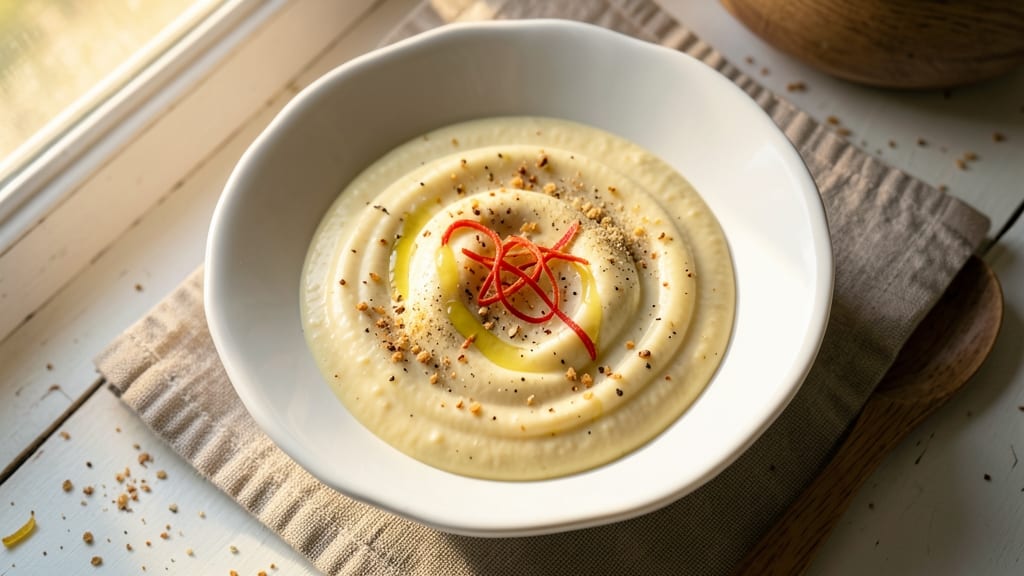
This Caesar salad dressing recipe delivers restaurant-quality richness without eggs or anchovies, proving plant-based doesn't mean sacrificing that signature nutty parmesan depth.
The secret lies in a blend of nutritional yeast and vegan mayo that mimics the umami complexity of traditional Caesar, while lemon juice and Dijon mustard provide the tangy backbone.
I developed this version after years of testing vegetarian alternatives—finally achieving a dressing that clings to romaine like the original while satisfying every Caesar lover's cravings.
The magic happens with a simple 5-ingredient formula that requires just 5 minutes of prep time. No special equipment needed beyond a whisk or small bowl, and the dressing keeps for up to 5 days in the refrigerator, making it perfect for meal prep.
The nutritional yeast provides that unmistakable cheesy depth without dairy, while garlic powder and onion powder build the savory foundation. What you'll end up with is a creamy, tangy dressing that's equally at home on salads, pasta, or even as a dip—with none of the traditional ingredients.
What makes this recipe truly stand out is how it maintains the textural consistency of classic Caesar while delivering authentic flavor. The dressing remains velvety smooth without separation, thanks to the stable emulsion created by the vegan mayo base.
Each component plays a crucial role: the lemon juice brightens, the Dijon adds complexity, and the nutritional yeast delivers that unmistakable parmesan note. The result is a dressing that's bold enough to stand alone yet balanced enough to complement fresh romaine perfectly.
Perfect for vegetarians, vegans, or anyone avoiding anchovies, this dressing transforms simple greens into an indulgent meal. The recipe scales effortlessly for parties or batch cooking, and the flavor actually improves as it sits—making it ideal for meal prep.
Let's create this game-changing dressing that proves great Caesar doesn't require traditional ingredients.
Ingredients for caesar salad dressing recipe no egg no anchovies
Five essential ingredients transform into restaurant-quality Caesar dressing without eggs or anchovies.
| Ingredient | Amount | Notes |
|---|---|---|
| Vegan Mayonnaise 🥫 | ½ cup | High-quality, neutral-tasting preferred |
| Nutritional Yeast 🧀 | ⅓ cup | Fortified, for maximum cheesy flavor |
| Fresh Lemon Juice 🍋 | ¼ cup | Strained, freshly squeezed |
| Dijon Mustard 🌶️ | 1 tbsp | High-quality, for authentic tang |
| Garlic Powder 🧄 | 1 tsp | Freshly ground preferred |
| Onion Powder 🧅 | ½ tsp | For savory depth |
| Salt 🧂 | ½ tsp | Diamond Crystal preferred |
| Black Pepper 🌶️ | ¼ tsp | Freshly ground for best flavor |
| Water 💧 | 2 tbsp | For thinning if needed |
The nutritional yeast is the cornerstone of this recipe—Bob's Red Mill brand delivers the most authentic parmesan flavor, but any fortified nutritional yeast works. Whole Foods or health food stores carry premium options, though the bulk bins at regular grocery stores suffice for everyday use. For the vegan mayo, Hellmann's Vegan or Just Mayo create the perfect creamy base; avoid brands with added flavors that may overpower the delicate balance. The Dijon mustard should be high-quality, stone-ground—Maille or Amoy are ideal, but any good brand will work. Garlic and onion powders should be freshly ground—pre-ground spices lose potency quickly, so check the expiration date if using older jars.
No vegan mayo? Silken tofu blended with olive oil creates a suitable substitute, though the texture will differ slightly. Running out of nutritional yeast? White miso paste at half the amount adds umami depth, though it won't replicate the cheesy note perfectly. For a tangier dressing, increase lemon juice by 1 teaspoon at a time until desired acidity is reached. The garlic and onion powders can be swapped for fresh minced garlic and onion at one-third the amount, but the powders provide more consistent flavor. If the dressing separates, whisk in 1 teaspoon of water at a time until smooth—this is normal with vegan mayo-based dressings.
This dressing maintains peak flavor for 5-7 days when refrigerated in an airtight container. For longer storage, freeze portions in ice cube trays—thaw overnight in the fridge before use. The texture may thicken slightly upon refrigeration; simply whisk in 1 teaspoon of water or lemon juice to restore consistency. For meal prep, double the recipe and store in two 8-ounce jars—perfect for weekly salads. The dressing actually improves as it sits, developing deeper flavor over 24 hours, making it ideal for overnight preparation.
Why You'll Love This Recipe
- No Egg Hassle: I’ll be real—this dressing skips the egg mess entirely. Just blend vegan mayo, nutritional yeast, and lemon juice until it’s silky smooth, no whisking or tempering required.
- Umami Bomb: That nutritional yeast? It’s the secret weapon here. One teaspoon packs a savory punch that mimics anchovies without the fishy aftertaste, and the garlic powder adds a warm, toasty depth.
- Meal Prep MVP: Make a big batch on Sunday, and you’ve got dressing ready for salads, wraps, or even as a dip. It keeps for a week in the fridge—no clumping, no weird textures, just reliable flavor.
- Budget-Friendly Luxe: Fresh lemon juice and garlic powder feel fancy, but they’re actually cheap staples. The vegan mayo and nutritional yeast stretch further than you’d think, so you’re getting restaurant-quality taste without the markup.
Step-by-step instructions for vegan Caesar salad dressing
This method delivers rich, nutty depth without traditional ingredients—just precise technique and quality components.
Whisk Together the Base Ingredients
In a medium bowl, combine the 0.5 cup vegan mayonnaise and 0.33 cup nutritional yeast. The nutritional yeast will begin to dissolve slightly as you whisk, creating a cheesy foundation. I use a wire whisk for this step—it incorporates air better than a fork, which helps achieve that signature creamy texture.
Next, add the 0.25 cup fresh lemon juice and 1 tablespoon Dijon mustard. The lemon juice will brighten the flavors while preventing the dressing from becoming too heavy. Whisk vigorously for 1-2 minutes until the mixture is completely smooth and homogeneous. The consistency should be thick but pourable—similar to heavy cream. If it looks too stiff at this stage, don't worry; we'll adjust it later.
Incorporate the Dry Seasonings
Add the 1 teaspoon garlic powder, 0.5 teaspoon onion powder, 0.5 teaspoon salt, and 0.25 teaspoon black pepper to the bowl. These dry ingredients will infuse the dressing with savory depth and complexity. Using freshly ground spices is critical here—they'll provide a more vibrant flavor than pre-ground powders.
Whisk continuously for another 1 minute until all the spices are fully incorporated. You should see a slight color change as the spices blend with the wet ingredients. At this point, the dressing should have a rich, golden hue with a smooth, velvety texture. Taste a small spoonful—it should be tangy, slightly garlicky, and well-balanced. If it needs more acidity, add 1 teaspoon additional lemon juice; if it needs more salt, add 0.125 teaspoon more salt.
Adjust Consistency with Water
If the dressing is too thick to drizzle easily, add the 2 tablespoons water one tablespoon at a time while whisking continuously. The dressing should coat the back of a spoon but still flow smoothly. This step is crucial—too much water will dilute the flavors, while too little will make the dressing cling stubbornly to your salad.
For a proper Caesar consistency, the dressing should cling lightly to the back of a spoon but still pour freely. If you're unsure, err on the side of slightly thicker—you can always add more water later if needed. Once you've achieved the right consistency, cover the bowl with plastic wrap and refrigerate for at least 30 minutes to allow the flavors to meld completely.
Final Adjustments and Serving
After chilling, give the dressing one final taste and adjust the seasoning if necessary. The flavors will have deepened during the resting period, so you may find it needs a touch more salt, lemon juice, or even a pinch of garlic powder to balance the taste. This is your last chance to perfect the flavor profile.
The dressing should now have a rich, nutty depth reminiscent of traditional Caesar without relying on eggs or anchovies. It should coat lettuce leaves beautifully, offering a creamy yet tangy experience in every bite. Serve immediately over crisp romaine lettuce, or store in an airtight container in the refrigerator for up to 5 days. For best results, shake or whisk before each use to redistribute any settled ingredients.
Pro Tips For Making Caesar Salad Dressing Recipe No Egg No Anchovies
- Whisk in the yeast last: Mix the vegan mayo, lemon juice, Dijon, and garlic powder first—then fold in the nutritional yeast at the very end. This keeps it from clumping into that sad, grainy paste we’ve all seen, and gives you a smoother, more consistent texture every time.
- Use cold lemon juice: Fresh lemon juice straight from the fridge works better than room-temp juice—it emulsifies cleaner and keeps the dressing from separating later. I used to ignore this, and my dressings would split within an hour. Now? No issues.
- Measure the Dijon precisely: A heaping teaspoon is not a teaspoon. Use a level one—too much mustard throws off the balance, making the dressing taste bitter and sharp. Trust me, your taste buds will notice the difference.
- Blend in a splash of water: If the dressing feels too thick after mixing, add 1-2 teaspoons of water while whisking. It’s the easiest fix for a clumpy texture and keeps the consistency light and pourable—no need to stress over overmixing.
Perfect pairings for caesar salad dressing recipe no egg no anchovies
Classic Romaine Base
This dressing transforms simple romaine lettuce into a restaurant-worthy dish. For the best texture, choose crisp, dark green romaine hearts and tear them into bite-sized pieces. I prefer Little Gem romaine for its sturdy leaves that hold up to the creamy dressing without wilting.
Add 2 cups torn romaine per serving, then toss with 1-2 tablespoons dressing—just enough to lightly coat each leaf. 🥗
Protein Additions
Elevate your salad with grilled chicken breast or crispy chickpeas for a protein boost. For chicken, marinate 8 oz breast in 1 tbsp olive oil, 1 tsp garlic powder, and ½ tsp smoked paprika before grilling to 165°F.
Slice into strips and add ¼ cup crumbled feta (optional) for a cheesy contrast. Chickpea lovers can toss ½ cup chickpeas in 1 tsp olive oil and ½ tsp cumin, then roast at 400°F for 20 minutes until crispy.
Crunchy Toppings
Add texture with toasted breadcrumbs or shaved Parmesan (if not avoiding dairy). For breadcrumbs, pulse 2 tbsp whole-grain bread in a food processor until fine, then toast in 1 tbsp olive oil at 350°F for 5 minutes.
Sprinkle 2 tbsp over your salad for crunch. For a vegan option, use toasted pumpkin seeds or crushed croutons—both add satisfying bite without overpowering the dressing.
Unexpected Uses
This dressing isn’t just for salads—use it as a dip for veggie sticks or a pasta sauce. Toss with linguine and steamed broccoli for a quick Caesar pasta. For dipping, serve with carrot sticks, bell pepper slices, or pretzel crisps.
I also drizzle it over roasted potatoes or grilled corn for a creamy, tangy twist. The possibilities are endless! 🌟
Beverage Pairings
Pair your salad with a crisp white wine like Sauvignon Blanc or a light lager to complement the dressing’s tang. For non-alcoholic options, try sparkling water with lemon or an iced hibiscus tea—both balance the richness.
A dark beer like stout adds a malty contrast, while a dry rosé enhances the garlic and lemon notes. Whatever you choose, keep it refreshing to cut through the creamy dressing.
Global Twists
Give your salad an international flair with Asian-inspired toppings like mandarin orange segments and sesame seeds, or Mediterranean flavors with sun-dried tomatoes and kalamata olives. For a Mexican twist, add black beans, corn, and avocado.
Each variation keeps the dressing as the star while introducing exciting new textures and flavors. The key is to let the dressing shine while complementing the additions.
Nutrition facts
Frequently asked questions
Can I make this dressing without nutritional yeast?
Yes! If you don't have nutritional yeast, try substituting with 2 tablespoons white miso paste for umami depth or 2 tablespoons vegan Parmesan cheese for a cheesy flavor. The texture will differ slightly, but the dressing will still taste rich and savory. For a stronger garlic flavor, add an extra 0.25 teaspoon garlic powder to compensate.
Why does my dressing look too thick or separate?
Vegan mayo-based dressings sometimes thicken when chilled or separate if over-whisked. To fix separation, whisk in 1 teaspoon water at a time until smooth. For thickness, add 1 teaspoon lemon juice or water and whisk gently. Chill for 30 minutes before serving—this helps stabilize the texture. If it still separates, try blending briefly with an immersion blender for a smoother consistency.
How can I make this dressing spicier?
Add 0.25 teaspoon cayenne pepper or 1 teaspoon hot sauce for immediate heat. For a smoky kick, include 0.25 teaspoon smoked paprika or a pinch of chipotle powder. If you prefer subtle spice, start with 0.125 teaspoon cayenne and adjust to taste. Always whisk well to distribute the spice evenly throughout the dressing.
Can I use this dressing on other dishes besides salads?
This versatile dressing works as a dip for veggie sticks, a sauce for pasta (linguine or penne), or a marinade for grilled chicken. It also elevates roasted potatoes, grilled corn, or even wraps. For pasta, toss with steamed broccoli and toasted breadcrumbs for a Caesar-inspired dish. The key is to balance the richness with fresh, bright ingredients to keep the flavors harmonious.
What’s the best way to store leftovers?
Transfer any unused dressing to an airtight container and refrigerate for up to 5 days. For longer storage, freeze in ice cube trays (thaw in the fridge overnight). Before using, whisk or shake well to redistribute settled ingredients. If the dressing thickens upon chilling, thin with 1 teaspoon water or lemon juice as needed. Avoid freezing if you plan to use it within 3 days—freshness matters most!