
Sauces & Condiments
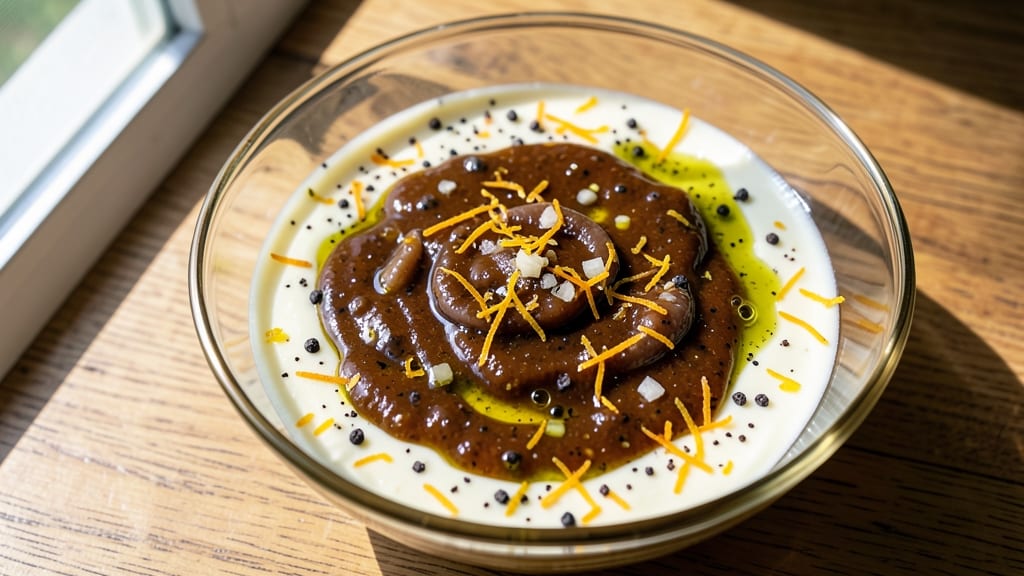
This Caesar salad vinaigrette recipe delivers restaurant-quality depth without heavy mayo, using a bold anchovy base that transforms ordinary greens into something extraordinary. The secret lies in balancing umami-rich anchovies with sharp lemon and Dijon mustard, creating a dressing that clings perfectly to romaine while delivering layers of savory complexity.
I developed this version after years of testing—it’s the one that finally convinced even anchovy skeptics to take a second bite.
The foundation starts with finely minced anchovies, which dissolve into the dressing to create that signature Caesar flavor without overpowering. A touch of Dijon mustard adds tangy depth, while fresh lemon juice brightens the profile and prevents the dressing from becoming too heavy.
High-quality extra-virgin olive oil provides richness, and a sprinkle of freshly grated Parmesan contributes nutty, salty notes that elevate every component.
What makes this recipe stand out is its versatility—it works equally well as a standalone dressing or as a base for creamy Caesar variations. The emulsification process ensures a silky texture that won’t separate, even when tossed with wet ingredients.
With just 10 minutes of prep and a 1-cup batch that keeps for up to 5 days in the fridge, this is the dressing that transforms a simple salad into a standout dish.
For those who prefer a lighter option, simply reduce the olive oil slightly and add a splash of water to adjust consistency. The anchovy flavor develops more intensely when the dressing sits for at least 30 minutes, so plan ahead for maximum impact.
This isn’t just another Caesar dressing—it’s a game-changer for anyone who wants bold flavor without the heaviness.
Ingredients for caesar salad vinaigrette
Restaurant-quality flavor starts with these ten essential ingredients, balancing umami and acidity for perfect Caesar depth.
| Ingredient | Amount | Notes |
|---|---|---|
| Anchovy Fillets 🐟 | 4 whole | Finely minced, high-quality preferred |
| Dijon Mustard 🍯 | 1 ½ tbsp | High-quality, smooth texture |
| Extra-Virgin Olive Oil 🫒 | ¾ cup | Fruity, peppery variety preferred |
| Fresh Lemon Juice 🍋 | 3 tbsp | Freshly squeezed, no pulp |
| Shallot 🧅 | 1 whole | Minced fine, 1 tbsp equivalent |
| Garlic Cloves 🧄 | 2 cloves | Minced fine, 1 tsp equivalent |
| Parmesan Cheese 🧀 | ½ cup | Freshly grated, fine texture |
| Water 💧 | 2 tbsp | For emulsification, room temperature |
| Black Pepper 🌶️ | ¼ tsp | Freshly ground, coarse grind |
| Sea Salt 🧂 | ½ tsp | Fine grain, Diamond Crystal preferred |
The anchovies are non-negotiable for authentic flavor—Cristal or Colmex brands are industry standards, but any high-quality fillets work. Shallots add subtle sweetness; Whole Foods or specialty markets carry them fresh year-round, though most grocery stores stock them in the produce section. The Dijon mustard should be smooth, not grainy—Maille or whole-grain mustard both work, but avoid powdered versions. For the olive oil, California or Italian varieties provide the best fruity depth, though any extra-virgin will suffice in a pinch.
No anchovies? High-quality fish sauce at half the amount mimics the umami, though the flavor profile shifts slightly. Substitute shallots with 1 tbsp minced red onion if needed, though they add a sharper bite. For a lighter dressing, reduce the olive oil by 2 tbsp and add an extra 1 tbsp water to maintain emulsification. The Parmesan must be freshly grated—pre-shredded contains anti-caking agents that prevent proper dissolution. If you're sensitive to anchovies, miso paste at 1 tsp provides umami depth without the fishy aftertaste.
This dressing develops flavor as it sits—let it rest 30 minutes before serving for maximum impact. Store in an airtight container in the fridge for up to 5 days, though the texture may thin slightly over time. For best results, whisk vigorously before each use. The emulsification process means it won't separate if properly mixed, making it ideal for both dry and wet salads. Freezing isn't recommended as it alters the texture, but you can make a double batch and use half immediately.
Why You'll Love This Recipe
- Five-Ingredient Magic: I swear by this combo—just mash anchovies with Dijon, drizzle in olive oil, and squeeze lemon over shallots. That’s it. No blender, no stress, just pure umami punch in minutes.
- Umami Bomb: Honestly, the anchovies and shallots do all the heavy lifting here. You get that deep, savory kick without overpowering the crisp greens—like a secret weapon in a jar.
- Pantry Staple Power: Between us, this dressing lasts forever in my fridge. I toss it on everything—grilled chicken, roasted veggies, even scrambled eggs—because why not? The lemon keeps it bright, the oil keeps it rich.
- Budget Brightener: Anchovies and Dijon stretch this recipe’s value. A few fillets and a small jar of mustard turn into enough dressing for weeks, and it’s cheaper than store-bought garbage. Win-win for my wallet and taste buds.
Step-by-step instructions for Caesar salad vinaigrette
This method delivers a velvety, anchovy-forward dressing with perfect balance and texture.
Prepare the Anchovy and Mustard Base
Place the 4 whole anchovy fillets in a small bowl and cover with the 3 tablespoons fresh lemon juice. Let them soak for 5 minutes while you prepare the remaining ingredients. This acid marinade softens the anchovies and prevents them from overpowering the dressing later. The lemon also helps dissolve their salty depth more evenly.
After soaking, transfer the anchovies and their lemon juice to a food processor or high-powered blender. Add the 1.5 tablespoons Dijon mustard and process until completely smooth. This step creates the flavor foundation—don't skip it. The mustard's tang will complement the anchovies' umami while helping emulsify the final dressing. You should have a thick, paste-like consistency at this stage.
Incorporate Aromatics and Cheese
Finely mince the 1 whole shallot and 2 cloves garlic using a chef's knife—you want a texture similar to wet sand. Add these to the food processor along with the 0.5 cup finely grated Parmesan cheese. Pulse just until combined, being careful not to over-process the cheese or it will turn grainy. The shallot adds subtle sweetness while the garlic provides depth, and the Parmesan contributes that signature nutty, salty backbone.
With the processor running, very slowly drizzle in the 0.75 cup extra-virgin olive oil. This gradual incorporation creates a stable emulsion rather than a separated vinaigrette. The oil should blend smoothly, and the mixture should thicken noticeably. If it looks too thick, add 1 tablespoon of the 2 tablespoons water at a time until you reach a pourable but still creamy consistency—think heavy cream rather than thin sauce.
Season and Emulsify
Transfer the dressing to a mixing bowl and stir in the 0.5 teaspoon sea salt and 0.25 teaspoon black pepper. Taste immediately—the anchovies should be noticeable but not overpowering, with bright lemon acidity cutting through. If needed, adjust seasoning: add more salt if it's bland, or a splash of lemon juice if it needs more brightness. The dressing should taste complex but balanced, with umami from the anchovies, saltiness from the cheese, and acidity from the lemon.
For the final step, whisk vigorously for 2-3 minutes until the dressing reaches a velvety, homogeneous texture. The longer you whisk, the more stable the emulsion becomes. You'll know it's ready when it coats the back of a spoon smoothly without separating. If it starts to thin out too much, add another 1 tablespoon water and whisk again. This dressing should cling beautifully to romaine without making it soggy.
Pro Tips For Making Caesar Salad Vinaigrette
- Mash Those Anchovies: Crush them with the flat side of your knife or a spoon—this releases their umami punch without turning your dressing into a paste. I used to just drop them in whole, and the flavor felt half-hearted.
- Toast the Shallot: Sauté it in olive oil until golden, not brown—about 3 minutes on medium heat. Cold shallot? Bland vinaigrette. Toasted shallot? The thing that makes your dressing taste like a restaurant.
- Whisk in Stages: Start with mustard and lemon, then add oil drop by drop while whisking like you’re trying to win an egg-beater contest. Stop when it emulsifies—adding too much oil too fast ruins the balance.
- Use Lemon Zest: A pinch of zest brightens the whole thing without extra liquid. I skipped it for years, then realized how much it lifts the anchovy funk and rounds out the shallot’s bite. (Yes, even if you’re impatient like me.)
Regional styles of this recipe
Classic Roman Roots
The Caesar salad we know today was popularized by Caesar Cardini in Tijuana, Mexico in the 1920s, but its vinaigrette traces back to ancient Roman garum—a fermented fish sauce used for depth.
Traditional Roman dressings relied on garum (or its modern equivalent, anchovies) and olive oil, just as this recipe does. The original Caesar dressing was actually mayo-based, but this anchovy vinaigrette stays truer to the Roman roots while delivering modern convenience. 🌍
Italian Influence
Italian immigrants brought their love of garlic, Parmesan, and lemon to California, shaping the Caesar salad's evolution. The Dijon mustard in this recipe mirrors Italian agrodolce (sweet-sour) dressings, while the Parmesan adds that signature Italian umami.
Many Italian regions use anchovies in their dressings, particularly in Tuscany and Liguria, where they're minced into pesto and condiments. This vinaigrette bridges the gap between Roman and Italian techniques beautifully.
Modern California Twist
When Caesar Cardini created his salad in San Diego, he adapted it for local ingredients—romaine lettuce (abundant in California) and anchovies (common in Mediterranean trade).
Today, California chefs often lighten traditional Caesar dressings by reducing mayo and increasing acidity, which this vinaigrette does with lemon juice and shallots. The extra-virgin olive oil used here reflects California's olive oil boom, with many brands like Corto or Lucini becoming staples in home kitchens. 🫒
Global Adaptations
In Japan, Caesar dressings often include mirin for sweetness, while Scandinavian versions might swap anchovies for fermented herring. This recipe keeps the authentic umami but stays versatile enough for global twists—just add 1 tsp mirin for a Japanese-inspired touch or 1 tsp honey for a sweeter profile.
The emulsification technique (slow oil addition) ensures it works worldwide, whether paired with crispy chicken in Asia or grilled fish in Europe.
Restaurant Secrets
High-end restaurants often double the anchovies for intensity but balance it with extra lemon to prevent overpowering.
Many chefs also infuse the olive oil with garlic or shallots before using it in the dressing—simply steep ½ cup oil with 1 minced garlic clove for 10 minutes before adding it to the recipe.
The Parmesan should always be freshly grated—pre-shredded versions contain anti-caking agents that ruin the texture. These pro tips elevate this dressing from home-cooked to restaurant-worthy in minutes. ✨
Nutrition facts
Frequently asked questions
Can I make this vinaigrette without anchovies?
Yes! For a vegetarian version, replace the anchovies with 1.5 tablespoons high-quality fish sauce or 1 teaspoon miso paste. The umami depth will be slightly different but still delicious. If you're avoiding fish entirely, try 1 tablespoon soy sauce or ½ teaspoon nutritional yeast for a plant-based alternative. Adjust seasoning afterward—you may need extra salt or lemon juice to balance the flavors.
Why does my dressing separate when I add the olive oil?
Separation happens when oil is added too quickly or the base ingredients aren't properly emulsified. Always drizzle the oil in a very slow stream while blending or whisking continuously. The Dijon mustard and anchovies create natural emulsifiers—if your dressing still breaks, add 1 teaspoon of water or lemon juice and whisk vigorously for 1-2 minutes. For extra stability, whisk in 1 teaspoon of cornstarch or arrowroot powder dissolved in water.
How long can I store this dressing, and can I freeze it?
Store the vinaigrette in an airtight container in the fridge for up to 5 days. The texture may thin slightly over time, so whisk before using. Freezing isn't recommended because it can break the emulsion and alter the texture—water crystals form and disrupt the silky consistency. If you need to make ahead, prepare it 1 day in advance and let it rest in the fridge to develop flavors fully.
Can I use this dressing on foods other than salad?
This bold vinaigrette works beautifully as a marinade for grilled chicken or fish, a dip for crudités, or even a sauce for pasta. For marinades, reduce the water slightly (1 tablespoon) and add 1 teaspoon of honey to balance the acidity. The anchovy depth pairs especially well with seared scallops or roasted vegetables. Just adjust consistency with water or oil as needed for your application.
What's the best way to remove anchovy flavor if I don't like it?
If anchovies are too strong, balance them with extra lemon juice (1 additional tablespoon) or sweetness like 1 teaspoon honey or maple syrup. The acidity and sweetness will mellow the umami. For a milder profile, reduce the anchovies to 2 fillets and add ½ teaspoon of white miso paste to maintain depth without overpowering. Always taste as you go—this dressing is highly customizable!