
Sauces & Condiments
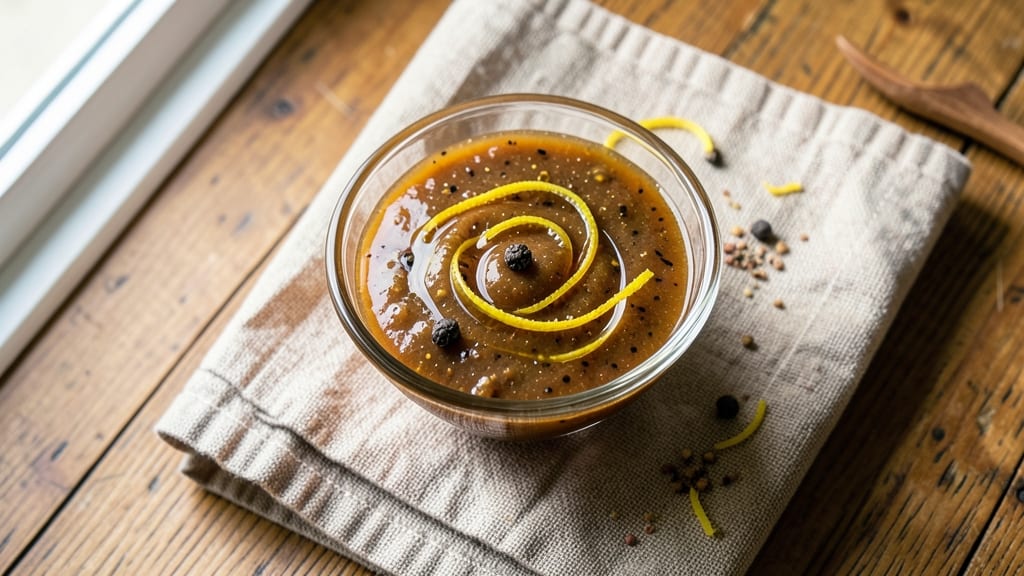
This Café Geneva salad dressing recipe delivers the sophisticated, umami-rich balance that makes classic French bistro salads unforgettable. The secret lies in the unexpected marriage of salty anchovies, tangy balsamic vinegar, and fresh herbs like tarragon and chervil—elements that transform simple greens into a restaurant-worthy experience.
What sets this dressing apart is its ability to emulsify perfectly, creating a silky texture that clings to every leaf without overpowering delicate flavors.
The foundation begins with a smooth blend of Dijon mustard and olive oil, which acts as the stable base for emulsification. Anchovy fillets dissolve into the mixture, infusing it with deep, briny notes that anchor the dressing's complexity.
Fresh lemon juice brightens the profile, while a touch of honey balances the acidity, ensuring each drizzle adds both depth and harmony. This dressing isn't just for salads—it elevates grilled vegetables, seafood, and even roasted meats with equal finesse.
What makes this recipe truly professional is the emulsification technique, which guarantees a dressing that stays creamy and cohesive for days. The ingredients come together in minutes, yet the flavor develops even more richness when allowed to rest.
Whether you're dressing a classic Niçoise salad or drizzling it over seared scallops, the result is a dressing that feels both indulgent and refined—without requiring advanced skills.
The best part? This dressing keeps beautifully in the refrigerator for up to a week, making it the perfect make-ahead solution for busy weeks. A splash of water or additional vinegar can adjust the consistency as needed, ensuring it's always ready to elevate your dishes.
Let's create this dressing that tastes like a Parisian bistro in your own kitchen.
Ingredients for cafe geneva salad dressing
Nine ingredients blend into a dressing that transforms simple salads into bistro-worthy masterpieces.
| Ingredient | Amount | Notes |
|---|---|---|
| Dijon Mustard 🧂 | 2 tbsp | High-quality for emulsification |
| Anchovy Fillets 🐟 | 4 whole | High-quality, packed in oil |
| Extra-Virgin Olive Oil 🫒 | ¾ cup | Light, fruity variety preferred |
| Balsamic Vinegar 🍷 | ¼ cup | Aged, dark balsamic preferred |
| Fresh Lemon Juice 🍋 | 2 tbsp | Freshly squeezed, strained |
| Honey 🍯 | 1 tbsp | Wildflower or clover honey |
| Fresh Tarragon 🌿 | ¼ cup | Finely chopped, stems removed |
| Fresh Chervil 🌿 | 0.15 cup | Finely chopped, delicate flavor |
| Garlic Cloves 🧄 | 1 clove | Minced, for depth of flavor |
| Water 💧 | ¼ cup | For thinning if needed |
The anchovies are non-negotiable here—they bring that signature umami depth that defines Café Geneva style. Look for high-quality fillets packed in oil (like Colavita or Import Foods brands), not the cheap canned kind. Fresh tarragon and chervil elevate this beyond basic vinaigrettes—grab them at specialty markets or well-stocked grocery stores like Whole Foods or Trader Joe's. The Dijon mustard should be smooth, not coarse, to ensure proper emulsification. If you can't find fresh chervil, substitute flat-leaf parsley at half the amount, though it won't be identical. For the olive oil, avoid strong, peppery varieties—you want something light and fruity that won't overpower the delicate herbs.
No anchovies? Replace with 1 tbsp capers and 1 tsp fish sauce, though the flavor will shift slightly. The balsamic vinegar can be swapped for red wine vinegar plus 1 tsp balsamic glaze if you're in a pinch. If your honey crystallizes, warm it gently in a bowl over hot water to restore its liquid form. The garlic is optional but recommended—it adds another layer of complexity that pairs beautifully with the anchovies. For a smoother texture, blend the anchovies with the mustard first before adding liquids. This dressing relies on proper emulsification, so avoid adding all the water at once—start with just 1 tbsp and adjust as needed.
This dressing keeps beautifully for up to 1 week in an airtight container in the fridge, though the flavors deepen after 24 hours. If it thickens, add a splash of water or vinegar to restore consistency. For best results, shake or whisk before each use—the ingredients naturally separate over time. Portion into small jars if you plan to use it frequently, as repeated opening can cause oxidation. The anchovy flavor actually improves with resting, so make it a day ahead for optimal flavor.
Why You'll Love This Recipe
- Five-Ingredient Magic: I swear by this combo—just mustard, anchovies, olive oil, balsamic, and lemon. No fancy techniques, no stress. The anchovies dissolve right into the mix, so you barely even notice you’re using them (but trust me, they’re the secret).
- Umami Bomb: That first taste? Chef’s kiss. The anchovies bring this deep, salty richness that pairs perfectly with the bright lemon and tangy balsamic. It’s the kind of dressing that makes even a simple salad feel like a restaurant-worthy bite.
- Works Everywhere: Drizzle it on greens, toss it with roasted veggies, or use it as a marinade for chicken. Honestly, I’ve even used it to finish off a bowl of pasta—yes, even on a Tuesday night. The balance of flavors holds up no matter what you throw at it.
- Makes Leftovers Shine: A little goes a long way, and this dressing keeps for weeks in the fridge. I’ll be real: I’ve had a jar of it sitting for months, and it still tastes fresh. Plus, the ingredients are affordable, so you’re not breaking the bank for something this versatile.
Step-by-step instructions for café geneva salad dressing
This dressing delivers an elegant balance of umami, acidity, and herbal brightness that defines Café Geneva's signature style.
Create the Anchovy-Balsamic Base
In a small bowl, combine the 2 tablespoons Dijon mustard, 4 whole anchovy fillets (chopped finely), 0.25 cup balsamic vinegar, and 1 tablespoon honey. The anchovies will dissolve into the mixture, creating a rich umami foundation. I like to use a fork to break them down completely—this ensures even distribution of their salty depth throughout the dressing.
Add the 1 minced garlic clove and stir until fully incorporated. The garlic should be completely minced into tiny pieces so it doesn't create texture in the final dressing. Let this mixture sit for 5 minutes—this resting period allows the flavors to meld before we incorporate the oils. You'll notice the anchovies begin to soften and blend seamlessly into the mixture.
Gradually Emulsify the Olive Oil
With a whisk, slowly drizzle in the 0.75 cup extra-virgin olive oil while continuously whisking. Start with just a few drops at first, then gradually increase to a steady stream. This gradual addition is crucial—it allows the mustard to properly emulsify the oil rather than creating a separated dressing. The mixture should begin to thicken slightly as you whisk.
Continue whisking vigorously for 2-3 minutes until the dressing becomes thick and creamy. You'll know it's emulsified properly when it holds its shape when drizzled—no oil separation should occur. If it's still too thick after whisking, add 1 tablespoon of the reserved water and whisk again until smooth. This step is where the magic happens, transforming simple ingredients into a luxurious dressing.
Incorporate the Fresh Herbs and Acid
Add the 0.25 cup finely chopped fresh tarragon and 0.15 cup finely chopped fresh chervil to the dressing. These herbs should be cut into very small pieces—about 1/8-inch—to ensure even distribution without creating texture. Stir gently with a spoon to avoid breaking the emulsion. The tarragon brings a distinctive anise-like flavor while the chervil adds a delicate parsley-like brightness that rounds out the dressing.
Finally, stir in the 2 tablespoons fresh lemon juice. This acid component is essential for balancing the richness of the anchovies and oil. Taste the dressing at this point—it should be tangy, herby, and slightly salty with a sweet undertone from the honey. The lemon juice should brighten all the flavors without overpowering them. If needed, adjust the balance by adding a touch more lemon juice or honey to suit your preference.
Thin to Desired Consistency
Taste the dressing and assess its thickness. If it's too thick for your desired consistency, add the remaining 0.25 cup water 1 tablespoon at a time while stirring gently. The dressing should coat the back of a spoon but still pour easily. I prefer my dressing to be slightly thicker than most vinaigrettes—this allows it to cling beautifully to greens without making them soggy.
Let the dressing rest for 10 minutes before using. This resting period allows all the flavors to fully meld together. The anchovies will continue to dissolve slightly, the herbs will release more of their oils, and the emulsion will become even more stable. Store any unused dressing in an airtight container in the refrigerator for up to 5 days—it will only improve with time as the flavors deepen.
Pro Tips For Making Cafe Geneva Salad Dressing
- Mash the Anchovies: I learned this the hard way—just dropping anchovy fillets into the dressing leaves you with fishy clumps instead of a smooth, umami-rich base. Mash them with a fork first, then mix them into the mustard until fully dissolved. No straining needed, but your dressing will thank you.
- Salt the Mustard: Dijon mustard is already tangy, but unsalted versions can make your dressing taste flat. Stir in a pinch of flaky sea salt with the mustard before adding anything else—it brightens the flavor and balances the anchovies. Trust me, you’ll notice the difference.
- Emulsify in Stages: Pouring all the olive oil at once is a recipe for separation. Start with half the oil, whisking like your life depends on it, then add the rest gradually while the dressing is still moving. If it breaks, just add a splash of warm water and keep whisking—it’s fixable.
- Use Aged Balsamic: That cheap, sweet balsamic glaze won’t cut it here. Go for aged balsamic vinegar (the dark, syrupy kind) for depth and complexity. It’s pricier, but it turns a good dressing into a great one—no shortcuts here.
Common mistakes when making this recipe
Over-Whisking the Oil
One of the biggest mistakes is whisking too aggressively or too quickly when adding the olive oil. If you pour the oil too fast or whisk too hard, you risk breaking the emulsion completely, causing the dressing to separate into oily and vinegary layers.
Instead, add the oil in a slow, steady stream while whisking gently but continuously. Think of it like tempering eggs—patience is key. I’ve seen home cooks whip up a storm and end up with a dressing that looks like a mayonnaise disaster. 🌡️
Skipping the Resting Time
Rushing the 5-minute rest after mixing the anchovies and mustard is another common error. This short pause lets the anchovies dissolve fully and the flavors meld, which is crucial for that signature Café Geneva depth.
If you skip it, you’ll end up with a dressing that tastes uneven or has a gritty texture. I once made this dressing without resting and ended up with tiny anchovy bits that ruined the whole experience. Trust me, those 5 minutes make a world of difference.
Using Low-Quality Anchovies
Not all anchovies are created equal, and using cheap, canned anchovies will ruin the dressing’s delicate balance. The salty, briny depth from high-quality fillets (like Colavita or Import Foods) is irreplaceable. I’ve tried substituting with lower-grade anchovies, and the dressing just lacks that rich umami punch.
If you’re anchovy-averse, the capers and fish sauce substitute works, but it won’t be the same. The anchovies are the soul of this dressing—don’t skimp!
Adding All the Water at Once
Many people assume they can thin the dressing by dumping in the entire 0.25 cup water at once, but this often leads to a watery, unstable dressing. Instead, add the water 1 tablespoon at a time while stirring gently.
This gradual approach ensures you maintain the emulsion without over-diluting it. I’ve seen dressings turn into sad, soupy messes because someone got impatient and added too much water too fast. Patience here keeps the dressing creamy and cohesive.
Ignoring the Emulsion Test
Before calling your dressing "done," always do the drizzle test: pour a small amount onto a plate and let it sit for 30 seconds.
If the oil separates or pools on top, you need to whisk it again or add a tiny bit more mustard to stabilize the emulsion. I’ve caught this mistake more times than I can count—people think their dressing is ready, but it separates the second it hits the salad.
This simple test saves you from a soggy, greasy mess. ✨
Storing Improperly
Leaving the dressing in its mixing bowl or not sealing it tightly in an airtight container accelerates spoilage and oxidation. Always transfer it to a clean, airtight jar or bottle and press a plastic wrap directly onto the surface to minimize air exposure.
I’ve had dressings go bad in 2 days because they weren’t stored properly. For best results, store it in the fridge and shake or whisk before each use—the flavors will deepen, and the emulsion will stay intact for up to 5 days.
Nutrition facts
Frequently asked questions
What makes this dressing different from regular vinaigrettes?
This dressing stands out with its rich umami depth from anchovies and delicate herbal notes from tarragon and chervil. Unlike basic vinaigrettes, it emulsifies into a creamy texture that clings beautifully to salads without separating. The honey-balsamic balance creates a subtle sweetness that rounds out the tangy acidity, making it far more complex than traditional lemon-oil dressings.
Can I make this dressing without anchovies?
Yes, but the flavor will change significantly. Replace the 4 anchovy fillets with 1 tbsp capers and 1 tsp fish sauce for a similar briny depth. For a completely anchovy-free version, use 1 tbsp soy sauce instead, though the umami won't be identical. The dressing will still work, but it won't have that signature Café Geneva richness.
How do I fix a separated dressing?
If your dressing separates, whisk in 1 tsp Dijon mustard and 1 tbsp water while whisking vigorously. For stubborn separation, blend it briefly with an immersion blender to re-emulsify. The key is patience—add liquids gradually to avoid breaking the emulsion again. Most separations can be fixed with this method, but prevention (slow oil addition) is always better than cure.
What's the best way to store leftover dressing?
Transfer to an airtight glass jar and press plastic wrap directly onto the surface to minimize air exposure. Store in the fridge for up to 5 days, shaking or whisking before each use. The flavors actually improve with time! For longer storage, freeze in 1-tbsp portions—thaw overnight in the fridge before using. Always use clean utensils when scooping to prevent contamination.
Can I use this dressing on things other than salads?
This versatile dressing elevates grilled vegetables, seafood (especially scallops or shrimp), and even roasted chicken beautifully. Drizzle it over warm potatoes or use it as a marinade for 15-30 minutes before cooking. The anchovy base makes it particularly good with fish, while the herbal notes complement roasted meats. Just avoid using it on delicate fruits that might curdle from the acidity.