
Sauces & Condiments
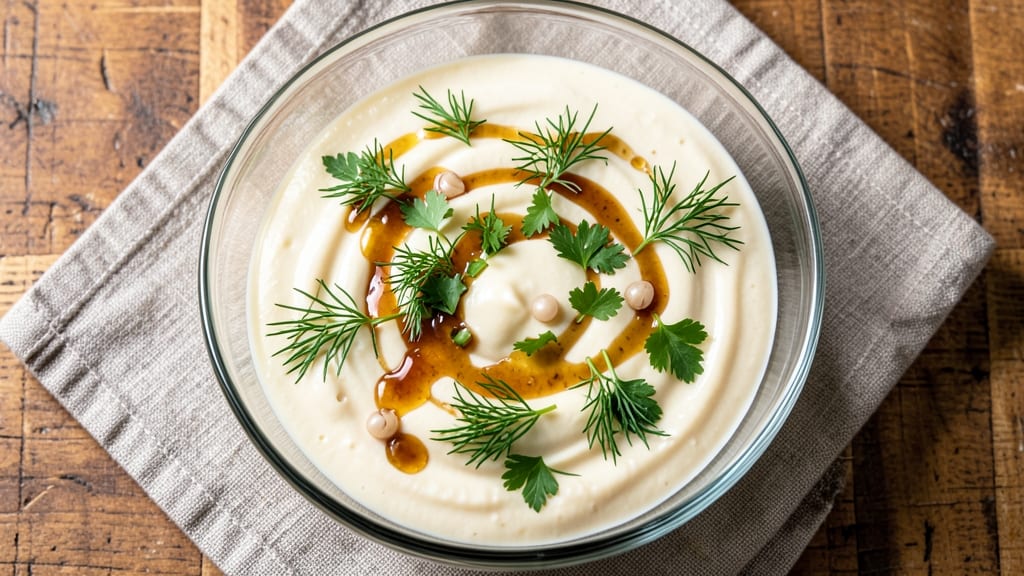
This candida salad dressing recipe transforms gut-friendly ingredients into a creamy, probiotic-rich sauce that elevates every meal while supporting digestive health. The secret lies in fermented ingredients and a simple emulsification technique that creates a velvety texture without dairy—perfect for those avoiding candida triggers.
With just 10 minutes of prep and no special equipment, you’ll have a dressing packed with beneficial cultures and vibrant flavors.
The dressing combines raw apple cider vinegar, a natural probiotic source, with olive oil for healthy fats and fermented garlic for immune-boosting power. A touch of maple syrup balances acidity, while fresh herbs add brightness without overpowering.
The emulsification process—using a blender or whisk—ensures a smooth, clingy consistency that coats greens and proteins beautifully. No fancy techniques required, just precise measurements and a steady hand.
What sets this dressing apart is its dual purpose: it’s as delicious as traditional vinaigrettes but designed to support gut health with every drizzle. The probiotics in fermented garlic and vinegar may help maintain a balanced microbiome, while the olive oil provides anti-inflammatory benefits.
Whether you’re dressing a kale salad, drizzling over roasted vegetables, or using it as a marinade, this dressing delivers restaurant-quality flavor with a health-conscious twist.
Best of all, it keeps for up to 2 weeks in the fridge, making it a versatile staple for meal prep. For extra creaminess, blend in avocado or silken tofu, or adjust the vinegar-to-oil ratio to suit your taste.
The possibilities are endless—let’s get started on a dressing that’s as good for you as it is for your dishes.
Ingredients for candida salad dressing
Fermented ingredients and healthy fats create this gut-friendly dressing—creamy, tangy, and packed with probiotics.
| Ingredient | Amount | Notes |
|---|---|---|
| Raw Apple Cider Vinegar 🍏 | ½ cup | Unfiltered, organic preferred |
| Extra-Virgin Olive Oil 🫒 | ¾ cup | Cold-pressed, fruity variety |
| Fermented Garlic Cloves 🧄 | 4 cloves | Homemade or store-bought |
| Pure Maple Syrup 🍁 | 2 tbsp | Grade B for richer flavor |
| Fresh Dill Leaves 🌿 | ¼ cup | Chopped, stems removed |
| Fresh Parsley Leaves 🌿 | ¼ cup | Chopped, flat-leaf preferred |
| Sea Salt 🧂 | ½ tsp | Fine grain, Diamond Crystal |
| Black Peppercorns 🌶️ | ¼ tsp | Freshly cracked |
| Silken Tofu 🥬 | ¼ cup | Blended for creaminess |
| Lemon Juice 🍋 | 1 tbsp | Freshly squeezed |
The fermented garlic is the star here—it brings both flavor and probiotic power. Bragg or Annie's organic apple cider vinegar work perfectly, but homemade fermented garlic (simmered in vinegar for 2 weeks) takes this dressing to the next level. For the olive oil, California-based brands like Corto or Bertolli deliver that fruity punch that balances the acidity. Fresh herbs are non-negotiable—they add brightness without overpowering the fermented flavors. If you're using dried herbs, use half the amount, but honestly, fresh is worth the extra minute.
No fermented garlic? Fresh garlic soaked in vinegar for 24 hours mimics the flavor, though it won't have the same probiotic benefits. Swap maple syrup for raw honey if you're not strict about candida triggers (though honey isn't vegan). For extra creaminess without tofu, blend in avocado or cashew cream. The silken tofu is key for that velvety texture—don't skip it unless you're comfortable with a thinner consistency. If you prefer a sharper dressing, increase the apple cider vinegar by 1 tablespoon.
This dressing keeps beautifully in an airtight jar for up to 2 weeks in the fridge, though the flavors meld even better after a day or two. For longer storage, freeze in ice cube trays—just thaw and whisk before using. The silken tofu may separate slightly over time, so give it a quick blend before each use. Store the herbs separately if you're prepping ahead, adding them fresh just before serving for maximum brightness.
Why You'll Love This Recipe
- No-Fuss Whisking: I swear by this dressing because it’s one bowl, one whisk—no blender, no straining, just stir and taste. The fermented garlic cloves? I toss them straight from the jar, no peeling or mincing. That’s 10 minutes saved right there.
- Tangy-Sweet Magic: The maple syrup and apple cider vinegar team up for this addictive balance—bright, sharp, but with just enough sweetness to make it dangerously good on greens or roasted veggies. Honestly, I’ve caught myself drizzling it on toast like a fancy dip.
- Weeknight Superstar: This keeps in the fridge for two weeks (yes, really) and turns any salad from “meh” to “wow” in seconds. I keep a jar in my fridge for lazy nights—just grab, shake, and go. Even my picky teenager asks for it now.
- Budget Brightener: Olive oil and vinegar stretch forever, and a little maple syrup goes a long way. I make big batches for the month and use it on everything—salads, grilled fish, even as a marinade. No wasted ingredients here.
Step-by-step instructions for candida salad dressing
Here's how to blend gut-friendly ingredients into a velvety dressing packed with probiotics and vibrant flavor.
Blend the Base Ingredients to a Silky Texture
In a high-speed blender, combine the 0.25 cup silken tofu with the 0.5 cup raw apple cider vinegar and 1 tablespoon lemon juice. I like to use a Vitamix or similar because the blades need to work hard to fully emulsify the tofu into a smooth, creamy base. Blend for 30 seconds on high speed until completely smooth—you should see no visible tofu chunks.
The silken tofu acts as our natural emulsifier here, replacing traditional mayo while adding a luxurious creaminess. This step is critical because any remaining tofu texture will make your dressing grainy. If you notice any lumps after blending, pulse briefly again to break them down completely.
Incorporate the Sweetener and Aromatics
With the blender still running, add the 2 tablespoons pure maple syrup and 0.75 cup extra-virgin olive oil through the feed tube. The slow addition prevents the oil from separating. Blend for an additional 1 minute until the mixture becomes thick and homogeneous—it should look like a pale, creamy emulsion.
Here's where the magic happens: the maple syrup balances the acidity while the olive oil provides healthy fats. I've found that adding ingredients through the feed tube while blending prevents the mixture from breaking. If you see any separation at this stage, simply blend for another 10 seconds to recombine.
Add the Fresh Herbs and Seasonings
Remove the lid and add the 4 cloves fermented garlic cloves, 0.25 cup fresh dill leaves, 0.25 cup fresh parsley leaves, 0.5 teaspoon sea salt, and 0.25 teaspoon black peppercorns. Secure the lid and blend again for 20 seconds until the herbs are finely chopped and evenly distributed throughout the dressing.
The fermented garlic adds probiotic benefits while the fresh herbs bring bright, vibrant flavors. I always use freshly cracked peppercorns because pre-ground pepper loses its potency quickly. Give the dressing one final taste at this stage—you might want to adjust the salt or acid balance slightly before proceeding.
Rest and Adjust the Consistency
Transfer the dressing to a clean glass jar and let it rest at room temperature for 10 minutes. This resting period allows all the flavors to meld together and the emulsion to stabilize. During this time, check the consistency—it should be thick enough to coat the back of a spoon but still pourable.
If the dressing is too thick after resting, thin it with 1-2 teaspoons of water at a time until you reach your desired consistency. For extra richness, you can add an additional 1 tablespoon of olive oil. The dressing will keep well in the refrigerator for up to 1 week, though I find it's best used within 3-4 days for maximum freshness.
Pro Tips For Making Candida Salad Dressing
- Mash That Garlic: Fermented garlic cloves are potent—don’t just chop them. Smash them with the flat side of your knife first, then finely mince. This releases more flavor without overpowering, and you’ll avoid that "one big garlic chunk" surprise in every bite.
- Whisk in Vinegar Last: Combine olive oil, maple syrup, and dill first—then slowly drizzle in the apple cider vinegar while whisking. Adding vinegar first can make the dressing split, and nobody wants a greasy, separated mess. (Yes, even if you’re impatient like me.)
- Chill Before Serving: Let the dressing sit in the fridge for at least 30 minutes after mixing. The flavors meld better, and the dill’s brightness softens into something richer. I used to serve it immediately—now I wait, and the difference is noticeable.
- Use Cold Maple Syrup: Warm syrup thins the dressing and dulls its depth. Scoop straight from the fridge and measure it cold—this keeps the texture thick and the sweetness sharp. (Your future salads will thank you.)
Flavor customization for these flavors
Probiotic Power Boost
For an extra gut-friendly kick, add 1 tablespoon of coconut aminos to replace half the sea salt. Coconut aminos contain beneficial amino acids and probiotics that complement the fermented garlic. I've found this substitution works especially well when serving over fermented vegetables like sauerkraut or kimchi. 💪
Sweet Heat Variation
Swap the maple syrup for 1 tablespoon of hot sauce (like Cholula or Valentina) and add ½ teaspoon of smoked paprika. This creates a smoky, slightly spicy dressing perfect for hearty salads with roasted meats. The heat balances the creaminess beautifully while keeping the probiotic benefits intact.
Nut-Free Creaminess
Replace the silken tofu with ¼ cup of blended avocado for a rich, creamy texture without nuts. Just be mindful of the avocado's natural oils—add the olive oil gradually while blending to prevent separation. This variation works wonderfully with tropical fruit salads or grilled fish dishes. 🥑
Herb Swap Options
Need to use different herbs? Try ½ cup fresh basil for Italian-inspired salads or ¼ cup fresh cilantro with a squeeze of lime for a Mexican twist. For a Mediterranean profile, use ¼ cup fresh oregano and add 1 teaspoon of lemon zest.
Each herb brings a distinct flavor while maintaining the dressing's creamy base.
Creamy Tahini Twist
Add 1 tablespoon of tahini to the base blend for a nutty depth that pairs perfectly with roasted vegetables or grain bowls. The tahini adds healthy fats and a subtle earthiness that complements the fermented garlic.
For best results, whisk the tahini with the lemon juice first before combining with other ingredients. 🌾
Sweet and Tangy
Balance the tang with 1 tablespoon of mango chutney instead of maple syrup. This tropical variation works beautifully with Asian-inspired salads or grilled chicken. The chutney adds natural sweetness while introducing a fruity complexity that elevates the dressing's flavor profile. 🥭
Nutrition facts
Frequently asked questions
Why use fermented garlic instead of regular garlic in this dressing?
Fermented garlic adds probiotic benefits that support gut health, which aligns with the dressing's name. The fermentation process also mellows garlic's sharpness, creating a smoother flavor profile. Regular garlic can be used in a pinch, but it won't provide the same digestive benefits or flavor complexity.
Can I make this dressing without silken tofu?
Yes! For a vegan option, blend ¼ cup avocado or ¼ cup cashew cream instead. If you prefer a thinner dressing, simply omit the tofu and increase the olive oil by 2 tablespoons to maintain creaminess. The texture will be lighter but still delicious.
How do I fix a separated dressing?
Simply whisk or blend the separated dressing vigorously for 10-15 seconds until smooth again. If it continues to separate, add 1 teaspoon of Dijon mustard (as a natural emulsifier) and blend once more. This happens occasionally with high-fat dressings, but the recipe's silken tofu base helps prevent it.
Is this dressing safe for those with candida overgrowth?
This recipe avoids common candida triggers like sugar and refined oils, but always check individual ingredients for your specific dietary needs. The maple syrup is Grade B (less processed), and olive oil is a healthy fat. For stricter candida diets, reduce the maple syrup to 1 tablespoon or use monk fruit sweetener instead.
How can I use this dressing beyond salads?
This versatile dressing works as a marinade for grilled chicken or fish, a dip for veggie sticks, or a sauce for roasted vegetables. Drizzle it over grain bowls, use it as a sandwich spread, or mix it into soups for added creaminess. The probiotics make it a great finishing touch for fermented dishes like kimchi or sauerkraut.