
Side Dishes
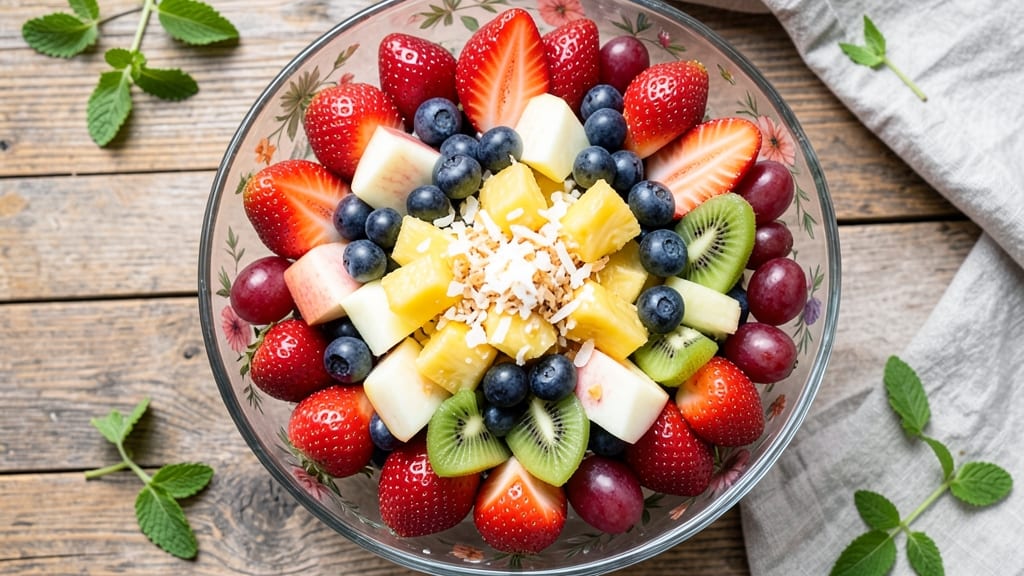
Ina Garten’s fruit salad recipe transforms simple ingredients into a vibrant, balanced dish that elevates any meal. The secret lies in selecting fruits with complementary textures and flavors—juicy berries, crisp apples, and sweet melons—while keeping the presentation elegant yet effortless.
This isn’t just a side; it’s a celebration of freshness that pairs beautifully with grilled proteins or stands alone as a refreshing dessert.
What sets this recipe apart is its foolproof balance: tart elements like citrus or kiwi cut through the sweetness, while herbs or a light citrus dressing add depth without overpowering.
Ina’s approach focuses on visual appeal—colorful layers that look as good as they taste—while ensuring every bite is bright and satisfying. The best part? It comes together in just 15 minutes, making it perfect for last-minute gatherings or weeknight dinners.
The result is a fruit salad that’s crisp, juicy, and perfectly portioned, with optional garnishes like mint or toasted nuts for added texture. Whether served at a brunch spread, picnic, or holiday table, this recipe delivers restaurant-quality freshness with minimal effort.
Ready to create a dish that’s as impressive as it is delicious?
For versatility, adjust the fruit mix based on seasonality—think tropical in summer or citrus-heavy in winter. The key is confidence in presentation: arrange the fruit in a clear bowl or on a platter for a polished look that feels effortless. Let’s get started!
Ingredients for fruit salad recipe ina garten
Juicy berries, crisp apples, and tropical touches—simple ingredients for a vibrant fruit salad that shines at any table.
| Ingredient | Amount | Notes |
|---|---|---|
| Strawberries 🍓 | 1 lb | Hull and slice evenly |
| Blueberries 🫐 | 1 pt | Fresh or frozen, thawed |
| Red Seedless Grapes 🍇 | 1 lb | Halved for easy eating |
| Honeycrisp Apples 🍎 | 2 medium | Cored and diced small |
| Pineapple 🍍 | 1 cup | Fresh, finely chopped |
| Kiwi 🥝 | 2 whole | Peeled and sliced thin |
| Fresh Mint Leaves 🌿 | ¼ cup | Finely chopped, optional garnish |
| Lemon Juice 🍋 | 2 tbsp | Freshly squeezed |
| Extra-Virgin Olive Oil 🫒 | 1 tbsp | Light drizzle for freshness |
| Granulated Sugar 🍚 | 1 tbsp | Optional for sweetness balance |
| Toasted Almond Slices 🥜 | ¼ cup | For crunchy texture |
| Fresh Lime Zest 🍈 | 1 tsp | Brightens the flavor profile |
The fruit selection here is purposeful: strawberries and blueberries provide natural sweetness, while kiwi and lime zest add tartness to balance the mix. For the best quality, shop at a specialty grocer like Whole Foods or local farmers' markets—look for Honeycrisp apples (they stay crisp) and ripe but firm pineapple (avoid mushy spots). Pre-cut fruit from the grocery store works in a pinch, but whole fruit always tastes fresher. If using frozen berries, thaw them completely and drain excess liquid to keep the salad from getting soggy. The mint leaves should be vibrant green with no brown stems, and almond slices should be lightly toasted for maximum crunch.
No fresh mint? Substitute with basil or cilantro, though mint’s bright flavor is ideal. Running low on pineapple? Mango or papaya work beautifully—just adjust the quantity to match the other tropical elements. The lemon juice and olive oil create a light dressing that enhances freshness without overpowering. For a sugar-free version, skip the granulated sugar entirely—honey or maple syrup can be used sparingly if desired. If you prefer a nut-free option, omit the almonds and add toasted coconut flakes instead. Pre-cutting all fruit ahead of time makes assembly a breeze, especially for larger gatherings.
This salad stays fresh for up to 4 days in the refrigerator, though the texture of softer fruits like pineapple and kiwi will change over time. Store in an airtight container with a paper towel to absorb excess moisture. For longer storage, freeze individual components (like berries or diced apples) separately and assemble when ready to serve. Presentation matters: arrange the fruit in a clear glass bowl with the mint and almonds on top for a polished look. Serve immediately for the crispest texture, or let it sit for 10 minutes before serving to allow flavors to meld slightly.
Why You'll Love This Recipe
- I’ll be real: I often just grab the strawberries whole, halve the apples into thick slices, and toss the grapes and pineapple chunks right in. The texture contrast—juicy pineapple against crisp Honeycrisp, plump blueberries popping—is magic without any extra prep.
- No-Cut Chaos Allowed: I’ll be real: I often just grab the strawberries whole, halve the apples into thick slices, and toss the grapes and pineapple chunks right in. The texture contrast—juicy pineapple against crisp Honeycrisp, plump blueberries popping—is magic without any extra prep.
- Sweet-Savory Balance: That Honeycrisp apple? It’s the MVP here. The slight tartness cuts through the pineapple’s sweetness while the grapes add a gentle burst. Honestly, I’ve never met a fruit salad where the flavors play this well together—no cloying or boring aftertaste.
- Picnic to Party Fix: Pack it in a jar for a lunchbox or serve it in a big bowl at a BBQ. The grapes and pineapple hold up for hours, so it’s my go-to when I’m feeding a crowd or need something that won’t wilt by noon. (Yes, even on a Tuesday night.)
Step-by-step instructions for Ina Garten's perfect fruit salad
This elegant fruit salad balances sweetness, acidity, and texture for a refreshing centerpiece.
Prepare the Fruit Components
Begin by hulling and slicing the 1 lb strawberries into even quarters. I like to remove the stems first for cleaner presentation. Next, halve the 1 lb red seedless grapes—this size is perfect for easy eating without making the salad too chunky. For the 2 medium Honeycrisp apples, core and dice them into small, uniform pieces about ¼-inch in size.
When working with the 1 cup pineapple, use fresh chunks rather than canned to avoid excess syrup. Finely chop them so they distribute evenly throughout the salad. For the 2 whole kiwi, peel away the fibrous skin using a small knife, then slice into thin half-moons. The kiwi's vibrant green color adds beautiful contrast to the reds and whites.
Combine the Base Ingredients
In a large mixing bowl, gently combine the prepared strawberries, blueberries, grapes, apples, pineapple, and kiwi. I use a light hand here to avoid bruising the fruit. The goal is to distribute all components evenly while preserving each fruit's individual texture. If using frozen blueberries, make sure they're completely thawed first—they should be plump and juicy, not icy.
This is where the flavor balance begins. The tartness of the strawberries and grapes will complement the sweetness of the pineapple and apples, while the kiwi adds a subtle tang. Don't be tempted to mix too vigorously—gentle tossing preserves the fruit's integrity and prevents mushiness.
Add the Dressing and Sweetener
In a small bowl, whisk together the 2 tbsp lemon juice, 1 tbsp extra-virgin olive oil, and 1 tbsp granulated sugar until the sugar dissolves completely. The lemon juice brightens the fruit while the olive oil adds a delicate richness. If you prefer less sweetness, you can omit the sugar entirely—the fruit's natural sugars will suffice.
Pour the dressing over the fruit mixture and gently toss again to coat evenly. Let the salad sit for 5 minutes at room temperature—this allows the flavors to meld slightly. The dressing should glisten on the fruit but not make it soggy. If the grapes or apples appear to be absorbing too much liquid, add a few more pieces of fruit to balance the moisture.
Incorporate the Finishing Touches
Sprinkle the 0.25 cup toasted almond slices evenly over the salad for a satisfying crunch. The almonds should be lightly toasted to enhance their nutty flavor without overpowering the fruit. Next, add the 0.25 cup finely chopped fresh mint leaves and 1 tsp fresh lime zest. The mint adds a refreshing herbal note, while the lime zest introduces a bright citrus finish that ties everything together.
Give the salad one final gentle toss to distribute the almonds and mint evenly. The lime zest should be sprinkled lightly—just enough to brighten the flavors without making the salad taste overly citrusy. This is the moment where all the elements come together: the sweetness of the fruit, the acidity of the citrus, the crunch of the almonds, and the freshness of the mint.
Chill and Serve
Cover the salad and refrigerate for at least 30 minutes before serving. This chilling time allows the flavors to fully develop and the dressing to penetrate the fruit. The salad should be served cold—this enhances the crispness of the fruit and the crunch of the almonds. For the best presentation, transfer the salad to a large platter and arrange it in an attractive pattern.
Serve immediately for a refreshing side dish or appetizer. The salad's vibrant colors and balanced flavors make it perfect for brunch, picnics, or as a light dessert. Each bite should offer a harmonious blend of textures and tastes, with no single ingredient overpowering the others. The key to success lies in the careful preparation and balancing of each component—just as Ina Garten would prepare it.
Pro Tips For Making Fruit Salad Recipe Ina Garten
- Toss Last Thing: Pineapple juice breaks down strawberries like nothing else—so save that final mix until you’re ready to serve. I learned this the hard way when my salad turned into a mushy purple sludge halfway through the picnic. Add the dressing just before plating, or keep the fruit and juice separate until you’re ready to eat.
- Core Those Apples: Honeycrisp apples bruise easily, and that browned flesh looks unappetizing. Cut out the core and any soft spots before slicing, then soak the pieces in cold water for 5 minutes to crisp them up again. Yes, it’s extra work, but no one wants a salad with mealy apple chunks.
- Rinse Grapes Twice: Red seedless grapes cling to dirt and pesticide residue like it’s their job. Toss them in a colander under cold water, then do it again—this time with a splash of vinegar (1 tablespoon per quart of water). The second rinse cuts through wax coatings better than a single scrub. Trust me, your salad will taste fresher.
- Dice Pineapple Small: Big pineapple chunks make the salad look uneven and can dominate the texture. Cut the fruit into ½-inch pieces—small enough to balance the strawberries and grapes but still recognizable. I used to leave them in hunks, but the texture’s way more cohesive when everything’s uniform. (And yes, even if you’re impatient like me.)
Pro cooking tips for perfect results
Fruit Prep Essentials
Start by prepping your fruit in the right order to maintain texture and presentation. Honeycrisp apples should be cut last to prevent browning—toss them in 1 tsp lemon juice immediately after dicing.
For pineapple, use a sharp knife to remove the core, then cut into ½-inch chunks for even distribution. Kiwi peels easily with a small paring knife; slice it thinly to keep the texture delicate.
I find using a mandoline for even slices saves time, but a sharp chef’s knife works just as well. 🍓
Dressing Balance
The dressing is where the magic happens—2 tbsp lemon juice brightens, 1 tbsp olive oil adds richness, and 1 tbsp sugar balances sweetness. For a tartier twist, add ½ tsp honey to the dressing instead of granulated sugar.
If your fruit is particularly ripe, reduce the sugar to ½ tbsp or skip it entirely. Always taste the dressing before tossing—adjust to your preference, but remember, the fruit’s natural sweetness will develop as it sits.
Texture Control
To keep your salad crisp, avoid overmixing after adding the dressing. Toasted almonds should be sprinkled just before serving to maintain their crunch—if added earlier, they’ll soften. For extra texture contrast, fold in ½ cup diced cucumber or ¼ cup pomegranate seeds right before serving.
If using frozen berries, pat them dry with a paper towel to prevent excess moisture from making the salad soggy. 🥜
Seasonal Swaps
Summer calls for peaches, nectarines, and watermelon, while winter works better with pomegranate, persimmons, and blood oranges. For a tropical twist, swap pineapple for mango and passion fruit.
If you’re using overripe bananas, slice them last and toss with 1 tsp lime juice to prevent browning. I love adding edible flowers (like nasturtiums) for a garden-fresh touch—just ensure they’re pesticide-free and organic.
Presentation Pro Tips
Serve the salad in a clear glass bowl to showcase its vibrant colors. Arrange the fruit in concentric circles—start with the darkest fruits (berries, grapes) in the center, then move to lighter colors (apples, kiwi) outward.
Garnish with mint sprigs and a lime wheel on the side for a restaurant-worthy finish. For a rustic look, use a wooden board or slate platter—just make sure it’s food-safe. 🌿
Make-Ahead Mastery
Assemble the salad up to 4 hours ahead and store it in an airtight container with a paper towel to absorb excess moisture. If prepping overnight, keep the dressing separate until 30 minutes before serving to preserve freshness.
For longer storage, freeze individual fruit components (like berries or diced apples) in single layers on a tray, then transfer to a bag. Thaw and assemble just before serving for the crispiest texture.
Nutrition facts
Frequently asked questions
Can I make this fruit salad ahead of time?
Assemble the salad up to 4 hours ahead and store it in an airtight container with a paper towel to absorb excess moisture. For longer storage, keep the dressing separate until 30 minutes before serving to maintain crispness. If prepping overnight, freeze individual fruit components separately and thaw just before assembling.
What's the best way to keep apples from turning brown?
Toss freshly diced apples with 1 tsp lemon juice immediately after cutting to prevent browning. For extra protection, add a pinch of salt or sprinkle with water to create a barrier. Always cut apples last and store them separately until ready to mix with other ingredients.
How do I adjust this recipe for a nut-free version?
Simply omit the toasted almonds and replace them with toasted coconut flakes or crushed graham crackers for crunch. For additional texture, add ¼ cup pomegranate seeds or ½ cup diced cucumber right before serving. The salad will still have great contrast without nuts.
Can I use frozen berries in this recipe?
Yes, but thaw them completely first and drain any excess liquid to prevent a soggy salad. Pat the berries dry with a paper towel before mixing. For the best texture, use a mix of fresh and frozen berries—this keeps the salad vibrant while adding budget-friendly convenience.
What's the secret to making this salad look restaurant-worthy?
Start with a clear glass bowl to showcase colors, then arrange fruit in concentric circles—darkest fruits in the center, lighter ones outward. Garnish with mint sprigs and a lime wheel on the side. For a rustic touch, use a wooden board instead. The key is confidence in presentation!