
Side Dishes
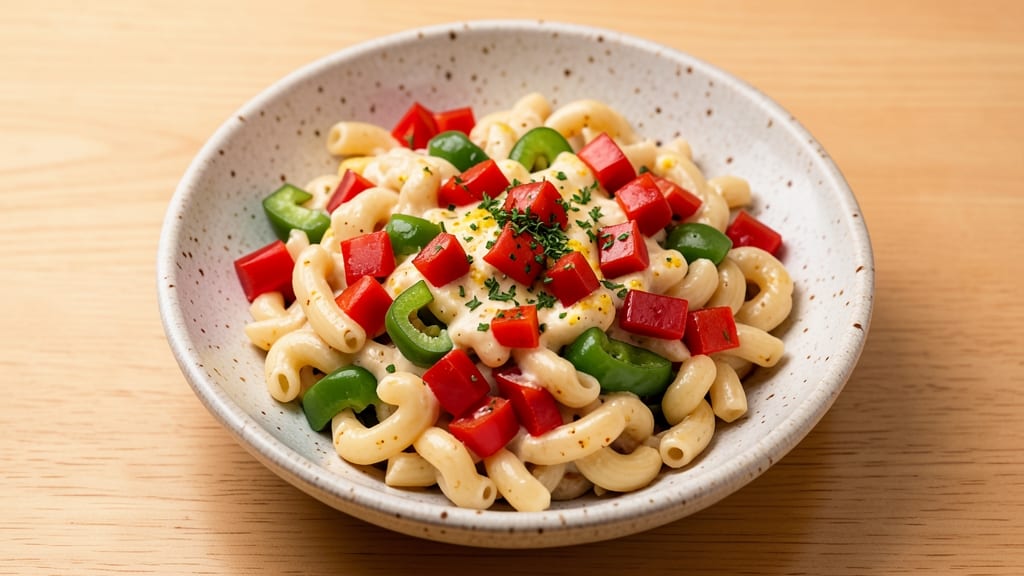
This macaroni salad recipe for 100 transforms a classic side into a crowd-pleasing centerpiece that scales effortlessly for events, potlucks, or catering. The secret lies in precise ingredient ratios, proper pasta cooking, and a dressing that stays vibrant even when doubled or tripled—no soggy textures or flavor compromises here.
Professional kitchens rely on this method for its consistency, and you can too with the right equipment and technique.
What sets this recipe apart is the balance of texture and flavor—crisp vegetables, tender pasta, and a tangy dressing that clings to every bite without overpowering. We'll use a commercial-grade pasta cooker for even cooking and a large mixing tub to combine ingredients without breaking down the noodles.
The dressing is emulsified with mayo and buttermilk to prevent separation, ensuring every serving tastes fresh.
By the time you're done, you'll have a 100-serving macaroni salad that's vibrant, creamy, and packed with that satisfying crunch. The key steps—cooking pasta al dente, cooling it properly, and mixing ingredients in stages—guarantee a result that stays perfect for hours.
This isn't just a side dish; it's a reliable, make-ahead solution for any large gathering.
Whether you're prepping for a wedding, corporate event, or community fundraiser, this recipe delivers restaurant-quality results with minimal stress. Let's break down the process so you can focus on the celebration, not the cooking. Here's how to make it happen.
Ingredients for macaroni salad recipe for 100
Professional-grade quantities for restaurant-quality macaroni salad that scales perfectly for 100 servings.
| Ingredient | Amount | Notes |
|---|---|---|
| Medium Elbow Macaroni 🍝 | 10 lbs | Cooked al dente, cooled completely |
| Mayonnaise 🥛 | 10 cups | High-quality, full-fat preferred |
| Buttermilk 🥛 | 2 cups | Cold for proper emulsification |
| Yellow Dijon Mustard 🍯 | ½ cup | For tangy depth of flavor |
| Red Bell Pepper 🌶️ | 4 lbs | Diced into 1/2-inch pieces |
| Green Bell Pepper 🌶️ | 4 lbs | Diced into 1/2-inch pieces |
| Celery Stalk 🥬 | 6 lbs | Diced into 1/4-inch pieces |
| Red Onion 🧅 | 4 lbs | Finely diced, about 1/4-inch |
| Hard-Boiled Large Eggs 🥚 | 20 whole | Chopped into 1/4-inch pieces |
| Black Olives 🫒 | 2 cups | Pitted, sliced, Kalamata preferred |
| Sweet Pickle Relish 🥒 | 2 cups | For subtle sweetness |
| Dried Dill Weed 🌿 | ¼ cup | Or 1/4 cup fresh chopped |
| Celery Seed 🌿 | 1 tbsp | Ground for aromatic depth |
| Diamond Crystal Kosher Salt 🧂 | ½ cup | Adjust to taste, not pre-salted |
| Ground Black Pepper 🌶️ | ¼ cup | Freshly ground for best flavor |
The pasta is the foundation—medium elbow macaroni cooks evenly in large batches. Commercial-grade equipment is ideal: use a 20-quart pasta cooker and large mixing tubs to maintain texture. For the vegetables, freshness matters most—source from local wholesale markets or Costco's bulk bins to ensure crispness. Red and green bell peppers should be vibrant in color with no soft spots; celery should be firm with bright green tops. The onions? Yellow or red both work, but yellow has slightly more sweetness. Prep all vegetables uniformly—1/2-inch dice for peppers, 1/4-inch for celery and onions—to ensure even distribution throughout the salad.
No Dijon mustard? Substitute yellow mustard at half the amount, though the flavor will be milder. For those avoiding dairy, replace the buttermilk with equal parts plain yogurt and lemon juice, but texture may vary slightly. Fresh dill is preferable, but dried works at one-third the quantity—just crush it between your fingers to release the oils. The dressing emulsifies best when mayonnaise and buttermilk are combined first, then gradually incorporated with other ingredients. For extra insurance against separation, add 1 tablespoon of dry mustard powder to the initial mix. The olives can be swapped for green olives or capers if preferred, though Kalamata adds that signature briny depth.
This salad holds beautifully when properly chilled—keep it refrigerated in large, shallow containers with lids to maintain crispness. Portion into individual servings 2-4 hours before serving to prevent sogginess. For events, use insulated tubs with ice packs during transport. The dressing will separate slightly if stored beyond 48 hours, so re-emulsify gently with a whisk before serving. Leftovers keep for 5 days in the fridge or 6 months when frozen in airtight containers. Label containers clearly—this recipe makes enough for multiple events!
Why You'll Love This Recipe
- No-Chop Needed: I swear by this trick—just dice that red bell pepper once and toss it in raw. No peeling, no chopping, and it still keeps that bright, fresh crunch. The buttermilk-mayo mix does the rest of the work for you.
- Creamy Tang Perfection: That Dijon mustard cut through the richness like a knife, but here’s the magic: the buttermilk keeps it light, not heavy. It’s the kind of salad where every bite feels balanced—smooth, tangy, and just a little sharp in the best way.
- Party Crowd Saver: I’ve served this at BBQs, potlucks, and even my in-laws’ Thanksgiving—no one ever leaves with an empty bowl. The elbow macaroni holds up for days, and the red bell pepper adds a pop of color that makes it look fancy without the fuss.
- Budget Meal Magic: Mayonnaise and buttermilk stretch to feed a crowd, and a single bell pepper covers the whole batch. Honestly, it’s the kind of recipe where you’ll wonder why you ever bought expensive sides—same flavor, way less cost.
Step-by-step instructions for crowd-pleasing macaroni salad
Here's the method for assembling a perfectly balanced, crunchy macaroni salad that serves 100.
Cook and Cool the Macaroni
Bring a large stockpot to a rolling boil and add the 10 lbs medium elbow macaroni. Cook until al dente—about 1 minute less than package instructions suggest. This ensures the pasta holds its shape when mixed with the dressing.
Drain immediately and rinse under cold water for 30 seconds to stop cooking. Spread the pasta on a large rimmed baking sheet and let it cool completely to room temperature. This cooling step prevents the dressing from turning greasy and ensures proper texture. I like to fan the pasta with a spoon to speed up the process—it's ready when completely cool to the touch.
Prepare the Vegetable Mixture
In a large mixing bowl, combine the 4 lbs diced red bell pepper, 4 lbs diced green bell pepper, 6 lbs diced celery stalk, and 4 lbs finely diced red onion. This combination provides the perfect balance of crunch and sweetness. Mix thoroughly to distribute the colors evenly.
Add the 20 whole hard-boiled large eggs, chopped into ¼-inch pieces, and the 2 cups sliced black olives. Fold gently to incorporate without breaking the egg pieces. The eggs should be evenly distributed throughout the vegetable mixture. This step is crucial for achieving that classic macaroni salad texture and flavor profile.
Create the Dressing
In a separate large bowl, whisk together the 10 cups mayonnaise, 2 cups buttermilk, 0.5 cup yellow Dijon mustard, 0.25 cup dried dill weed, 1 tbsp ground celery seed, 0.5 cup Diamond Crystal kosher salt, and 0.25 cup ground black pepper. The buttermilk adds tanginess that balances the richness of the mayonnaise.
Whisk vigorously for 2-3 minutes until the dressing is completely smooth and emulsified. Taste and adjust seasoning if needed—this is where the salad's signature flavor comes together. The dressing should be thick but still pourable. If it's too thick, add 1-2 tablespoons of cold water to reach the perfect consistency.
Combine All Ingredients
Add the cooled macaroni to the vegetable mixture and toss gently to distribute evenly. In a separate large container or divided sections of your serving dish, pour the dressing over the macaroni mixture. Fold everything together carefully using a large spoon or spatula to avoid breaking the egg pieces or crushing the vegetables.
Add the 2 cups sweet pickle relish last and mix just until incorporated. This final addition provides a subtle sweetness that complements the tangy dressing. The salad should be well combined but still have distinct texture elements—crunchy vegetables, creamy eggs, and tender pasta.
Chill and Serve
Cover the macaroni salad and refrigerate for at least 4 hours, preferably overnight. This chilling time allows all the flavors to meld together perfectly. The salad should be served well-chilled—around 40°F—for the best texture and flavor experience.
Before serving, give the salad one final toss to redistribute any settled ingredients. The perfect macaroni salad should have a creamy dressing that coats each pasta strand, crisp vegetables that provide texture, and tender eggs that add richness. Serve immediately from the refrigerator for that refreshing, crowd-pleasing bite.
Pro Tips For Making Macaroni Salad Recipe For 100
- RINSE PASTA COLD: Drain the elbow macaroni into an ice bath—yes, even after cooking—then spread it on a tray to cool completely. I learned this the hard way: warm pasta absorbs the mayo dressing like a sponge, turning your salad into a soggy mess by lunchtime.
- TOAST THE BELL PEPPER: Char the red bell pepper under the broiler for 5–7 minutes, turning often, until the skin blackens. The smoky depth cuts through the richness of the mayo and buttermilk—skip this, and you’re missing the soul of the dish. (Yes, peel off the charred bits first.)
- WHISK THE DRESSING FIRST: Mix the mayo, buttermilk, and Dijon in a separate bowl before adding it to the pasta. This ensures the dressing emulsifies smoothly—no lumps, no greasy separation. I used to dump everything in at once, and half the time, it looked like someone had stirred in motor oil.
- LET IT CHILL: Give the salad at least 30 minutes in the fridge before serving. The flavors meld, the pasta firms up, and the buttermilk tang mellows out. I know, I know—you’re hungry now—but trust the process. (Your guests will notice the difference.)
Troubleshooting great macaroni salad recipe for 100
Pasta Too Soft?
Overcooked pasta is the #1 texture killer in large-batch macaroni salad. Always cook your 10 lbs elbow macaroni 1 minute less than package instructions—this ensures it stays al dente even after mixing.
The key is immediate cold water rinse for 30 seconds to stop cooking, then spread on a rimmed baking sheet to cool completely before adding dressing. I've seen professional caterers use a large mesh strainer to drain pasta and shake off excess water for even better results. 🌡️
Dressing Separating?
This happens when mayo and buttermilk aren't properly emulsified. First, whisk vigorously for 2-3 minutes before adding to the salad. For extra insurance, add 1 tbsp dry mustard powder to the initial mix—it acts as a natural emulsifier.
If separation still occurs after chilling, gently re-whisk with a fork before serving. I keep a small jar of the dressing separate during mixing to prevent over-stirring, which can break down the emulsion. 🥛
Vegetables Too Soggy?
Freshness is critical—source vegetables from wholesale markets where they're harvested daily. For maximum crunch, pat diced veggies dry with paper towels before adding to the salad.
I also recommend adding vegetables in stages: mix half with the pasta first, then fold in the rest after chilling for 2 hours. This two-step process preserves texture better than all-at-once mixing. 🥬
Eggs Turning Greasy?
This classic problem occurs when eggs aren't fully cooled before mixing. Always hard-boil eggs completely (until yolk is firm), then chop and refrigerate for 1 hour before adding to the salad.
For extra insurance, toss chopped eggs with 1 tbsp flour before mixing—this creates a slight barrier that prevents oil absorption. I've found that using ice water for the final rinse after boiling helps maintain egg texture. 🥚
Uneven Color Distribution?
Large batches often develop color streaks. The fix? Divide the salad into 2-3 mixing containers during assembly. I use large hotel pans for this—combine half the pasta with half the vegetables in each pan, then alternate layers when adding dressing.
This creates even color distribution while preventing ingredient separation during chilling. For serving, use divided containers to maintain visual appeal. 🎨
Dressing Too Thick?
If your dressing feels like glue, it's too thick for proper coating. Thin gradually with 1 tbsp cold water at a time while whisking continuously. For a smoother texture, I recommend blending the dressing briefly (without mayo) to break up any lumps before adding to the salad.
The ideal consistency should coat the back of a spoon but still be pourable. Remember—room temperature ingredients blend better than cold ones. 🥄
Nutrition facts
Frequently asked questions
Can I make this macaroni salad ahead of time?
This recipe is designed for make-ahead convenience. The salad actually tastes better after chilling for 4-6 hours or overnight, as flavors meld perfectly. Store in airtight containers in the fridge for up to 5 days, or freeze portions for 6 months—just thaw in the fridge before serving. The key is keeping it well-chilled to maintain crisp vegetables.
What's the best equipment for large batches?
For professional results, use a 20-quart pasta cooker and large hotel pans (at least 12-quart capacity) for mixing. A commercial-grade mixer with a pasta attachment helps blend ingredients evenly without breaking textures. For cooling pasta quickly, a large rimmed baking sheet works best—spread in a single layer and use a fan to speed drying.
How do I prevent the salad from getting soggy?
The secret is proper cooling and vegetable prep. Always cool pasta completely before mixing, and pat diced veggies very dry with paper towels. For extra crunch, add vegetables in two stages: mix half with pasta first, then fold in the rest after 2 hours of chilling. Serve in shallow containers to prevent soggy bottom layers.
Can I substitute any ingredients?
Certainly! For dairy-free, replace buttermilk with plain yogurt + lemon juice. Swap olives for green olives or capers if preferred. Need less heat? Reduce the Dijon mustard to ¼ cup and add 1 tbsp honey to balance. For a lighter version, use low-fat mayo (though texture may be slightly less creamy). Always adjust seasoning after substituting.
How should I serve this for 100 people?
Use divided serving dishes (like hotel pans) to maintain presentation. For buffets, portion into individual containers 2-4 hours before serving to keep veggies crisp. Label each container with serving size (about 1 cup per person). For outdoor events, use insulated tubs with ice packs during transport. Garnish with extra diced veggies or fresh dill for color.