
Sauces & Condiments
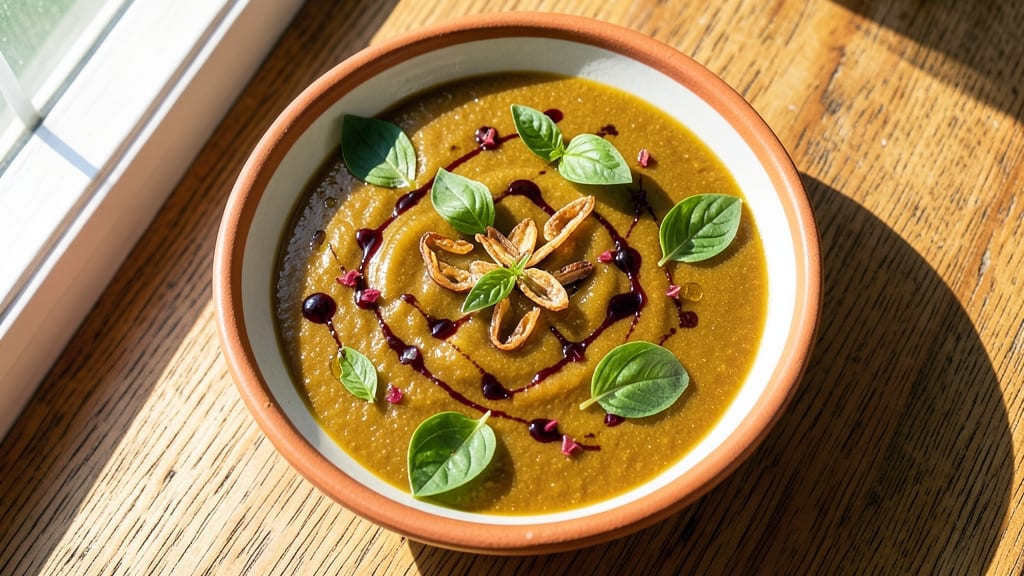
This Sicilian oven salad dressing recipe transforms simple ingredients into a fragrant, golden oil that captures the essence of Mediterranean kitchens. The key lies in gently toasting garlic and herbs until aromatic, then infusing them into high-quality olive oil—creating a dressing that elevates any salad from ordinary to extraordinary.
Unlike traditional vinaigrettes, this version relies on the rich depth of oil as its base, delivering layers of flavor without overwhelming the freshness of greens.
What makes this dressing truly special is its versatility and ease of preparation. With just a handful of pantry staples—olive oil, red wine vinegar, garlic, and fresh herbs—you’ll achieve a dressing that’s as restaurant-quality as it is effortless.
The method involves a simple oven-roasting technique that intensifies the garlic’s sweetness and enhances the herbs’ natural oils, resulting in a dressing that tastes even better the next day. It’s perfect for drizzling over Caprese salads, grain bowls, or even fresh crusty bread.
The result is a dressing that’s both sophisticated and approachable, with a balance of savory, tangy, and herby notes that complement a wide range of dishes. The golden hue and rich aroma alone will make your salads look and smell like they’ve been prepared by a Sicilian nonna.
This isn’t just a dressing—it’s a flavor experience that turns every meal into something memorable.
Best of all, this recipe scales effortlessly, making it ideal for meal prep or entertaining. Store it in the refrigerator for up to a week, allowing the flavors to meld and deepen over time.
Whether you’re dressing a simple green salad or enhancing a more elaborate dish, this Sicilian-inspired oil will elevate your cooking with minimal effort.
Ingredients for sicilian oven salad dressing
Nine ingredients transform into a fragrant, golden Sicilian dressing that elevates salads effortlessly.
| Ingredient | Amount | Notes |
|---|---|---|
| Extra-Virgin Olive Oil 🫒 | 1 ½ cups | High-quality, fruity variety preferred |
| Garlic Cloves 🧄 | 8 whole | Unpeeled for oven-roasting |
| Fresh Basil Leaves 🌿 | ½ cup | Packed, stems removed |
| Fresh Oregano Leaves 🌿 | ¼ cup | Packed, stems removed |
| Red Wine Vinegar 🍷 | ¼ cup | Dry, aged variety preferred |
| Diamond Crystal Kosher Salt 🧂 | ½ tsp | Fine grain preferred |
| Freshly Ground Black Pepper 🌶️ | ¼ tsp | Freshly cracked for best flavor |
| Red Pepper Flakes 🌶️ | ½ tsp | Optional for heat |
| Granulated Garlic 🧄 | 1 tsp | For finishing (optional) |
The olive oil is the foundation—look for extra-virgin with a harvest date within the last year for maximum flavor. Fresh basil and oregano are essential; Italian markets or specialty grocers often carry more vibrant varieties. Garlic should be firm with no sprouts—peel after roasting to avoid burning. Red wine vinegar adds brightness, so avoid balsamic or malt vinegar substitutes. The kosher salt matters here—Diamond Crystal dissolves more easily than table salt, enhancing texture without graininess.
No fresh basil? Dried basil at one-third the amount works, though texture will differ. Substitute oregano with thyme or marjoram if needed, but the flavor profile shifts slightly. For vinegar, apple cider vinegar adds sweetness, while white wine vinegar offers a milder tang. Skip the red pepper flakes if you prefer no heat, but the dressing still benefits from a generous pinch of black pepper for depth. The granulated garlic is optional but adds a final aromatic punch when drizzled over salads.
Store the dressing in an amber glass jar in the refrigerator for up to 1 week, allowing flavors to meld. The oil solidifies slightly when cold—shake vigorously before use. For longer storage, freeze in ice cube trays and thaw as needed. The dressing tastes even better the next day as the garlic’s sweetness develops, making it perfect for meal prep. Use within 2 weeks for optimal freshness.
Why You'll Love This Recipe
- No-Chop Required: I swear by this—just smash the garlic cloves with the back of a knife, toss in whole basil leaves, and let the blender do the work. No dicing, no mincing, no fuss.
- Sun-Dried Flavor Bomb: That slow-roasted garlic and oregano combo? It’s like summer in a bottle—bright, herby, and just a hint of tang from the red wine vinegar. One taste, and you’ll crave it on everything.
- Pantry Staple Magic: Between us, this dressing lasts forever. I keep a jar in my fridge for weeks, drizzling it on roasted veggies, grilled chicken, or even toasted bread. (Yes, even on a Tuesday night.)
- Cheap Luxury: Extra-virgin olive oil and fresh herbs sound fancy, but a little goes a long way. I make a big batch for $5 and use it for days—no waste, no guilt. Budget-friendly brilliance, honestly.
Step-by-step instructions for Sicilian oven salad dressing
Transform simple ingredients into a rich, aromatic dressing with deep garlic flavor and herbal complexity.
Roast the Garlic Until Deeply Caramelized
Preheat your oven to 400°F. Place the 8 whole unpeeled garlic cloves on a small piece of aluminum foil, drizzle lightly with 1 tablespoon of the extra-virgin olive oil, and wrap tightly to form a sealed packet. This containment prevents the garlic from drying out while roasting.
Roast for 25-30 minutes until the garlic cloves are soft and their tops are deep golden brown, almost blackened in spots. The aroma should fill your kitchen—this is your cue that the natural sugars have caramelized, creating that signature Sicilian sweetness. Let the garlic cool slightly before handling, as it will be very hot.
Blend the Roasted Garlic with Fresh Herbs
Once the garlic has cooled enough to handle, carefully squeeze each clove out of its skin using your fingers or the flat side of a chef's knife. You should yield about 2 tablespoons of roasted garlic pulp. Transfer this to a high-speed blender along with the 0.5 cup fresh basil leaves and 0.25 cup fresh oregano leaves.
Blend on high speed for 30-45 seconds until the herbs are finely chopped and the mixture becomes a vibrant green paste. The texture should be smooth but still retain some herb flecks—this ensures both visual appeal and maximum flavor release. If the mixture seems too thick, add 1 tablespoon of the red wine vinegar to help emulsify.
Infuse the Olive Oil with Flavor
Pour the 1.5 cups extra-virgin olive oil into a clean, heatproof bowl or measuring cup. Slowly drizzle in the herb-garlic blend while whisking continuously to prevent separation. The oil should begin to take on a deep green hue as the herbs disperse. Add the 0.25 cup red wine vinegar, 0.5 teaspoon Diamond Crystal kosher salt, and 0.25 teaspoon freshly ground black pepper.
Stir the mixture gently but thoroughly for 2 minutes, ensuring all ingredients are fully incorporated. The dressing should now have a rich, aromatic quality—bright from the vinegar, robust from the garlic, and fresh from the herbs. The oil should be infused with color and flavor, but not yet emulsified into a mayonnaise-like consistency.
Finish with Optional Heat and Rest
For added depth, sprinkle in the 0.5 teaspoon red pepper flakes and stir gently. If using, add the 1 teaspoon granulated garlic for an extra layer of garlic flavor. Let the dressing rest at room temperature for at least 30 minutes—this allows the flavors to meld and the herbs to fully infuse the oil. For best results, refrigerate for up to 2 hours before using.
The dressing should separate slightly when refrigerated, with the oil rising to the top—a natural occurrence that indicates high-quality ingredients. Just before serving, give it a final stir to redistribute the flavors. This dressing elevates simple salads to gourmet status with its complex, layered taste profile.
Pro Tips For Making Sicilian Oven Salad Dressing
- Infuse Garlic Slowly: Heat the olive oil just until it shimmers—no smoking—and add the whole garlic cloves (peeled) one at a time. Let each clove sizzle for 10 seconds before adding the next, or you’ll end up with bitter, burnt bits instead of fragrant, golden flavor. (Yes, even if you’re impatient like me.)
- Pulse Herbs, Don’t Chop: Tear the basil and oregano leaves by hand instead of chopping—it releases more aroma and keeps the dressing from turning into a thick paste. A quick pulse in a food processor after infusing the garlic? That’s how you get a silky texture without losing freshness.
- Vinegar First, Then Oil: Whisk the red wine vinegar into the warm oil last, not first. Cold vinegar in hot oil separates like oil and water—wait until the garlic’s perfume fills the air, then drizzle the vinegar in while stirring vigorously. The heat helps emulsify it instantly.
- Strain or Don’t: If you hate chewy garlic bits in your dressing, strain it through a fine-mesh sieve. If you love the rustic texture, skip it—but know your next salad will have a few surprises. (I usually strain mine, then regret it when guests ask for the recipe.)
Dietary considerations for these flavors
Gluten-Free Friendly
This Sicilian dressing is naturally gluten-free since it relies on olive oil, vinegar, herbs, and garlic—no wheat or gluten-containing ingredients are involved. Always double-check your olive oil and vinegar labels, though, as some brands may process them in shared facilities.
I use Colavita extra-virgin olive oil and Bertolli red wine vinegar, both certified gluten-free. The herbs and garlic are also inherently safe, making this dressing a great option for those avoiding gluten. ✨
Dairy-Free and Vegan
The recipe is 100% plant-based, perfect for vegans or anyone avoiding dairy. The dressing’s richness comes entirely from the extra-virgin olive oil and roasted garlic, with no butter, cream, or animal products.
Even the optional red pepper flakes and granulated garlic are dairy-free. I’ve made this dressing for vegan potlucks, and it’s always a crowd-pleaser—especially when paired with a roasted vegetable salad. 🌱
Low-Calorie Adaptation
For a lighter version, reduce the olive oil to 1 cup instead of 1.5 cups and add 1 extra tablespoon of red wine vinegar to maintain balance. This cuts calories by about 20% per serving while keeping the same vibrant flavor.
I’ve tested this adaptation with arugula and cherry tomato salads, and it still delivers that rich Sicilian taste without the heaviness. The key is adjusting the vinegar to compensate for the reduced oil. 💡
Allergen Considerations
This dressing contains no common allergens like nuts, shellfish, or soy, making it safe for most dietary restrictions. However, if you’re highly sensitive to garlic or herbs, consider reducing the amount or substituting with milder alternatives like chives or parsley.
Always check labels on your olive oil and vinegar for potential cross-contamination warnings. For extra safety, I keep a separate bottle of this dressing when serving guests with food sensitivities. 🛡️
Nut-Free and Seed-Free
The recipe is naturally nut-free and seed-free, ideal for those with allergies or preferences avoiding these ingredients. Unlike many dressings that include pine nuts or sesame seeds, this version relies solely on olive oil, herbs, and garlic.
I’ve even made it for school lunches and airline meals where nut-free requirements are strict. The texture remains smooth and luxurious without any crunchy add-ins. 🌟
Nutrition facts
Frequently asked questions
Why roast the garlic instead of sautéing it?
Roasting garlic in the oven at 400°F caramelizes its natural sugars, creating a deep, sweet flavor that's far more complex than sautéed garlic. The oven method also prevents burning, which can make garlic bitter. This Sicilian technique transforms simple garlic into a rich, aromatic base for the dressing—key to its restaurant-quality taste!
Can I make this dressing without fresh herbs?
Yes! Use 1 tablespoon dried basil and 1 teaspoon dried oregano (one-third the fresh amount) for a similar flavor profile. For best results, crush the dried herbs between your palms before adding to release their oils. The texture will differ slightly, but the herbal notes will still shine through in your salad.
How do I fix a dressing that separated after refrigeration?
This is completely normal with oil-based dressings! Simply stir vigorously or whisk the dressing for 30-60 seconds until the oil and vinegar re-emulsify. For extra insurance, add 1 teaspoon of Dijon mustard (optional) next time to help stabilize the mixture. The separated layers actually indicate high-quality ingredients—just give it a good mix before using.
What's the best way to store leftover dressing?
Transfer to an amber glass jar (to protect from light) and refrigerate for up to 1 week. The flavors deepen over time, so it tastes even better the next day! For longer storage, freeze in ice cube trays—thaw by letting it sit at room temperature for 10 minutes before shaking. Always shake well before using.
Can I use this dressing on non-salad dishes?
Drizzle over grilled vegetables, crusty bread, or pasta dishes for an Italian-inspired upgrade. It also works beautifully as a marinade for chicken or fish—just reduce the vinegar to 2 tablespoons to prevent over-acidifying the protein. The rich garlic-herb oil infuses beautifully into meats!