
Sauces & Condiments
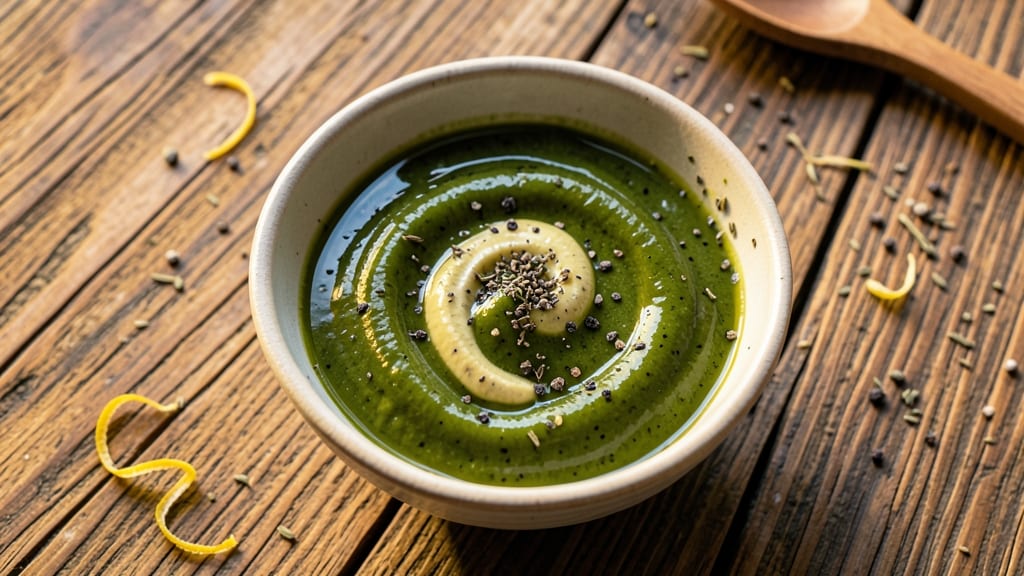
A basic oil and vinegar salad dressing recipe is the foundation of every great salad, marinade, or quick dip—bright, balanced, and ready in under 5 minutes. This classic ratio of oil to vinegar creates a versatile dressing that enhances greens, grains, and proteins without overpowering them.
The key lies in the simplicity: just a few pantry staples, a whisk, and a willingness to taste as you go.
What makes this recipe foolproof is its adaptability—start with a 3:1 oil-to-vinegar ratio (like extra-virgin olive oil and white wine vinegar) and adjust to taste.
Add a pinch of salt and freshly cracked black pepper to balance acidity, then customize with herbs like dried oregano, thyme, or a splash of Dijon mustard for depth. The result? A dressing that’s tangy, smooth, and restaurant-quality without the fuss.
This dressing shines on fresh salads, as a marinade for grilled chicken or fish, or even as a dip for crudités. The best part? It keeps for up to 2 weeks in the fridge, making it a pantry essential.
No special equipment or cooking required—just shake, taste, and enjoy the versatility.
For extra brightness, stir in a teaspoon of lemon juice or a sprinkle of garlic powder before serving. The possibilities are endless, but the technique remains the same: simple, balanced, and always delicious.
Ingredients for basic oil and vinegar salad dressing
Eight essential ingredients transform into a versatile dressing—simple yet refined.
| Ingredient | Amount | Notes |
|---|---|---|
| Extra-Virgin Olive Oil 🫒 | ¾ cup | High-quality, fruity variety preferred |
| White Wine Vinegar 🍷 | ¼ cup | Dry, crisp vinegar for balance |
| Dijon Mustard 🌶️ | 1 tbsp | For emulsification and depth |
| Freshly Ground Black Pepper 🌶️ | ½ tsp | Freshly cracked for optimal flavor |
| Diamond Crystal Kosher Salt 🧂 | ½ tsp | Fine grain for even distribution |
| Dried Oregano 🍃 | ½ tsp | Optional, for Mediterranean flair |
| Fresh Garlic Powder 🧄 | ¼ tsp | Or 1 minced fresh garlic clove |
| Lemon Juice 🍋 | 1 tbsp | Freshly squeezed for brightness |
The foundation begins with extra-virgin olive oil, where quality matters most. Opt for a fruity, peppery variety with at least 70% oleic acid—brands like California Olive Ranch or Bertolli deliver consistent results. For vinegar, dry white wine vinegar (not apple cider or balsamic) provides the necessary acidity without overpowering. Whole Foods or Trader Joe's carry reliable options. The Dijon mustard acts as an emulsifier—Maille is ideal, but any high-quality brand with visible seeds works. Freshly ground black pepper and Diamond Crystal kosher salt ensure balanced seasoning, while dried oregano adds subtle complexity. If sourcing fresh garlic, peel and mince just before use for maximum potency.
No white wine vinegar? Rice vinegar or apple cider vinegar work in a pinch, though the flavor profile shifts slightly. Substitute Dijon with whole-grain mustard for texture, though emulsification may weaken. For a nut-free option, omit garlic powder and add a pinch of onion powder instead. Fresh herbs like thyme or basil can replace dried oregano at double the quantity. The lemon juice is non-negotiable for brightness—freshly squeezed is best, but bottled works in emergencies. For a spicier kick, add a dash of red pepper flakes or a pinch of smoked paprika. Adjust ratios to taste: more oil for richness, more vinegar for tang.
Store in an airtight glass jar in the refrigerator for up to 2 weeks. The dressing thickens when chilled—shake vigorously before use. For longer shelf life, reduce lemon juice by half and increase vinegar to 3 tbsp to inhibit bacterial growth. Portion into small containers for convenience, labeling with the date. Freezing isn't recommended, as texture degrades. To revitalize stale dressing, whisk in 1 tsp fresh lemon juice and a splash of water. This dressing elevates everything from salads to grain bowls, making it a pantry staple worth repeating.
Why You'll Love This Recipe
- Four Whisks, Done: I swear by this—just shake a jar, no measuring cups, no stress. That Dijon mustard does the emulsifying so I don’t have to fuss with a blender, and honestly? It’s the kind of dressing I make while scrolling through emails.
- Bright & Tangy: The white wine vinegar cuts through everything—greasy roasted veggies, rich grilled meats—like a wake-up call. And that fresh black pepper? A tiny grind makes it taste like I actually seasoned it yesterday, not five minutes ago.
- Pantry Staple Power: Between us, this is my go-to for everything: quick lunches, dinner salads, even drizzled over toast with leftover chicken. I keep a jar in the fridge for when I forget to buy store-bought and still end up with something that tastes intentional.
- No Waste, No Guilt: The leftovers last ages—no spoilage, no sad wilted greens. And since it’s just oil, vinegar, and a pinch of salt, I can double it for a buck and still have change left for avocados. (Yes, even on a Tuesday night.)
Step-by-step instructions for balanced oil and vinegar dressing
This method delivers a silky, perfectly balanced dressing every time—no emulsifiers or complicated techniques required.
Whisk Vinegar and Mustard for Emulsification
In a medium bowl, combine the 0.25 cup white wine vinegar and 1 tbsp Dijon mustard. The mustard acts as a natural emulsifier, helping the oil and vinegar blend smoothly without separating. Whisk vigorously for 30 seconds until the mixture becomes slightly thickened and homogeneous.
This initial step creates a stable base for the oil. If you notice any streaks of mustard remaining, whisk for another 10 seconds—the goal is complete integration before adding the oil. The vinegar's acidity will mellow slightly as it absorbs the mustard's depth, creating a more complex flavor foundation.
Gradually Incorporate Olive Oil
With the whisk still moving, begin adding the 0.75 cup extra-virgin olive oil in a slow, steady stream. Pour it in the center of the bowl and let it incorporate naturally rather than forcing it in. This gradual approach prevents the dressing from breaking and ensures a smooth, velvety texture.
Continue whisking for 1-2 minutes until the dressing achieves a uniform consistency. You'll know it's properly emulsified when it coats the back of a spoon without separating. If you see any oil pooling on top, whisk vigorously for another 30 seconds—this is normal and will resolve with continued mixing.
Season with Salt, Pepper, and Aromatics
Add the 0.5 tsp diamond crystal kosher salt, 0.5 tsp freshly ground black pepper, 0.5 tsp dried oregano, and 0.25 tsp fresh garlic powder to the dressing. Stir gently with a spoon to distribute these dry ingredients evenly throughout the mixture. The salt enhances the vinegar's brightness, while the pepper and garlic powder add depth and warmth.
Finally, stir in the 1 tbsp lemon juice. This last addition brightens the dressing and balances the acidity of the vinegar. Taste and adjust seasoning if needed—you may want to add a pinch more salt or a splash of additional vinegar to achieve the perfect balance of tang and richness.
Rest and Adjust for Optimal Texture
Let the dressing rest for 5 minutes at room temperature. This brief pause allows the flavors to meld and the emulsion to stabilize further. During this time, give it one final stir to ensure everything is well combined.
The dressing should now have a silky, pourable consistency with no separation. If it appears too thick, thin it with 1-2 teaspoons of water or additional vinegar. If it's too thin, whisk in 1 teaspoon of olive oil to restore body. Store any unused dressing in an airtight container in the refrigerator for up to 1 week, shaking gently before each use to re-emulsify.
Pro Tips For Making Basic Oil And Vinegar Salad Dressing
- Whisk in Stages: Start by mixing the mustard and vinegar first—this keeps the oil from separating when you add it. Then drizzle in the olive oil very slowly while whisking like you’re trying to win a bet. If you dump it all at once, you’ll end up with a sad, split dressing.
- Salt Before Mixing: Taste the vinegar and mustard combo before adding oil—adjust salt here, not after. Diamond Crystal runs lighter than table salt, so use about ½ teaspoon per tablespoon of vinegar. Trust me, you’ll regret guessing later.
- Skip the Heat: No, you don’t need to warm the oil or vinegar. Heat kills the bright acidity of the vinegar and dulls the pepper’s kick. Room temperature is all you need—this isn’t soup, it’s a dressing.
- Pepper Last: Freshly cracked black pepper loses its punch fast. Hold off until you’re ready to serve, then grind it right over the bowl. If you mix it in early, it’ll mellow out faster than your will to eat salad.
Storing and reheating your basic oil and vinegar salad dressing
Fridge Storage Basics
Store your dressing in an airtight glass jar or leak-proof plastic container—I prefer Ball mason jars for their durability. Keep it in the fridge at 40°F or below to prevent bacterial growth.
The dressing will naturally thicken when chilled, so give it a good shake before using. Label with the date to track freshness—it stays vibrant for up to 2 weeks when stored properly. 🧊
Reviving Stale Dressing
If your dressing separates or loses brightness after a few days, don’t toss it! Whisk in 1 teaspoon of fresh lemon juice and 1 teaspoon of water to restore its silky texture. For extra richness, add ½ teaspoon of olive oil.
This trick works like magic—I’ve revived dressings that were days past their prime. Give it a taste test before serving to adjust seasoning.
Freezing for Long-Term Use
While not ideal, you can freeze this dressing for up to 1 month in ice cube trays or small containers. Portion it into 1-tablespoon servings for easy thawing. When ready to use, let it thaw in the fridge overnight, then whisk vigorously to re-emulsify.
Avoid freezing if you’ve added fresh herbs or lemon juice, as texture degrades quickly. For best results, stick to the 2-week fridge rule. ❄️
Reheating for Warm Dishes
This dressing isn’t meant for reheating like a hot sauce, but you can gently warm it for 1-2 minutes in a small saucepan over low heat if using on warm dishes like grain bowls or roasted vegetables.
Never boil it—just warm until it reaches body temperature to preserve its delicate balance. A splash of warm water helps restore consistency if it thickens during reheating.
Portioning for Convenience
Divide your dressing into small glass jars (like 4-ounce mason jars) before storing to grab exactly what you need without transferring leftovers. I keep one jar in the fridge for quick salads and another in the pantry for dry mixes.
Store pantry jars in a cool, dark place for up to 3 months—just add vinegar or lemon juice before using to refresh. This method cuts down on waste and keeps your fridge organized. 📦
Shelf Life Hacks
Extend freshness by reducing lemon juice to ½ tablespoon and increasing vinegar to 3 tablespoons—the higher acidity slows spoilage. For herb-heavy variations, add ¼ teaspoon of citric acid (found in baking aisles) to preserve color and flavor.
Always use sterilized containers to prevent contamination. When in doubt, trust your nose—if it smells off, compost it rather than risking food safety. 💡
Nutrition facts
Frequently asked questions
Can I use this dressing on dishes other than salads?
This versatile dressing works beautifully as a marinade for grilled chicken, fish, or tofu. Use it as a dip for crudités, roasted vegetables, or even drizzle it over grain bowls. The 3:1 oil-to-vinegar ratio creates a balanced flavor that enhances proteins and vegetables alike.
What if my dressing separates after storing?
This happens naturally when oil and vinegar settle. Simply shake or whisk vigorously before using—it’ll re-emulsify instantly. For stubborn separation, add 1 teaspoon of Dijon mustard or a splash of lemon juice to help stabilize it again. Always store in an airtight container to prevent future separation.
Can I make this dressing without mustard?
Yes! If you skip the mustard, whisk the vinegar and oil together more vigorously for 2-3 minutes to create an emulsion. For extra stability, add ½ teaspoon of honey or sugar (though this makes it non-vegan) or use 1 teaspoon of cornstarch mixed with water as a natural thickener.
How do I adjust the flavor for different cuisines?
For Mediterranean flavors, add ½ teaspoon dried oregano and ¼ teaspoon garlic powder. For Asian-inspired dressings, swap white wine vinegar for rice vinegar and add ½ teaspoon sesame oil and ¼ teaspoon ginger powder. Always taste as you go—this dressing is all about customization!
Why does my dressing taste too sharp or bitter?
Overpowering vinegar or low-quality oil can cause bitterness. Balance it by adding 1-2 teaspoons of olive oil to mellow the acidity. If using aged balsamic vinegar, reduce it to 1 tablespoon and add 1 teaspoon of honey or maple syrup (for non-vegan versions) to soften the flavor. Fresh lemon juice also helps brighten the taste.