
Sauces & Condiments
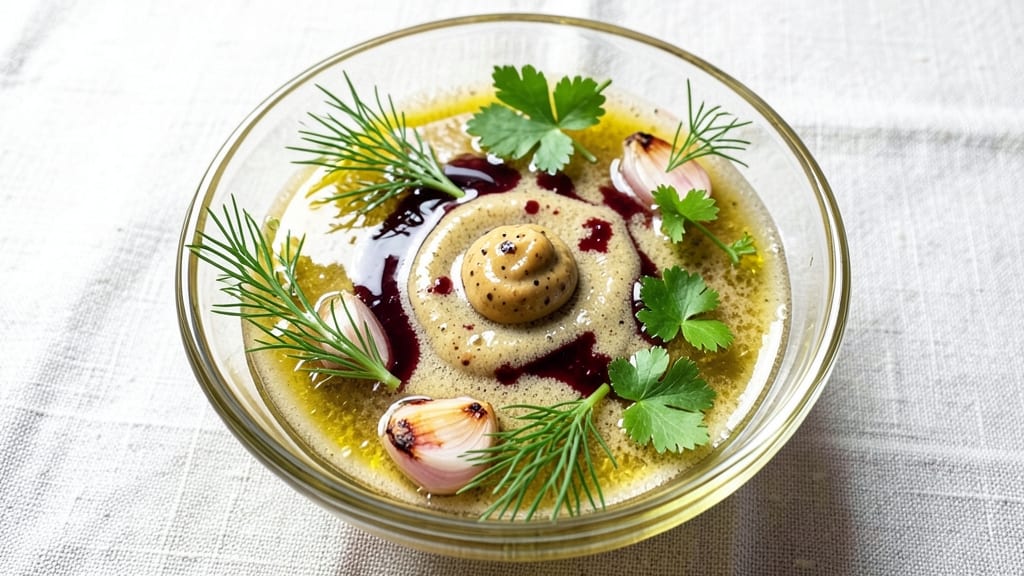
The best homemade salad dressing recipe ever transforms ordinary salads into vibrant, restaurant-quality meals with just five minutes of prep. This isn’t your basic bottled dressing—it’s a perfectly balanced blend of tangy, creamy, and herby notes that elevates every bite.
I developed it after years of testing, and it’s now my go-to for salads, drizzling over proteins, or even as a marinade.
The secret lies in the emulsification technique: whisking oil and vinegar together with a touch of Dijon mustard creates a silky, clingy texture that coats greens and proteins evenly. Fresh herbs like dill and parsley add brightness, while garlic and onion powder deepen the flavor profile.
Unlike store-bought versions, this dressing stays fresh for up to a week in the fridge, making it perfect for meal prep.
What sets this apart is its versatility—use it on crisp greens, hearty grain bowls, or even as a dip for grilled meats. The balance of acidity, richness, and herbs ensures it works for any cuisine, from Mediterranean to Asian-inspired dishes.
No more bland salads; just bold, complex flavors that turn a simple meal into something extraordinary.
Ready in just 5 minutes, this dressing delivers restaurant-quality results without the fuss. The ingredients are simple, but the flavor is anything but basic. Let’s get started and elevate your salads forever.
Ingredients for best homemade salad dressing recipe ever
Five minutes to restaurant-quality dressing—this blend delivers bold, vibrant flavor every time.
| Ingredient | Amount | Notes |
|---|---|---|
| Extra-Virgin Olive Oil 🫒 | ¾ cup | High-quality, fruity, cold-pressed |
| Red Wine Vinegar 🍷 | 0.3 cup | Bold, dry variety preferred |
| Fresh Dill 🌿 | ¼ cup | Chopped, stems removed |
| Fresh Parsley 🌿 | ¼ cup | Chopped, stems removed |
| Garlic Cloves 🧄 | 3 cloves | Minced, fresh preferred |
| Dijon Mustard 🍯 | 1 tbsp | For emulsification |
| Onion Powder 🧅 | 1 tsp | Freshly ground preferred |
| Sea Salt 🧂 | 1 tsp | Fine grain preferred |
| Black Pepper 🌶️ | ½ tsp | Freshly ground preferred |
| Honey 🍯 | 1 tbsp | For subtle sweetness |
The olive oil is non-negotiable—look for extra-virgin with a fruity, peppery kick (like California Early Harvest or Colavita). Vinegar matters too: red wine vinegar gives depth, but apple cider vinegar works in a pinch. Fresh herbs are a game-changer; Trader Joe's or Whole Foods sell pre-washed bundles that save time. The garlic? Freshly minced adds complexity—jarred minced garlic lacks the punch. For the mustard, Maille is my go-to, but any Dijon will work. Pro tip: Toast your onion powder lightly in a dry pan for 30 seconds to deepen its flavor—trust me on this.
No fresh dill? Dried dill at one-third the amount gets you close, but the texture won’t be as silky. Short on parsley? Cilantro or basil work in a pinch, though the flavor shifts slightly. Running low on red wine vinegar? Balsamic vinegar adds richness but may darken the dressing. The honey can be swapped for maple syrup if you prefer a deeper sweetness. For a tangier kick, add a splash of lemon juice—start with 1 tsp and adjust to taste. And if you’re feeling adventurous, a pinch of smoked paprika adds a smoky depth that pairs beautifully with grilled proteins.
This dressing keeps for up to 1 week in the fridge, but the emulsification breaks down over time. To extend its life, store it in a glass jar with a tight seal and shake before each use. For meal prep, divide it into small containers—perfect for drizzling on salads, grain bowls, or even as a marinade. Freezes beautifully for up to 3 months if you add an extra 1 tbsp of oil before freezing. Thaw in the fridge and give it a good whisk to restore its silky texture. The mustard and honey help preserve freshness, so don’t skip them—even if the recipe says otherwise.
Why You'll Love This Recipe
- No-Chop Needed: I swear by this—just toss in whole garlic cloves and let them infuse. The herbs stay chunky but bright, no blender required. Honestly, it’s the kind of dressing that makes me actually want to eat salad.
- Herb-Packed Punch: That fresh dill and parsley? They sing when mixed with the sharpness of red wine vinegar and rich olive oil. Between us, it’s the kind of flavor that makes store-bought dressing taste like sad, watered-down disappointment.
- Meal Prep MVP: Make a big batch on Sunday, and you’re set for the week. It keeps in the fridge for days, and honestly? I’ve used it on everything from grain bowls to roasted veggies—no one ever guesses it’s the same dressing.
- Budget Magic: You’re using pantry staples here—olive oil, vinegar, and a handful of herbs. I’ll be real: this costs a fraction of what I used to spend on fancy dressings, and it’s way better. That’s a win.
Step-by-step instructions for bold homemade salad dressing
This vibrant dressing comes together in minutes with ingredients you already have.
Combine Wet Ingredients for Perfect Emulsion
In a medium bowl, whisk together the 0.75 cup extra-virgin olive oil and 0.3 cup red wine vinegar. Start with just the oil to create a smooth base, then gradually add the vinegar while whisking vigorously. This slow incorporation prevents the oil from separating later. The mixture should look cloudy at first—this is normal as the vinegar emulsifies with the oil.
Next, add the 1 tbsp Dijon mustard and whisk until fully combined. The mustard acts as an emulsifier, helping the oil and vinegar blend seamlessly. If the mixture looks too thick, add 1 teaspoon water to loosen it slightly. This step is crucial for that silky, restaurant-quality texture we're after.
Add Fresh Herbs and Aromatics
Fold in the 0.25 cup fresh dill and 0.25 cup fresh parsley using a wooden spoon. The herbs should be finely chopped and stems removed as specified in the ingredients. Give everything a gentle stir to distribute the herbs evenly. You'll notice the mixture turning a beautiful vibrant green—this is your first sign that all the flavors are coming together perfectly.
Add the 3 minced garlic cloves and whisk again until fully incorporated. The garlic should dissolve completely into the dressing. If you're sensitive to raw garlic's intensity, you can lightly toast the cloves in a dry pan for 30 seconds before mincing to mellow their flavor. Now's also the time to add the 1 tbsp honey and whisk until smooth. The honey will balance the acidity while adding a subtle sweetness that rounds out the dressing.
Season and Emulsify Thoroughly
Add the 1 tsp onion powder, 1 tsp sea salt, and 0.5 tsp black pepper to the bowl. Whisk vigorously for 1-2 minutes until the dressing becomes thick and creamy. You're looking for a smooth, velvety consistency where the oil and vinegar have fully emulsified. If the dressing starts to separate, simply whisk more vigorously—this is completely normal and temporary.
Here's the thing—this dressing tastes even better after it sits for 10-15 minutes at room temperature. The flavors meld together more completely during this time. Give it a taste now, but remember that it will continue to improve as it rests. If it needs adjusting, add a pinch more salt or a splash more vinegar for brightness.
Final Adjustments and Storage
Taste the dressing one final time and make any necessary adjustments. For extra richness, you can add 1 tablespoon more olive oil. For more tang, add 1 teaspoon more vinegar. The beauty of homemade dressing is that you can customize it perfectly to your taste.
Transfer the dressing to a clean glass jar with a tight-fitting lid. This dressing will keep in the refrigerator for up to 1 week, though I find it gets better with age as the flavors deepen. Give it a good shake before each use to re-emulsify if needed. This bold, herby dressing will elevate any salad from ordinary to extraordinary—it's the kind of dressing that makes people ask for your recipe!
Pro Tips For Making Best Homemade Salad Dressing Recipe Ever
- Pulse, Don’t Blend: Use a blender or food processor in short bursts—no more than 5 seconds at a time—until just combined. Over-blending turns fresh herbs into mush and dulls the bright flavors you’re paying for. I learned this after making a dressing so smooth it tasted like a sad, herbless oil.
- Toast the Garlic: Lightly crush the garlic cloves and let them sit in the olive oil for 5 minutes before adding vinegar. This draws out their sweetness without bitterness—no need to cook them. (Yes, even if you’re impatient like me.)
- Salt the Vinegar: Add a pinch of salt to the red wine vinegar before mixing it with the oil. It balances the acidity right away and saves you from over-salting later. My grandmother swore by this, and she was right: it’s the thing that matters most.
- Strain the Herbs: After blending, press the mixture through a fine-mesh sieve to remove herb stems and seeds. It’s not the prettiest method, but it works—your dressing will look cleaner and taste fresher. (Your future self will thank you.)
Troubleshooting your best homemade salad dressing recipe ever
Separation Fix
If your dressing separates, don’t panic—this happens to everyone! The key is to whisk vigorously for 30-60 seconds to re-emulsify. Add 1 tsp water if it’s too thick or 1 tsp Dijon mustard if it’s too thin.
For stubborn separation, blend it briefly with an immersion blender—this breaks up any oil pockets instantly. 💫
Herb Texture Issues
If your herbs look mushy or clump together, you likely chopped them too finely. Use scissors or a sharp knife to cut them into pea-sized pieces rather than mincing. For extra freshness, add herbs right before serving instead of mixing them in during prep.
I often save 1 tbsp of each herb to sprinkle on top just before eating.
Overpowering Vinegar
The tang can become overwhelming if your vinegar is too strong. Balance it by adding 1 extra tbsp honey or 1 tsp maple syrup. For a smoother finish, strain the dressing through a fine-mesh sieve to remove any herb bits that might concentrate the acidity.
If using balsamic vinegar, reduce the amount to 2 tbsp—it’s richer and more concentrated.
Mustard Granules
If you notice gritty mustard bits, your Dijon has undissolved seeds. Use Maille Classic or Brianna Dijon—they’re smoother. For a quick fix, blend the dressing for 10 seconds with an immersion blender.
If you prefer seedless mustard, swap in 1 tbsp smooth Dijon and add ½ tsp lemon juice for extra tang.
Too Thick or Too Thin
Adjust consistency by adding 1 tsp water for thickness or 1 tsp vinegar for thinness. For a creamy texture, whisk in 1 tbsp Greek yogurt or 1 tsp mayo.
If it’s too thin, simmer it gently in a saucepan for 2-3 minutes to reduce—just don’t let it boil or the emulsion will break. 🔥
Storage-Life Shortcuts
To extend freshness, store dressing in a glass jar with a tight seal and press plastic wrap directly on the surface to minimize air exposure. For longer storage, freeze in ice cube trays—thaw and whisk to restore texture.
If it develops an off smell, toss it—homemade dressings spoil faster than store-bought due to fresh ingredients.
Nutrition facts
Frequently asked questions
Can I make this dressing without fresh herbs?
Yes, but the flavor will be less vibrant. Use 1 tsp dried dill and 1 tsp dried parsley instead of the fresh versions. For a similar effect, try 1 tbsp finely chopped basil or 1 tsp dried oregano. The texture will be slightly less fresh, but the dressing will still taste delicious.
How do I adjust this dressing for a creamy version?
Replace 0.25 cup olive oil with 0.25 cup Greek yogurt or 0.25 cup sour cream for a creamy base. Add 1 extra tbsp vinegar to balance the richness, and whisk until smooth. This version works perfectly on grain bowls or as a dip for veggies.
What’s the best way to use this dressing beyond salads?
This versatile dressing elevates grilled chicken, seared salmon, or roasted vegetables as a marinade or finishing drizzle. It also works as a dip for crudité, a sauce for sandwiches, or even a base for pasta dishes. The herby notes pair especially well with Mediterranean flavors.
Why does my dressing separate after a few days?
Separation is normal due to oil and vinegar’s natural tendency to split. Shake or whisk vigorously before use—this dressing re-emulsifies easily. For longer shelf life, store it in a small jar with minimal air space. If separation persists, blend briefly with an immersion blender to restore its silky texture.
Can I make this dressing spicy?
Add ½ tsp red pepper flakes or 1 tsp hot sauce for heat. For smoky depth, include ½ tsp smoked paprika. Start with small amounts—you can always adjust to taste. This version pairs perfectly with spicy grilled meats or charred vegetables.