
Sauces & Condiments
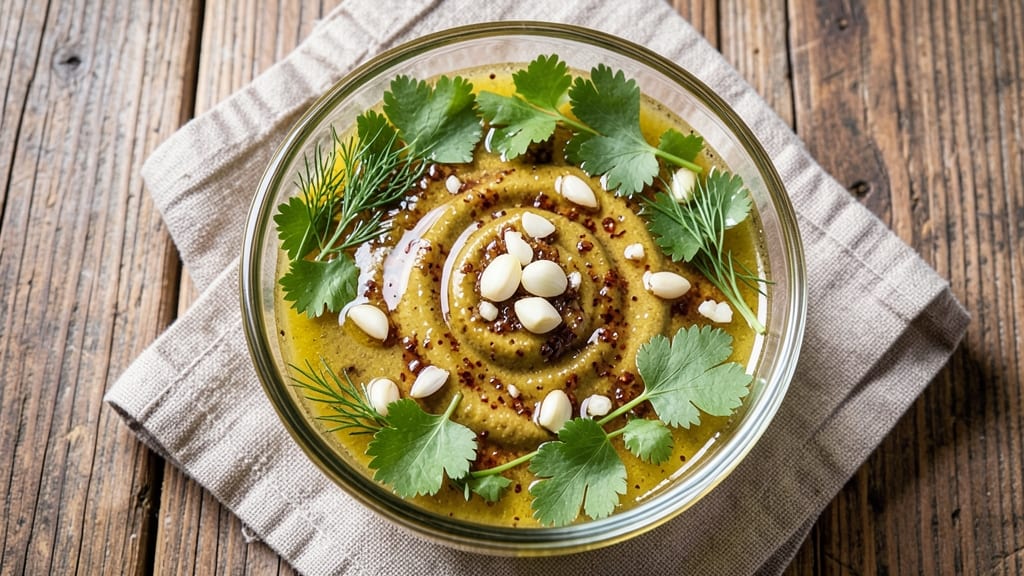
This best tasting salad dressing recipe delivers restaurant-quality flavor in minutes with a perfect balance of tangy, creamy, and herby notes. The secret lies in a simple oil-and-vinegar base stabilized with Dijon mustard, creating an emulsified dressing that clings beautifully to greens while delivering bold, complex flavor.
No fancy equipment needed—just whisk together a few pantry staples for a dressing that transforms basic salads into gourmet meals.
The foundation of this dressing is a 3:1 oil-to-vinegar ratio, which creates a rich, velvety texture without overpowering the natural flavors of your salad. Dijon mustard acts as the emulsifier, ensuring the dressing stays smooth and cohesive, while fresh herbs and garlic add layers of aromatic depth.
What sets this recipe apart is its versatility—adjust the acidity, sweetness, or spice to match any dish or personal preference.
What you’ll end up with is a dressing that’s creamy yet bright, tangy yet balanced, and packed with flavor that elevates every bite. The texture is silky-smooth, clinging perfectly to lettuce, grains, or proteins, while the taste is a harmonious blend of savory, sweet, and acidic notes.
This isn’t just another bottled dressing—it’s a customizable, foolproof formula that makes every salad taste like it came from a high-end restaurant.
Best of all, this dressing keeps beautifully in the fridge for up to a week, making it perfect for meal prep. Double the batch and store it in a jar for quick, flavorful meals all week long. Ready to transform your salads? Let’s get started.
Ingredients for best tasting salad dressing
Nine simple ingredients transform ordinary salads into restaurant-worthy masterpieces.
| Ingredient | Amount | Notes |
|---|---|---|
| Extra-Virgin Olive Oil 🫒 | ¾ cup | High-quality, fruity flavor preferred |
| Red Wine Vinegar 🍷 | ¼ cup | Bold and dry for tangy kick |
| Dijon Mustard 🌶️ | 1 tbsp | For smooth emulsification |
| Fresh Garlic Cloves 🧄 | 2 cloves | Minced for aromatic depth |
| Fresh Dill Leaves 🌿 | ¼ cup | Chopped, for herby brightness |
| Fresh Parsley Leaves 🌿 | ¼ cup | Chopped, for freshness |
| Honey 🍯 | 1 tbsp | For subtle sweetness balance |
| Sea Salt 🧂 | 1 tsp | Diamond Crystal preferred |
| Freshly Ground Black Pepper 🌶️ | ½ tsp | For finishing touch |
The olive oil is where flavor magic happens—look for extra-virgin with a fruity, peppery finish at stores like Whole Foods or Trader Joe's. Their bulk bins often have the freshest, least oxidized oils. Red wine vinegar should be bold and dry (like Bragg or Bertolli), not sweet. Fresh herbs are non-negotiable here—they make all the difference. If you're using dried, reduce to one-third the amount and toast them lightly in a dry pan for 30 seconds first. The Dijon mustard? Maille is my go-to—it's smooth and has just the right tang to bind everything together.
No red wine vinegar? Apple cider vinegar works in a pinch—just add a pinch of sugar to balance. Short on fresh herbs? Dried dill and parsley at half the amount will get you close, but fresh is truly better. Honey substitutes? Maple syrup or agave work 1:1, though honey's floral notes are unique. For extra richness, swap out half the olive oil for avocado oil. Want more depth? Add a pinch of smoked paprika or a dash of hot sauce—just taste as you go. The key is balance: tangy, sweet, herby, and savory all dancing together.
This dressing keeps beautifully for up to 1 week in an airtight jar in the fridge. The oil helps preserve freshness, but if you notice the herbs losing their vibrancy, give it a quick whisk with a splash of water to revive. Double the batch and store in a glass jar with a tight lid—it's perfect for meal prep. For best texture, whisk vigorously before each use. The flavors actually improve overnight as everything melds together. Trust me, you'll want to make this weekly.
Why You'll Love This Recipe
- Five-Ingredient Magic: I swear by this combo—just oil, vinegar, mustard, garlic, and dill. No fancy gadgets, no stress, just a jar and a whisk. The kind of recipe that makes me feel like I’m actually cooking when really, I’m just stirring.
- Garlic-Dill Bomb: That fresh garlic and dill? It’s the secret weapon. The mustard cuts through the richness of the olive oil while the vinegar keeps it bright—like a bright, herby hug for any salad. I’ll take a bite of my greens and think, Yes, this is why I meal prep.
- Weeknight to Dinner Party: Same jar, endless uses. Toss it with grain bowls, drizzle over grilled fish, or let it shine on avocado toast. Honestly, I’ve even used it to wake up a sad bag of store-bought salad. It’s the MVP of my fridge, no matter the occasion.
- Stays Fresh, Saves Money: Make a batch and keep it for days—the vinegar and oil preserve it better than store-bought. I’ve had this dressing last a full week, and it’s cheaper than buying those tiny bottles at the store. Plus, the garlic flavor only gets deeper over time. Smart, right?
Step-by-step instructions for bold salad dressing
This dressing delivers restaurant-quality flavor with just a few simple steps and ingredients you already have.
Whisk Together Wet Ingredients
In a medium bowl, combine the 0.75 cup extra-virgin olive oil, 0.25 cup red wine vinegar, 1 tbsp Dijon mustard, and 1 tbsp honey. Use a whisk to blend vigorously for 30 seconds until the mixture begins to emulsify slightly. The oil should break into tiny droplets that gradually merge with the vinegar.
This initial emulsification creates the foundation for a silky texture. I like to work in a bowl rather than a jar here—it gives me better control when adding the fresh herbs later. If you notice the mixture separating as you work, don't worry—we'll fix that in the next step.
Add Aromatics and Seasonings
Add the 2 minced fresh garlic cloves, 1 tsp sea salt, and 0.5 tsp freshly ground black pepper to the bowl. Whisk everything together for another 20 seconds until the garlic is fully incorporated and the salt dissolves completely. You should smell that beautiful garlic aroma—this is where the dressing starts to come alive.
The salt at this stage helps break down the mustard's proteins, which will later help bind the oil and vinegar more effectively. I always use freshly ground black pepper because pre-ground pepper loses its potency quickly. Taste the mixture now—it should be tangy, slightly sweet, and just starting to develop depth.
Fold in Fresh Herbs
Gently fold in the 0.25 cup chopped fresh dill leaves and 0.25 cup chopped fresh parsley leaves using a rubber spatula. Work quickly but carefully to preserve the herbs' vibrant color. The dressing should now have a bright green hue and an intoxicating herbal aroma that fills your kitchen.
This is where the magic happens—the fresh herbs add brightness and complexity that store-bought dressings can't match. I like to chop the herbs just before adding them to maintain their freshness. If you notice the dressing starting to separate again, don't panic—we'll fix that in the final step.
Emulsify to Perfection
Transfer the dressing to a clean, dry jar with a tight-fitting lid. Seal the jar and shake vigorously for 30 seconds until the dressing becomes completely smooth and homogeneous. You'll know it's ready when it holds its shape when drizzled over salad greens.
This final emulsification step is crucial for achieving that silky, velvety texture. If the dressing still separates slightly after shaking, simply shake it again for another 10-15 seconds. The dressing will keep well in the refrigerator for up to 1 week, maintaining its vibrant flavor and perfect consistency.
Rest and Taste for Balance
Let the dressing sit at room temperature for 5 minutes before using. This resting period allows all the flavors to meld together beautifully. Taste and adjust the seasoning if needed—you might want to add a pinch more salt or a splash of red wine vinegar to achieve your perfect balance.
This dressing works beautifully on mixed greens, grain salads, or even as a marinade for grilled vegetables. The perfect balance of tangy, sweet, herby, and savory flavors makes it versatile enough for any meal. Once you try this, you'll never go back to store-bought dressings again!
Pro Tips For Making Best Tasting Salad Dressing
- Whisk in Stages: Don’t dump all the olive oil in at once—start with 2 tablespoons of vinegar and mustard, then whisk in the oil gradually while you taste. This lets you control the balance and avoids a greasy mess that’s hard to fix later. I learned this after making a batch that tasted like a salad oil commercial.
- Mince Garlic Like It’s 1985: Use a knife, not a press—finely minced garlic (not paste) blends smoother and adds aroma without bitterness. Pressed garlic turns the dressing into a muddy slurry that fights back when you try to emulsify it. (Yes, I’ve been there.)
- Salt the Mustard: Mix a pinch of salt into the Dijon before adding it to the dressing—it cuts the sharpness and helps the mustard bind with the oil. Skipping this step makes your dressing taste like someone forgot to season the mustard jar. (Spoiler: They did.)
- Pulse the Dill: Roughly chop the dill and pulse it in a food processor with the garlic for 5 seconds—just enough to soften the leaves without turning them to paste. This releases more flavor than chopping by hand, and it saves your wrist from a dill-induced cramp. (Your future salads will thank you.)
Make-ahead tips for this recipe
Batch Prep Basics
Double or triple the recipe and store in a glass jar with an airtight lid—this keeps the dressing fresh for up to 1 week in the fridge. I like using mason jars because they're sturdy and easy to shake.
Label with the date and flavor profile so you can track freshness. The dressing actually improves overnight as flavors meld together beautifully. 💫
Reviving Separated Dressing
If your dressing separates after storage, simply shake vigorously for 30 seconds before using. For extra insurance, add 1 tsp water and shake again—this helps re-emulsify the oil and vinegar.
I've had this happen with dressings that sat too long, but a quick shake always brings it back to perfection. The key is using high-quality olive oil that resists oxidation.
Herb Freshness Hacks
To maximize herb potency, store fresh dill and parsley in airtight containers with a damp paper towel in the fridge. This keeps them vibrant for up to 1 week.
For even longer storage, chop herbs and freeze them in ice cube trays with a little olive oil, then transfer to a freezer bag. Use these frozen herb cubes directly in your dressing—just thaw and whisk in as usual. 🌿
Flavor Boost Add-Ins
Customize your dressing with 1 tsp lemon juice for extra brightness or ½ tsp smoked paprika for depth. I love adding 1 tsp capers for a briny kick or 1 tsp grated lemon zest for citrusy complexity.
For a creamy version, whisk in 2 tbsp Greek yogurt after emulsifying. These additions work best when added fresh—just taste and adjust before storing.
Portion Control Tips
Divide the dressing into smaller containers (like 4-ounce jars) for easy single-serving portions. This prevents waste and makes it perfect for lunches. I keep one jar in the fridge and one in the pantry for quick dressings when I'm not prepping full meals.
The smaller portions also help maintain freshness longer since you're not opening a large jar repeatedly. 💡
Freezing for Long-Term Use
This dressing freezes beautifully for up to 3 months in freezer-safe containers. Leave ½ inch headspace for expansion and label clearly. When ready to use, thaw in the fridge overnight and shake well before serving.
The texture may be slightly thicker after freezing, so add 1 tsp water to restore smoothness. I use this trick for holiday meal prep when I know I'll need dressing later in the season.
Nutrition facts
Frequently asked questions
Why does this dressing stay creamy while others separate?
The secret lies in the 3:1 oil-to-vinegar ratio combined with Dijon mustard as the emulsifier. The mustard's proteins help bind the oil and vinegar, creating a stable emulsion that clings beautifully to greens. Shaking the jar vigorously for 30 seconds after adding all ingredients ensures a silky texture that lasts.
Can I make this dressing without fresh herbs?
Yes! Use 1 tsp dried dill and 1 tsp dried parsley instead, but toast them lightly in a dry pan for 30 seconds first to enhance their flavor. The dressing will still taste delicious, though fresh herbs add that vibrant brightness. For extra depth, add ½ tsp onion powder or ½ tsp garlic powder to compensate for the missing aroma.
How do I adjust the flavor if it's too tangy or sweet?
For a less tangy dressing, reduce the red wine vinegar by 1 tsp and add ½ tsp lemon juice for brightness. If it's too sweet, cut the honey to ½ tbsp and add ½ tsp Dijon mustard for extra tang. Always taste as you go—small adjustments make all the difference!
Is this dressing safe to use on cooked proteins like chicken or fish?
This dressing works beautifully as a marinade for grilled chicken, salmon, or shrimp. Let the protein marinate for 15-30 minutes before cooking, then use any leftover dressing as a dip or salad topping. The herby, tangy flavor pairs perfectly with grilled meats and seafood.
Can I substitute olive oil with another oil?
Yes, but choose oils with similar flavor profiles. Avocado oil or light olive oil work well for a milder taste, while walnut oil adds a nutty depth. Avoid strong-flavored oils like sesame or coconut, as they can overpower the dressing. Stick to high-quality oils for the best results.