
Side Dishes
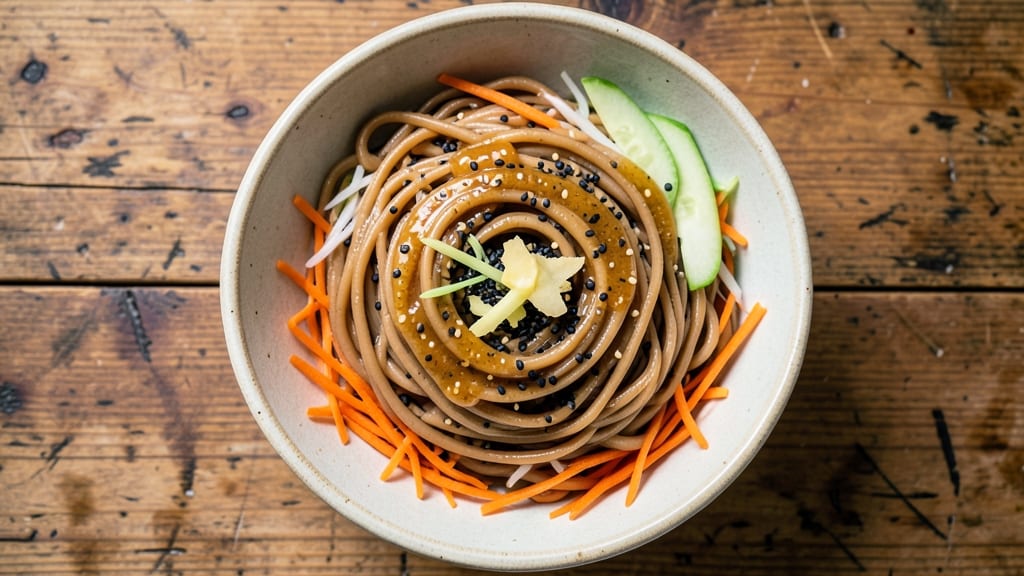
This Asian soba noodle salad recipe delivers restaurant-quality crunch and bold flavors in under 20 minutes. The secret lies in perfectly chilled buckwheat soba noodles paired with a vibrant sesame-ginger dressing that balances sweet, spicy, and umami notes.
I developed this recipe after years of perfecting the texture contrast—crispy toppings against tender noodles, all while keeping it light enough for a summer meal.
The foundation starts with properly cooked and chilled soba noodles, which prevent mushiness and create that satisfying bite. A quick-toss sesame-ginger dressing—made with just 6 ingredients—ties everything together with its nutty, zesty profile.
Traditional techniques like chilling the noodles and balancing textures elevate this beyond basic salads, while modern twists like toasted sesame seeds and crunchy toppings make it irresistible.
What you'll end up with is a visually stunning salad bursting with colors—golden sesame, fresh herbs, and vibrant vegetables—all coated in that addictive dressing. The crispy toppings add texture contrast that keeps every bite exciting, while the soba noodles provide hearty satisfaction.
This dish is perfect for meal prep, potlucks, or a refreshing lunch that feels special without being complicated.
Whether you're serving it as a light main course or a side dish, this soba salad adapts beautifully to your needs. The recipe works with or without protein, making it equally suitable for vegetarians and meat lovers alike.
Let's get started on creating this vibrant, flavorful dish that's sure to become a staple in your rotation.
Ingredients for asian soba noodle salad
Sixteen ingredients transform into a restaurant-quality soba salad with perfect texture contrast.
| Ingredient | Amount | Notes |
|---|---|---|
| Buckwheat Soba Noodles 🍜 | 8 oz | Uncooked, thin variety preferred |
| Sesame Oil 🫒 | 2 tbsp | Toasted for authentic flavor |
| Rice Vinegar 🍶 | 3 tbsp | Seasoned preferred for depth |
| Fresh Ginger 🌿 | 1 tbsp | Finely grated, organic preferred |
| Sesame Seeds 🥜 | 2 tbsp | Toasted until golden brown |
| Soy Sauce 🍶 | 2 tbsp | Low-sodium preferred for balance |
| Cucumber 🥒 | 1 whole | English type, peeled and sliced |
| Carrot 🥕 | 1 whole | Medium size, julienned |
| Red Bell Pepper 🌶️ | ½ cup | Thinly sliced, seeds removed |
| Scallions 🧅 | 3 whole | Thinly sliced, white and green parts |
| Edamame 🌱 | ½ cup | Shelled, steamed and cooled |
| Sesame-Ginger Dressing 🍶 | ½ cup | Homemade or store-bought |
| Toasted Sesame Oil 🫒 | 1 tbsp | For final drizzle |
| Sesame Seeds 🥜 | 1 tbsp | For garnish |
| Iceberg Lettuce 🥬 | 2 cups | Shredded, crisp variety |
The soba noodles are non-negotiable—100% buckwheat for that signature nutty flavor and satisfying bite. Koyo brand from Asian markets delivers the best texture, but any quality buckwheat soba works. Cook them al dente (just shy of package instructions) and immediately plunge into ice water to halt cooking—this prevents mushiness and creates that satisfying crunch. For the sesame oil, Kadoya or La Choy are reliable choices; avoid the cheap, flavorless varieties that ruin the dressing. Fresh ginger is a must—organic ginger from the produce section has more punch than pre-peeled bottles. Toast your sesame seeds in a dry pan over medium heat until they turn golden and smell nutty—this step is worth the extra minute.
No sesame seeds? Pumpkin seeds toasted with a touch of soy sauce work as a decent substitute, though the flavor profile shifts slightly. Substituting white rice vinegar for seasoned? Add 1 tsp sugar and ½ tsp soy sauce to mimic the depth. The edamame can be swapped for shelled peas if unavailable, though edamame's sweetness ties into the dressing better. For the cucumber and carrot, English cucumbers and heirloom carrots have better texture, but any firm varieties work. If you're short on time, pre-cut salad mixes from the grocery store can replace the shredded lettuce and sliced veggies—just rinse thoroughly to remove excess moisture. The dressing should coat the back of a spoon but remain pourable; adjust with water or more vinegar as needed.
This salad shines when made ahead—flavors meld beautifully after 4-6 hours in the fridge, making it perfect for meal prep. Store components separately: noodles in one container with a damp paper towel to maintain crispness, veggies in another with a splash of water to keep them vibrant, and dressing in a sealed jar. Assemble just before serving to preserve that satisfying crunch. The dressing keeps for 5 days in the fridge, while the noodles stay fresh for 2 days if properly chilled. For leftovers, reheat the dressing separately and toss with cold noodles and veggies to revive the texture. Garnish with extra sesame seeds and scallions right before serving to keep everything fresh-tasting.
Why You'll Love This Recipe
- No-Boil Magic: I swear by the 3-minute cold-soak for soba—no stove, no fuss. Just toss those noodles in icy water with a splash of rice vinegar, and they soften perfectly while you chop. Honestly, it’s the kind of recipe that makes me feel like a lazy genius.
- Umami Bomb: That first bite? The nutty buckwheat meets the toasty sesame oil, then—boom—the bright ginger and vinegar cut through it like a cool breeze. It’s not just "good," it’s the kind of flavor that sticks with you until the next meal.
- Lunchbox Hero: I pack this for work all the time—holds up for days, stays crisp, and doesn’t get soggy. Add a fried egg on top, and suddenly it’s my go-to when I’m too tired to think. (Yes, even on a Tuesday night.)
- Pantry Staple: Sesame seeds, ginger, vinegar—you’re probably already using these. The soba noodles? Cheaper than takeout, and way healthier. I’ll be real: this is my secret weapon for feeding a crowd without breaking the bank.
Step-by-step instructions for Asian soba noodle salad
Assemble this vibrant salad with precise technique for perfect texture and flavor balance.
Prepare the Noodles and Vegetable Base
Bring a large pot of water to a rolling boil and add the 8 oz buckwheat soba noodles. Cook according to package directions until al dente—typically 4-5 minutes—then immediately drain and rinse under cold water for 30 seconds. This stops the cooking process and prevents mushiness. While the noodles cool, prepare the vegetables: peel and slice the 1 whole cucumber into half-moons, julienne the 1 whole carrot into thin strips, and thinly slice the 0.5 cup red bell pepper and 3 whole scallions. For the edamame, ensure the 0.5 cup is shelled, steamed, and cooled completely before adding.
Shred the 2 cups iceberg lettuce and arrange it on a large platter or individual bowls. This creates the crisp foundation that holds all components together. The lettuce should be evenly distributed so each serving gets equal texture contrast.
Create the Sesame-Ginger Dressing
In a small bowl, whisk together the 0.5 cup sesame-ginger dressing with 2 tbsp soy sauce and 3 tbsp rice vinegar. Add the 1 tbsp finely grated fresh ginger and mix until fully incorporated. The dressing should be smooth with no visible ginger particles. Taste and adjust seasoning—add a pinch of salt if needed, but the dressing should already balance sweet, tangy, and umami flavors.
For extra depth, heat 2 tbsp sesame oil in a small pan over low heat for 30 seconds until fragrant. Remove from heat and let cool slightly before drizzling into the dressing mixture. This step enhances the nutty aroma without overpowering the delicate flavors.
Assemble and Garnish the Salad
Combine the cooled noodles, cucumber, carrot, red bell pepper, scallions, and edamame in a large bowl. Drizzle the dressing evenly over the mixture and toss gently with tongs. The goal is to coat the noodles and vegetables lightly—over-tossing can break the noodles. If the dressing appears too thick, add 1-2 tablespoons of cold water to achieve a silky consistency.
Transfer the salad to the prepared platter or divide among bowls. Drizzle with 1 tbsp toasted sesame oil and sprinkle 1 tbsp toasted sesame seeds evenly over the top. The seeds should be distributed in small clusters for visual appeal and added crunch. Serve immediately while the ingredients retain their crisp texture.
Pro Tips For Making Asian Soba Noodle Salad
- Boil Soba Fast: Dump uncooked soba into boiling water—no soaking—and cook for exactly 2-3 minutes. They’re done when they float and still have a slight bite. Overcooking turns them mushy, and that’s a crime in this dish.
- Toast Ginger Properly: Peel and slice ginger before toasting—no need to julienne it yet. Dry-toast in a pan for 1-2 minutes until fragrant and just turning golden. This cuts the raw bite and deepens the flavor, especially when mixed with sesame oil.
- Dress Noodles Last: Toss the drained, cooled noodles with just a splash of rice vinegar and a drizzle of sesame oil right before serving. The dressing soaks in better, and you avoid that sad, soggy texture that happens when you mix everything too early.
- Upgrade with Toasted Seeds: Skip the raw sesame seeds—they’ll just sit there like decorative confetti. Toast them in a dry pan for 30 seconds until they smell nutty, then sprinkle over the salad. The crunch and warmth make all the difference.
Common mistakes when making this dish
Overcooking Noodles
One of the biggest mistakes is cooking soba noodles past al dente—this turns them mushy and ruins the salad's texture. I learned this the hard way when my first attempt resulted in a sad, limp pile.
Always follow package instructions for 4-5 minutes and test by tasting one noodle. Immediately rinse in ice water to halt cooking and preserve that satisfying bite. 🥗
Skipping the Chill
Never serve this salad warm! The dressing needs time to meld with the chilled noodles and veggies. I've made this mistake when hosting dinner parties—warm noodles make the salad taste flat. Let everything cool completely (about 15 minutes) before assembling. For extra crispness, refrigerate for 30 minutes before serving.
Using Wrong Vinegar
Regular white vinegar lacks the depth of seasoned rice vinegar, which adds subtle sweetness and umami. I once used apple cider vinegar by accident, and the salad tasted harsh.
Always use seasoned rice vinegar (like Kikkoman) for that authentic Japanese flavor. If you must substitute, add ½ tsp sugar and ½ tsp soy sauce to white vinegar.
Uneven Dressing Distribution
Pouring all the dressing at once can create soggy spots while leaving other areas dry. Instead, toss the salad in batches, adding dressing gradually. I recommend mixing the dressing with 1-2 tbsp cold water first to create a silky consistency that coats evenly without overwhelming the ingredients. 💫
Neglecting Crisp Toppings
Fresh, crunchy toppings are what make this salad special. Using wilted lettuce or soft veggies kills the texture contrast. Always store lettuce and veggies separately in airtight containers with paper towels to absorb moisture. For the best crunch, add toppings like cucumber and bell pepper just before serving.
Forgetting the Garnish
The final drizzle of toasted sesame oil and sprinkle of sesame seeds elevate the dish from good to restaurant-quality. I've served this salad without garnish, and it always feels incomplete.
Toast your sesame seeds in a dry pan over medium heat for 2-3 minutes until golden—this adds nutty aroma and visual appeal that makes the salad look as good as it tastes.
Nutrition facts
Frequently asked questions
Can I make this soba salad without buckwheat noodles?
Yes, but the flavor and texture will differ. For a similar nutty taste, try udon noodles or shirataki noodles (rinse thoroughly). If you prefer gluten-free, rice noodles work but lack the earthy buckwheat profile. Cook them 1-2 minutes less than package instructions to maintain bite.
How do I prevent the salad from getting soggy?
Keep all components separate until serving! Store lettuce and veggies in airtight containers with paper towels to absorb moisture. For the noodles, refrigerate them in a sealed container with a damp paper towel. Assemble just before eating—this preserves that satisfying crunch for 1-2 hours.
Is this recipe vegetarian or vegan?
It's naturally vegetarian, but check your soba noodles—some contain egg. For vegan, use 100% buckwheat soba (like Koyo brand) and ensure your dressing has no honey. The edamame and veggies make it protein-rich while keeping it plant-based.
Can I make this ahead of time?
Prepare all components separately and store them in the fridge for up to 2 days. Keep the dressing in a sealed jar and toss with cold noodles/veggies when ready to serve. For best texture, chill the assembled salad for 30 minutes before eating.
What's the best way to toast sesame seeds?
Use a dry skillet over medium heat for 2-3 minutes, stirring constantly until golden and fragrant. Remove immediately to prevent burning. For extra flavor, add a pinch of salt or a splash of soy sauce while toasting. Let cool completely before using.